


Are you wondering if your cat really needs a rabies shot? It’s a question many cat owners ask but don’t always get a clear answer to.
Protecting your furry friend is important, and understanding why this vaccine matters can keep your cat safe from serious disease. Keep reading to find out what the rabies shot does, why it’s essential, and how it helps protect both your pet and your family.
You’ll learn everything you need to make the best decision for your cat’s health.
Rabies And Its Impact On Cats
Rabies is a serious viral disease that affects the nervous system of mammals, including cats. This illness spreads through the bite of an infected animal. Once symptoms appear, rabies is almost always fatal. Cats are vulnerable to rabies because they often roam outdoors and may encounter wild animals carrying the virus.
Understanding rabies and its impact on cats is crucial for pet owners. The disease can cause drastic changes in behavior and health. Protecting cats from rabies helps keep them safe and healthy.
What Is Rabies?
Rabies is caused by a virus that attacks the brain and spinal cord. The virus is found in the saliva of infected animals. It spreads through bites or scratches. Rabies affects all mammals, including cats, dogs, and humans.
How Rabies Affects Cats
After infection, cats may show signs like aggression, confusion, and paralysis. The virus damages the brain, causing erratic behavior. Cats can become very sick quickly and may die within days.
Transmission Risks For Cats
Cats that go outside face higher risks. Wild animals such as bats, raccoons, and foxes can carry rabies. A single bite from one of these animals can infect a cat. Indoor cats have less risk but still need protection.
Symptoms To Watch For
- Unusual aggression or fearfulness
- Excessive drooling or foaming at the mouth
- Difficulty swallowing or paralysis
- Loss of appetite or weakness
- Seizures or strange vocal sounds
Importance Of Rabies Vaccination
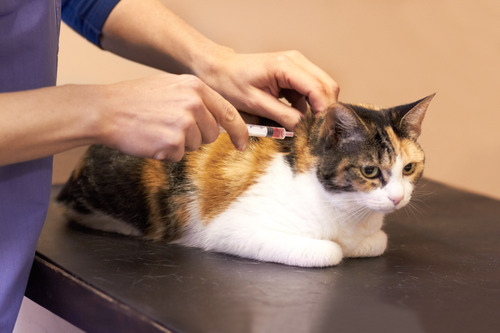
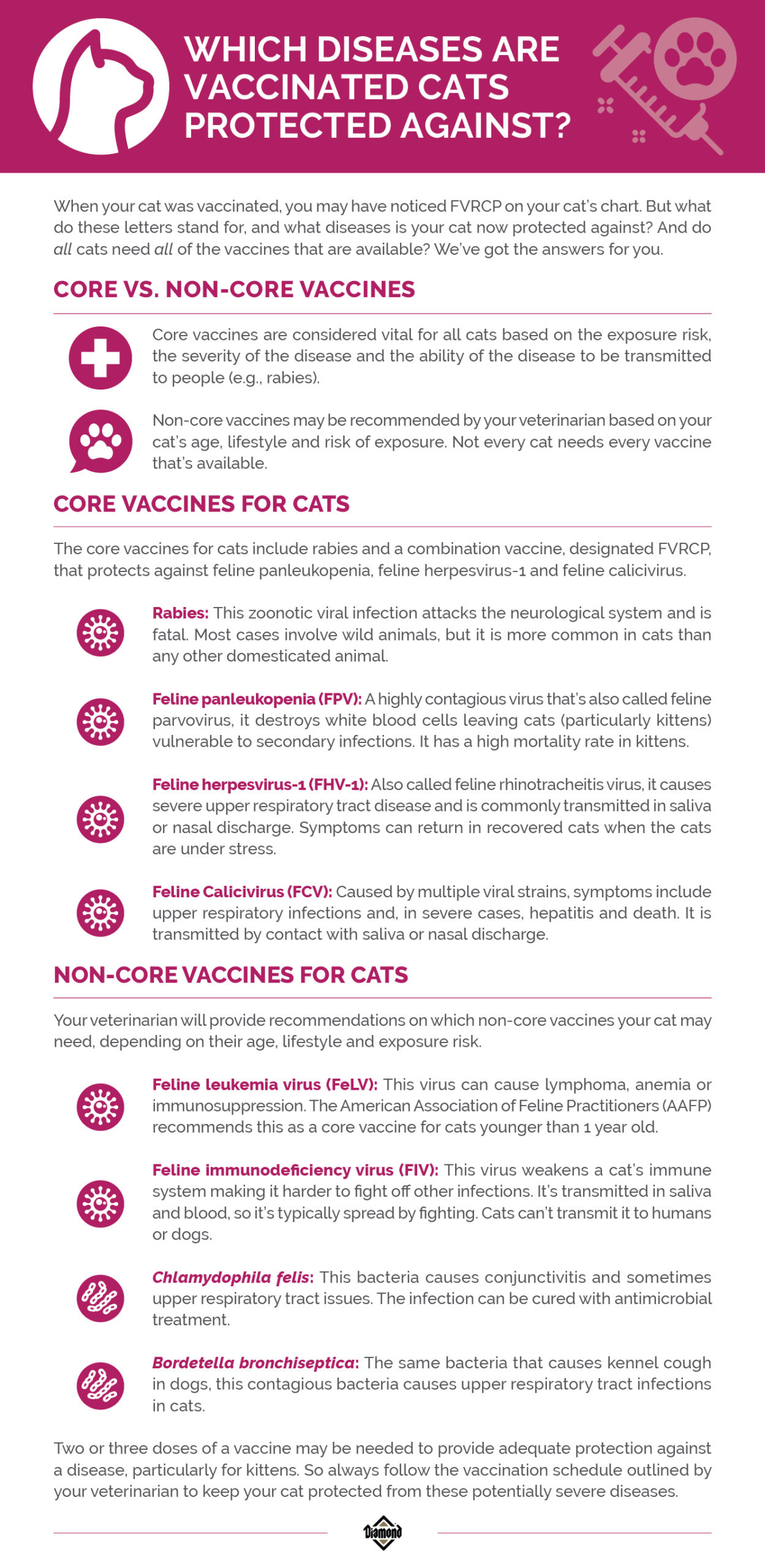
Vaccination is the best way to protect cats from rabies. It prevents the virus from infecting the cat’s nervous system. Many places require rabies shots by law. Vaccinated cats help reduce the spread of rabies to other animals and humans.
Credit: triangleanimalclinic.com
How Rabies Spreads
Understanding how rabies spreads is key to protecting your cat and your family. Rabies is a deadly virus that affects the nervous system, and it moves quickly once inside a host. Knowing the common ways it transmits helps you take smart precautions.
Transmission Through Animal Bites
The most common way rabies spreads is through bites from infected animals. When an infected animal bites, the virus in its saliva enters the body of the victim. Even a small bite or scratch can transmit rabies, so any contact with wild or stray animals should be taken seriously.
Contact With Open Wounds Or Mucous Membranes
Rabies virus can also spread if saliva from an infected animal touches your cat’s open wounds or mucous membranes, like the eyes, nose, or mouth. This means that even without a bite, your cat can be at risk if it sniffs or licks a contaminated area. Have you ever noticed your cat’s curiosity leading it to places it shouldn’t? That behavior can increase exposure risk.
Common Rabies Carriers
Wild animals like bats, raccoons, skunks, and foxes are frequent carriers of rabies. Domestic animals such as unvaccinated dogs and cats can also get infected and pass the virus on. Identifying local wildlife risks in your area helps you keep your cat safe by limiting contact.
Why Indoor Cats Still Need Protection
You might think indoor cats are safe from rabies, but that’s not always true. Sometimes bats or other wildlife can enter homes unnoticed, exposing indoor pets. Have you ever found a bat in your house? That’s a clear sign your cat needs protection even if it never goes outside.
Symptoms Of Rabies In Cats
Rabies is a deadly virus that affects cats’ brains and nervous systems. Recognizing the symptoms early helps protect your cat and family. Rabies symptoms in cats can change as the disease progresses.
Behavioral Changes
- Sudden aggression or irritability
- Unusual fearfulness or hiding
- Restlessness or pacing
- Loss of appetite
Physical Signs
- Excessive drooling or foaming at the mouth
- Difficulty swallowing or choking
- Weakness or paralysis in limbs
- Seizures or tremors
Neurological Symptoms
- Disorientation or confusion
- Head tilt or abnormal posture
- Unsteady walking or loss of balance
- Excessive vocalization or howling

Credit: millsanimalhospital.com
Importance Of Vaccination
Vaccination protects cats from serious diseases that can threaten their health. Rabies is a deadly virus that spreads to animals and humans. Getting your cat vaccinated reduces the risk of infection and protects your family too.
Vaccines help cats build immunity. This means their bodies can fight off diseases better. Without vaccination, cats are vulnerable to illnesses that can cause pain and even death.
Protecting Your Cat’s Health
Rabies vaccination keeps your cat safe from a fatal disease. Cats can catch rabies from wild animals like bats and raccoons. Vaccination stops the virus before it harms your pet.
Legal Requirements For Rabies Vaccination
Many places require cats to have rabies shots by law. This helps control the spread of the disease in communities. Following the law keeps your cat and others safe.
Preventing Disease Spread To Humans
Rabies can spread from cats to people through bites or scratches. Vaccinating cats reduces this risk significantly. Protecting your pet also protects your family and neighbors.
Long-term Benefits Of Vaccination
Regular vaccinations keep cats healthy throughout their lives. They lower the chance of costly vet visits and serious illness. Vaccinated cats often live longer, happier lives.
Rabies Vaccination Schedule
Understanding the rabies vaccination schedule for your cat is crucial to keep them safe and healthy. Rabies is a deadly disease that can affect both animals and humans, so timely vaccination is a must. Knowing when and how often your cat needs the vaccine helps you stay on top of their health without missing any important shots.
Kitten Vaccination Timeline
Kittens usually get their first rabies vaccine at around 12 to 16 weeks old. This timing ensures their immune system is ready to respond effectively to the vaccine.
After the initial shot, a booster is often required one year later to strengthen their immunity. Some vets may recommend an earlier booster depending on local laws or your kitten’s risk factors.
Have you checked with your vet about the exact timing for your kitten’s rabies vaccination? It’s a simple step that can save you worry later.
Adult Cat Booster Shots
Adult cats need regular booster shots to maintain protection against rabies. Typically, boosters are given every one to three years based on the vaccine type and local regulations.
If you’ve adopted an adult cat with an unknown vaccination history, a vet visit is essential to set up a vaccination plan. Don’t wait for a warning sign—keep your cat’s rabies shots up to date to avoid risks.
Remember, staying consistent with boosters not only protects your cat but also helps prevent the spread of rabies in your community.
State Laws And Regulations
State laws and regulations play a crucial role in determining whether your cat needs a rabies shot. These rules vary widely across the country, reflecting local concerns about rabies exposure and public health priorities. Understanding what your state requires can help you keep your cat safe and avoid legal trouble.
How State Laws Affect Rabies Vaccination Requirements
Most states mandate rabies vaccinations for cats, but the details differ. Some states require annual shots, while others allow a three-year vaccine. Knowing your state’s schedule helps you plan vet visits and stay compliant.
For example, in California, rabies vaccination is mandatory for all cats over four months old. Meanwhile, in Texas, local counties may set their own rules, making it essential to check with your city or county animal control.
Consequences Of Not Following Rabies Vaccine Laws
If you skip your cat’s rabies shot, you could face fines or other penalties. More importantly, your cat might be at risk during a rabies exposure incident. Authorities may require quarantine or even euthanasia if vaccination records are missing.
Have you ever thought about what would happen if your cat bites someone without proof of vaccination? It’s a serious issue that can lead to stressful legal battles and costly medical treatment.
Where To Find Accurate Information On Rabies Regulations
Start with your state’s department of health or agriculture website. They often provide clear guidelines and updates on rabies laws. Local animal shelters and veterinarians are also great resources to understand specific regional rules.
Checking these sources regularly ensures you don’t miss any changes in the law. Staying informed is a small step that protects your cat and your household.
Risks Of Skipping The Rabies Vaccine
Skipping the rabies vaccine for cats brings serious risks. Rabies is a deadly virus that affects the brain and nervous system. Without vaccination, cats are vulnerable to this disease. It can spread quickly from bites or scratches of infected animals.
Unvaccinated cats can also threaten human health. Rabies can pass from cats to people, causing severe illness or death. Protecting cats with the rabies shot prevents this dangerous chain of infection.
Threat To Your Cat’s Health
Rabies infection is almost always fatal for cats. The virus attacks the nervous system, causing confusion and paralysis. Symptoms worsen fast, leading to death within days. Vaccination is the best defense against this fatal disease.
Legal Consequences
Many places require rabies vaccination by law. Skipping the vaccine can result in fines or penalties. In case of a bite, unvaccinated cats may face quarantine or euthanasia. Following vaccination laws protects your cat and you.
Risk To Family And Community
Rabies spreads through bites or saliva contact. An unvaccinated cat increases the risk of spreading rabies to family members. Children and elderly are especially at risk. Vaccinating your cat helps keep your home and neighborhood safe.
Costly Medical Treatments
Treating rabies exposure in humans requires expensive and painful shots. If your unvaccinated cat bites someone, your family may need these treatments. Vaccination avoids these high costs and emotional stress.
Addressing Vaccine Concerns
Many cat owners worry about vaccines. Questions about safety and side effects are common. Understanding these concerns helps make the right decision for your cat’s health.
Vaccine Safety
Rabies vaccines for cats are tested thoroughly before approval. They meet strict safety standards set by experts. Millions of cats receive the vaccine every year with no problems. The vaccine helps protect your cat from a deadly disease. It also protects your family and community.
Potential Side Effects
Some cats may have mild side effects after vaccination. Common reactions include:
- Soreness at the injection site
- Temporary tiredness or reduced appetite
- Mild fever
These effects usually last one or two days. Serious side effects are rare but can happen. Watch for signs like swelling, difficulty breathing, or vomiting. Contact your vet immediately if you notice any of these.
Indoor Cats And Rabies Risk
Many cat owners believe indoor cats face little to no risk of rabies. But is that really true? Understanding the rabies risk for indoor cats can help you make the best health decisions for your furry friend.
How Indoor Cats Can Be Exposed To Rabies
Even if your cat stays indoors most of the time, rabies exposure is still possible. Wildlife like bats, raccoons, or stray animals can sometimes find their way inside your home.
Your cat might also escape briefly or interact with infected animals near windows or doors. These situations increase the risk more than many realize.
Why Vaccination Matters For Indoor Cats
Vaccinating your indoor cat against rabies provides a crucial layer of protection. It prevents a deadly disease that has no cure once symptoms appear.
I once knew a cat owner who skipped vaccination because their cat never went outside. When a bat got into the house, the cat was exposed, and thankfully, the vaccine was up to date.
Local Rabies Laws And Indoor Cats
Check your local laws about rabies vaccination for pets. Many places require all cats, indoor or outdoor, to be vaccinated by law.
Failing to vaccinate can lead to fines or mandatory quarantine if your cat bites someone or is exposed to rabies.
Signs Your Indoor Cat Might Be At Risk
- Unexplained aggressive behavior
- Sudden changes in eating or drinking habits
- Exposure to wildlife or stray animals
If you notice any of these signs or suspect exposure, contact your vet immediately.
Practical Tips To Reduce Rabies Risk Indoors
- Keep windows and doors securely closed or screened
- Inspect your home regularly for wildlife entry points
- Supervise any outdoor time, even in enclosed patios
- Keep your cat’s rabies vaccination up to date
These steps help protect your cat without limiting their indoor comfort.
Steps To Take If Your Cat Is Exposed
If your cat is exposed to a potentially rabid animal, quick and careful action can make all the difference. Knowing exactly what to do helps protect your furry friend and prevents the spread of this dangerous disease. The steps you take right after exposure are crucial for your cat’s health and your peace of mind.
Assess The Situation Carefully
First, identify what your cat was exposed to. Was it a wild animal, like a raccoon or bat, or an unvaccinated pet? If you can safely observe the other animal, check for unusual behavior such as aggression, staggering, or excessive drooling.
Write down details about the encounter. Where and when did it happen? This information will help your vet decide on the best course of action.
Contact Your Veterinarian Immediately
Don’t wait to see if symptoms appear—call your vet right away. They might recommend a booster rabies vaccination or other preventive treatments depending on your cat’s vaccination status and the risk level.
If your cat is not vaccinated, your vet will guide you through quarantine options or emergency measures. This step can be stressful but remember, early intervention can save your cat’s life.
Monitor Your Cat For Symptoms
After exposure, watch your cat closely for any changes. Symptoms like fever, excessive salivation, difficulty swallowing, or sudden behavioral shifts should raise alarms.
Keep a daily log of your cat’s behavior and health for your vet’s reference. Quick reporting of symptoms can lead to timely treatment or humane decisions.
Notify Local Animal Control If Needed
In some areas, rabies exposure must be reported to animal control or public health authorities. This helps track outbreaks and protect the community.
Ask your vet if reporting is necessary. It might seem like extra work, but it plays a vital role in keeping your neighborhood safe.
Reflect On Prevention For The Future
Think about how your cat came into contact with the potentially rabid animal. Could fencing or supervised outdoor time reduce risks? Have you kept your cat’s rabies vaccinations up to date?
Learning from this experience helps you create a safer environment. What changes can you make today to prevent another scare tomorrow?
Credit: www.diamondpet.com
Frequently Asked Questions
Do All Cats Need Rabies Shots?
Yes, most cats require rabies vaccinations by law. Vaccination protects cats and humans from fatal rabies infection.
When Should Kittens Get Their First Rabies Vaccine?
Kittens should receive their first rabies shot at 12 to 16 weeks old. Early vaccination ensures timely protection.
How Often Do Cats Need Rabies Booster Shots?
Cats typically need rabies boosters every one to three years, depending on local regulations and vaccine type.
Can Indoor Cats Skip Rabies Vaccinations?
No, even indoor cats need rabies shots. Accidental exposure or escapes can still pose a risk.
Conclusion
Cats need rabies shots to stay safe and healthy. Rabies is a serious disease that can harm both pets and people. Vaccinating your cat helps stop the spread of this illness. It also keeps your cat protected if it meets wild animals or other pets.
Regular vet visits ensure your cat’s shots are up to date. Protect your furry friend with rabies vaccination. Peace of mind for you and safety for your cat. Simple steps make a big difference. Keep your cat safe, happy, and healthy.
