

Are you wondering if your cat really needs probiotics? You might have heard about these supplements and how they help with digestion, but is it something your furry friend actually requires?
Understanding whether probiotics can improve your cat’s health can make a big difference in their well-being. Keep reading to discover how probiotics work, when they might help, and what you should consider before giving them to your cat. This simple knowledge could change the way you care for your pet every day.
What Are Probiotics?
Probiotics have gained a lot of attention for their health benefits, but what exactly are they? Understanding probiotics helps you decide if they might be helpful for your cat’s health. Let’s break down what probiotics really mean and how they work.
Probiotics are live bacteria and yeasts that are good for your cat’s digestive system. They help balance the natural bacteria in the gut, which is essential for proper digestion and overall health.
Think of probiotics as friendly microbes that support your cat’s immune system and help fight off harmful bacteria. They are naturally found in some foods and can also be given as supplements.
How Do Probiotics Work In A Cat’s Body?
Probiotics settle in the intestines and create a healthy environment by competing with bad bacteria. This competition prevents the bad bacteria from growing and causing infections or digestive issues.
They also help break down food, making it easier for your cat to absorb nutrients. Plus, probiotics can reduce inflammation and improve your cat’s ability to fight diseases.
Common Sources Of Probiotics For Cats
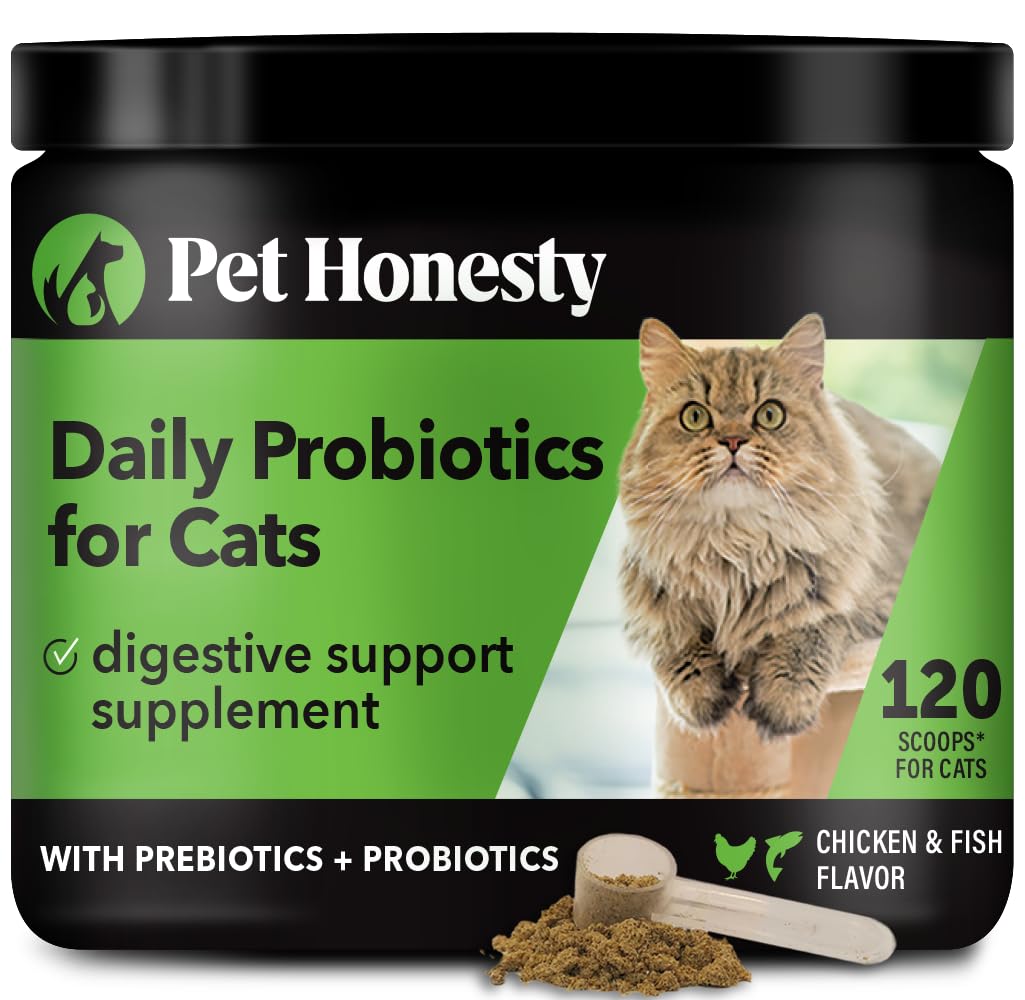
- Special probiotic supplements designed for pets
- Fermented foods like plain yogurt (in small amounts)
- Certain commercial cat foods that include added probiotics
Have you noticed your cat’s digestion improve after changing their diet or adding supplements? That might be the effect of probiotics at work.
Are Probiotics Safe For All Cats?
Most cats can safely take probiotics, but it’s important to choose products made specifically for them. Some human probiotics contain strains that might not be effective or safe for cats.
Always check with your vet before adding probiotics, especially if your cat has health issues or is on medication. Your vet can help you find the right product and dosage.
Credit: www.amazon.ca
Feline Digestive System
The feline digestive system is designed to process a diet rich in proteins and fats. Cats have a short digestive tract compared to other animals. This system quickly breaks down food and absorbs nutrients. Their stomach acid is strong, helping to kill harmful bacteria. The intestines then absorb vital nutrients and water. A healthy digestive system keeps cats energetic and well-nourished.
Common Digestive Issues
Cats can face several digestive problems. These include:
- Diarrhea
- Constipation
- Vomiting
- Gas and bloating
- Food allergies or sensitivities
Such issues often cause discomfort and affect nutrient absorption. Stress, diet changes, or infections can trigger these problems. Prompt attention helps maintain a cat’s health and comfort.
Role Of Gut Bacteria
Gut bacteria play an important role in a cat’s digestion. These microbes help break down food and produce essential nutrients. They also protect the digestive tract from harmful bacteria. Balanced gut bacteria support immune health and reduce inflammation. Poor gut health can lead to digestive upset and illness. Probiotics may help maintain a healthy balance of these bacteria.
Benefits Of Probiotics For Cats
Probiotics offer many benefits for cats. These good bacteria help keep a cat’s digestive system healthy. They also support overall well-being by balancing the natural flora in the gut. Probiotics can improve digestion, strengthen immunity, and boost nutrient use. Understanding these benefits can help cat owners decide if probiotics are right for their pets.
Improved Digestion
Probiotics help break down food more efficiently. They restore balance in the gut by adding healthy bacteria. This reduces common digestive issues like diarrhea and constipation. A well-functioning digestive system means less discomfort for your cat. Probiotics also help reduce gas and bloating.
Boosted Immune System
Good bacteria support the immune defenses in the gut. Most of a cat’s immune cells are located there. Probiotics stimulate these cells to fight harmful bacteria and viruses. This lowers the chance of infections and illnesses. A stronger immune system helps cats stay healthy longer.
Enhanced Nutrient Absorption
Probiotics improve the gut’s ability to absorb vitamins and minerals. They help break down food into smaller, easier-to-use parts. This means cats get more nutrition from their meals. Better absorption supports energy, growth, and overall health. It can be especially important for older or sick cats.
Types Of Probiotics For Cats
Probiotics help balance your cat’s digestive system. Different probiotic types offer various benefits. Knowing these types helps choose the right one for your cat’s needs.
Lactobacillus Strains
Lactobacillus is a common probiotic for cats. These bacteria help break down food and improve nutrient absorption. They also support the immune system and reduce harmful bacteria. Cats with diarrhea or upset stomach often benefit from Lactobacillus strains.
Bifidobacterium Strains
Bifidobacterium strains live mainly in the intestines. They protect against infections and help digest fiber. These strains can improve stool quality and reduce inflammation. Bifidobacterium is especially useful for cats with sensitive digestion.
Other Beneficial Strains
Other strains like Enterococcus and Streptococcus also support gut health. They help maintain a healthy bacterial balance and fight pathogens. Some formulas combine multiple strains for broader support. These probiotics work together to keep your cat’s digestive system strong.
Signs Your Cat May Need Probiotics
Probiotics can support your cat’s digestive and immune health. But how do you know if your cat needs them? Some signs may indicate an imbalance in their gut flora. Watch for changes in behavior, digestion, and overall condition. Early detection helps keep your cat healthy and comfortable.
Frequent Diarrhea Or Constipation
Regular diarrhea or constipation may show digestive trouble. Probiotics help restore good bacteria in the gut. This can ease bowel movements and improve stool consistency. Long-term digestive problems often benefit from probiotic support.
Recurring Infections
Repeated infections can mean a weak immune system. Probiotics boost immunity by balancing gut bacteria. A strong gut helps your cat fight off illnesses more easily. Look out for frequent urinary or skin infections.
Lethargy And Poor Coat Condition
Low energy and dull fur may signal internal issues. Gut health affects nutrient absorption and energy levels. Probiotics improve digestion and help nutrients reach the body. This often leads to a shinier coat and more active behavior.
Credit: www.purina.com
Choosing The Right Probiotic
Choosing the right probiotic for your cat can feel confusing. Many products exist, but not all suit every cat’s needs. The right probiotic supports digestion, boosts immunity, and improves overall health. Focus on quality, safety, and expert advice to find the best option.
Consulting A Veterinarian
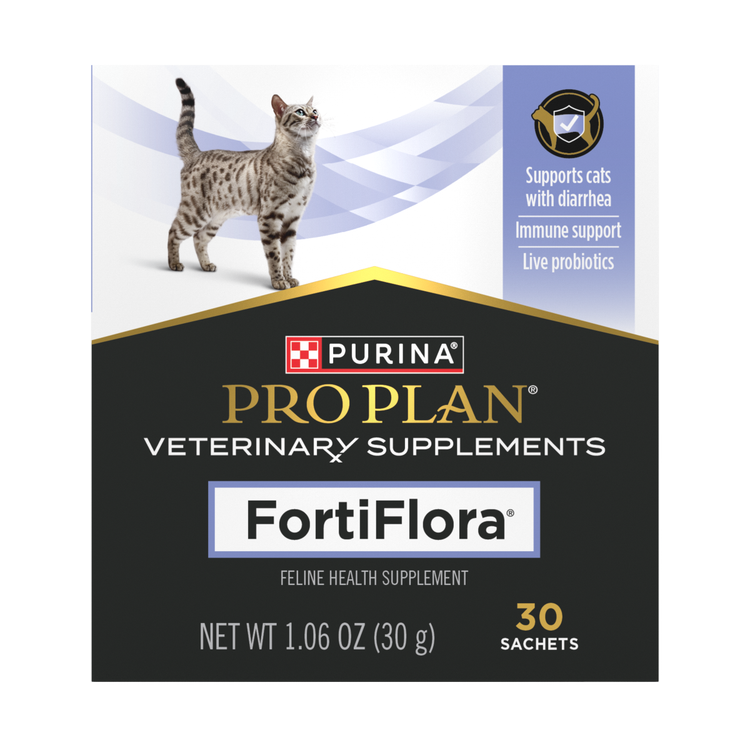
Start by talking to a veterinarian. They know your cat’s health and diet. A vet can recommend probiotics that match your cat’s specific condition. Some cats need probiotics for diarrhea, others for stress or antibiotics recovery. Professional advice ensures safe and effective use.
Quality And Safety Considerations
Choose probiotics made for cats, not humans. Look for products with clear labels showing strains and amounts. Good probiotics contain live, active cultures proven to help cats. Avoid supplements with fillers, artificial colors, or preservatives. Always check expiration dates to ensure potency.
Forms Of Probiotics Available
- Powders:Easy to mix with wet food.
- Capsules:Can be opened and sprinkled on food.
- Chews:Tasty treats that contain probiotics.
- Liquids:Drop into food or directly in the mouth.
Choose a form your cat accepts willingly. Consistency is key for benefits. Regular use helps maintain gut health and balance.
Administering Probiotics To Cats
Administering probiotics to cats can boost their digestive health and overall well-being. However, adding these supplements to your cat’s routine requires some care and attention. Understanding how to give probiotics effectively helps you avoid stress for your pet and ensures they get the full benefit.
Incorporating Into Diet
Adding probiotics to your cat’s food is often the easiest way to administer them. You can sprinkle probiotic powder over wet food or mix capsules into meals. Some cats might resist changes in taste, so try mixing the probiotics with a small amount of their favorite treat first.
Have you noticed your cat’s reaction to new tastes before? Patience is key here. Gradually introducing probiotics over a few days can help your cat accept the new addition without fuss.
Dosage And Frequency
Giving the right amount of probiotics is crucial. Overdosing won’t speed up results and could upset your cat’s stomach. Follow the dosage recommended on the product label or check with your vet for guidance tailored to your cat’s size and health condition.
Most probiotics are given once or twice daily. Consistency matters more than quantity, so try to give the supplement at the same times every day. This routine helps your cat’s digestive system adjust smoothly.
Monitoring Your Cat’s Response
Keep an eye on how your cat responds after starting probiotics. Look for changes in appetite, stool quality, and energy levels. Positive signs include firmer stools and more regular bathroom habits.
If you see any signs of discomfort, such as vomiting or diarrhea, pause the probiotics and consult your vet. Remember, every cat’s body reacts differently, so tracking these responses helps you make the best decisions for your furry friend.
Potential Side Effects
Probiotics can support your cat’s digestive health, but they may cause side effects in some cases. Understanding these potential reactions helps you watch for any problems. Most side effects are mild and temporary, but some need attention.
Mild Digestive Upset
Some cats may experience mild stomach upset after taking probiotics. This can include:
- Gas
- Diarrhea
- Soft stools
- Occasional vomiting
These symptoms usually improve as your cat’s system adjusts. Reducing the probiotic dose or stopping it briefly often helps.
Allergic Reactions
Though rare, allergic reactions to probiotics can occur. Signs include:
- Itching or skin redness
- Swelling of the face or paws
- Difficulty breathing
- Lethargy or unusual behavior
Stop giving probiotics immediately if you notice these signs. Contact your vet right away for advice and care.
Natural Sources Of Probiotics
Natural sources of probiotics can help support your cat’s digestive health. These sources contain good bacteria that balance the gut. Feeding cats natural probiotics may improve digestion and boost immunity. Some foods contain live cultures that act as natural probiotics.
Fermented Foods
Fermented foods have beneficial bacteria that aid digestion. Small amounts of plain, unsweetened yogurt can be safe for cats. It contains live cultures like Lactobacillus, which promote gut health. Another option is kefir, a fermented milk drink with probiotics. Use these foods sparingly to avoid stomach upset. Never give flavored or sugary fermented products to cats.
Probiotic-rich Treats
Some pet stores offer treats enriched with probiotics. These treats combine flavor with gut-friendly bacteria. Look for treats that list specific probiotic strains on the label. Choose those made for cats, with natural ingredients. Probiotic treats can be a simple way to support your cat’s gut flora. Always introduce new treats slowly and watch for reactions.
Future Of Probiotics In Feline Health
The future of probiotics in feline health looks promising. Scientists focus on understanding how probiotics help cats. This knowledge could improve cat care and well-being.
Probiotics may become a regular part of cat diets. They might support digestion, immunity, and even mood. Ongoing research aims to discover the full potential of probiotics for cats.
Research And Developments
Studies explore how probiotics affect feline gut health. Researchers analyze specific strains that benefit cats. They test safety and effectiveness in various conditions.
New findings show probiotics can reduce digestive issues. They also help balance gut bacteria after illness or antibiotics. Research continues to refine doses and delivery methods.
Potential Innovations
Scientists work on probiotics tailored for different cat needs. These include formulas for kittens, senior cats, and sensitive stomachs. Innovations may include probiotics combined with other nutrients.
- Probiotic treats with added vitamins
- Custom probiotic blends based on cat’s health
- Long-lasting probiotic supplements for daily use
Technology may improve how probiotics survive in cat food. This ensures more live bacteria reach the cat’s gut. Such advances could make probiotics more effective and easier to use.

Credit: www.amazon.ca
Frequently Asked Questions
Do Cats Benefit From Taking Probiotics?
Yes, cats benefit from probiotics as they support healthy digestion and improve gut flora balance. Probiotics can boost immunity and help prevent diarrhea or digestive issues.
When Should I Give Probiotics To My Cat?
Give probiotics if your cat has digestive problems, recently took antibiotics, or shows signs of gut imbalance. Always consult your vet before starting supplements.
Are Probiotics Safe For All Cats?
Probiotics are generally safe for most cats but may cause mild side effects. Consult a vet to ensure the right type and dosage for your cat.
Can Probiotics Improve My Cat’s Overall Health?
Probiotics support a healthy gut, which can enhance nutrient absorption and immune function. This leads to better overall health and vitality in cats.
Conclusion
Cats can benefit from probiotics to support digestion and health. These supplements help balance good bacteria in their stomachs. A healthy gut means better nutrient absorption and fewer digestive issues. Not all cats need probiotics every day, though. Consult a vet before adding probiotics to your cat’s diet.
Watch for signs like diarrhea or bloating that may need attention. Proper care and good nutrition keep cats happy and healthy. Probiotics might be a helpful part of that care. Think about your cat’s unique needs and health first.
