

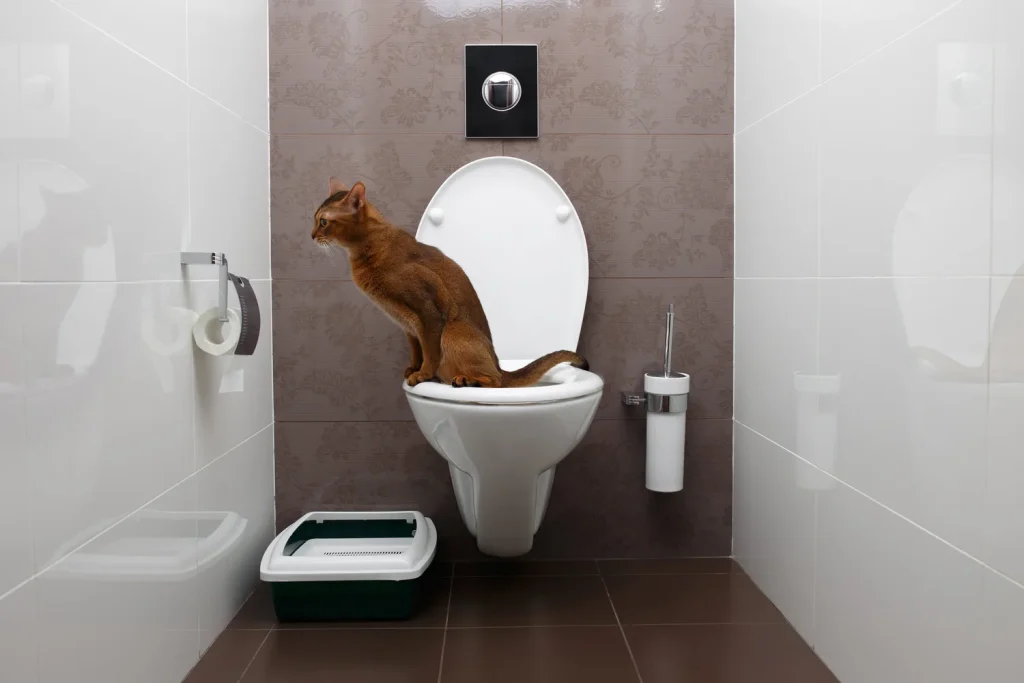
Have you ever wondered if your cat needs potty training? You might think cats just know where to go, but the truth is a bit more interesting.
Understanding how your furry friend learns to use the litter box can save you from messy surprises and frustration. You’ll discover whether potty training your cat is necessary and how you can make the process easier for both of you.
Keep reading to unlock simple tips that will make life with your cat cleaner and happier.

Credit: www.francisurology.com
Cat Bathroom Habits
Understanding your cat’s bathroom habits is key to knowing if they need potty training. Cats have unique ways of handling their bathroom needs, often guided by instinct rather than instruction. Knowing what drives these habits helps you create a clean, comfortable space for your feline friend.
Natural Instincts
Cats naturally bury their waste to hide their scent from predators and other animals. This behavior is so strong that even kittens start practicing it within a few weeks of birth. If you notice your cat scratching the floor or litter, they’re just following their instincts.
Sometimes, a change in bathroom behavior could signal stress or health issues. Have you ever seen your cat avoid their usual spot or go outside the litter box? That might be their way of telling you something is wrong.
Litter Box Usage
Most cats take to a litter box quickly because it mimics their natural desire to dig and bury waste. Choosing the right litter box and litter is crucial. Some cats prefer covered boxes, while others want open spaces—pay attention to your cat’s preferences.
Keep the litter box clean by scooping daily and changing the litter regularly. A dirty box is one of the top reasons cats refuse to use it. Have you checked your cat’s litter box lately? A little maintenance goes a long way in keeping your cat happy and your home odor-free.
Signs Of Potty Training Needs
Recognizing the signs that your cat needs potty training is important for a clean and happy home. Cats usually have natural instincts to use a litter box, but sometimes they need help learning the right place to go. Watching for certain behaviors can tell you when training is necessary.
Accidents Outside The Box
Cats that suddenly urinate or defecate outside their litter box show clear signs. These accidents happen on carpets, beds, or corners. It means your cat may not understand where to go or feels uncomfortable using the box. Spotting these accidents early helps to fix the problem fast.
Avoidance Behavior
When cats avoid the litter box, it suggests a potty training need. They may walk away or hide when it’s time to go. Sometimes, they sniff the box but do not use it. This behavior shows confusion or fear about the litter area. Watching for avoidance helps you know when to start training.
Litter Box Setup Tips
Setting up a litter box properly helps cats learn where to go. A good setup makes cats comfortable and keeps your home clean. These tips focus on choosing the right box, picking the best litter, and placing the box in the ideal spot.
Choosing The Right Box
Select a litter box that fits your cat’s size. Bigger cats need more space to move comfortably. Open boxes provide easy access and good airflow. Covered boxes offer privacy but may trap odors. Consider your cat’s preference and any mobility issues.
Best Litter Types
Clumping litter makes cleaning easier and controls odor well. Unscented litter is gentle on a cat’s sensitive nose. Some cats like natural materials such as wood or paper. Avoid dusty litters that can irritate your cat’s lungs. Try a few types to see what your cat prefers.
Ideal Placement
Place the litter box in a quiet, low-traffic area. Avoid spots near loud machines or busy rooms. Keep it away from the cat’s food and water bowls. Make sure the box is easy to find and reach. Multiple cats need multiple boxes placed apart.

Credit: www.purina.com
Training Techniques
Training your cat to use the litter box effectively requires patience and a clear approach. The right training techniques make the process smoother for both you and your feline friend. Let’s look at practical ways to encourage good potty habits and handle any setbacks.
Positive Reinforcement
Reward your cat immediately after it uses the litter box correctly. This could be a small treat, gentle petting, or enthusiastic praise. Cats respond well to positive signals that connect good behavior with pleasant outcomes.
Try to keep rewards consistent so your cat understands what behavior you expect. Have you noticed how your cat perks up when you praise it? Use that moment to reinforce the habit.
Cleaning After Accidents
Accidents happen, but how you clean them matters. Use an enzymatic cleaner designed for pet messes to completely remove odors. This prevents your cat from returning to the same spot.
Never punish your cat for accidents; it can create fear and confusion. Instead, focus on cleaning thoroughly and gently guiding your cat back to the litter box.
Consistency Practices
Keep the litter box in the same quiet location to avoid confusing your cat. Maintain a regular cleaning schedule to keep the area inviting and hygienic.
Try to scoop the litter daily and change it regularly. This consistency helps your cat see the litter box as the ideal spot for potty breaks.
Common Challenges
Training a cat to use the litter box isn’t always straightforward. Various common challenges can make potty training tricky, even for the most patient cat owners. Understanding these obstacles helps you tackle the problem with confidence and compassion.
Health Issues Impact
Sometimes, your cat’s potty problems aren’t about training at all. Health issues like urinary tract infections, kidney problems, or digestive troubles can cause accidents outside the litter box.
If your cat suddenly stops using the litter box, a vet visit is crucial. Ignoring medical causes can worsen the problem and cause unnecessary stress for your pet. Have you checked if your cat might be uncomfortable or in pain?
Stress And Environmental Factors
Cats are sensitive creatures. Changes in their environment, like moving to a new home or introducing a new pet, can disrupt their bathroom habits.
Even small things like a dirty litter box or an uncomfortable location can make your cat avoid it. You might notice your cat choosing a quiet corner instead.
- Is your cat’s litter box cleaned regularly?
- Is it placed in a calm, accessible area?
- Are there any new stressors around your home?
Addressing these factors often improves potty behavior. Your cat’s comfort and sense of security play a huge role in successful litter box use.
When To Seek Vet Help
Knowing when to seek vet help is crucial for your cat’s health and comfort. Sometimes, potty training issues signal deeper problems. Early attention can prevent serious complications. Observe your cat’s behavior carefully. Persistent changes need professional advice. This section highlights key signs that require a vet visit.
Persistent Problems
Repeated accidents outside the litter box need attention. If your cat avoids the box for days, it shows a problem. Watch for signs like straining, blood in urine, or excessive licking. These can indicate infections or medical issues. Ignoring these symptoms can worsen the condition. A vet can diagnose and treat underlying health problems.
Behavioral Concerns
Changes in litter habits may stem from stress or anxiety. New pets, moving, or loud noises can upset your cat. Aggression or hiding might appear alongside potty issues. If behavior changes last more than a week, vet advice is important. A vet can suggest solutions or refer a specialist. Early help improves your cat’s well-being and training success.

Credit: www.amazon.com
Frequently Asked Questions
Do Cats Naturally Know How To Use A Litter Box?
Yes, most cats instinctively use a litter box. Their natural behavior is to bury waste, making litter training easier.
How Long Does It Take To Potty Train A Cat?
Potty training a cat usually takes a few days to a week. Consistency and positive reinforcement speed up the process.
Can All Cats Learn Potty Training?
Most cats can learn potty training with patience. Kittens adapt faster, while older cats might need extra encouragement.
What Are Common Potty Training Mistakes For Cats?
Common mistakes include inconsistent litter box placement, dirty boxes, and punishing accidents. Cleanliness and patience are key for success.
Conclusion
Cats usually learn to use the litter box on their own. Some may need gentle guidance or patience. Providing a clean, quiet place helps cats feel safe. Avoid punishment; it can cause fear or confusion. Small steps and consistency work best for training.
Remember, every cat is different and learns at its own pace. With care and attention, your cat will develop good bathroom habits. Helping cats stay clean makes life easier for everyone.
