


Have you ever wondered if your cat needs light when the house goes dark? You might think leaving a nightlight on helps them feel safe or see better.
But is that really true? Understanding how your furry friend sees and moves around at night can make a big difference in their comfort and your peace of mind. Keep reading to discover the surprising facts about cats and nighttime light—and find out what’s best for your pet when the lights go out.
Credit: www.rd.com
Cats’ Vision In Darkness
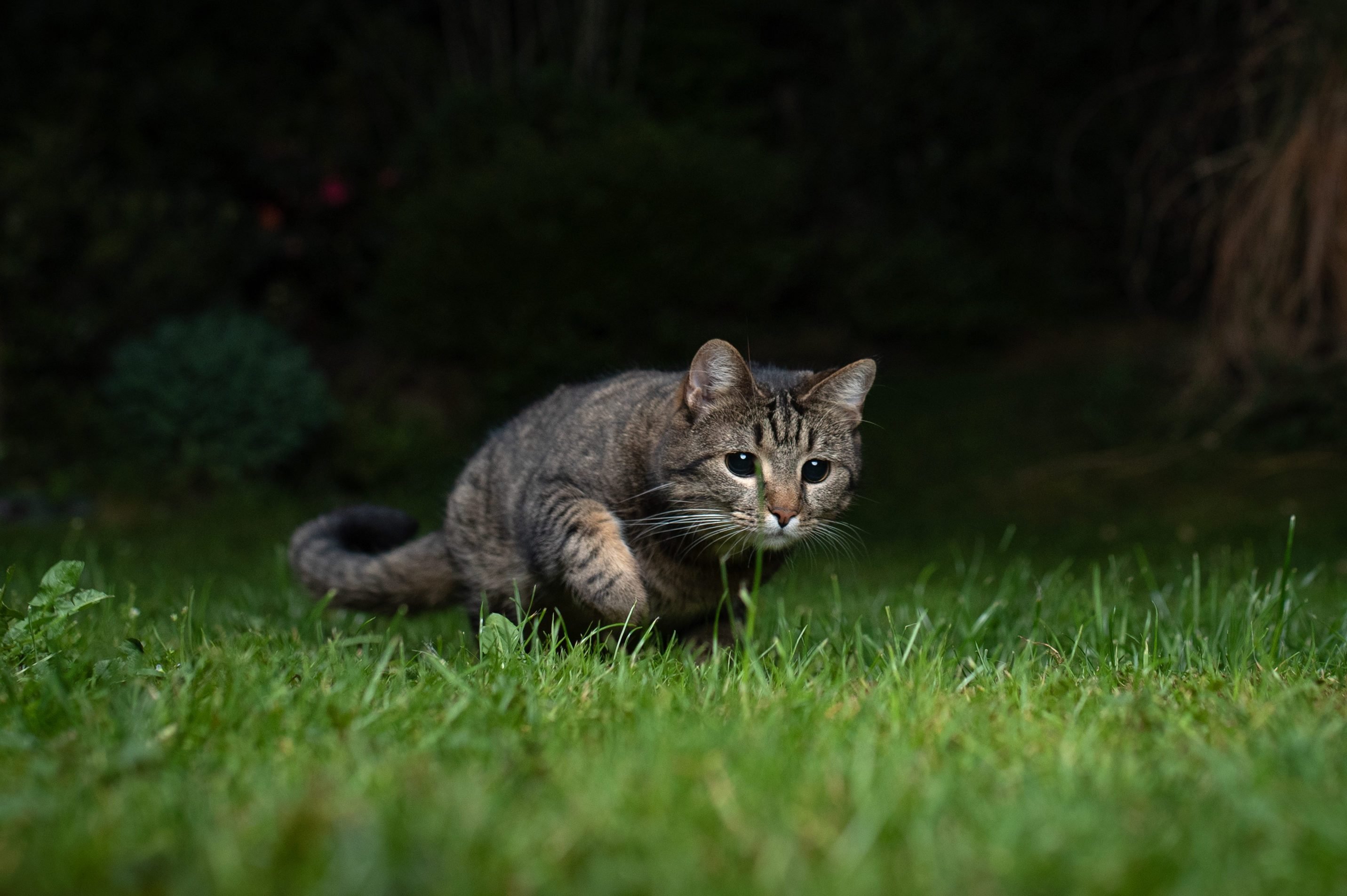
Cats have a unique ability to see well in darkness. Their vision helps them hunt and move safely at night. Understanding how cats see in low light explains if they need light at night.
How Cats See In Low Light
Cats’ eyes have special cells called rods. These cells detect light better than human eyes. Their eyes also have a layer called the tapetum lucidum. It reflects light inside the eye, making it easier to see in the dark. This reflection causes their eyes to shine at night.
Cats can see in light levels six times lower than what humans need. Their pupils open wide to let in more light. This ability helps them spot movement even in dim places.
Comparison To Human Vision
Humans rely more on cones for color and detail in bright light. Cats have fewer cones but more rods, which are better for night vision. Humans cannot see well in the dark because they lack the tapetum lucidum. Cats see shapes and movement better at night but may not see colors clearly in low light.
This difference means cats do not need much light to see around. Their eyes are built to work in darkness, unlike human eyes.

Credit: www.purina.com
Behavioral Patterns In The Dark
Understanding how cats behave in the dark can help you decide whether they need light at night. Their natural instincts and activity patterns often shape their comfort and safety when the lights go out. Let’s dive into what drives your cat’s nighttime behavior and what it means for your home environment.
Nocturnal Nature Of Cats
Cats are often called nocturnal, but they are actually crepuscular, meaning they are most active during dawn and dusk. This trait comes from their wild ancestors who hunted during low light to avoid predators. Your cat’s eyes are adapted to see well in dim conditions, so they don’t rely on bright light to navigate.
Have you noticed your cat prowling or playing as soon as the sun sets? This natural behavior means your cat feels comfortable and alert in low light, making artificial night lighting unnecessary for their movement or safety.
Activity Levels At Night
At night, cats often switch between short bursts of high energy and long periods of rest. They might sprint around the house, chase imaginary prey, or find a cozy spot to nap. This cycle is different from human sleep patterns, so your cat’s nighttime activity is normal and healthy.
To keep your cat happy, consider providing interactive toys or safe spaces where they can release their nighttime energy. Would a nightlight help calm your cat, or might it disrupt their natural rhythm? Observing their behavior is key to answering this.
Role Of Light In A Cat’s Environment
Light plays a significant role in shaping your cat’s daily life. It influences how they sleep, eat, and interact with their surroundings. Understanding this can help you create a comfortable environment that supports their natural rhythms.
Impact Of Light On Sleep Cycles
Cats are crepuscular, meaning they are most active during dawn and dusk. Light levels naturally guide their sleep-wake patterns. Too much artificial light at night can confuse their internal clock and disrupt deep sleep.
Have you noticed your cat pacing or meowing more when the lights are on? This might be a sign their sleep cycle is off. Dimming lights in the evening can help your cat settle into restful sleep, improving their mood and energy during the day.
Light And Feeding Habits
Your cat’s feeding schedule is closely tied to light cues. Bright light often signals feeding time, while darkness encourages rest. Sudden changes in lighting can cause your cat to eat irregularly or become anxious around meal times.
Try keeping feeding areas well-lit during meal times and dimming lights afterward. This simple adjustment can help your cat maintain a healthy appetite and reduce stress. Have you seen your cat hesitate to eat in dim or overly bright spaces? Adjusting light could be the key to smoother feeding routines.
Safety Concerns
Safety should always be a top priority when considering whether your cat needs light at night. Cats are known for their agility and night vision, but darkness can still hide hazards that may cause accidents. Understanding the safety concerns can help you create a safer environment for your furry friend during nighttime hours.
Preventing Accidents In The Dark
Cats can usually see better in low light than humans, but complete darkness still poses risks. Sharp furniture edges, open windows, or stairs can become dangerous obstacles when your cat moves around at night.
Adding a small night light in key areas can reduce these risks. It doesn’t have to be bright—just enough to outline the room and help your cat navigate safely.
Have you noticed your cat hesitating before jumping or suddenly stopping in a dark room? This could be a sign that they’re unsure of their surroundings and might benefit from some gentle illumination.
Providing Comfort And Security
Light at night isn’t just about physical safety; it also offers emotional comfort. Cats can feel vulnerable in pitch-black spaces, especially if they are older or have vision problems.
A soft, warm night light can create a sense of security, reducing stress and anxiety. This is particularly helpful if your cat is alone for long periods during the night.
Think about how you feel in a dark room—does a little light make you more relaxed? Your cat likely feels the same way, craving a safe and calm environment to rest.
Myths And Misconceptions
Many pet owners worry about whether cats need light at night. This concern often stems from myths and misconceptions that spread easily. Let’s clear up some of these misunderstandings so you can make better choices for your feline friend’s comfort and safety.
Common Beliefs About Cats And Light
People often think cats are scared of the dark or need a nightlight to navigate. Some believe that leaving a light on helps prevent accidents or keeps cats calm. Others say that cats can’t see well in the dark, so artificial light is essential.
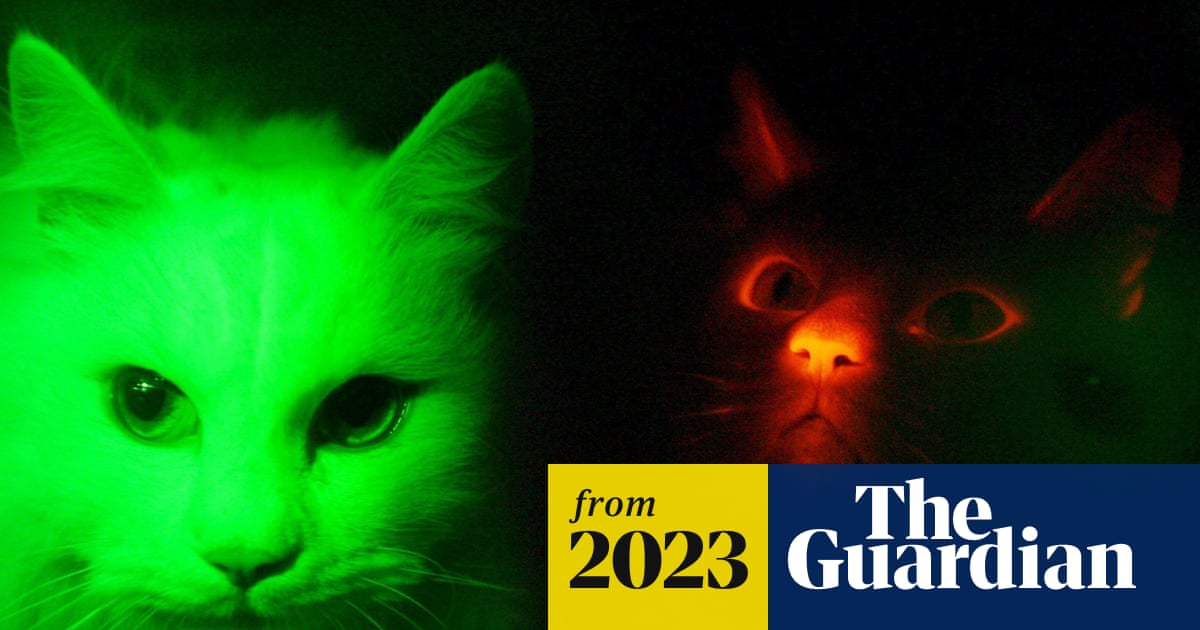
Have you ever noticed your cat moving confidently in complete darkness? This challenges the idea that they need extra light. Cats have excellent night vision thanks to their tapetum lucidum, a layer behind their retinas that reflects light and enhances their sight in low-light conditions.
Debunking Misunderstandings
Contrary to popular belief, cats do not require light to feel safe or find their way at night. In fact, constant exposure to artificial light can disrupt their natural sleep cycle. Your cat’s body is adapted to low-light environments, allowing them to rest and hunt effectively during nighttime.
Leaving a light on might disturb your cat more than help. Some cats prefer complete darkness for their deep sleep, while others might be neutral. Observe your cat’s behavior—if they seem restless or avoid a lit room, it’s a sign that darkness suits them better.
What if your cat has trouble navigating due to age or health issues? In that case, a dim light or nightlight placed strategically can help without overwhelming them. But for a healthy cat, bright lights at night are unnecessary.
Credit: www.theguardian.com
Tips For Cat Owners
Providing the right environment for your cat at night helps keep them calm and safe. Cats have unique needs in low light, and small changes can make a big difference. Here are some practical tips to help you create a comfortable space for your feline friend during nighttime hours.
Creating A Safe Nighttime Environment
Keep your cat’s favorite resting spots cozy and quiet. Remove sharp objects or items they could knock over in the dark. Make sure windows and doors are secure to prevent escapes. Provide soft bedding near their usual sleeping area. This helps them feel safe and relaxed at night.
- Place food and water in easy-to-find spots
- Keep litter boxes clean and accessible
- Remove cords or small objects that pose hazards
- Ensure pets have a quiet space away from loud noises
Using Night Lights Effectively
Night lights help cats see without harsh brightness. Choose soft, warm-colored lights to avoid disturbing their sleep. Position lights near feeding areas or litter boxes for easy navigation. Avoid strong overhead lights that can stress cats.
- Use LED night lights for low energy use
- Place lights low to the ground for better visibility
- Consider motion-activated lights for convenience
- Test light placement to prevent glare in your cat’s eyes
Frequently Asked Questions
Do Cats Need Light To Sleep At Night?
Cats do not need light to sleep. They are crepuscular animals, active mostly at dawn and dusk. Darkness helps them rest better and maintain a healthy sleep cycle.
Can Too Much Light Harm Cats At Night?
Yes, excessive light can disrupt a cat’s natural sleep pattern. It may cause stress and affect their overall health. Cats prefer dim or no light for restful nights.
Should I Leave A Night Light For My Cat?
A dim night light can help if your cat is anxious or older. It provides comfort without disturbing their sleep. Bright lights, however, are unnecessary and can be harmful.
How Does Night Light Affect A Cat’s Behavior?
Night light can alter a cat’s hunting and resting habits. Bright light can make them restless or confused. Dim lighting is best to keep their natural rhythm intact.
Conclusion
Cats see well in low light, so they do not need bright lights. Soft night lights can help you find your pet safely. Too much light may disturb your cat’s sleep and rest. Let your cat choose where to sleep and rest at night.
Quiet and calm spaces work best for them to feel safe. Remember, every cat is different and may prefer different lighting. Watch your cat’s behavior to know what suits them best. Simple care keeps your cat happy and comfortable at night.
