

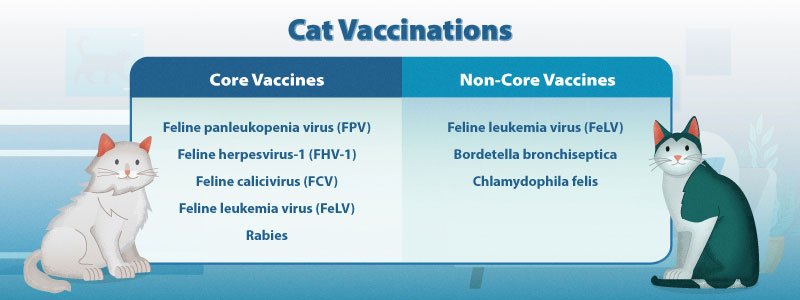
Are you wondering if your cat really needs the leukemia vaccine? You want the best for your furry friend, but making the right health choices can feel confusing.
Leukemia is a serious illness that can affect cats, and understanding whether this vaccine is necessary could protect your pet’s life. Keep reading to discover what the vaccine does, who should get it, and how it can keep your cat safe and healthy.
This simple knowledge could make a big difference for your beloved companion.
What Is Feline Leukemia?
Feline leukemia is a serious disease affecting cats worldwide. It weakens their immune system and can cause many health problems. Understanding this illness helps cat owners make better care choices.
What Is Feline Leukemia Virus?
Feline leukemia virus (FeLV) is a virus that infects cats. It spreads through saliva, blood, and close contact. Infected cats can pass it to others during grooming or sharing food bowls.
How Does Feline Leukemia Affect Cats?
The virus attacks the cat’s immune system. It lowers the cat’s ability to fight infections. This leads to illnesses like anemia, cancer, and other serious conditions.
Who Is At Risk For Feline Leukemia?
Cats that go outdoors or live with infected cats face higher risks. Young cats and those with weak immune systems are more vulnerable. Indoor cats with no contact with infected cats have lower risk.
Signs And Symptoms Of Feline Leukemia
- Weight loss
- Fever
- Weakness
- Swollen lymph nodes
- Loss of appetite
- Respiratory problems
Symptoms may appear slowly or suddenly. Some cats show no signs for a long time.
Credit: triangleanimalclinic.com
Transmission Of Feline Leukemia
Feline Leukemia Virus (FeLV) spreads in ways that might surprise you. Understanding how this virus moves from one cat to another is key to protecting your furry friend. The virus does not float around freely in the air; it needs close contact to jump hosts.
Direct Contact Between Cats
FeLV mainly spreads through saliva and nasal secretions. Cats groom each other, share food and water bowls, and often engage in behaviors that involve close face-to-face contact. If your cat spends time with others that might be infected, the risk increases significantly.
Think about your own experiences with your cat’s social habits. Does your cat have free access to neighborhood cats or play regularly with others? This behavior could expose them to FeLV without you realizing it.
Transmission Through Bites And Scratches
FeLV can also spread through bite wounds. Aggressive encounters between cats, especially outdoor or feral ones, can lead to the exchange of infected blood. Even a small scratch might carry enough virus to infect another cat.
Have you noticed your cat getting into fights or rough play? This is a direct pathway for the virus and a reason to monitor your cat’s interactions closely.
From Mother To Kitten
Infected mother cats can pass FeLV to their kittens. This happens during pregnancy, birth, or through nursing. The early exposure can affect the kitten’s immune system severely, making vaccination and early testing essential.
If you are expecting kittens or have a pregnant cat, consider how this transmission route might affect your decision about vaccination and vet visits.
Less Common Ways Of Transmission
- Shared litter boxes can harbor saliva or nasal secretions containing the virus.
- Contact with contaminated objects like collars or toys might pose a minor risk.
- Blood transfusions from infected cats are a rare but possible source.
Are your cats sharing spaces and items that could be contaminated? Small actions like cleaning bowls and litter boxes regularly can reduce these risks.
Symptoms And Health Impact
Understanding the symptoms and health impact of feline leukemia virus (FeLV) is crucial if you want to protect your cat effectively. This virus can silently affect your cat’s immune system, leading to serious health problems over time. Recognizing early signs can help you take action before the disease worsens.
Early Symptoms Of Feline Leukemia
Symptoms often start subtly and can easily be mistaken for other illnesses. You might notice your cat feeling tired more than usual or losing weight without explanation.
- Loss of appetite
- Fever and swollen lymph nodes
- Pale gums or signs of anemia
- Persistent diarrhea or respiratory issues
Have you ever seen your cat become unusually lethargic or lose interest in play? These could be red flags indicating FeLV infection.
How Feline Leukemia Affects Your Cat’s Health
FeLV attacks the immune system, making it harder for your cat to fight off other infections. This increases vulnerability to bacteria, viruses, and even cancer.
Over time, the virus can lead to severe conditions like anemia or lymphoma, drastically reducing your cat’s quality of life.
Imagine your cat’s body constantly battling illnesses that it would normally handle easily. This is why early detection and prevention matter so much.
Long-term Impact And Quality Of Life
Once infected, cats may live a few years but often suffer from chronic health issues. Regular vet check-ups become essential to manage symptoms and maintain comfort.
Some cats show no symptoms for a while, but the virus can still cause internal damage silently. This hidden threat makes vaccination and testing critical.
Would you want your cat to face a lifetime of health struggles that could have been prevented?

Credit: millsanimalhospital.com
Vaccine Overview
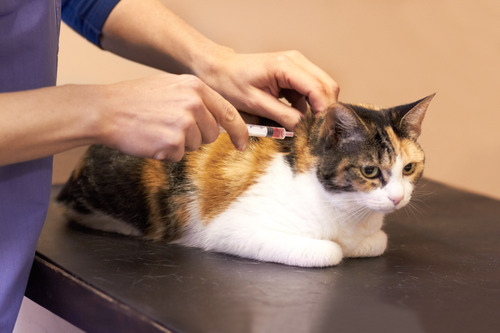
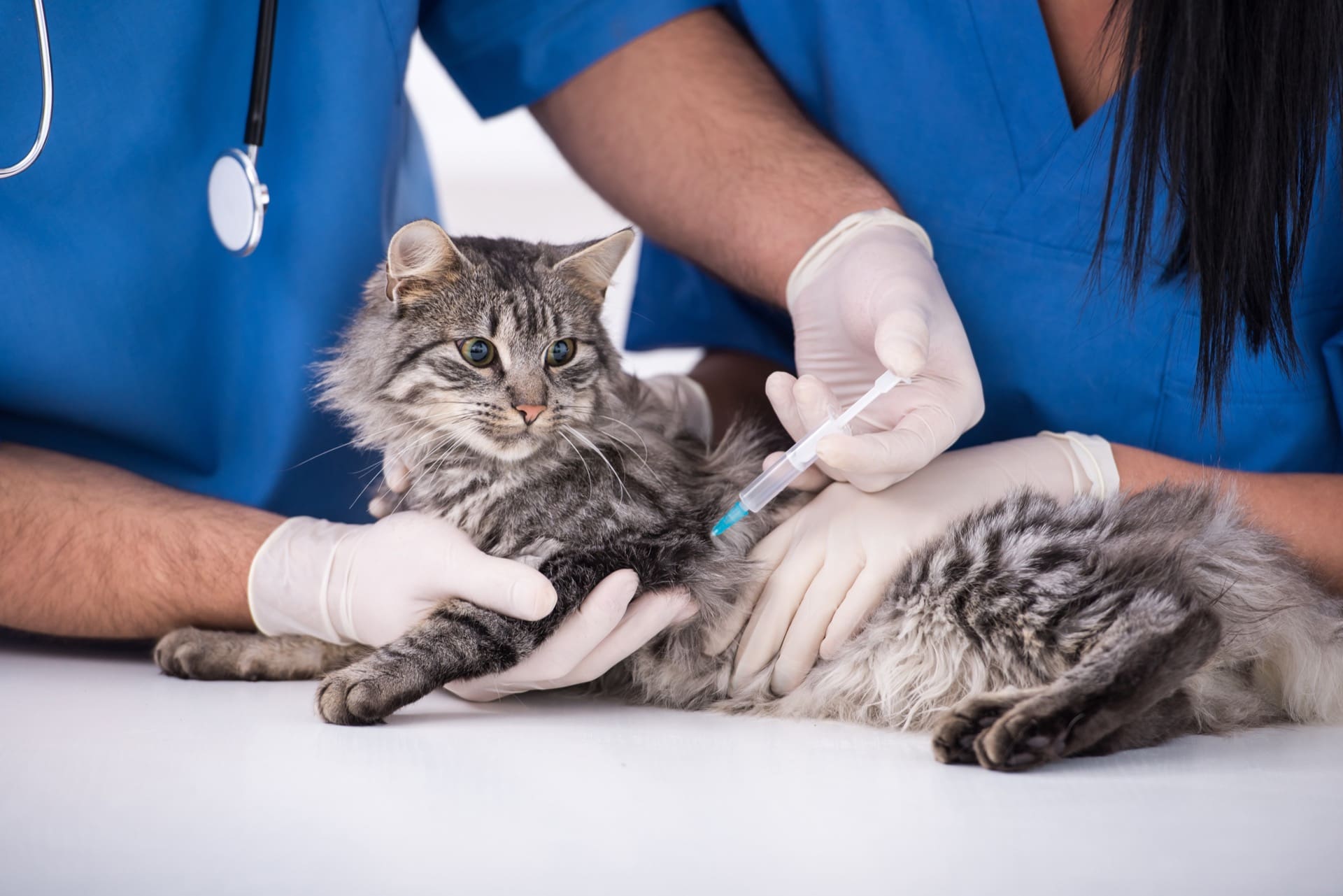
The feline leukemia vaccine helps protect cats from a serious virus. This virus can cause sickness and even death in cats. The vaccine works by teaching the cat’s immune system to fight the virus.
Understanding the vaccine is important for cat owners. It helps decide if the vaccine is right for your cat’s health needs. Below are key points about the feline leukemia vaccine.
What Is The Feline Leukemia Virus?
The virus spreads easily between cats. It affects the cat’s blood and immune system. Infected cats can become very sick over time.
How Does The Vaccine Work?
The vaccine uses a small, safe part of the virus. It trains the cat’s body to recognize and fight the virus. This helps prevent infection or lowers the chance of severe illness.
Who Should Get The Vaccine?
- Cats that go outdoors often
- Cats living with other infected cats
- Kittens before they meet other cats
- Cats at risk of contact with stray or unknown cats
Vaccination Schedule
Kittens usually get two shots, a few weeks apart. After this, yearly boosters keep the protection strong. Your vet will suggest the best timing for your cat.
Who Should Consider Vaccination?
Deciding who should get the feline leukemia vaccine is important for your cat’s health. Not all cats need this vaccine. It depends on their lifestyle and risk of exposure. Understanding who benefits most helps keep cats safe without unnecessary shots.
Outdoor Cats
Cats that spend time outside face higher risks of catching feline leukemia virus. They may meet other cats that carry the disease. Vaccination helps protect these cats from infection and serious illness.
Cats In Multi-cat Households
Living with many cats can increase the chance of disease spread. If one cat gets infected, others may catch it too. Vaccinating all cats reduces this risk and keeps the group healthier.
Kittens And Young Cats
Young cats have weaker immune systems. The vaccine helps build their defense early on. Kittens especially benefit from early protection before they explore outdoors or meet other cats.
Cats With Unknown History
If you adopt a cat with no clear vaccine record, vaccination may be wise. This ensures protection against feline leukemia. A vet can test for the virus before vaccination.
Cats In High-risk Areas
Some places have higher rates of feline leukemia. Cats living in these areas face greater danger. Vaccination helps lower their chance of infection in these regions.
Credit: spallandharveyanimalhospital.ca
Vaccine Effectiveness
Understanding the effectiveness of the feline leukemia vaccine can help you make informed decisions about your cat’s health. The vaccine doesn’t guarantee absolute protection, but it significantly lowers the risk of your cat contracting this serious virus. Let’s look at what the vaccine can realistically do and when it works best.
How Well Does The Vaccine Protect Your Cat?
The leukemia vaccine is designed to stimulate your cat’s immune system to fight off the virus. While it doesn’t provide 100% immunity, it greatly reduces the chances of infection, especially in cats exposed to the virus through close contact with infected cats.
Vaccinated cats that do get infected often experience milder symptoms and a slower disease progression. This means the vaccine not only helps prevent illness but can also improve your cat’s quality of life if exposure occurs.
Duration Of Immunity
One common question is how long the vaccine’s protection lasts. Typically, the feline leukemia vaccine provides immunity for about one year, which is why annual boosters are recommended.
Missing booster shots can leave your cat vulnerable again. Keeping up with the vaccination schedule maximizes the vaccine’s effectiveness and keeps your cat safe over time.
Factors That Affect Vaccine Success
- Age of your cat:Kittens often respond well, but very young or older cats might have weaker immune responses.
- Overall health:Cats with compromised immune systems may not develop strong protection even after vaccination.
- Exposure risk:Indoor cats with no contact with other cats might have less need for the vaccine compared to outdoor or multi-cat household cats.
Considering these factors can help you decide if the vaccine is right for your cat. Have you noticed how your vet tailors vaccine advice based on your cat’s lifestyle?
Potential Side Effects
Understanding the potential side effects of the leukemia vaccine is crucial before deciding if it’s right for your cat. While vaccines are designed to protect, they can sometimes cause reactions that you should be aware of. Knowing what to watch for helps you keep your furry friend safe and comfortable after vaccination.
Common Mild Reactions
Most cats experience mild side effects that go away quickly. These can include:
- Swelling or soreness at the injection site
- Temporary lethargy or reduced appetite
- Sneezing or mild fever
These symptoms usually last less than 48 hours and don’t require special treatment. If you notice your cat is unusually tired or off food for more than a day, it’s a good idea to consult your vet.
Serious But Rare Side Effects
Serious reactions are uncommon but possible. They might include:
- Severe allergic reactions such as difficulty breathing or swelling of the face
- Lumps or tumors at the injection site
- Persistent vomiting or diarrhea
If your cat shows any of these signs, seek veterinary care immediately. Early action can prevent complications and ensure your cat’s health.
How To Monitor Your Cat After Vaccination
Keep a close eye on your cat for at least 72 hours post-vaccine. Check the injection spot daily for lumps or redness. Observe your cat’s behavior, appetite, and bathroom habits for any changes.
Have a plan in place to contact your vet quickly if you notice anything unusual. Your attentiveness can make a big difference in your cat’s recovery.
Frequency And Schedule
Understanding the right frequency and schedule for the feline leukemia vaccine can save your cat from unnecessary risks while keeping them protected. The timing is crucial because the vaccine’s effectiveness depends on following the recommended intervals. Skipping or delaying doses may reduce your cat’s immunity against this serious disease.
Initial Vaccination Series
Kittens usually start the leukemia vaccine at about 8 to 12 weeks old. They need two doses spaced 3 to 4 weeks apart for the best protection. This two-step process builds a strong immune response early in life.
I once delayed my cat’s second shot by a month because of a busy schedule. It made me realize how easy it is to disrupt this critical timing and potentially lower the vaccine’s effectiveness.
Booster Shots For Adult Cats
After the initial series, adult cats require booster shots to maintain immunity. Most veterinarians recommend a yearly booster, especially for outdoor cats or those in multi-cat environments. Indoor cats with no exposure to other cats might need boosters less often, but always check with your vet.
Adjusting The Schedule Based On Risk
Not every cat needs the leukemia vaccine on the same timeline. If your cat lives strictly indoors and has no contact with potentially infected cats, your vet might suggest a different schedule. On the other hand, cats that roam outside or live with infected cats need more frequent vaccination and monitoring.
- Discuss your cat’s lifestyle openly with your vet.
- Ask about risks specific to your area.
- Make a schedule that fits your cat’s needs and your routine.
How often are you reviewing your cat’s vaccine schedule? Staying proactive can make a big difference in your cat’s health.
Cost Considerations
Understanding the cost of the feline leukemia vaccine helps you make informed choices for your cat’s health. Vaccination expenses can vary widely depending on where you live, the vet clinic, and your cat’s specific needs. It’s important to weigh these costs against the benefits and risks involved.
Factors That Influence Vaccine Costs
Prices differ based on several factors. Your location plays a big role; urban clinics often charge more than rural ones. The type of vaccine used and whether your cat needs additional shots or boosters also affect the total cost.
- Clinic fees and consultation charges
- Vaccine brand and type
- Number of doses required
- Additional tests or treatments recommended
Comparing Vaccine Costs To Potential Medical Bills
Think about the cost of the vaccine as a preventive investment. Treating feline leukemia can be expensive and emotionally draining. A single vaccination could save you hundreds or even thousands in future veterinary bills and improve your cat’s quality of life.
Have you ever faced unexpected medical expenses for your pet? Investing in prevention often prevents bigger bills later.
Budget-friendly Tips For Vaccination
You don’t have to break the bank to protect your cat. Look for low-cost vaccination clinics or ask your vet if they offer discounts for multiple pets. Some animal shelters and community programs also provide affordable vaccines.
- Schedule vaccinations during community pet health events
- Discuss payment plans with your vet
- Keep track of vaccination schedules to avoid extra doses
Knowing your options can help you protect your cat without stretching your budget. What strategies have you used to manage your pet’s health costs?
Consulting Your Veterinarian
Talking to your veterinarian is key when deciding if your cat needs the leukemia vaccine. Each cat’s lifestyle and health history are different, so what works for one might not be right for another. Your vet has the knowledge and experience to help you make the best choice for your furry friend.
Understanding Your Cat’s Risk Factors
Your vet will ask questions about your cat’s daily routine. Do they go outside? Do they interact with other cats? These details help determine the risk of exposure to feline leukemia virus (FeLV).
Indoor cats with no contact with other cats often have a lower risk. Outdoor cats or those in multi-cat households face higher chances of infection.
Assessing Your Cat’s Health Status
Before vaccination, your vet may recommend testing your cat for FeLV. Vaccinating an already infected cat won’t help and might cause complications. Knowing your cat’s current health status ensures the vaccine is safe and effective.
Discussing Vaccine Benefits And Possible Side Effects
Your vet will explain how the vaccine works and what protection it offers. They’ll also share potential side effects, like mild fever or soreness at the injection site.
It’s important you understand both the benefits and risks. This will help you feel confident about the decision to vaccinate or not.
Planning A Vaccination Schedule
If vaccination is recommended, your vet will set up a timeline. The initial series usually involves two shots a few weeks apart, followed by regular boosters.
Sticking to this schedule is crucial to keep your cat protected over time. Your vet can also remind you when it’s time for the next dose.
Answering Your Questions And Concerns
Don’t hesitate to ask your vet anything that’s on your mind. Whether it’s about the vaccine itself or your cat’s overall health, your vet is there to guide you.
Clear communication helps build trust and ensures your cat gets the best care possible. What questions do you have about your cat’s health today?
Frequently Asked Questions
Do All Cats Need A Leukemia Vaccine?
Not all cats need the leukemia vaccine. It’s mainly recommended for outdoor or high-risk cats exposed to other cats. Indoor cats with no contact to infected cats usually don’t require it. Consult your vet to assess your cat’s specific risk before vaccinating.
How Does The Feline Leukemia Vaccine Work?
The vaccine helps the cat’s immune system recognize and fight the feline leukemia virus. It reduces the risk of infection and severe illness. Vaccination doesn’t guarantee complete immunity but significantly lowers chances of contracting the disease.
When Should Cats Get The Leukemia Vaccine?
Kittens should start the vaccine series at 8-12 weeks old with boosters after. Adult cats should get vaccinated if at risk or exposed. Your vet will recommend the best schedule based on your cat’s lifestyle and health.
Are There Any Side Effects Of The Leukemia Vaccine?
Side effects are rare but may include mild fever, soreness, or lethargy. Serious reactions are very uncommon. Most cats tolerate the vaccine well, and benefits outweigh the risks for at-risk cats.
Conclusion
Cats can benefit from the leukemia vaccine, especially if they go outside. This vaccine helps protect them from a serious illness. Talk to your vet to see if your cat needs it. Some cats face higher risks due to age or environment.
Vaccination is a simple step to keep your cat healthy. Protecting your pet shows you care. Remember, a healthy cat is a happy cat. Keep their well-being your top priority.
