

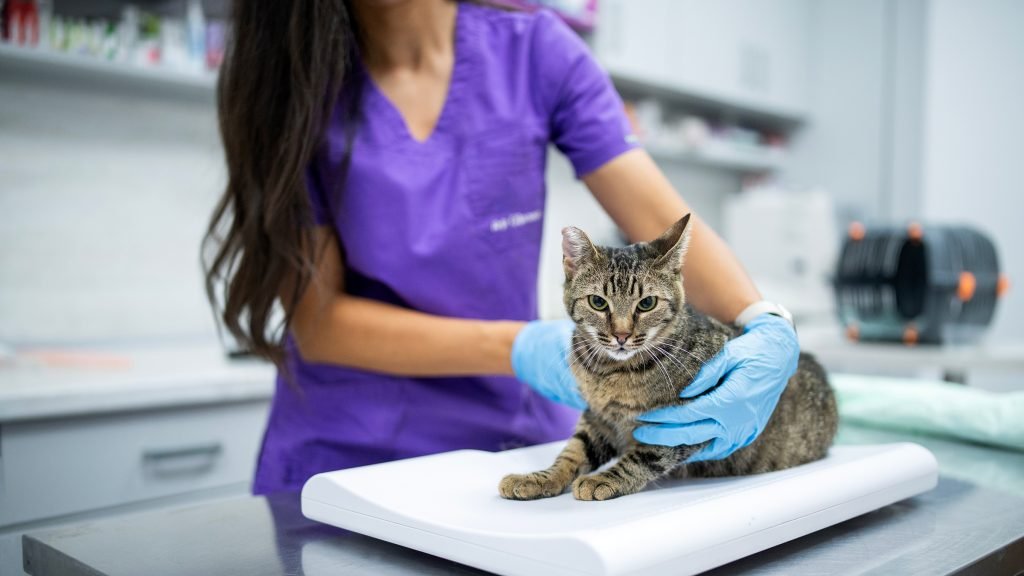
Are you wondering if your cat really needs injections? It’s a question many pet owners ask but don’t always get clear answers to.
You want the best for your furry friend, and understanding why injections matter can make a big difference in their health and happiness. You’ll discover the truth about cat injections, why they’re important, and how they protect your pet from serious illnesses.
Keep reading—your cat’s well-being depends on it.
Why Injections Matter
Injections play a crucial role in a cat’s health. They help protect against various diseases. A simple injection can save a cat’s life. Many cat owners wonder if injections are necessary. Understanding their importance can help make informed decisions.
Role Of Vaccinations
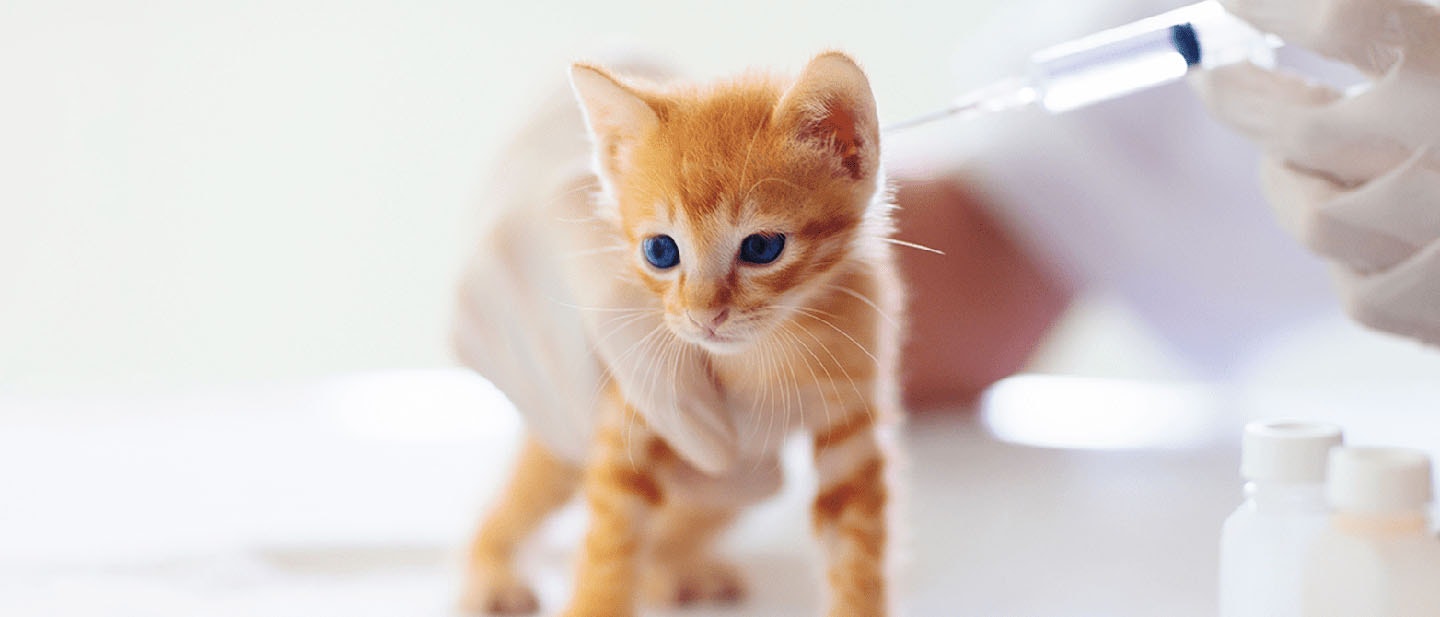
Vaccinations act as a shield for cats. They prepare the immune system to fight infections. Without vaccines, cats are vulnerable to serious illnesses. Vaccines are a proactive step in pet care. They ensure a longer, healthier life for cats.
Common Diseases Prevented
Vaccinations prevent many common cat diseases. These include feline distemper, rabies, and feline leukemia. Each of these diseases can be deadly. Vaccines significantly reduce the risk of infection. Protecting cats from these diseases is essential.
Boosters And Timing
Booster shots maintain vaccine effectiveness. They help refresh the immune system’s memory. Timing is crucial for boosters. Veterinarians recommend specific schedules. Following these schedules ensures continued protection. Regular vet visits help track these timings.
Credit: www.whiskas.com.ph
Types Of Injections For Cats
Cats need different types of injections to stay healthy. These shots protect them from serious diseases. Some injections are essential for every cat. Others depend on the cat’s lifestyle and health risks. Understanding these types helps owners keep their cats safe.
Core Vaccines
Core vaccines protect cats from common, dangerous diseases. These vaccines are recommended for all cats.
- Rabies:Protects against a deadly virus that affects the brain.
- Feline Panleukopenia:Prevents a severe viral infection causing sudden illness.
- Feline Herpesvirus and Calicivirus:Protects against respiratory infections and mouth ulcers.
These vaccines are usually given in a series when cats are kittens. Adults get booster shots to maintain protection.
Non-core Vaccines
Non-core vaccines suit cats with special risks. They depend on where the cat lives and its lifestyle.
- Feline Leukemia Virus (FeLV):For cats that go outside or meet other cats.
- Bordetella:Protects against a bacterial respiratory disease common in shelters.
- Chlamydia:Prevents an infection causing eye and respiratory problems.
Your vet helps decide if these vaccines are needed for your cat.
Other Injectable Treatments
Besides vaccines, cats may need other injections. These include treatments for health conditions or emergencies.
- Antibiotics:Fight bacterial infections quickly and effectively.
- Anti-inflammatory drugs:Reduce pain and swelling from injuries or illness.
- Fluids:Help with dehydration during sickness or after surgery.
These injections support your cat’s recovery and improve well-being.
Signs Your Cat Needs An Injection
Knowing when your cat needs an injection can make a big difference in their health and comfort. Injections often help treat illnesses, prevent diseases, and support overall wellness. Spotting the right signs early ensures your furry friend gets timely care.
Symptoms Of Illness
Your cat may show clear signs that an injection is needed when they feel unwell. Look out for symptoms like persistent vomiting, diarrhea, or sudden loss of appetite. If your cat is lethargic, hiding more than usual, or has trouble breathing, these could be serious warning signs.
Sometimes, subtle changes like excessive drooling or swollen areas on the body indicate infections that need injectable medication. Have you noticed your cat limping or scratching a spot until it bleeds? These behaviors often mean pain or infection that might require an injection.
Routine Health Checks
Even if your cat looks healthy, routine vet visits often call for injections to keep diseases at bay. Vaccinations against common feline illnesses like rabies or feline leukemia are crucial preventive measures. These shots protect your cat before they even get sick.
During these checkups, vets may recommend booster injections to maintain your cat’s immunity. Keeping up with these scheduled injections can save you from costly treatments later. Have you kept a record of your cat’s vaccination history to avoid missing important shots?
Veterinary Recommendations
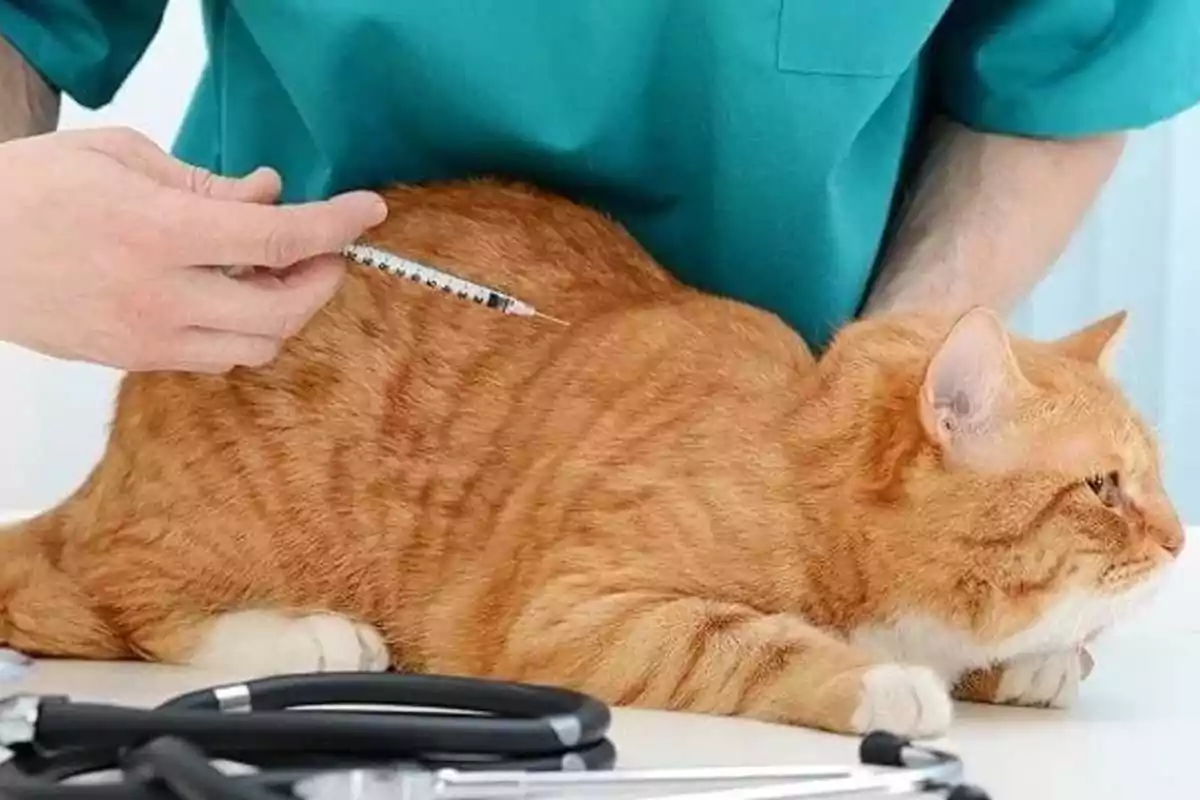
Your vet knows exactly when your cat needs an injection based on their age, lifestyle, and health status. Older cats or those with chronic conditions might require regular injectable medications, such as insulin for diabetes. Following your vet’s advice ensures your cat receives the right treatment at the right time.
Sometimes, your vet might suggest injections for pain relief after surgery or injury. Trusting their expertise can speed up your cat’s recovery and reduce discomfort. Are you open to discussing all treatment options with your vet, including injections, to provide the best care?
Credit: derechadiario.com.ar
Injection Safety And Side Effects
Injection safety is important for every cat owner to understand. Injections help protect cats from diseases and keep them healthy. Like any medical procedure, injections can cause side effects. Knowing what to expect helps owners act quickly if problems arise.
Most cats tolerate injections well. Side effects tend to be mild and short-lived. A safe environment and skilled veterinary care reduce risks. Monitoring your cat after an injection is key to spotting any issues early.
Common Reactions
- Mild swelling or redness at the injection site
- Temporary soreness or tenderness
- Minor lethargy or tiredness for a day
- Loss of appetite for a short time
- Occasional mild fever
These reactions usually disappear within 24 to 48 hours. They show the cat’s immune system is responding to the vaccine or medication.
When To Seek Help
- Severe swelling or lumps that grow larger
- Persistent vomiting or diarrhea
- Difficulty breathing or wheezing
- Uncontrollable shaking or seizures
- Sudden collapse or unconsciousness
Seek veterinary care immediately if any of these signs appear. Early treatment prevents complications and ensures your cat’s safety.
Myths About Cat Injections
- “Injections always cause pain.” Cats feel brief discomfort only.
- “Vaccines make cats sick.” Mild symptoms are normal and short.
- “Cats don’t need injections.” Vaccines prevent many dangerous diseases.
- “Multiple shots at once harm cats.” Vets use safe combinations carefully.
Understanding facts helps owners make informed choices. Trust your vet’s advice for your cat’s health.
Preparing Your Cat For Injections
Preparing your cat for injections can make a big difference in how smoothly the experience goes—for both of you. Cats can sense tension, so calming your pet ahead of time helps reduce their anxiety and makes the process easier. Let’s look at practical steps to help your cat feel more comfortable before, during, and after injections.
Reducing Stress
Stress can make injections more difficult and traumatic for your cat. Try to create a calm environment by speaking softly and moving slowly around them. You might want to use a familiar blanket or toy to provide comfort and a sense of security.
Have you noticed how your cat reacts to sudden noises or strangers? Minimizing those triggers before the visit can lower stress significantly. You can also try gentle petting or soft brushing to relax your cat while waiting at home or in the car.
Transport Tips
Getting your cat to the vet without a fuss starts with the right carrier. Choose one that’s sturdy, well-ventilated, and big enough for your cat to turn around in comfortably. Adding a favorite towel or bed inside can make it feel like a safe space.
- Cover the carrier with a light cloth to block out visual stimuli during the trip.
- Keep the carrier steady and avoid sudden movements or loud noises in the car.
- Talk softly to your cat during transport to reassure them.
What small change could you make to your transport routine that might help your cat feel less afraid? Even a tiny adjustment can improve the experience.
Aftercare At Home
Once you’re back home, your cat needs some extra attention to recover comfortably from the injection. Provide a quiet, cozy spot where they can rest undisturbed. Keep an eye on the injection site for any redness or swelling.
If your cat seems restless or uncomfortable, try gentle petting or soothing words. Offering their favorite treats can also help distract them and associate the experience with something positive.
Have you ever noticed subtle changes in your cat’s behavior after a vet visit? Observing these signs closely helps you catch any issues early and ensures your cat stays healthy and happy.
Frequency And Scheduling
Vaccinations are vital to protect cats from many diseases. The frequency and timing of injections depend on the cat’s age and lifestyle. Keeping a proper schedule ensures your cat stays healthy and safe. Understanding the differences in schedules helps pet owners prepare better for their cat’s needs.
Kitten Vs Adult Schedules
Kittens need several injections in their first few months. This builds their immunity step by step. Usually, kittens get shots every 3 to 4 weeks until they are about 16 weeks old. After this, a booster shot is often given at one year.
Adult cats require fewer injections than kittens. Most adult cats get yearly boosters to keep their immunity strong. Some vaccines may need a shot every three years. Your vet will guide you on the right timing for your adult cat.
Annual Check-ups
Yearly vet visits are important even if your cat seems healthy. These visits include vaccinations, health exams, and updates on any new risks. The vet can spot early signs of illness and recommend needed shots. Staying on schedule helps prevent many common cat diseases.
Travel And Boarding Requirements
Traveling or boarding your cat may require extra vaccinations. Many places ask for proof of current shots. This protects your cat and other animals in close contact. Check with the facility or airline about their vaccine rules ahead of time. Planning early avoids last-minute issues and stress for your cat.
Cost And Accessibility
Keeping your cat healthy often means regular injections. Vaccines and other shots protect cats from serious illnesses. Yet, cost and access to these injections can affect a pet owner’s decisions. Understanding the pricing and options helps plan better for your cat’s care.
Average Prices
Vaccination prices vary by location and clinic. Common vaccines usually cost between $20 and $50 per shot. Some injections, like rabies, might be cheaper or more expensive depending on the area. Additional fees for exams or booster shots may apply. Budgeting for these costs avoids surprises at the vet.
Low-cost Clinics
Many communities offer low-cost clinics for pet vaccinations. These clinics provide services at reduced prices to help pet owners. You can find mobile clinics or nonprofit organizations offering discounts. Scheduling ahead and checking local resources can save money on necessary shots.
Insurance Options
Pet insurance can cover some vaccination costs. Policies vary, but many include routine care benefits. Comparing plans helps find coverage that fits your budget. Insurance may reduce out-of-pocket expenses for injections and vet visits. Always read terms to know what shots are covered.

Credit: www.abcdcatsvets.org
Frequently Asked Questions
Do Cats Need Regular Vaccinations?
Yes, cats require regular vaccinations to protect against common diseases like rabies and feline leukemia. Vaccinations keep cats healthy and prevent serious illnesses.
How Often Should Cats Get Injections?
Cats typically need vaccinations once a year or every three years, depending on the vaccine type and vet advice. Regular boosters ensure lasting immunity.
Are Injections Safe For Cats?
Yes, injections are generally safe when administered by a vet. Mild side effects like soreness or slight fever may occur but usually resolve quickly.
What Diseases Do Cat Injections Prevent?
Cat injections prevent diseases such as rabies, feline distemper, and respiratory infections. Vaccinations help reduce the risk of life-threatening illnesses.
Conclusion
Cats need injections to stay healthy and safe. Vaccines protect them from many serious diseases. Regular shots help prevent illness and keep your cat strong. Talk to your vet to know which injections your cat needs. Keeping up with injections is part of good pet care.
It helps your cat live a longer, happier life. Never skip these important health steps. A healthy cat is a happy cat. Simple but important.
