

Are you wondering if your cat will need help when she goes into labor? Knowing what to expect can make a huge difference for both you and your furry friend.
Giving birth can be a natural process for cats, but sometimes things don’t go as smoothly as you hope. If you’re worried about your cat or want to be prepared for her big day, this guide will give you clear answers and simple tips.
Keep reading to find out when you should step in and how to make sure your cat and her kittens stay safe and healthy.
Credit: www.discovermagazine.com
Signs Of Labor In Cats
Recognizing the signs of labor in cats can help ensure a smooth birthing process. Cats often exhibit specific behaviors and physical changes as labor approaches. Understanding these signs allows pet owners to provide the necessary support and comfort. Awareness of timing and duration is also crucial. This ensures the cat gets timely assistance if needed.
Behavioral Changes
Cats may become more affectionate or seek solitude. They often show nesting behavior. You might notice them purring more than usual. They may also become restless, pacing or circling. Some cats refuse food or drink. These changes indicate labor might be near.
Physical Symptoms
Physical signs are crucial in identifying labor. Cats often start grooming themselves excessively. You might see milk leaking from their nipples. Their abdomen may appear larger and firmer. Some cats experience a drop in body temperature. This typically occurs 12-24 hours before labor. Watch for any discharge from the vulva. These physical changes signal labor is imminent.
Timing And Duration
Labor in cats typically lasts between 6 to 12 hours. It can vary depending on the cat. The first stage involves contractions, which may last several hours. During the second stage, kittens are born. This stage usually takes 5 to 30 minutes per kitten. The third stage involves the passing of the placenta. It’s essential to monitor the timing closely. Long delays between births may require veterinary assistance.
Preparing For The Birth
Preparing for a cat’s birth is important to keep her safe and calm. A well-planned space helps the mother focus on her kittens. Knowing what to do ahead of time lowers stress for both you and the cat.
Creating A Safe Nest
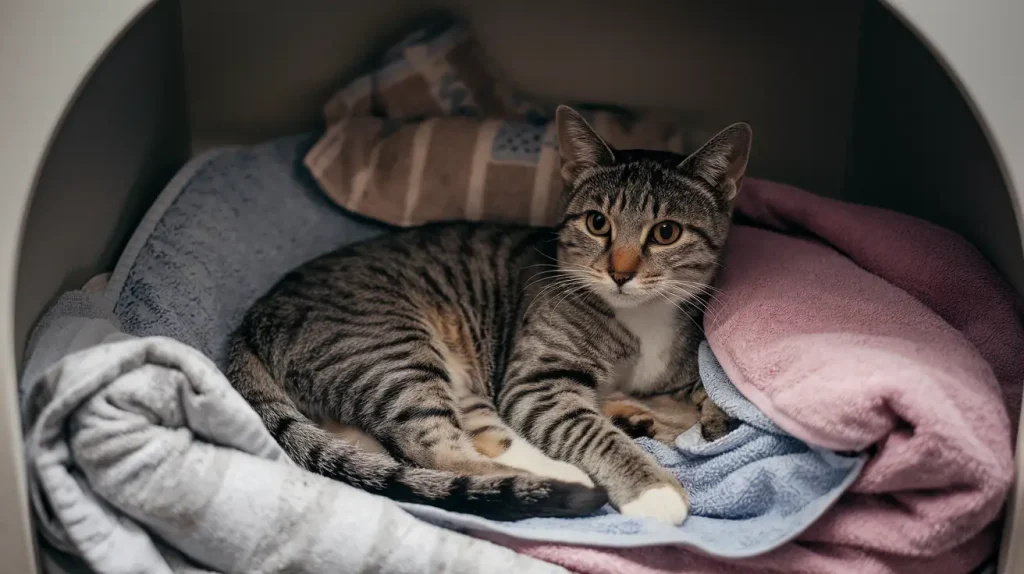
Choose a quiet, warm corner away from noise and pets. Use a box or a small room for the nest. Line it with soft towels or blankets. Keep the area clean and dry. The nest should feel cozy and secure to the cat.
Gathering Supplies
Have these items ready before the birth:
- Clean towels for drying kittens
- Scissors to cut umbilical cords if needed
- Gloves for hygiene
- Heating pad or warm water bottle for warmth
- Contact info for a vet in case of emergency
Setting A Calm Environment
Keep the room quiet and dimly lit. Avoid loud noises and sudden movements. Speak softly around the cat to reassure her. Limit visitors to reduce stress. A calm space helps the mother relax and focus on the birth.
When To Intervene
Knowing when to help a cat during birth is very important. Cats usually give birth without any problems. But sometimes, they need help to stay safe. Understanding the signs of trouble helps you decide when to step in. This keeps both the mother cat and kittens healthy.
Recognizing Complications
Watch for strong contractions lasting over 30 minutes without a kitten. If a kitten is stuck in the birth canal, the cat may strain hard but no kitten appears. A green or bloody discharge before the first kitten is a warning sign. Also, if the mother looks very tired, weak, or has trouble breathing, help may be needed. These signs show the mother is in distress and needs assistance.
Assisting During Delivery
Keep the area quiet and warm. Use clean hands and gentle touch if you must help. You can gently pull a kitten if it is stuck, but only after the mother has been pushing for 20-30 minutes. Clear the kitten’s nose and mouth to help it breathe. Avoid pulling too hard or too fast. Let the mother clean the kittens unless she cannot. Support the mother by offering water and staying calm.
Handling Emergency Situations
Call a vet if the mother has strong contractions for more than an hour without delivering a kitten. Seek emergency help if the mother bleeds heavily or passes out. A kitten stuck too long can die without quick help. Keep emergency numbers ready before labor begins. Acting fast saves lives in critical moments.
Credit: noblevetclinic.com
Post-birth Care
After a cat has given birth, the work of ensuring her and her kittens’ well-being has just begun. Post-birth care is crucial to help the mother recover and support the fragile lives of her newborns. Knowing what to watch for and how to provide care can make a big difference.
Caring For The Mother
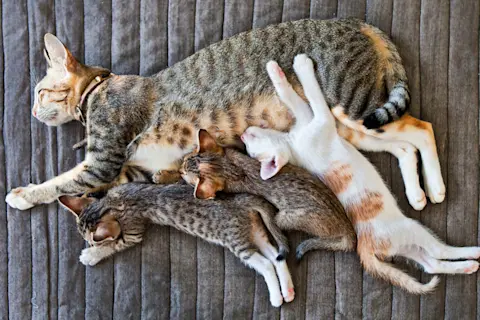
Your cat will be tired and hungry after labor. Offer her fresh water and nutritious food to replenish her energy. Keep her environment warm, quiet, and free from stress to help her relax.
Watch for signs of discomfort or unusual discharge. Some swelling and mild bleeding are normal, but heavy bleeding or foul smells need immediate attention. Remember, a calm mother means healthy kittens.
Monitoring Newborn Kittens
Newborn kittens need constant warmth and should be nursing regularly. Check that each kitten is feeding every two hours during the first day. If a kitten is weak or not latching on, it needs extra care.
Observe their breathing and movement closely. Kittens should be active and vocal when hungry but not excessively crying. Any lethargy or difficulty breathing can be a warning sign.
When To Contact A Veterinarian
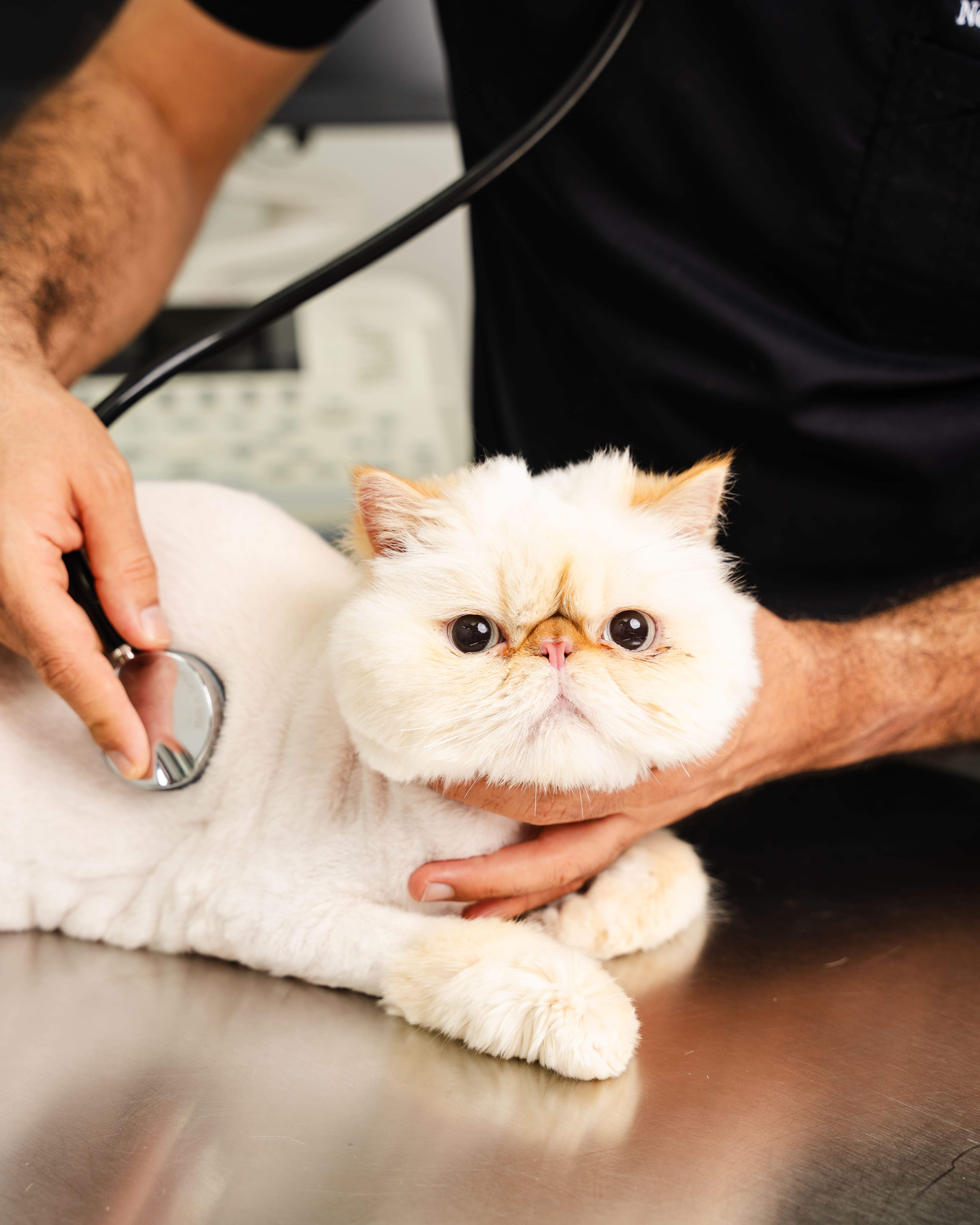
Knowing when to call the vet can save lives. Contact your veterinarian if the mother shows signs of fever, severe pain, or refuses to eat for more than 24 hours. Sudden weakness or collapse is an emergency.
For kittens, reach out if they aren’t nursing, have trouble breathing, or appear cold and unresponsive. Early intervention is key to preventing complications for both mother and kittens.
Common Birth Problems
Cat births usually go smoothly, but problems can happen. Knowing common birth issues helps owners act fast. Some problems need quick help to keep mom and kittens safe. Watch for signs of trouble during labor. Understanding these issues prepares you to support your cat properly.
Dystocia In Cats
Dystocia means difficult or slow labor. It happens when kittens get stuck or the mother cannot push them out. Causes include large kittens, small birth canal, or weak contractions. Signs of dystocia are long pauses between kittens or strong but ineffective straining. This problem needs veterinary care to avoid danger to mom and babies.
Stillbirths And Neonatal Issues
Sometimes kittens are born lifeless or very weak. Stillbirths can occur due to infections or poor health in the mother. Neonatal issues include weak breathing, low body temperature, or failure to nurse. These kittens need immediate warmth and care. Early attention increases their chances of survival.
Infections And Afterbirth Concerns
Infections after birth are serious risks. The mother can get uterine infections if the afterbirth is not fully expelled. Signs include fever, bad-smelling discharge, or refusal to eat. Retained placenta can cause infection and pain. Prompt vet treatment prevents complications and supports recovery.

Credit: www.youtube.com
Preventive Measures
Preventive measures play a key role in ensuring a smooth birthing process for cats. Taking steps before labor can reduce risks and help both the mother and kittens stay healthy. These measures focus on health, nutrition, and comfort throughout the pregnancy.
Regular Veterinary Checkups
Regular veterinary visits help monitor the cat’s health during pregnancy. The vet checks for signs of complications early. Vaccinations and parasite control keep the mother and babies safe. These appointments also allow for guidance on care and delivery.
Proper Nutrition During Pregnancy
A balanced diet supports the mother cat’s strength and the kittens’ growth. Feeding high-quality food rich in proteins and vitamins is important. Avoid sudden changes in diet to prevent stomach upset. Fresh water should always be available.
Stress Reduction Techniques
Stress can harm a pregnant cat and affect labor. Create a quiet, safe, and comfortable space for her. Limit loud noises and interruptions. Gentle petting and calm voices help her relax. Keeping her routine steady reduces anxiety.
Frequently Asked Questions
Do Cats Usually Need Help Giving Birth?
Most cats give birth without assistance. However, some may need help if labor is prolonged or complicated. Monitoring your cat closely ensures timely intervention if problems arise.
When Should I Help My Cat During Labor?
Help your cat if contractions last over two hours without progress. Also, assist if a kitten is stuck or if your cat seems distressed. Immediate veterinary care is essential in these cases.
What Signs Indicate A Cat Needs Birth Assistance?
Signs include strong contractions without kitten delivery, excessive bleeding, or visible distress. If your cat strains for over 30 minutes per kitten, seek help. These signs may indicate an emergency.
Can I Assist My Cat With Delivering Kittens Safely?
Yes, you can assist gently by clearing membranes or helping a stuck kitten. Use clean hands and a calm approach. Always call a vet if unsure or if complications occur.
Conclusion
Cats usually manage birth on their own without trouble. Still, watch closely for signs of distress or delay. Help is needed if labor lasts too long or kittens struggle. Keep a quiet, safe space for the mother cat. Have a vet’s contact ready, just in case.
Caring early can save lives and ease stress. Trust your instincts and act if something feels wrong. Support and patience make a big difference during birth.
