

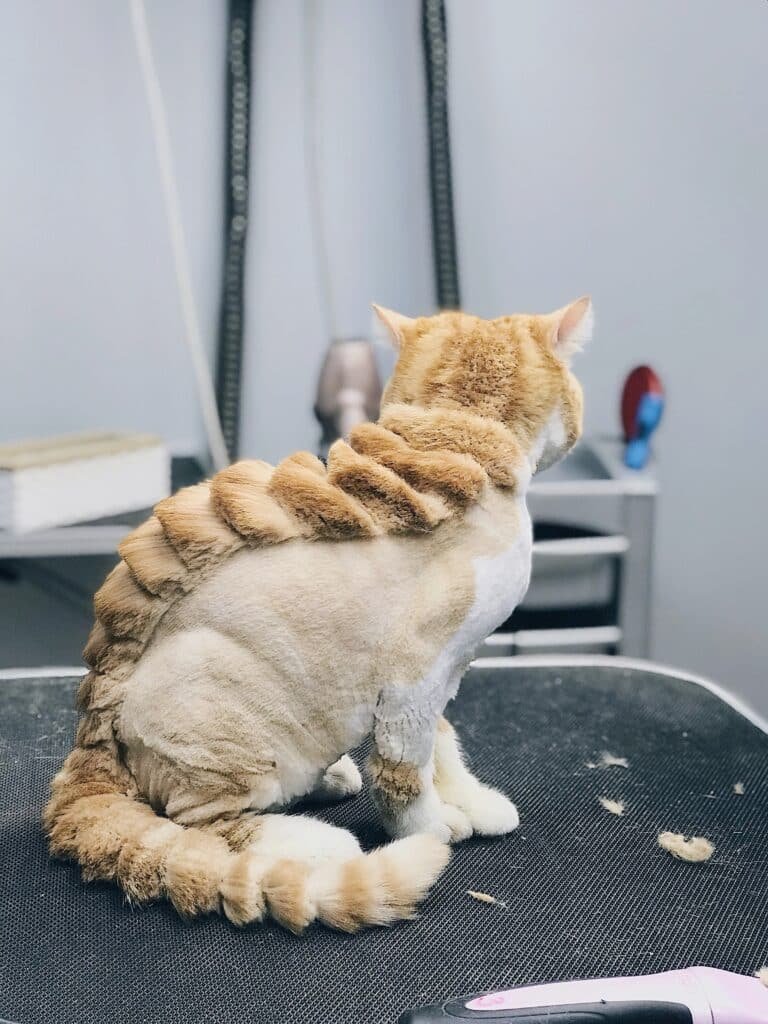
Have you ever wondered if your cat actually needs a haircut? You might be watching your furry friend’s fur grow longer and wondering whether trimming it is necessary or just a grooming fad.
The truth is, knowing when and why to cut your cat’s hair can make a big difference in their comfort and health. If you want to keep your cat happy, clean, and free from nasty mats, understanding the ins and outs of cat haircuts is a must.
Keep reading to discover everything you need to know before reaching for those scissors!
The Basics Of Cat Grooming
Cat grooming is essential for your pet’s health and happiness. It keeps their coat clean and free from mats. Regular grooming also helps reduce shedding and hairballs. Grooming sessions strengthen your bond with your cat. Understanding basic grooming helps you care for your cat better.
Brushing Your Cat’s Coat
Brushing removes loose fur and dirt. It prevents tangles and mats from forming. Use a brush suitable for your cat’s fur type. Long-haired cats need more frequent brushing than short-haired cats. Brushing also spreads natural oils, making the coat shiny.
Bathing Your Cat
Cats usually clean themselves well. Bathing is rarely needed unless your cat is very dirty. Use a mild shampoo made for cats. Rinse thoroughly to avoid skin irritation. Dry your cat gently with a towel after the bath.
Nail Trimming
Trimming nails prevents scratching damage and keeps claws healthy. Use special cat nail clippers. Trim just the sharp tip to avoid hurting the quick. Regular checks help maintain the right nail length.
Cleaning Ears And Eyes
Check ears for dirt or wax buildup. Use a damp cloth or vet-approved ear cleaner. Wipe eyes gently if you see discharge. Look for signs of infection like redness or swelling. Consult a vet if problems persist.
Credit: www.catsmeowresort.com
Understanding Cat Fur Types
Cat fur comes in different types that affect their grooming needs. Knowing these fur types helps decide if haircuts are needed. Each type has unique features that influence shedding and matting. Proper care depends on understanding these differences.
Short-haired Cats
Short-haired cats have smooth, dense fur. Their coat lies close to the skin. They shed less but still need regular brushing. Haircuts are rarely necessary for these cats. Brushing helps remove loose hair and prevents hairballs.
Long-haired Cats
Long-haired cats have thick, flowing coats. Their fur can tangle and form mats easily. These cats need frequent brushing to keep fur healthy. Haircuts can help manage mats and reduce shedding. Regular grooming supports comfort and cleanliness.
Hairless Breeds
Hairless breeds like the Sphynx have little or no fur. They do not need haircuts or brushing. Skin care is important to prevent oil build-up and dryness. Bathing regularly keeps their skin clean and healthy.
Benefits Of Grooming Your Cat
Grooming your cat offers many important benefits for their health and happiness. Regular care keeps their skin and coat in top shape. It also reduces problems like shedding and hairballs. Grooming sessions create special moments that strengthen the bond between you and your cat.
Promoting Healthy Skin And Coat
Brushing removes dirt and loose fur from your cat’s coat. It helps spread natural oils evenly. This keeps the fur shiny and soft. Grooming also prevents mats and tangles that can hurt your cat’s skin. Regular care reduces the risk of skin infections and irritations.
Reducing Shedding And Hairballs
Shedding is normal but can fill your home with fur. Grooming cuts down loose hair before it falls out. This keeps your house cleaner. Removing excess fur also stops hairballs from forming in your cat’s stomach. Hairballs can cause discomfort and digestion problems.
Strengthening The Bond With Your Cat
Grooming is a quiet time to connect with your cat. Gentle brushing helps your cat feel calm and safe. It builds trust and affection between you both. These moments improve your cat’s mood and make them feel loved.
Credit: cheezburger.com
Signs Your Cat Needs A Haircut
Knowing when your cat needs a haircut isn’t always obvious. Cats groom themselves, but sometimes their fur gets out of control. Watching for certain signs can help you decide if it’s time to trim their coat for comfort and health.
Matted Fur
Matted fur is one of the clearest signs your cat needs a haircut. These tight knots can pull on your cat’s skin and cause pain. If you notice clumps of fur that won’t brush out, it’s a red flag.
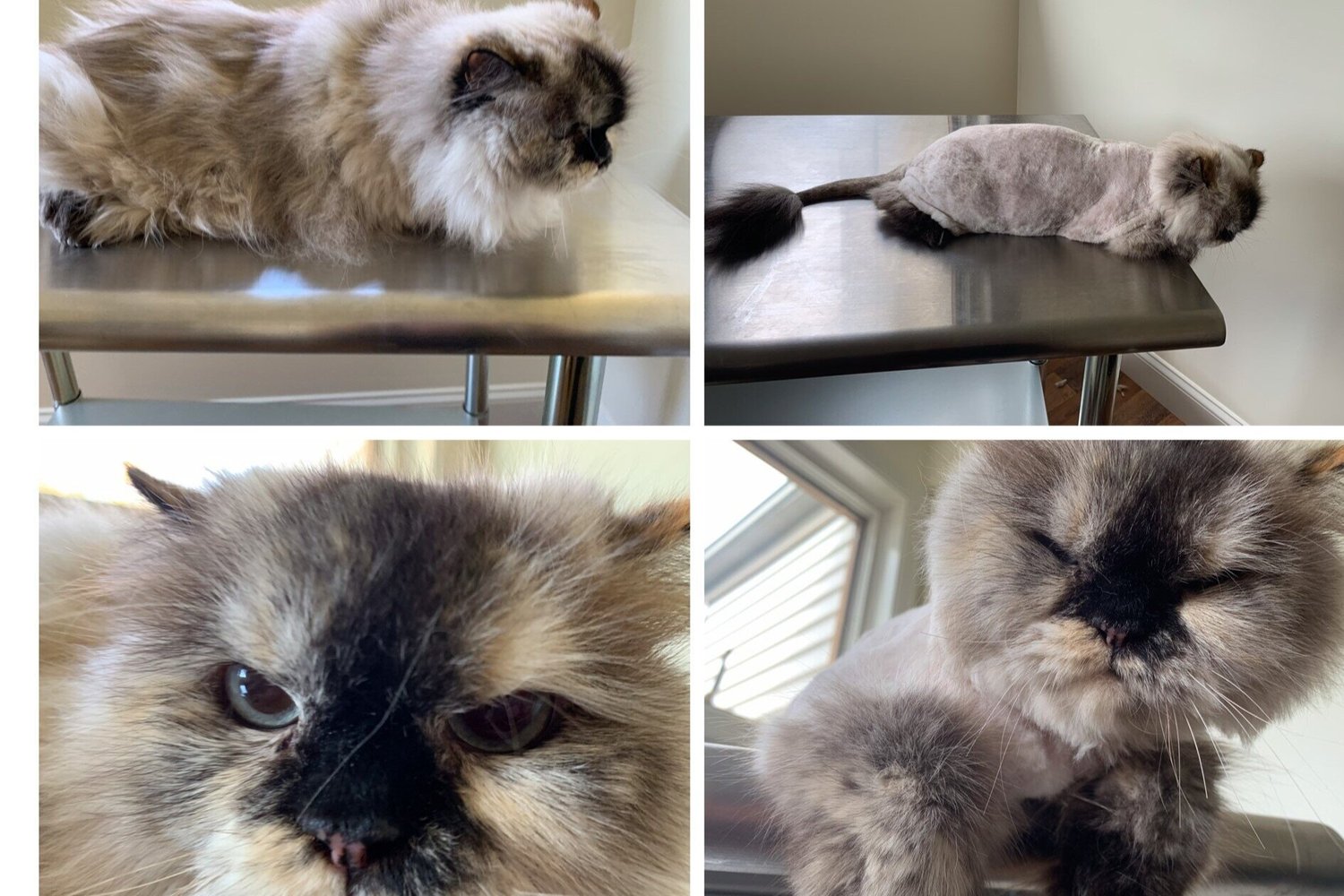
My own cat developed mats around her neck, and she started scratching more. After a professional trim, she was much happier and stopped fussing at those spots. Don’t wait too long—mats can lead to skin infections or restrict movement.
Excessive Shedding
Shedding is normal, but when fur starts piling up everywhere, a haircut might help manage it. Long-haired cats especially can leave hair all over your furniture and clothes. A trim reduces loose fur and makes cleanup easier.
Have you noticed more fur on your couch or in your vacuum bag? Your cat may benefit from a haircut during heavy shedding seasons to keep their coat neat and your home cleaner.
Seasonal Changes
As seasons change, your cat’s coat changes too. Thick winter coats can become uncomfortable in warmer months. A haircut helps your cat stay cool and prevents overheating.
When spring arrives, I always check if my cat’s coat looks too thick. A trim makes a big difference in their energy and comfort during hot days. Could your cat be overheating without you realizing it?
Tools And Techniques For Cat Grooming
Grooming a cat requires the right tools and techniques to keep their coat healthy and clean. Proper grooming also reduces shedding and prevents matting. Using the correct brush and clippers can make the process easier and more comfortable for your cat.
Understanding when to seek professional help is important. Some cats need special care beyond what you can provide at home.
Choosing The Right Brush
Selecting the proper brush depends on your cat’s fur type. Short-haired cats do well with a soft-bristle brush. Long-haired cats need a slicker brush to remove tangles and loose hair.
- Soft-bristle brush: Removes dirt and spreads natural oils.
- Slicker brush: Detangles and prevents mats in long fur.
- Comb: Helps find and remove small knots.
Brush your cat gently to avoid skin irritation. Regular brushing keeps the coat shiny and healthy.
Using Clippers Safely
Clippers are helpful for trimming thick or matted fur. Use clippers designed for pets to avoid pulling or cutting skin. Start with a low speed and test on a small area.
- Keep blades sharp to prevent tugging.
- Hold the skin taut to avoid nicks.
- Take breaks to calm your cat.
- Use ear covers to protect sensitive areas.
Always clean and disinfect clippers after use. This stops infections and keeps tools working well.
When To Consider Professional Grooming
Some cats need grooming help from experts. Professional groomers handle difficult mats and skin problems safely. They have experience calming nervous cats during grooming.
Choose professional grooming if your cat:
- Has thick mats or severe tangles.
- Dislikes brushing or clipping at home.
- Shows signs of skin irritation or infections.
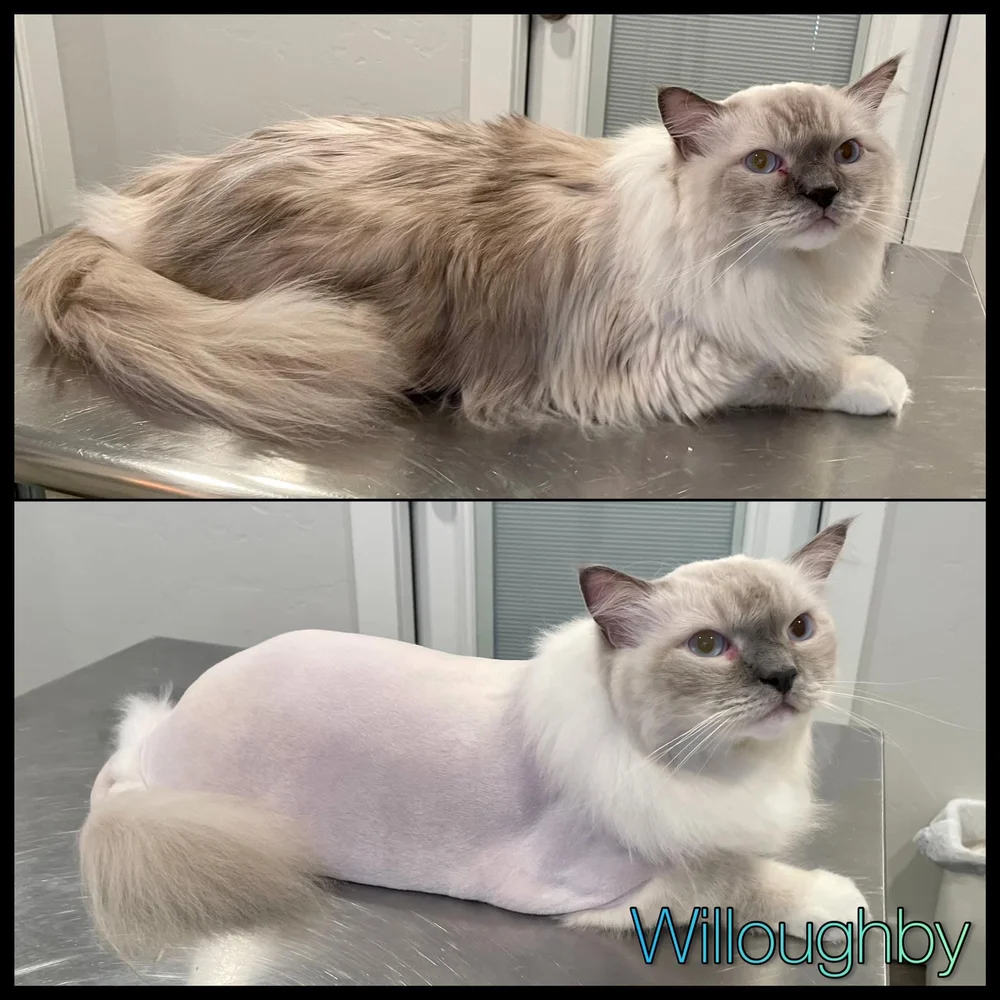
- Needs a full haircut for hygiene or comfort.
Regular professional grooming can improve your cat’s comfort and coat condition.
Tips For Stress-free Grooming
Grooming can be stressful for cats and their owners. Keeping the experience calm helps your cat feel safe. Small changes create a big difference in your cat’s comfort. Use gentle techniques and patience to make grooming easier for both of you.
Creating A Calm Environment
Choose a quiet room with few distractions. Soft lighting helps your cat relax. Use a comfortable surface, like a towel or soft mat. Speak in a gentle voice to soothe your cat. Avoid loud noises or sudden movements during grooming.
Introducing Grooming Gradually
Start by letting your cat see and smell the grooming tools. Gently touch your cat’s fur without using tools at first. Short sessions work best to build trust. Slowly increase the time spent grooming each day. Watch your cat’s body language and stop if stressed.
Rewarding Your Cat
Use treats or favorite toys after grooming. Praise your cat with calm, happy words. Rewards help your cat associate grooming with positive feelings. Give rewards immediately to connect them with good behavior. This encourages your cat to cooperate in the future.
Special Considerations For Senior Cats
Senior cats have unique grooming needs that go beyond just keeping their fur neat. As they age, their physical abilities and skin condition change, which can make haircuts more challenging and sometimes necessary for their comfort and health. Understanding these special considerations helps you care better for your older feline friend.
Handling Mobility Issues
Older cats often struggle with mobility due to arthritis or muscle weakness. This makes trips to the groomer or even at-home grooming sessions stressful and painful for them.
To ease the process, create a calm environment and use gentle handling techniques. You might need to break grooming into shorter sessions to avoid tiring your cat.
Have you noticed your senior cat avoiding movement or hiding during grooming time? It might be a sign to adjust your approach or consult your vet for advice on pain relief.
Monitoring Skin Changes
Skin becomes thinner and more fragile in senior cats, making them prone to irritations and infections. Haircuts can expose these vulnerabilities if not done carefully.
Check your cat’s skin regularly for redness, dryness, or unusual bumps, especially after grooming. This vigilance helps catch problems early before they worsen.
Consider using mild shampoos and avoid shaving too close to the skin. Your cat’s comfort and skin health depend on gentle care tailored to their aging body.
Common Grooming Mistakes
Grooming cats might seem simple, but many pet owners make common mistakes. These errors can cause discomfort or health issues for your cat. Understanding these mistakes helps you care better for your furry friend.
Over-trimming Fur
Cutting a cat’s fur too short can harm its natural protection. Fur keeps cats warm and protects their skin from sunburn and scratches. Over-trimming may cause irritation or stress. Always trim just enough to remove mats or dirt.
Ignoring Undercoat Care
The undercoat is a soft layer beneath the top fur. It helps regulate temperature and prevent tangles. Many owners forget to brush this part regularly. Neglecting undercoat care can lead to mats and skin problems.
Neglecting Ear And Nail Care
Ear cleaning and nail trimming are vital parts of grooming. Dirty ears can cause infections and discomfort. Long nails might scratch furniture or hurt your cat. Regular checks and gentle cleaning keep your cat healthy and happy.
Credit: www.downtowntabbycattery.com
Frequently Asked Questions
Do Cats Need Regular Haircuts?
Most cats do not need haircuts. Regular grooming and brushing are enough to maintain their coat. Haircuts may be necessary for long-haired cats prone to matting.
When Should I Trim My Cat’s Fur?
Trim your cat’s fur if it gets matted, dirty, or excessively long. Consult a vet or groomer for safe trimming guidance.
Can Haircuts Help With Cat Shedding?
Haircuts can reduce shedding by removing loose fur. However, regular brushing is more effective for managing shedding in cats.
Are Professional Cat Haircuts Safe?
Professional groomers are trained to handle cats safely during haircuts. Always choose a reputable groomer experienced with cats to avoid stress or injury.
Conclusion
Cats do not always need haircuts. Some cats groom themselves well. Long-haired cats might need trims to avoid mats. Regular brushing helps keep their coat healthy. Haircuts can help in hot weather or with shedding. Always watch your cat’s comfort and health first.
Talk to a vet or groomer for advice. Remember, each cat is different. Care and attention make a big difference. Keep your cat happy and clean with gentle care.
