


Are you sure your cat is fully protected against fleas and ticks? These tiny pests might seem harmless, but they can cause serious problems for your furry friend.
If you’ve ever wondered whether your cat really needs flea and tick prevention, you’re not alone. Understanding why prevention matters can save your pet from discomfort and costly vet visits. Keep reading to discover what risks your cat faces and how simple steps can keep them safe and happy all year round.

Credit: www.amazon.com
Why Flea And Tick Prevention Matters
Flea and tick prevention is not just about keeping your cat comfortable; it’s essential for their health and your peace of mind. These tiny pests can cause serious problems that go beyond a simple itch. Understanding why prevention matters helps you take better care of your furry friend every day.
Health Risks From Fleas And Ticks
Fleas and ticks carry diseases that can make your cat very sick. These include infections like cat scratch fever, tapeworms, and even Lyme disease. Left untreated, these conditions can lead to severe health issues, sometimes requiring expensive vet visits.
I once had a cat who developed anemia because of a heavy flea infestation. It was heartbreaking to see her weak and lethargic. That experience taught me how important it is to act early and keep prevention consistent.
Comfort And Quality Of Life
Fleas and ticks cause constant itching and discomfort, making your cat restless and unhappy. Imagine trying to relax when you’re constantly being bitten or irritated. Keeping these pests away means your cat stays calm, happy, and more affectionate.
Protecting Your Home Environment
Fleas and ticks don’t just stay on your cat; they can infest your home, spreading to carpets, furniture, and bedding. This makes it harder to get rid of them and puts other pets and family members at risk. Preventing fleas and ticks on your cat helps keep your entire home safer and cleaner.
Saving Time And Money
Dealing with a flea or tick infestation takes time, effort, and money. From multiple vet visits to buying sprays, shampoos, and cleaners, costs add up quickly. Preventing these pests upfront can save you from unexpected expenses and hassle.
Why Wait Until You See Fleas?
Many people only act after spotting fleas or ticks, but by then, the problem is often bigger than it seems. These pests reproduce quickly and can hide in hard-to-see places. Would you rather react to an infestation or prevent it before it starts?
Credit: www.petmd.com
Common Flea And Tick Risks
Fleas and ticks pose serious risks to cats and their owners. These tiny pests thrive in warm, humid environments and attach themselves to animals quickly. They spread diseases and cause discomfort, making prevention crucial. Understanding the risks helps protect your cat’s health and your family’s well-being.
Health Issues For Cats
Fleas and ticks cause many health problems for cats. Fleas lead to intense itching and skin irritation. Cats may scratch or bite themselves until they bleed. Severe flea infestations can cause anemia, especially in kittens or older cats. Ticks can transmit dangerous diseases like Lyme disease and ehrlichiosis. These illnesses affect a cat’s joints, nervous system, and organs. Some cats also develop allergic reactions to flea bites, resulting in hair loss and infections.
Risks To Humans
Fleas and ticks also threaten human health. Fleas can carry bacteria that cause diseases such as cat scratch fever and plague. Tick bites may transmit Lyme disease and Rocky Mountain spotted fever. These illnesses cause symptoms like fever, rash, and fatigue. Children, elderly, and people with weak immune systems face higher risks. Preventing flea and tick infestations on cats reduces the chance of these pests spreading to humans.
Identifying Fleas And Ticks
Fleas and ticks can cause serious discomfort and health issues for your cat, but spotting them early can make all the difference. These tiny pests often hide well, making it tricky to know when your feline friend is affected. Knowing what to look for helps you act fast and protect your cat’s health.
Signs On Your Cat
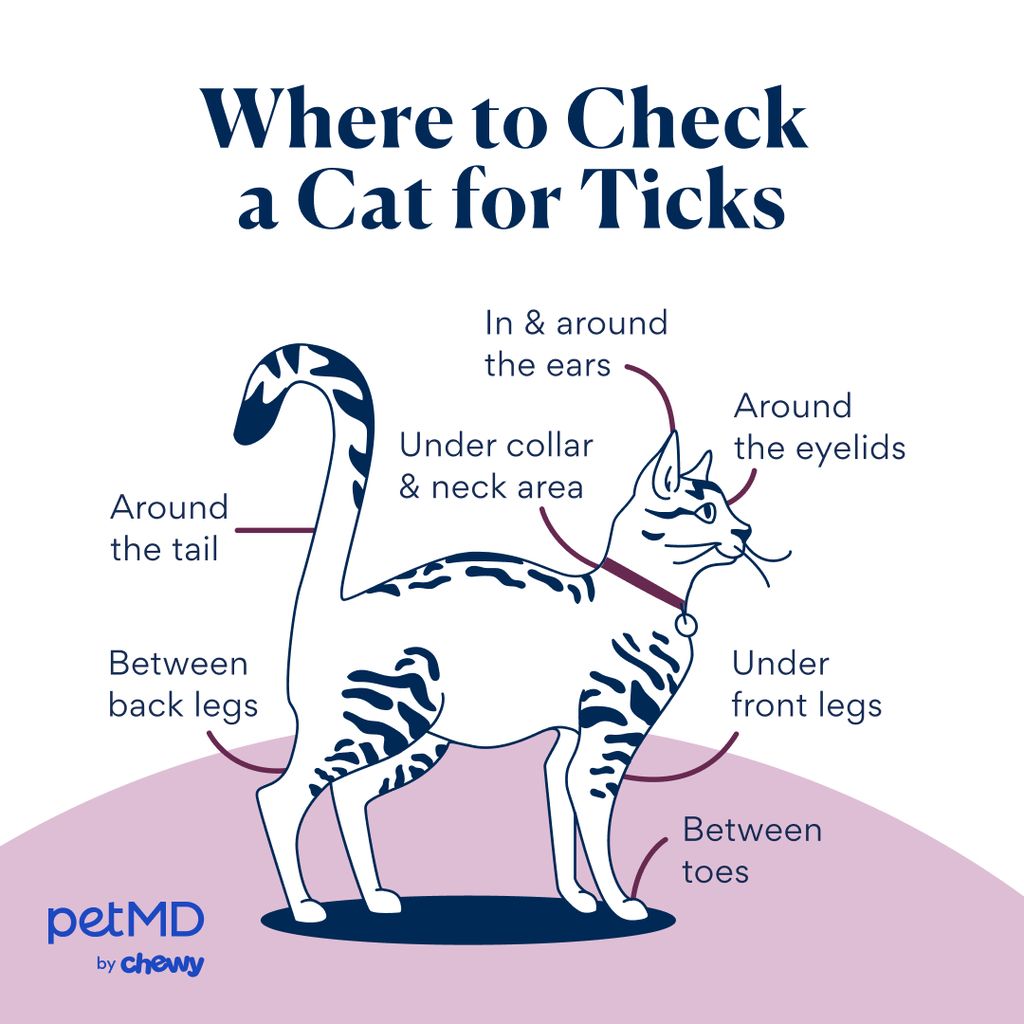
Is your cat scratching more than usual or biting at certain spots? These behaviors can be clear signs of fleas or ticks. You might also notice small red bumps or scabs on their skin, especially around the neck, ears, and belly.
Run your fingers through your cat’s fur, paying close attention to the base of the tail and behind the ears. Fleas look like tiny dark specks moving quickly, while ticks appear as small, round, and often swollen lumps attached to the skin. Sometimes, you may see flea dirt—tiny black specks that look like pepper; these are flea droppings and a strong indicator of infestation.
Home Environment Indicators
Fleas and ticks don’t just live on your cat—they can hide in your home too. Check your cat’s bedding and favorite resting spots for tiny insects or flea dirt. You might also notice your cat frequently grooming or avoiding certain areas, which can hint at pests lurking nearby.
Consider whether your home has pets that spend time outdoors or if you live in an area known for fleas and ticks. These factors increase the chance of your cat bringing pests inside. Have you checked your carpets and furniture lately? Flea eggs and larvae often hide there, waiting to jump onto your cat.
Types Of Flea And Tick Preventatives
Choosing the right flea and tick prevention for your cat can feel overwhelming. There are several options available, each with its benefits and considerations. Understanding the types of flea and tick preventatives helps you make informed decisions that protect your feline friend effectively.
Topical Treatments
Topical treatments are liquid solutions applied directly to your cat’s skin, usually between the shoulder blades. They work by killing fleas and ticks on contact or shortly after they land on your pet.
These treatments are easy to use and typically need to be applied once a month. Many cat owners appreciate how quickly these products start working, often seeing fewer fleas within a day or two.
Have you noticed how your cat reacts when you apply these treatments? Some cats dislike the sensation, so you might want to try a product with a soothing formula.
Oral Medications
Oral medications come in the form of chewable tablets or flavored treats that your cat eats. They circulate in your cat’s bloodstream, killing fleas and ticks when they bite.
These medications usually offer protection for a month and are great if your cat doesn’t like topical applications. Many cat owners find that their pets enjoy the taste, making administration easier.
Are you comfortable giving your cat pills, or do you prefer a tastier alternative? Oral options can be a hassle-free way to keep pests away without dealing with messy liquids.
Collars And Sprays
Flea and tick collars release chemicals that repel or kill parasites over several months. They offer continuous protection and are often water-resistant.
Sprays are applied directly to your cat’s fur and can provide immediate relief from fleas and ticks. They are useful for quick treatments but may need more frequent application than collars or oral meds.
Would your cat tolerate wearing a collar, or would a quick spray be less stressful? These options provide flexibility depending on your cat’s personality and lifestyle.
Natural Prevention Methods
Natural prevention methods offer a gentle way to protect your cat from fleas and ticks without relying heavily on chemicals. These approaches focus on boosting your cat’s environment and health to make it less inviting for pests. Have you ever wondered if simple, everyday actions could keep your feline friend safe and comfortable?
Herbal Remedies
Herbs like lavender, rosemary, and eucalyptus have natural properties that repel fleas and ticks. You can use dried herbs in sachets placed near your cat’s resting areas or create a mild herbal spray by mixing essential oils with water.
Be cautious, though. Not all essential oils are safe for cats, so always check which ones are non-toxic. A small amount of diluted rosemary oil, for example, can discourage pests without harming your pet.
Have you tried adding a bit of fresh parsley or mint to your cat’s diet? Some owners report fewer fleas after introducing these herbs, as they may affect the cat’s natural scent in a way pests dislike.
Regular Grooming Practices
Brushing your cat regularly is one of the simplest ways to spot and remove fleas and ticks early. Use a fine-toothed flea comb and check your cat’s fur for any signs of pests or eggs.
Bathing your cat occasionally with natural, pet-safe shampoos can also help reduce flea populations. Make sure to dry your cat thoroughly after baths to prevent any skin irritation.
Regular grooming is not just about pest control—it strengthens the bond between you and your cat. Could spending a few extra minutes grooming be the key to a happier, healthier pet?
Seasonal Considerations
Seasonal changes affect flea and tick activity. Understanding these patterns helps protect cats better. Fleas and ticks thrive in certain weather conditions. This knowledge guides pet owners on when to be most vigilant. Prevention efforts can be timed to match these peak periods.
Peak Seasons For Fleas
Fleas become active as temperatures rise above 50°F (10°C). Spring and summer are their busiest times. Warm, humid weather creates the perfect environment for fleas to multiply. Flea eggs hatch quickly in these conditions. Outdoor cats face higher risks during these months. Indoor cats can also get fleas if windows or doors are open.
Tick Hotspots And Seasons
Ticks prefer wooded and grassy areas with high humidity. Late spring through early fall is peak tick season. Ticks wait on plants to latch onto passing animals. Certain regions may have longer tick seasons due to mild winters. Cats that roam outside in these areas need regular checks. Ticks can spread diseases, making prevention crucial during these months.
Safe Application Of Preventatives
Applying flea and tick preventatives safely is key to protecting your cat without causing harm. Proper use ensures the medicine works well and avoids health risks. Understanding dosage, frequency, and precautions helps keep your cat healthy and comfortable.
Dosage And Frequency
Follow the product label for exact dosage instructions. Use only the amount recommended for your cat’s weight. Overdosing can cause serious side effects. Under-dosing may not protect against fleas and ticks.
Apply preventatives at regular intervals. Most treatments need monthly application. Keep a schedule to avoid missed doses. Check the product’s instructions for how often to apply. Never apply more than the advised amount in one go.
Precautions And Side Effects
Check if your cat has allergies or health issues before use. Some cats may react badly to certain chemicals. Watch for symptoms like redness, itching, or vomiting after application. Stop use and consult a vet if side effects appear.
Keep preventatives away from your cat’s eyes and mouth. Avoid contact with broken skin. Wash your hands after applying. Store products safely, out of reach of children and pets. Use only products made for cats; dog products can be harmful.

Credit: www.amazon.com
Consulting With A Veterinarian
Consulting with a veterinarian is essential when deciding on flea and tick prevention for your cat. Every cat is unique, and what works for one might not suit another. A vet can guide you through the best options based on your cat’s health, lifestyle, and environment.
Tailored Prevention Plans
Your cat’s age, weight, and medical history all influence the choice of flea and tick prevention. A vet can recommend treatments that are safe and effective, avoiding any harmful side effects. They might suggest a monthly topical treatment, oral medication, or even flea collars depending on your cat’s needs.
For example, I once had a cat with sensitive skin that reacted badly to common flea collars. After consulting my vet, we switched to a gentle oral medication that worked perfectly without any irritation. Such personalized advice can save your cat discomfort and keep them protected.
When To Seek Professional Help
It’s important to contact your vet immediately if you notice signs of flea or tick infestation despite prevention efforts. Symptoms like excessive scratching, hair loss, or visible parasites require prompt attention. Your vet can diagnose secondary infections or allergies caused by fleas and recommend appropriate treatments.
Don’t wait for a mild problem to escalate. If your cat has been exposed to ticks, especially in wooded or grassy areas, a vet visit can prevent serious diseases like Lyme disease. Have you ever wondered if your cat’s behavior changes might be linked to pests? A quick professional check could give you peace of mind.
Frequently Asked Questions
Do Indoor Cats Need Flea And Tick Prevention?
Yes, indoor cats still need prevention. Fleas and ticks can enter homes on clothing or other pets. Regular treatment helps avoid infestations and keeps cats healthy.
What Are The Best Flea And Tick Preventatives For Cats?
Top options include topical treatments, oral medications, and flea collars. Choose products approved by veterinarians to ensure safety and effectiveness for your cat.
How Often Should Cats Receive Flea And Tick Prevention?
Most preventatives require monthly application, but some last up to three months. Follow product instructions and consult your vet for the best schedule.
Can Flea And Tick Prevention Harm Cats?
When used correctly, approved products are safe for cats. Always follow dosage instructions and consult your vet if you notice any side effects.
Conclusion
Cats face risks from fleas and ticks every day. These pests can cause itching, infections, and serious diseases. Preventing fleas and ticks keeps cats healthy and comfortable. Regular checks and treatments help stop infestations early. Choosing the right prevention depends on your cat’s lifestyle and health.
Protect your furry friend with simple, safe steps. Peace of mind comes from knowing your cat is safe. A little effort goes a long way in pet care. Keep your cat happy, healthy, and pest-free.
