

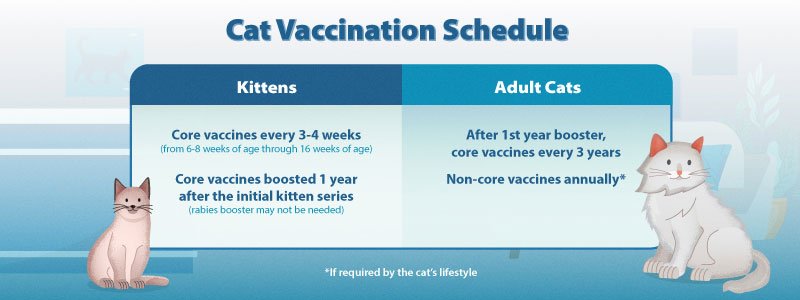
Are you wondering if your cat really needs the feline leukemia vaccine every year? You want to keep your furry friend safe, but it’s hard to know what’s necessary and what isn’t.
Vaccines can be confusing, and you don’t want to overdo it or miss something important. You’ll discover clear answers about the feline leukemia vaccine schedule. By the end, you’ll feel confident making the best choice for your cat’s health and happiness.
Keep reading to learn what vets recommend and why it matters for your beloved pet.
Feline Leukemia Virus Basics
Understanding the basics of the Feline Leukemia Virus (FeLV) is essential for any cat owner concerned about their pet’s health. FeLV is a serious viral infection that affects cats’ immune systems and can lead to severe illness or even death. Knowing what this virus is and how it spreads helps you make informed decisions about vaccination and preventive care for your cat.
Understanding Feline Leukemia
Feline Leukemia Virus is a contagious virus that targets a cat’s white blood cells, weakening their immune system. This makes infected cats more vulnerable to other infections, cancers, and anemia. Not all cats exposed to FeLV become persistently infected—some can fight it off, but those who don’t often face serious health challenges.
Do you know that FeLV is one of the leading causes of death in cats under five years old? This fact highlights why early detection and prevention through vaccination are critical.
Transmission And Risks
The virus spreads primarily through close contact among cats. Common routes include:
- Saliva exchange during grooming or biting
- Shared food and water bowls contaminated with saliva
- From mother to kitten during birth or nursing
Cats that roam outdoors or live with other cats have a higher risk of exposure. Even if your cat is indoor-only, you must consider the risk if new cats enter your home. Have you thought about how your cat’s lifestyle might increase or reduce the chances of catching FeLV?
Vaccine Importance
Vaccinating cats against feline leukemia is crucial for their health. This vaccine helps protect cats from a serious virus that can harm their immune system. Regular vaccination can stop the spread of this disease in homes and communities. Understanding why vaccines matter helps cat owners make smart health choices.
How Vaccines Work
Vaccines teach a cat’s body to fight infections. They introduce a safe part of the virus or bacteria. The immune system learns to recognize and attack the real virus if it appears later. This process builds strong protection without causing illness. Vaccines prepare the body like a practice drill for the immune system.
Benefits Of Vaccination
- Prevents serious illness and complications from feline leukemia.
- Reduces the chance of spreading the virus to other cats.
- Helps maintain a healthy immune system over time.
- Supports longer, happier life for your cat.
- Often required for boarding, adoption, or travel.
Vaccine Frequency Debate
The debate over how often cats should receive the Feline Leukemia (FeLV) vaccine sparks many questions among cat owners and vets alike. Should your cat get vaccinated every year, or can the schedule be adjusted based on lifestyle and risk? Understanding both sides of this discussion helps you make the best choice for your furry friend’s health.
Annual Vaccination Pros
Annual vaccination ensures your cat maintains a strong defense against FeLV. The virus can be deadly, and yearly shots help keep immunity levels high.
Many vets recommend yearly boosters because the vaccine’s protection may wane over time. If your cat spends time outdoors or interacts with other cats, annual vaccination lowers the risk of infection.
Some cat owners notice peace of mind with yearly shots. It’s a simple routine that feels proactive and responsible, especially if you’ve had a cat affected by FeLV before.
Arguments Against Yearly Vaccination
Not every cat may need an annual FeLV vaccine. Indoor cats with limited exposure to other cats might have a lower risk, making yearly shots unnecessary.
Over-vaccination can cause stress and even side effects. Some vets suggest extending the interval between vaccines to every two or three years, especially if previous tests show strong immunity.
As a cat owner, you might wonder: Is my cat’s lifestyle safe enough to skip a yearly booster? Discussing your cat’s habits and health with your vet can help tailor the vaccination schedule.
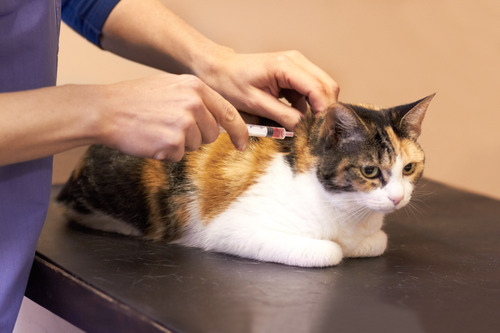
Credit: triangleanimalclinic.com
Factors Influencing Vaccine Schedule
The schedule for your cat’s Feline Leukemia vaccine isn’t a one-size-fits-all plan. Several factors can change how often your furry friend might need this important protection. Understanding these can help you make the best choice for your cat’s health.
Age And Health Status
Young kittens often get a different vaccine schedule than older cats because their immune systems are still developing. If your cat has any health issues or a weakened immune system, your vet might recommend a modified vaccine timeline. Have you noticed how some cats bounce back quickly, while others take time? That difference matters here.
Indoor Vs. Outdoor Cats
Indoor cats usually face a lower risk of exposure to the Feline Leukemia virus. Outdoor cats, on the other hand, roam in environments where they might meet infected cats or contaminated areas. If your cat enjoys the outdoors, you might need to vaccinate more frequently to keep them safe.
Regional Risk Assessment
Where you live plays a big role in deciding your cat’s vaccine needs. Some regions have higher rates of Feline Leukemia, making regular vaccination more critical. Ask your vet about local risks—they often have up-to-date info that can guide your decisions.
Veterinarian Recommendations
Veterinarians play a crucial role in deciding whether your cat needs the feline leukemia vaccine every year. Their recommendations are based on your cat’s lifestyle, health status, and risk of exposure. Understanding their advice can help you make informed choices about your pet’s vaccinations.
Tailored Vaccine Plans
Every cat is different, and vets recognize this by creating vaccine schedules tailored to your cat’s specific needs. Indoor cats with no contact with other cats might not require annual boosters. On the other hand, cats that roam outdoors or live in multi-cat households often benefit from yearly vaccination to stay protected.
Vets consider factors like age, previous vaccination history, and overall health when suggesting a vaccine plan. Have you ever discussed your cat’s lifestyle in detail with your vet? Doing so can lead to a more precise plan that avoids unnecessary shots but keeps your cat safe.
Expert Opinions
Many vets agree that feline leukemia vaccination should be customized rather than given automatically every year. Some experts suggest an initial series followed by boosters every one to three years, depending on risk. This approach balances protection with minimizing vaccine exposure.
Veterinarians also keep up with the latest research and guidelines from veterinary organizations. This means their recommendations evolve as new information emerges. Do you feel comfortable asking your vet why they suggest a certain vaccine schedule? Engaging in this conversation can ensure your cat’s health is prioritized wisely.

Credit: www.tractorsupply.com
Potential Side Effects
Vaccines protect cats from serious diseases like feline leukemia. Yet, they can cause side effects. Knowing these effects helps pet owners care better for their cats. Most cats handle vaccines well. Still, some may show mild or rare reactions after the shot.
Common Reactions
- Mild swelling or soreness at the injection site
- Temporary tiredness or sleepiness
- Loss of appetite for a day or two
- Slight fever or mild discomfort
- Occasional sneezing or mild coughing if nasal vaccines are used
These signs usually disappear within a day or two. They are normal and show the immune system is working.
When To Consult A Vet
- Severe swelling that lasts more than two days
- Difficulty breathing or wheezing
- Vomiting or diarrhea lasting over 24 hours
- Extreme lethargy or weakness
- Hives or skin rash
- Collapse or seizures
These symptoms require urgent veterinary care. Early action can prevent serious problems. Always watch your cat closely after vaccination.
Myths And Misconceptions
There’s a lot of confusion around whether cats need the feline leukemia vaccine every year. Many myths have spread, making it hard to know what’s true. Clearing up these misconceptions can help you make the best choice for your cat’s health.
Debunking Common Myths
One common myth is that all cats need the feline leukemia vaccine annually. Actually, the need for yearly vaccination depends on your cat’s lifestyle and risk factors. Indoor cats with no exposure to other cats may not require it every year.
Another misconception is that the vaccine causes more harm than good. While some cats may have mild side effects, serious reactions are rare. Vaccination protects your cat against a deadly virus, which outweighs the small risks.
Many people believe that once a cat has the vaccine, they are protected for life. This isn’t true. Immunity can weaken over time, so booster shots might be necessary to keep your cat safe.
Reliable Information Sources
Getting your facts from trusted sources is crucial. Your veterinarian is the best person to advise on vaccination schedules tailored to your cat’s needs. Don’t rely solely on online forums or social media for medical advice.
Scientific studies and veterinary associations provide evidence-based guidelines. Websites like the American Association of Feline Practitioners (AAFP) offer clear recommendations. Checking these resources can help you avoid misinformation.
Have you ever noticed how different vets sometimes suggest different vaccine plans? This usually reflects varying risk assessments, not conflicting advice. Ask questions and discuss your cat’s environment openly to find the right plan.
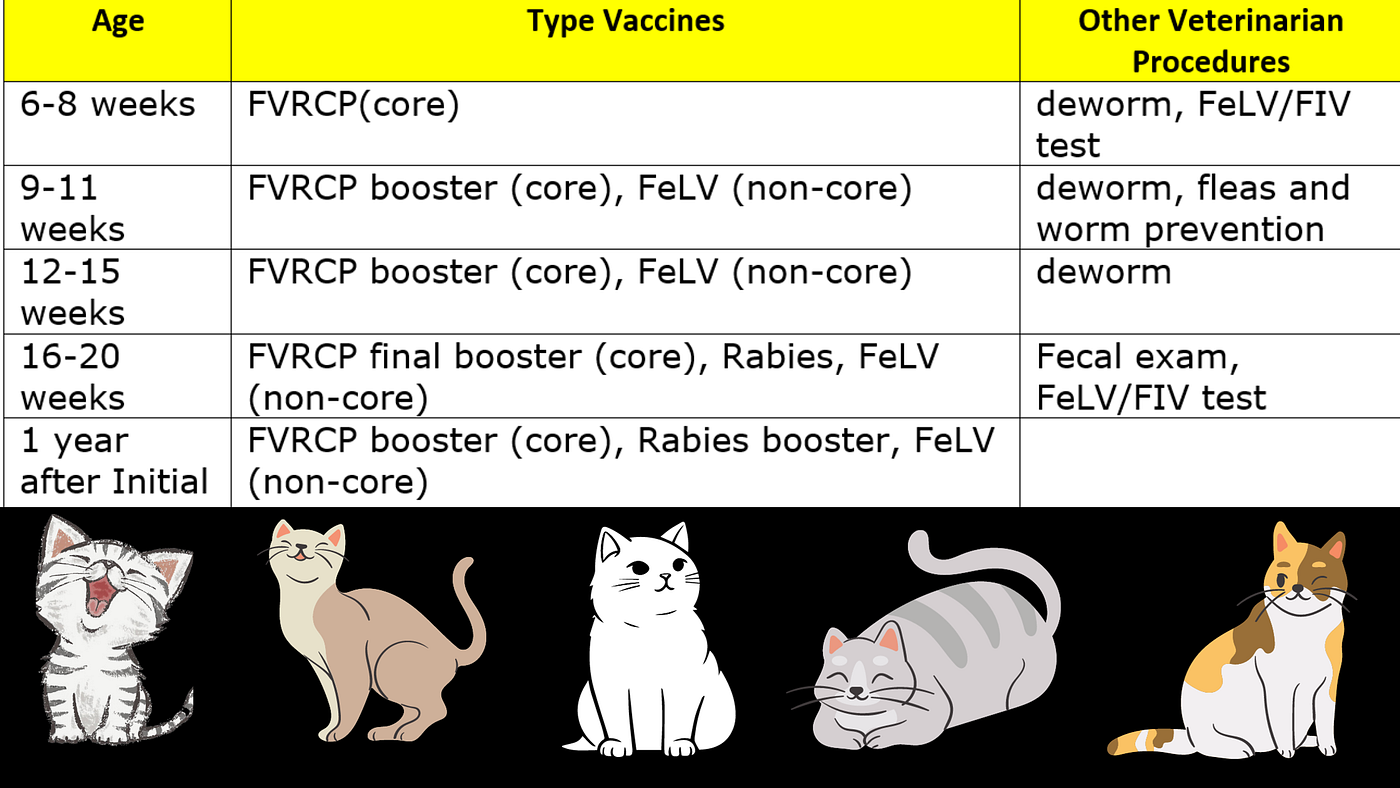
Credit: medium.com
Frequently Asked Questions
How Often Should Cats Get The Feline Leukemia Vaccine?
Cats at risk should receive the Feline Leukemia vaccine annually after the initial series. Indoor cats with no exposure may need fewer boosters. Consult your vet to determine the best schedule based on your cat’s lifestyle and health status.
Is The Feline Leukemia Vaccine Necessary Every Year?
Annual vaccination is recommended for cats exposed to other cats or outdoor environments. It helps maintain immunity and prevents infection. Indoor cats with low risk might need less frequent boosters. Always follow your veterinarian’s advice for your cat’s protection.
What Are The Risks Of Skipping Yearly Vaccination?
Skipping yearly vaccines can leave cats vulnerable to Feline Leukemia virus. This virus weakens the immune system and causes serious illness. Regular vaccination ensures ongoing protection and reduces the risk of spreading the disease among cats.
Can Indoor Cats Skip The Feline Leukemia Vaccine Yearly?
Indoor cats with no exposure to infected cats may not need yearly vaccination. However, some vets still recommend boosters for added protection. It’s best to discuss your cat’s environment and health with your veterinarian to decide the right plan.
Conclusion
Cats may need the feline leukemia vaccine yearly depending on risk. Talk to your vet about your cat’s lifestyle and health. Regular vaccination helps protect cats from serious illness. Staying informed keeps your cat safe and healthy. Vaccines are a key part of good cat care.
Keep your cat’s shots up to date. It’s a small step for big protection. Your vet’s advice is the best guide. Protect your cat with smart, simple choices.
