


Have you ever wondered if your cat really needs dental cleaning? You might think their sharp teeth and constant grooming keep their mouths healthy, but the truth could surprise you.
Just like you visit the dentist, your furry friend’s teeth need care too. Ignoring dental health can lead to pain, bad breath, and even serious illnesses for your cat. Keep reading to discover why dental cleaning matters, what signs to watch for, and how you can protect your cat’s smile every day.
Your cat’s health depends on it!
Signs Of Dental Problems In Cats
Cats often hide their dental problems. Yet, signs can be spotted with care. Spotting these issues early can prevent serious health problems. Here are some signs that your cat might have dental issues.
Bad Breath And Drooling
Does your cat have bad breath? This could mean dental trouble. Cats with dental issues often drool more than usual. Drooling is not normal for cats. If you notice these signs, check your cat’s mouth.
Difficulty Eating
Watch your cat during meal times. Is your cat eating less or dropping food? This might mean they are in pain. Cats with dental pain may avoid hard food. Their eating habits can reveal dental issues.
Swollen Gums
Gums that are red or swollen can indicate problems. Healthy gums should be pink and firm. Swollen gums may bleed when touched. Check your cat’s mouth for swollen gums to catch issues early.
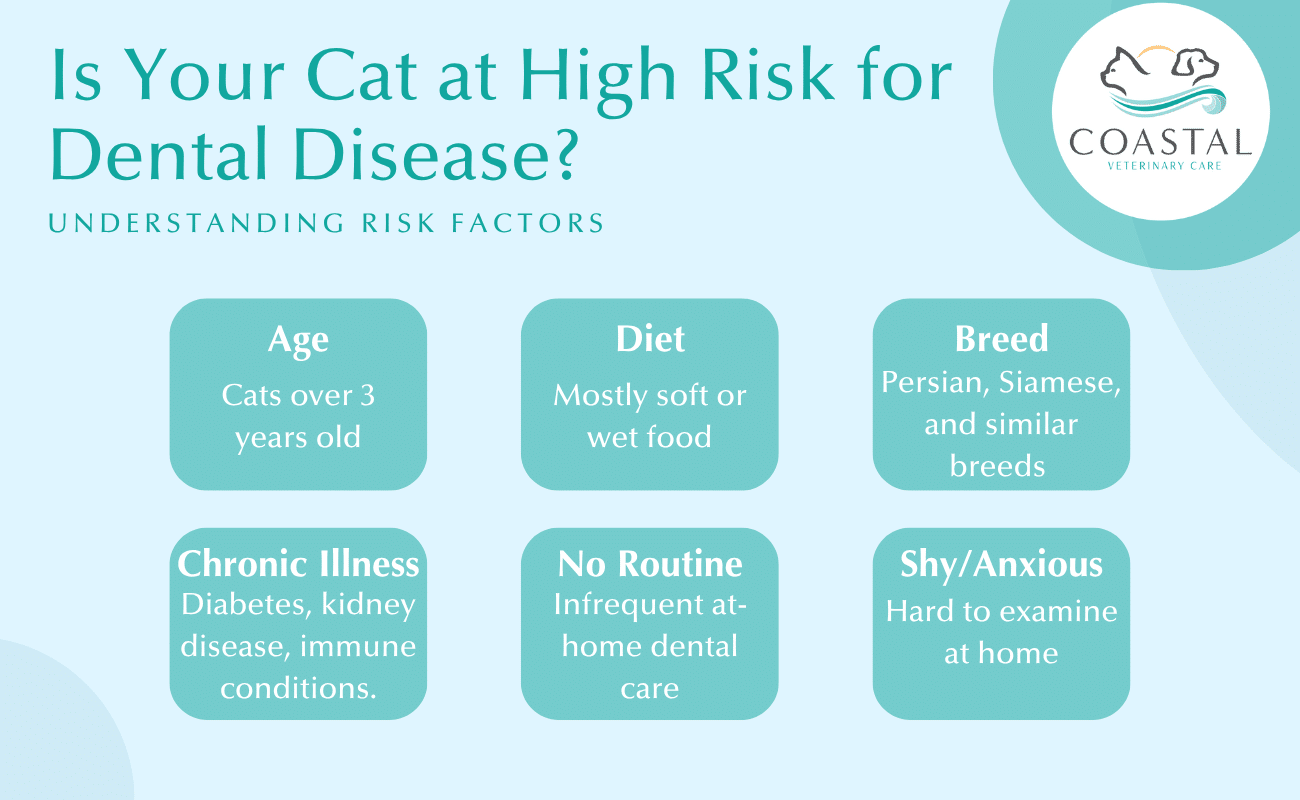
Credit: coastalveterinarycare.vet
Importance Of Dental Cleaning
Dental cleaning is not just a luxury for cats; it’s a crucial part of maintaining their health. Many cat owners overlook this because their pets don’t complain like humans do. However, keeping your cat’s teeth clean can save you from stressful vet visits and painful treatments later on.
Preventing Tooth Decay
Just like in humans, plaque and tartar build-up can lead to tooth decay in cats. This decay can cause severe pain and make eating difficult for your feline friend. Regular dental cleaning removes these harmful deposits, stopping decay before it starts.
Have you noticed your cat dropping food or chewing only on one side? These can be early signs of tooth problems that proper cleaning can help prevent.
Avoiding Gum Disease
Gum disease is a common problem in cats and can progress quickly if not addressed. It causes inflammation, bleeding, and discomfort in your cat’s mouth. Dental cleaning helps keep gums healthy by eliminating bacteria and plaque that irritate the tissue.
Ignoring gum health can lead to tooth loss and infections, which might require costly treatments. You want your cat’s gums to stay pink and firm, not red and swollen.
Overall Health Benefits
Dental health affects more than just your cat’s mouth. Bacteria from dental infections can enter the bloodstream and impact vital organs like the heart and kidneys. Keeping your cat’s teeth clean reduces this risk significantly.
Think about it: by maintaining your cat’s oral hygiene, you’re also protecting their whole body. Isn’t that reason enough to prioritize regular dental care?
Professional Dental Cleaning
Professional dental cleaning is a key part of keeping your cat healthy. Unlike home brushing, it removes tartar and plaque buildup that you can’t reach. This cleaning helps prevent painful gum disease and keeps your cat’s breath fresh.
When To Schedule A Vet Visit
Look out for signs like bad breath, red or swollen gums, and difficulty eating. These often mean your cat needs a professional cleaning. Even if your cat seems fine, annual vet check-ups can catch dental problems early.
Does your cat hide when you try to touch their mouth? That’s a sign to book a vet visit sooner rather than later. Early action can save your cat from discomfort and costly treatments later.
What To Expect During Cleaning
Your cat will receive a thorough exam first to check the teeth and gums. The vet will then use special tools to remove tartar above and below the gum line. This process usually requires anesthesia to keep your cat calm and still.
After cleaning, the vet may polish the teeth and apply a fluoride treatment to protect enamel. You’ll get advice on how to maintain your cat’s dental health at home. Knowing what happens can ease your worries and help your cat cooperate better.
Risks And Safety Measures
While professional cleaning is generally safe, anesthesia always carries some risk. Vets perform blood work before the procedure to ensure your cat’s organs can handle it. This step minimizes complications during cleaning.
Keep an eye on your cat after the procedure for any unusual behavior or discomfort. Following the vet’s care instructions helps your cat recover quickly. Would you feel more comfortable discussing anesthesia options with your vet before scheduling?

Credit: justcatsclinic.com
At-home Dental Care
At-home dental care plays a vital role in keeping your cat’s teeth clean and healthy. Regular care helps prevent plaque buildup and gum disease. It also reduces bad breath and the risk of more serious health problems.
Starting a dental routine early makes it easier for your cat to accept it. Patience and gentle handling are key. Small daily efforts lead to big benefits over time.
Brushing Techniques
Use a soft-bristled toothbrush designed for cats or a finger brush. Gently lift your cat’s lips to expose the teeth. Brush in small circles, focusing on the outer surfaces. The inside teeth usually stay cleaner naturally.
Keep brushing sessions short and calm. Praise your cat with soft words or a treat after brushing. Consistency is more important than duration.
Choosing The Right Products
- Use toothpaste made specifically for cats; human toothpaste can be harmful.
- Select a toothbrush with soft bristles and a small head for comfort.
- Consider dental wipes or pads as an alternative to brushing.
- Water additives can help reduce plaque but should complement brushing, not replace it.
Alternative Dental Care Options
Dental chews and treats help reduce tartar through chewing action. Look for products approved by veterinary dental associations.
Special dental diets may also support oral health by controlling plaque and tartar.
Regular veterinary check-ups remain essential to catch issues early and provide professional cleaning.
Diet And Dental Health
Your cat’s diet plays a crucial role in keeping their teeth healthy. What you feed your feline friend can either help clean their teeth naturally or contribute to dental problems. Knowing which foods promote dental health and which treats to avoid can make a big difference in your cat’s oral care routine.
Foods That Promote Healthy Teeth
Dry kibble designed for dental health can help reduce plaque buildup by gently scraping your cat’s teeth as they chew. Look for foods with added ingredients like zinc and vitamin C, which support gum health.
Including crunchy vegetables like small pieces of carrot may encourage chewing, which can help clean teeth naturally. Some cats enjoy dental-specific treats that are formulated to reduce tartar and freshen breath.
Have you noticed your cat chewing more when given certain treats? This natural chewing action is a simple way to support their dental hygiene without extra effort.
Avoiding Harmful Treats
Sugary or sticky treats can stick to your cat’s teeth and feed harmful bacteria. Avoid giving your cat human snacks like bread or candy that can accelerate plaque buildup and cause cavities.
Soft treats may be tasty but don’t help clean teeth and can increase the risk of dental issues. Instead, choose treats that promote chewing and are specifically made for dental care.
Think about the last treat you gave your cat—did it help or harm their dental health? Choosing wisely can save you from costly dental cleanings and discomfort for your cat.

Credit: www.hartsdalevet.com
Preventive Tips For Long-term Care
Maintaining your cat’s dental health needs ongoing care. Preventive tips help keep their teeth strong and gums healthy. Simple habits can stop problems before they start. These small actions support long-term well-being and comfort for your cat.
Regular Checkups
Schedule dental checkups with your vet twice a year. Vets spot early signs of dental disease. Early treatment prevents pain and tooth loss. These visits keep your cat’s mouth healthy and clean.
Monitoring Changes
Watch your cat’s mouth for any changes daily. Look for bad breath, red gums, or loose teeth. Notice if your cat stops eating or chews on one side. Reporting changes early helps your vet act fast.
Maintaining A Dental Routine
Brush your cat’s teeth regularly using a soft brush. Use toothpaste made for cats, not humans. Offer dental treats or toys that reduce plaque. Keep a steady routine to support oral health every day.
Frequently Asked Questions
Do Cats Really Need Professional Dental Cleaning?
Yes, cats need professional dental cleaning to prevent plaque and tartar buildup. It helps avoid gum disease and tooth loss, ensuring overall health.
How Often Should Cats Get Dental Cleaning?
Cats should get dental cleaning at least once a year. Regular check-ups help detect dental issues early and maintain oral hygiene.
Can Dental Cleaning Improve A Cat’s Health?
Dental cleaning improves a cat’s health by reducing bacteria in the mouth. It prevents infections that can affect the heart, kidneys, and other organs.
What Are Signs My Cat Needs Dental Cleaning?
Bad breath, drooling, difficulty eating, and red gums indicate your cat needs dental cleaning. Early detection helps prevent serious dental problems.
Conclusion
Cats need dental care to stay healthy and happy. Regular cleaning helps prevent pain and illness. Healthy teeth let cats eat and play without problems. Watch for signs like bad breath or red gums. Visit the vet for checkups and advice.
Simple daily care keeps your cat’s mouth clean. Good dental habits protect your cat’s whole body. Taking care of their teeth shows you care. Keep your cat smiling bright and strong.
