

Are you wondering if your cat really needs annual shots? You want to keep your furry friend healthy, but the idea of yearly vaccinations might feel confusing or even unnecessary.
Understanding why these shots matter can make a big difference in protecting your cat from serious diseases. You’ll discover exactly what vaccines your cat needs, how often, and why skipping them could put your pet at risk. Keep reading to learn how a simple visit to the vet can save your cat’s life and give you peace of mind.
Importance Of Vaccinations
Vaccinations protect cats from serious diseases. They keep your cat healthy and safe. Shots prevent illnesses that can spread to other animals or people. Regular vaccines strengthen your cat’s immune system. This helps fight infections and lowers the risk of disease.
Without vaccines, cats face dangerous health threats. Some infections can cause long-term damage or death. Vaccinated cats usually live longer and feel better. Annual shots keep protection strong over time.
Protecting Against Deadly Diseases
Vaccines guard cats from harmful viruses and bacteria. Diseases like rabies, feline leukemia, and distemper can be fatal. Vaccination stops these illnesses from spreading and causing harm. It also helps protect other pets and humans.
Maintaining Strong Immunity
Immunity fades after some time. Annual shots boost your cat’s defense system. This keeps protection at a high level. A strong immune system helps cats fight infections faster.
Reducing Veterinary Costs
Treating preventable diseases can be expensive. Vaccinations lower the chance of costly treatments. Regular shots save money by avoiding serious health problems. Prevention is cheaper than cure.
Required By Law And Boarding Facilities
Many places require proof of vaccinations. Shelters, groomers, and boarding facilities ask for current shots. Staying up-to-date helps your cat access these services easily. It also ensures safety for all animals around.
Credit: paradepets.com
Core Vaccines For Cats
Core vaccines protect cats from serious diseases that can cause severe illness or death. These vaccines are essential for all cats, whether indoor or outdoor. They help build strong immunity early in life and maintain it through regular boosters. Understanding each core vaccine helps cat owners make informed decisions about their pet’s health.
Feline Viral Rhinotracheitis
Feline Viral Rhinotracheitis is a common respiratory infection in cats. It causes sneezing, eye discharge, and nasal congestion. Vaccination helps prevent severe symptoms and reduces the risk of spreading the virus. This vaccine is important for maintaining a cat’s respiratory health.
Calicivirus
Calicivirus also affects the respiratory system and causes mouth ulcers. It spreads easily among cats, especially in shelters or multi-cat homes. The vaccine lowers the chance of infection and lessens symptoms. Protecting cats against Calicivirus keeps them more comfortable and active.
Panleukopenia
Panleukopenia is a deadly disease caused by a virus similar to parvovirus in dogs. It leads to severe vomiting, diarrhea, and a drop in white blood cells. Vaccination is the best defense against this life-threatening illness. Keeping vaccinations up to date is key to preventing outbreaks.
Non-core Vaccines
Not all vaccines are essential for every cat. Non-core vaccines target diseases that your cat may not encounter regularly, depending on their lifestyle and environment. Understanding these can help you decide which shots your cat truly needs to stay healthy.
Feline Leukemia
Feline Leukemia virus (FeLV) can cause serious illness and weaken your cat’s immune system. This vaccine is especially important for outdoor cats or those who interact with other cats. If your cat stays indoors and has no contact with unknown cats, your vet might recommend skipping this shot.
Bordetella
Bordetella is a bacterial infection that affects the respiratory system. Cats in boarding facilities or shelters are at higher risk. You might want to consider this vaccine if your cat travels or frequently visits places with many other cats.
Chlamydophila Felis
This vaccine protects against a bacterial infection causing eye problems and respiratory issues. It’s not common in most cats but can spread quickly in multi-cat environments. If your cat lives with many other cats, this shot might be worth discussing with your vet.

Credit: www.barnvets.co.uk
Frequency Of Vaccination
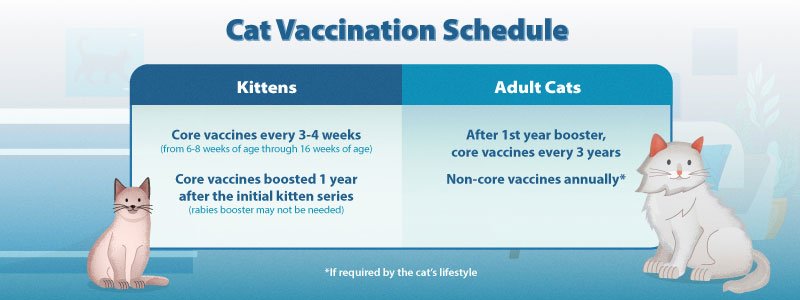
Vaccination keeps cats protected from many diseases. The right frequency depends on many things. Some cats need shots every year. Others get them every three years. Understanding the best schedule helps keep cats healthy without unnecessary visits.
Annual Vs. Triennial
Annual vaccines mean cats get shots every year. This schedule is common for core vaccines like rabies in some areas. Annual shots ensure strong immunity and quick response to new threats.
Triennial vaccines happen every three years. Many vaccines now offer longer protection. This reduces stress for cats and saves costs for owners. Vets decide which vaccines suit triennial use.
Factors Influencing Schedule
- Cat’s age and health status
- Risk of exposure to diseases
- Local laws and vaccine regulations
- Previous vaccine history and reactions
- Indoor or outdoor lifestyle
Vets tailor vaccination plans based on these factors. Regular check-ups help adjust the schedule as cats age or their lifestyle changes.
Risks And Side Effects
Vaccinating your cat annually is a crucial part of keeping them healthy, but it’s natural to wonder about the risks and side effects involved. While most cats tolerate vaccines well, some might experience mild to more severe reactions. Understanding these potential issues can help you make informed decisions and recognize when to seek veterinary care.
Common Side Effects
Most side effects from cat vaccines are mild and short-lived. Your cat might show slight soreness or swelling at the injection site. This usually goes away within a day or two without any treatment.
Other common signs include:
- Low energy or mild lethargy
- Reduced appetite for a day
- Sneezing or mild nasal discharge, especially with respiratory vaccines
These symptoms are typically not dangerous and often resolve quickly. If your cat seems a bit off after shots, keep them comfortable and monitor their behavior closely.
Serious Reactions
Although rare, serious vaccine reactions can occur and require immediate attention. These include:
- Severe allergic reactions, such as facial swelling or difficulty breathing
- Persistent vomiting or diarrhea
- High fever or collapse
Have you ever noticed your cat acting very differently after a vaccine? These signs can indicate a serious problem and should prompt a quick visit to the vet. Early treatment can prevent complications and keep your cat safe.
Knowing what to expect and watching your cat carefully after vaccination can make a big difference in their health. Don’t hesitate to ask your vet about any concerns before the vaccination day.
Credit: petwellnessclinics.com
Consulting Your Veterinarian
Consulting your veterinarian is the most important step in deciding whether your cat needs annual shots. Every cat’s health needs and risks differ, so a personalized approach works best. Your vet knows your cat’s medical history and lifestyle, making their advice invaluable for keeping your feline friend safe and healthy.
Tailoring The Vaccine Schedule
Your vet will help create a vaccine schedule that fits your cat’s age, health, and environment. Indoor cats might need fewer vaccines than outdoor cats who face more risks. Your vet can adjust timing and types of vaccines based on your cat’s immune response and any past reactions.
Have you noticed how some cats handle vaccines differently? Your vet can monitor this and suggest booster shots only when necessary, avoiding unnecessary vaccinations. This careful planning ensures your cat gets just the protection it needs without extra stress.
Monitoring Health Post-vaccination
After vaccinations, it’s important to watch your cat closely. Your vet will explain what side effects to expect and which signs require a quick visit. Common mild reactions include soreness or slight tiredness, but your vet can help you spot anything more serious.
You might be surprised how quickly some cats bounce back, while others need more care. Staying in touch with your vet after shots ensures any issues are caught early. This ongoing support makes the vaccination process safer and more comfortable for your cat.
Myths And Misconceptions
There are many myths and misconceptions surrounding the need for annual shots in cats. These misunderstandings can cause confusion and even hesitation about vaccinating your feline friend. Let’s look at some of the common concerns and beliefs to help you make informed decisions about your cat’s health.
Over-vaccination Concerns
Many cat owners worry about giving too many vaccines, fearing it might harm their pets. It’s true that unnecessary vaccines can cause side effects, but skipping important shots puts your cat at risk of serious diseases.
Vaccines are carefully scheduled to balance protection and safety. Your vet can help determine which vaccines your cat truly needs each year based on their lifestyle and health. Have you talked to your vet about which vaccines are essential for your cat?
Natural Immunity Beliefs
Some believe cats can develop strong natural immunity without vaccines. While cats do build immunity after exposure to certain diseases, relying on natural immunity means risking severe illness or even death.
Vaccines prepare your cat’s immune system without making them sick. Think about it: would you rather your cat face a dangerous disease or safely build protection through a shot? Your cat’s health depends on proactive care, not luck.
Legal And Ethical Considerations
Vaccinating your cat isn’t just about keeping them healthy—it’s also about following laws and doing what’s right ethically. Understanding legal and ethical considerations helps you protect your pet and the community. It’s important to know what rules apply where you live and what responsibilities come with being a cat owner.
State Laws On Vaccination
Many states require certain vaccinations for cats, especially rabies shots. These laws exist to prevent outbreaks that can affect both animals and humans. Failing to comply can lead to fines or other penalties.
Requirements differ from state to state. Some places demand annual vaccinations, while others allow longer intervals based on veterinary advice. Checking your local regulations ensures you stay on the right side of the law.
Have you ever wondered if skipping a shot could bring legal trouble? Knowing the rules helps you avoid risks and keeps your cat safe.
Owner Responsibility
As a cat owner, you hold the key to your pet’s health and safety. Vaccinations protect not only your cat but also other animals and people around you.
You must schedule regular vet visits and keep vaccination records updated. This shows you’re committed to your cat’s well-being and ready to act in case of disease outbreaks.
Ethically, you owe it to your cat to prevent suffering from avoidable illnesses. Have you thought about how your choices impact your cat’s quality of life and your community’s health?
Frequently Asked Questions
Do Cats Need Annual Vaccinations?
Yes, cats require annual vaccinations to stay protected against common diseases. Regular shots maintain immunity and prevent illness.
What Vaccines Are Essential For Cats Yearly?
Core vaccines include rabies, feline distemper, and calicivirus. Your vet may recommend additional vaccines based on your cat’s lifestyle.
Can Skipping Annual Shots Harm My Cat?
Skipping shots increases the risk of infections and serious diseases. Annual vaccines keep your cat healthy and reduce outbreaks.
Are Annual Shots Safe For All Cats?
Yes, annual vaccinations are generally safe. Vets evaluate your cat’s health before administering vaccines to avoid risks.
Conclusion
Cats benefit from yearly vaccinations to stay healthy. Shots protect them from serious diseases. Regular vet visits help track their health needs. Missing vaccines can lead to costly health problems. Vaccines keep both indoor and outdoor cats safe. Talk to your vet about the best vaccine schedule.
Keeping up with shots shows you care for your cat. Stay informed and help your pet live a long life. Prevention is always better than treatment. Annual shots are a small effort for big protection.
