

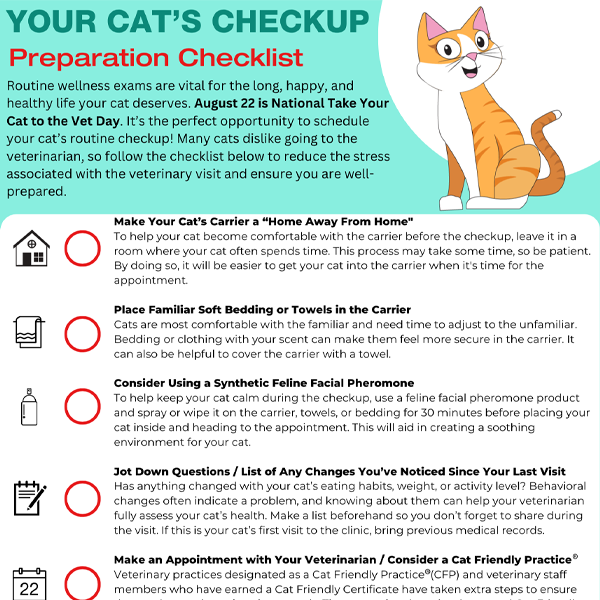
Have you ever wondered if your cat really needs an annual checkup? You might think that because your furry friend seems healthy, a vet visit isn’t necessary.
But just like you, your cat benefits greatly from regular health checkups. These visits can catch hidden problems before they become serious, saving you stress and your cat discomfort. Keep reading to discover why annual checkups are essential for your cat’s well-being and how they can help your beloved pet live a longer, happier life.
Credit: catfriendly.com
Why Annual Checkups Matter
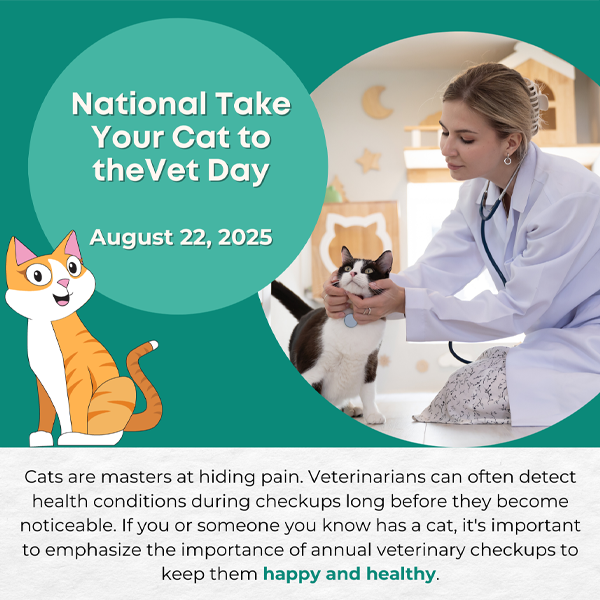
Annual checkups are vital for your cat’s health. These visits help catch potential issues early. They also ensure your cat stays up-to-date on vaccinations. Plus, they offer a chance to assess your cat’s behavior. These elements together ensure a happier, healthier life for your feline friend.
Early Disease Detection
Veterinarians can spot early signs of illness during checkups. Early detection means easier treatment and better outcomes. Common conditions like diabetes or kidney disease are easier to manage when caught early. Regular exams also help track your cat’s weight and dental health. Monitoring these aspects can prevent serious health problems.
Vaccination Updates
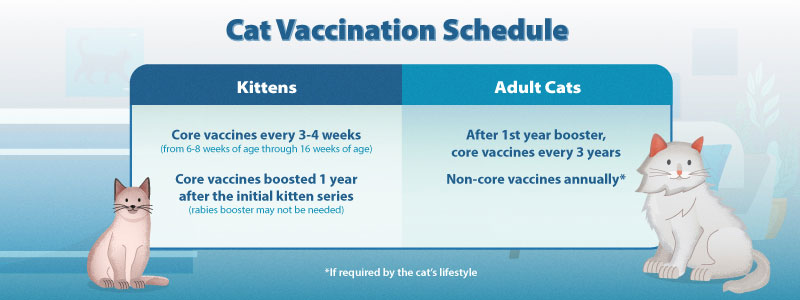
Vaccinations protect your cat from various diseases. During annual checkups, vets review your cat’s vaccination schedule. This ensures your pet remains protected against threats like rabies or feline distemper. Keeping vaccinations updated is crucial for indoor and outdoor cats alike. It shields them from diseases they might encounter.
Behavioral Assessments
Cats might hide signs of discomfort or stress. Annual checkups provide an opportunity to discuss any behavioral changes. Vets can help determine if these changes are health-related or environmental. Understanding your cat’s behavior can improve their quality of life. It can also deepen the bond between you and your pet.
Key Health Concerns In Cats
Understanding the key health concerns in cats is essential for every cat owner who wants to keep their feline friend happy and healthy. Cats are masters at hiding discomfort, so regular checkups help catch issues before they become serious. Let’s look at some common health areas you should watch closely.
Common Illnesses
Cats can suffer from a range of illnesses that might not be obvious until they become severe. Kidney disease, diabetes, and hyperthyroidism are frequent problems, especially in older cats.
Watch for subtle signs like increased thirst, weight loss, or changes in appetite. If you notice any of these, your cat needs a vet visit right away. Annual checkups can help detect these illnesses early, even before symptoms appear.
Dental Health
Dental problems are more common than many realize. Cats often develop gum disease, tooth decay, or infections that cause pain and affect their eating habits.
Regular dental exams during annual checkups allow your vet to clean your cat’s teeth and spot issues early. Have you ever seen your cat drooling or pawing at their mouth? These could be signs of dental pain that only a vet can properly address.
Weight Management
Maintaining a healthy weight is crucial for your cat’s overall wellbeing. Overweight cats face higher risks of arthritis, diabetes, and heart disease.
During checkups, vets assess your cat’s body condition and suggest diet or exercise changes if needed. Have you tracked your cat’s weight regularly? Small changes can make a big difference in preventing health problems down the road.
What Happens During A Checkup
Annual checkups for cats are important to keep them healthy and catch problems early. These visits let the vet carefully check your cat’s overall condition. The appointment includes several steps that help ensure your cat stays well. Understanding what happens during a checkup helps you prepare and know what to expect.
Physical Examination
The vet starts with a full physical exam. They check your cat’s eyes, ears, and mouth. The heart and lungs get listened to with a stethoscope. The vet feels the abdomen and checks the skin and coat. They look for signs of pain, lumps, or swelling. The vet also checks your cat’s weight and body condition. This exam helps spot any health issues early.
Diagnostic Tests
Some tests may be done during the visit. Blood tests check organ function and detect infections. Urine tests find kidney problems or urinary tract infections. The vet might suggest X-rays or other imaging if needed. These tests give more details about your cat’s health. They help the vet make a clear diagnosis.
Nutritional Advice
Nutrition is key to your cat’s health. The vet asks about your cat’s diet and eating habits. They offer advice on the best food type and portions. Special diets may be needed for certain health conditions. The vet may also discuss supplements or treats. Good nutrition supports your cat’s wellbeing and longevity.

Credit: eastyorkanimalclinic.com
Signs Your Cat Needs A Vet Visit
Knowing when your cat needs a vet visit can save their life. Cats are masters at hiding pain and illness, so spotting subtle signs is key. Pay close attention to changes in their normal habits and physical condition to catch problems early.
Changes In Appetite
If your cat suddenly eats much less or more than usual, it’s a warning sign. Loss of appetite might indicate dental problems, infections, or internal issues. On the other hand, increased hunger can be a symptom of diabetes or thyroid problems.
Have you noticed your cat skipping meals or begging more often? Don’t ignore these shifts—they often point to underlying health concerns that need a vet’s attention.
Lethargy And Behavior Shifts
A cat that sleeps more than normal or seems uninterested in playing could be unwell. Sudden changes in behavior, like hiding or aggression, often signal discomfort or pain. Even small shifts in energy levels are worth checking out.
Think about your cat’s usual personality. Are they less interactive or less curious? These subtle behavior changes might mean it’s time for a professional checkup.
Unusual Physical Symptoms
Look for visible signs like coughing, sneezing, limping, or unusual lumps. Changes in coat condition—such as excessive shedding or bald patches—can also indicate health issues. Eye or nose discharge and bad breath are additional clues your cat isn’t feeling well.
Noticing these symptoms early can help your vet diagnose problems before they worsen. Have you spotted anything unusual on your cat lately? If yes, schedule that vet visit sooner rather than later.
Preventive Care Beyond Checkups
Preventive care goes beyond annual vet visits. It keeps cats healthy and happy every day. Small actions at home help avoid many health problems. These simple habits support a cat’s well-being long term.
Flea And Parasite Control
Fleas and parasites cause discomfort and serious illness in cats. Use vet-recommended treatments regularly to keep pests away. Check your cat’s fur and skin often. Early detection stops infestations from growing. A clean home environment reduces parasite risks.
Dental Care At Home
Dental health affects a cat’s overall wellness. Brush your cat’s teeth gently with pet-safe toothpaste. Offer dental treats to reduce plaque buildup. Watch for signs like bad breath or difficulty eating. Healthy teeth prevent pain and infections.
Exercise And Enrichment
Physical activity keeps cats fit and prevents obesity. Provide toys and playtime daily to stimulate natural hunting skills. Use climbing trees and scratching posts for exercise and fun. Mental engagement lowers stress and promotes good behavior.
Choosing The Right Vet
Choosing the right vet is crucial for your cat’s health and your peace of mind. It’s not just about finding a professional with a license; it’s about building a relationship that supports your cat’s well-being through every stage of life. Think about how you want your cat to be cared for and what qualities matter most to you in a veterinary clinic.
Credentials And Experience
Check the vet’s qualifications carefully. A licensed veterinarian with experience in feline health is a good start, but specialization in cats can make a big difference.
Ask about their years of practice and any additional training related to common cat illnesses or preventive care. You want someone who understands the unique needs of cats, not just general pet care.
Comfort And Communication
How comfortable do you feel during your visit? A vet who listens to your concerns and explains things clearly makes a huge difference.
Your cat’s stress levels matter too. Look for a clinic that is calm and cat-friendly. Have you noticed if the staff handles cats gently and patiently?
Emergency Services
Emergencies can happen at any time. Does the clinic offer after-hours care or have a partnership with an emergency hospital?
Knowing where to turn quickly can save your cat’s life. It’s worth asking about response times and what support is available when regular offices are closed.
Credit: www.carecredit.com
Frequently Asked Questions
Do Cats Really Need Annual Checkups?
Yes, cats need annual checkups to monitor health and catch issues early. Regular exams help prevent diseases and ensure vaccinations are up to date.
What Happens During A Cat’s Yearly Exam?
During a yearly exam, the vet checks weight, teeth, eyes, and listens to the heart. They also update vaccinations and discuss diet or behavior.
Can Annual Checkups Prevent Cat Health Problems?
Annual checkups help detect health problems early, improving treatment success. Regular visits reduce risks of infections, dental disease, and chronic conditions.
Are Annual Checkups Necessary For Indoor Cats?
Indoor cats still need yearly checkups. They can develop hidden illnesses, dental issues, or parasites despite limited outdoor exposure.
Conclusion
Cats stay healthier with yearly vet visits. These checkups catch problems early. Your pet feels better and lives longer. Small issues become big if ignored. Regular exams help keep vaccinations up to date. They also allow vets to advise on diet and care.
Don’t wait for signs of illness. Prevention saves money and stress. Annual checkups give peace of mind. Keep your cat happy and safe. Simple, regular care makes a big difference. A healthy cat is a happy cat.
