

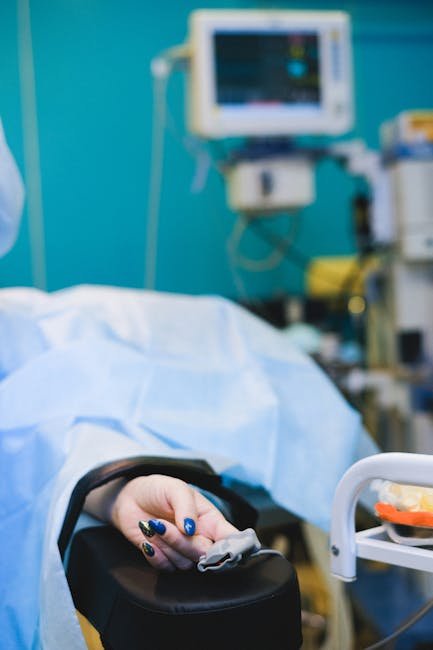
If your cat needs blood work, you might be wondering: does your furry friend really need anesthesia for this? You want to keep your cat safe and comfortable, but the idea of anesthesia can be worrying.
Understanding when anesthesia is necessary can help you make the best choice for your pet’s health. Keep reading to discover what vets recommend, how anesthesia affects cats during blood tests, and what you can do to make the process easier for your beloved companion.

Credit: www.petservo.com.au
Importance Of Blood Work In Cats
Blood work plays a vital role in maintaining your cat’s health. It helps detect diseases early, before symptoms appear. Regular blood tests allow veterinarians to monitor organ function and overall wellness. This ensures timely treatment and better outcomes for your pet.
Many health issues remain hidden without blood tests. Cats often hide signs of illness, making blood work even more important. It can reveal problems like kidney disease, diabetes, infections, and anemia. Early detection through blood work can save your cat’s life.
Routine blood work also tracks changes over time. It helps vets adjust medications and diets. Monitoring blood results supports long-term health and improves quality of life for cats of all ages.
Detecting Hidden Illnesses
Blood tests uncover diseases not visible during physical exams. Conditions like kidney failure and diabetes show up in blood results. Early discovery improves treatment chances.
Monitoring Organ Health
Blood work checks how organs function. It measures kidney, liver, and pancreas health. This helps catch damage before it becomes severe.
Guiding Treatment Plans
Test results guide vets in creating effective treatments. Adjusting medicines and diets depends on blood work findings. It ensures care fits your cat’s needs.
Tracking Overall Wellness
Regular blood tests give a health baseline. Vets watch for changes over time. This helps spot new problems quickly.

Credit: bestforpet.co.nz
Common Procedures Requiring Blood Work
Blood work is a key tool in caring for your cat’s health. It helps vets understand your cat’s condition through detailed information from the blood. Various situations require blood tests to ensure your cat stays healthy and any problems are caught early. These common procedures often involve blood work to check vital health markers and guide treatment plans.
Routine Health Checkups
Regular blood tests help track your cat’s overall health. They detect early signs of issues like kidney or liver problems. Vets often recommend blood work during yearly exams. This way, small health changes get noticed before they become serious. Routine checks keep your cat feeling good and active.
Pre-surgical Testing
Before surgery, vets use blood tests to check your cat’s readiness. The tests show how well organs work and if anesthesia is safe. This lowers surgery risks and helps plan the best care. Pre-surgical blood work gives vets important clues to avoid complications during operations.
Diagnosis Of Illnesses
Blood work helps find causes of sickness in cats. It can identify infections, anemia, or hormone problems. Vets use the results to choose the right treatment quickly. Blood tests provide a clear picture of what is happening inside your cat’s body.
Role Of Anesthesia In Veterinary Procedures
Anesthesia plays a crucial role in many veterinary procedures, including those involving cats. It helps ensure the safety and comfort of your pet during treatments that might otherwise cause stress or pain. Understanding when and why anesthesia is used can help you make informed decisions about your cat’s care.
When Anesthesia Is Necessary
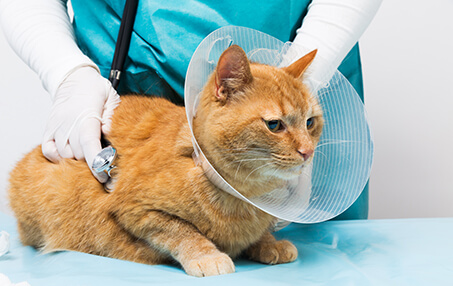
Not every veterinary procedure requires anesthesia, but some do for good reasons. Blood work in cats often doesn’t need anesthesia unless the cat is very anxious, aggressive, or in severe pain. If your cat struggles to stay still, anesthesia can make the process smoother and safer for both the vet and your pet.
In some cases, anesthesia is necessary to prevent injury. Imagine a scared cat wriggling and scratching during a blood draw; the risk of accidental harm increases. Anesthesia helps keep your cat calm and still, allowing the vet to collect blood samples accurately.
Potential Risks And Benefits
Using anesthesia always involves weighing benefits against risks. The benefits include reduced stress, less pain, and easier handling during procedures. This often leads to quicker and more accurate results.
However, anesthesia carries some risks, especially in older or sick cats. Side effects like low blood pressure or breathing difficulties can occur, though vets take careful steps to minimize these risks. You might ask yourself: is the benefit of a calm, pain-free procedure worth the small chance of complications?
Discuss your cat’s health history with your vet to understand the safest option. Often, the peace of mind and safety anesthesia provides outweigh potential risks, especially for cats that are difficult to handle or need multiple tests.
Credit: shadowlakeanimalhos.com
Factors Influencing The Need For Anesthesia
Deciding whether your cat needs anesthesia for blood work depends on several key factors. Understanding these can help you prepare and reduce stress for both you and your furry friend. Let’s look at what influences this important decision.
Cat’s Temperament And Behavior
Your cat’s personality plays a big role. Some cats stay calm during vet visits, while others become anxious or aggressive. If your cat tends to struggle or hide, anesthesia might be necessary to keep them safe and still.
Think about your cat’s past reactions to vet visits. Have they hissed, scratched, or refused to stay still? These behaviors can make blood draws difficult without sedation.
Age And Health Condition
Older cats or those with certain health issues may react differently to anesthesia. Vets carefully weigh the risks and benefits in these cases. Sometimes, anesthesia is safer because it prevents stress that could worsen their condition.
Is your cat already dealing with heart problems or respiratory issues? These conditions might require special care, influencing the decision about anesthesia.
Type Of Blood Work Procedure
Not all blood tests are the same. Simple blood draws usually don’t need anesthesia, especially if your cat is cooperative. However, more complex procedures, like multiple samples or catheter placements, might require sedation.
Ask your vet what the blood work involves and how long it will take. Knowing the details helps you understand if anesthesia is the best option for a smooth process.
Alternatives To Anesthesia
Blood work is essential for your cat’s health. Some pet owners worry about anesthesia risks. Good news: there are alternatives to anesthesia for blood tests. These options help keep your cat calm and safe during the procedure.
Behavioral Techniques
Calm cats make blood collection easier. Training your cat to accept handling helps reduce stress. Use gentle touch and soft voices during visits. Reward your cat with treats after each step. Practice short sessions at home to build trust.
Creating a quiet environment at the vet clinic also helps. Some cats respond well to pheromone sprays or diffusers. These products create a calming atmosphere. Let your cat explore the clinic space calmly before the test.
Sedation Options
Sedation is a mild way to relax cats. It is less risky than full anesthesia. Your vet can recommend safe sedatives based on your cat’s health. Sedation helps reduce movement and anxiety. This makes blood draws smoother and safer.
Common sedatives include oral or injectable medications. They take effect quickly and wear off soon after. Your vet monitors your cat closely during sedation. This ensures comfort and safety throughout the procedure.
Veterinary Recommendations
Veterinary recommendations play a crucial role in deciding whether your cat needs anesthesia for blood work. Vets evaluate your cat’s health, temperament, and the complexity of the procedure before making a decision. Understanding their advice helps you make informed choices that prioritize your cat’s safety and comfort.
Communication With Your Vet
Open and honest communication with your vet is essential. Ask specific questions about the risks and benefits of using anesthesia during blood work. For example, if your cat is anxious or difficult to handle, anesthesia might be suggested to reduce stress and ensure accurate results.
Share your cat’s medical history, behavior, and any previous reactions to anesthesia. This information helps the vet tailor the approach to your cat’s unique needs. You can also discuss alternatives, such as gentle restraint or calming techniques, if anesthesia feels too risky.
Creating A Stress-free Experience
Vets often recommend strategies to minimize stress, whether or not anesthesia is used. A calm environment with minimal noise and quick handling can make a big difference. Some clinics offer pheromone sprays or calming treats to soothe nervous cats.
Consider visiting the clinic beforehand to familiarize your cat with the surroundings. Many cats respond well to slow, gentle handling and positive reinforcement during the procedure. Have you noticed how your cat reacts to new experiences? Sharing these observations with your vet can improve the overall plan.
Myths And Misconceptions
Many cat owners worry about anesthesia during blood work. Some believe anesthesia is always needed, causing fear and hesitation. This section clears up common myths and shares the true facts. Understanding these helps keep cats calm and safe during tests.
Common Misunderstandings
- All cats need anesthesia for blood tests.
- Anesthesia is risk-free and harmless every time.
- Blood draws are painful and traumatic without sedation.
- Cats always resist blood work, making anesthesia necessary.
- Skipping anesthesia means inaccurate blood results.
Clarifying Facts
Most cats do not require anesthesia for simple blood draws. Skilled veterinarians use gentle restraint and calming techniques. This approach causes little stress or pain.
Anesthesia carries risks like slowed breathing or heart issues. Vets avoid it unless absolutely needed. For scared or very sick cats, mild sedation might help.
Blood work accuracy does not depend on anesthesia. Stress can affect results, but careful handling reduces this. Many cats tolerate blood draws well without sedation.
Knowing facts helps owners make calm, informed choices. Trust the vet’s advice based on each cat’s health and behavior.
Preparing Your Cat For Blood Work
Getting your cat ready for blood work can reduce stress for both of you. Cats pick up on your emotions, so staying calm helps them stay calm. Preparing well also means the procedure goes smoothly and the results are accurate.
Pre-appointment Preparation
Keep your cat’s routine as normal as possible before the appointment. Avoid feeding them a large meal right before the visit unless your vet advises fasting.
- Bring a familiar blanket or toy to comfort your cat during the visit.
- Use a secure carrier lined with a soft towel to prevent slipping and keep your cat safe.
- Consider pheromone sprays or diffusers to create a calming environment in the carrier.
Have you noticed how your cat reacts to new environments? Planning for these reactions can help you manage their anxiety effectively.
Post-procedure Care
After blood work, your cat may feel tired or a bit sore at the puncture site. Monitor them closely for any swelling or excessive licking.
- Offer fresh water and a small meal once you’re home.
- Keep your cat in a quiet, comfortable space to rest for a few hours.
- Contact your vet if you see unusual symptoms like bruising or lethargy lasting more than a day.
Have you prepared a recovery spot for your cat? A calm area can make a big difference in how quickly they bounce back.
Frequently Asked Questions
Do Cats Always Need Anesthesia For Blood Work?
No, cats usually do not require anesthesia for blood work. Most cats tolerate the procedure well with gentle restraint. Anesthesia is only used if a cat is extremely anxious or uncooperative during the blood draw.
How Safe Is Anesthesia For Cats During Blood Tests?
Anesthesia for cats during blood tests is generally safe when administered by a vet. Risks increase with older or sick cats. Vets assess each cat’s health before deciding if anesthesia is necessary.
Can Blood Be Drawn From A Cat Without Anesthesia?
Yes, blood can often be drawn from a cat without anesthesia. Skilled vets and technicians use calm handling to minimize stress. Most cats stay still enough for blood collection without sedation.
When Is Anesthesia Recommended For Feline Blood Work?
Anesthesia is recommended if a cat is very stressed, aggressive, or has movement disorders. It helps ensure a safe, accurate blood draw and reduces pain or anxiety during the procedure.
Conclusion
Cats usually do not need anesthesia for routine blood work. Most cats stay calm during the process. Some may need mild sedation if they feel scared or restless. Your vet will decide based on your cat’s health and behavior. Blood tests help keep your cat healthy and catch problems early.
Always talk to your vet about any concerns. Keeping your cat calm makes blood work easier and safer. Simple steps can reduce stress for both you and your cat.
