

Have you ever noticed your cat scooting across the floor or licking their rear more than usual? These signs might mean your cat’s anal glands need attention.
But do cats really need their anal glands expressed regularly? If you’re unsure or worried about your furry friend’s comfort, this article will clear things up for you. Understanding when and why your cat’s anal glands might need expressing can help you keep them healthy and happy.
Keep reading to discover what you should watch for and when it’s time to take action.
Credit: www.kinship.com
Cat Anal Glands Basics
Understanding the basics of cat anal glands helps pet owners care better for their cats. These glands can cause discomfort if not functioning properly. Knowing what they are and how they work is important for your cat’s health.
What Are Anal Glands?
Anal glands are small sacs located near a cat’s anus. Each cat has two glands, one on each side. They hold a strong-smelling fluid that cats release in certain situations. The fluid helps cats mark their territory and communicate with other cats.
Purpose Of Anal Glands In Cats
The main purpose of anal glands is communication. Cats use the scent to leave messages for other cats. It helps them identify each other and their boundaries. The fluid also plays a role during stress or fear, releasing automatically.
Normal Functioning
Normally, anal glands empty naturally when a cat poops. The pressure from stool pushes out the fluid. This keeps the glands clean and prevents blockages. Healthy cats rarely need help expressing their glands.
Signs Of Anal Gland Issues
Recognizing the signs of anal gland issues in cats is crucial for their comfort and health. These glands can become blocked or infected, causing your cat pain and discomfort. Knowing what to watch for helps you act quickly and avoid more serious problems.
Common Symptoms To Watch For
Watch for your cat scooting its rear end across the floor or carpet. This behavior often indicates irritation or discomfort in the anal area.
Frequent licking or biting around the tail base is another red flag. You might also notice a foul smell coming from your cat’s rear, which can signal gland problems.
Behavioral Changes
Your cat might suddenly become more irritable or withdrawn. Pain from anal gland issues can make them less playful or more reluctant to be touched near their hindquarters.
Have you noticed your cat avoiding the litter box? Discomfort can lead them to associate the box with pain, causing changes in bathroom habits.
Physical Indicators
Check for swelling or redness near the anus. Sometimes, you can even feel hard lumps close to the anal opening.
Discharge or blood around the anal area is a serious sign that requires immediate veterinary attention. These physical clues are your best bet for spotting problems early.
When To Express Anal Glands
Knowing when to express your cat’s anal glands can save them from discomfort and potential health issues. Cats usually manage this on their own, but certain signs mean it’s time for you to step in. Understanding the difference between natural and manual expression helps you decide the best care for your feline friend.
Natural Expression Vs Manual Expression
Cats typically express their anal glands naturally when they poop. The pressure of stool passing stimulates the glands to release their secretions. However, if your cat has soft stools or constipation, this natural process might not happen properly.
Manual expression involves gently squeezing the glands to release the fluid. This should only be done if your vet recommends it or if you notice signs like scooting, licking the rear excessively, or a bad smell. Trying to do this without guidance can cause pain or injury, so knowing when and how is key.
Health Risks Of Impacted Glands
Impacted anal glands can cause your cat a lot of pain and lead to infections. If left untreated, the glands can swell, burst, or develop abscesses. This can require antibiotics or even surgery, which is stressful for both you and your cat.
Watch for symptoms such as difficulty sitting, a foul odor, or frequent licking around the anus. Ignoring these signs can worsen the problem and increase vet bills. Your cat’s comfort depends on catching these issues early.
Frequency And Timing
The need to express anal glands varies from cat to cat. Some may never need help, while others might require it every few weeks. Pay close attention to your cat’s behavior and consult your vet about a schedule that suits your pet’s needs.
Regular vet check-ups can help determine if manual expression is necessary. Avoid doing it too often as it may irritate the glands. Ask yourself: Is your cat showing signs of discomfort, or has the vet advised a routine? This helps you decide the right frequency to keep your cat healthy.
How To Express Anal Glands Safely
Expressing a cat’s anal glands safely requires care and attention. This process helps relieve discomfort and prevents infections. Knowing the right way keeps your cat calm and avoids injury.
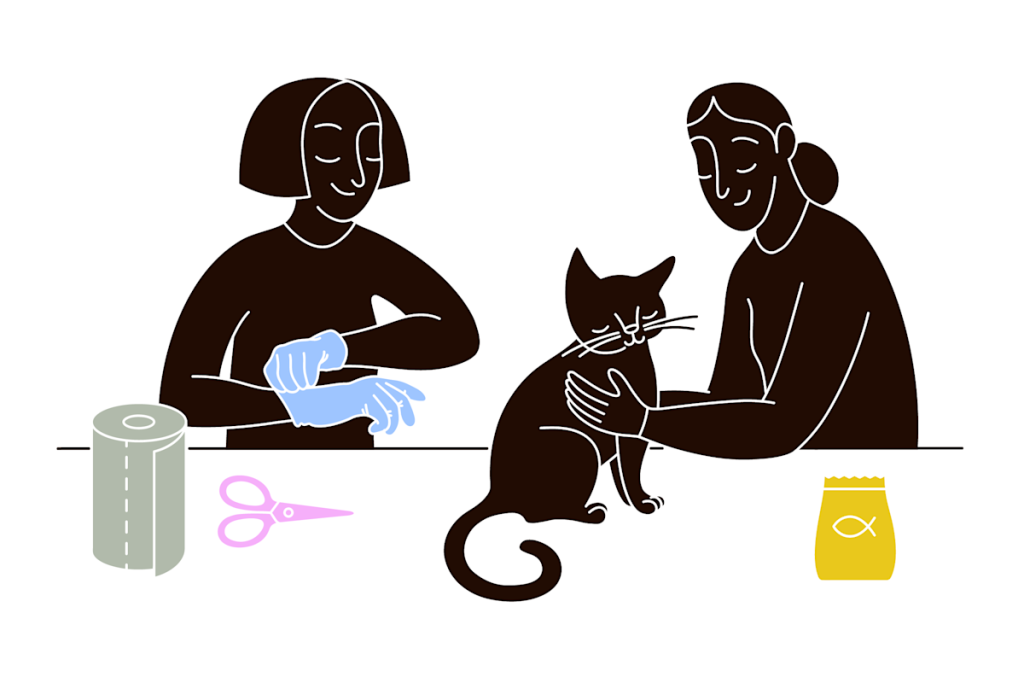
Preparation Steps
- Wear disposable gloves for hygiene.
- Gather paper towels and a lubricant like petroleum jelly.
- Choose a quiet space with good lighting.
- Have a helper hold your cat gently if needed.
- Wash your hands before and after the procedure.
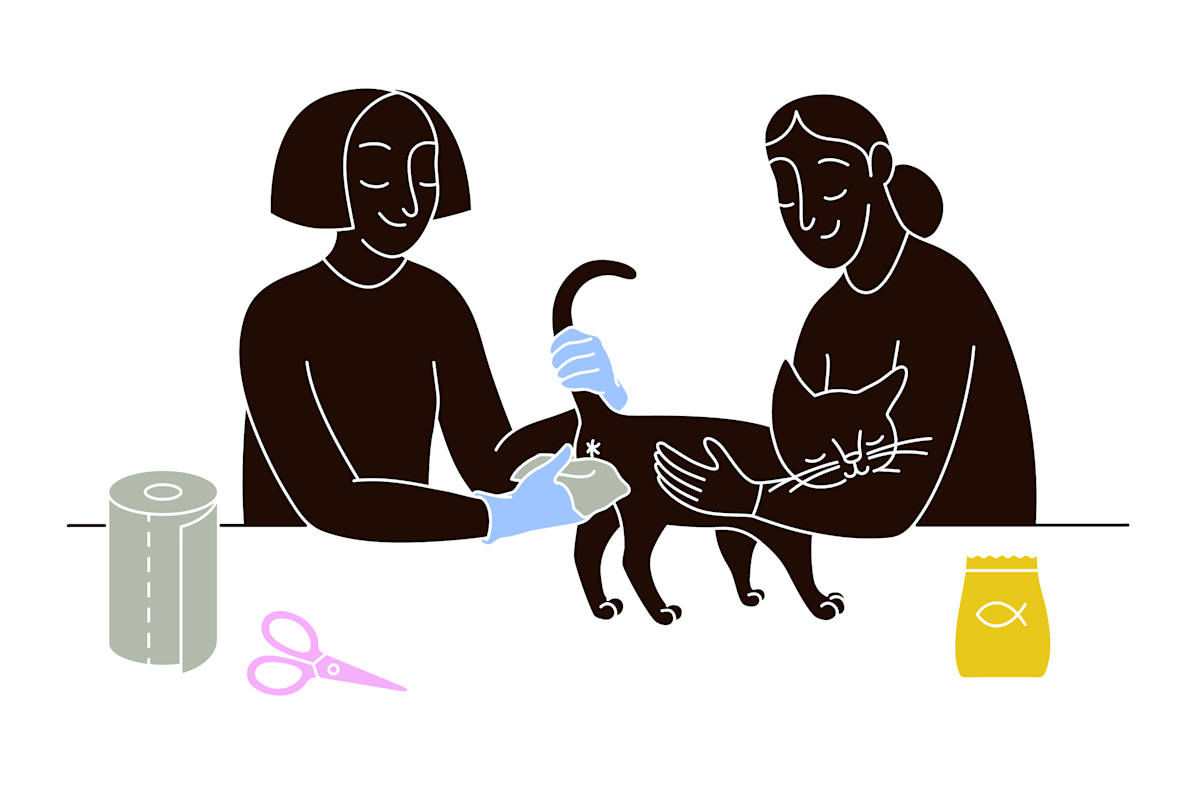
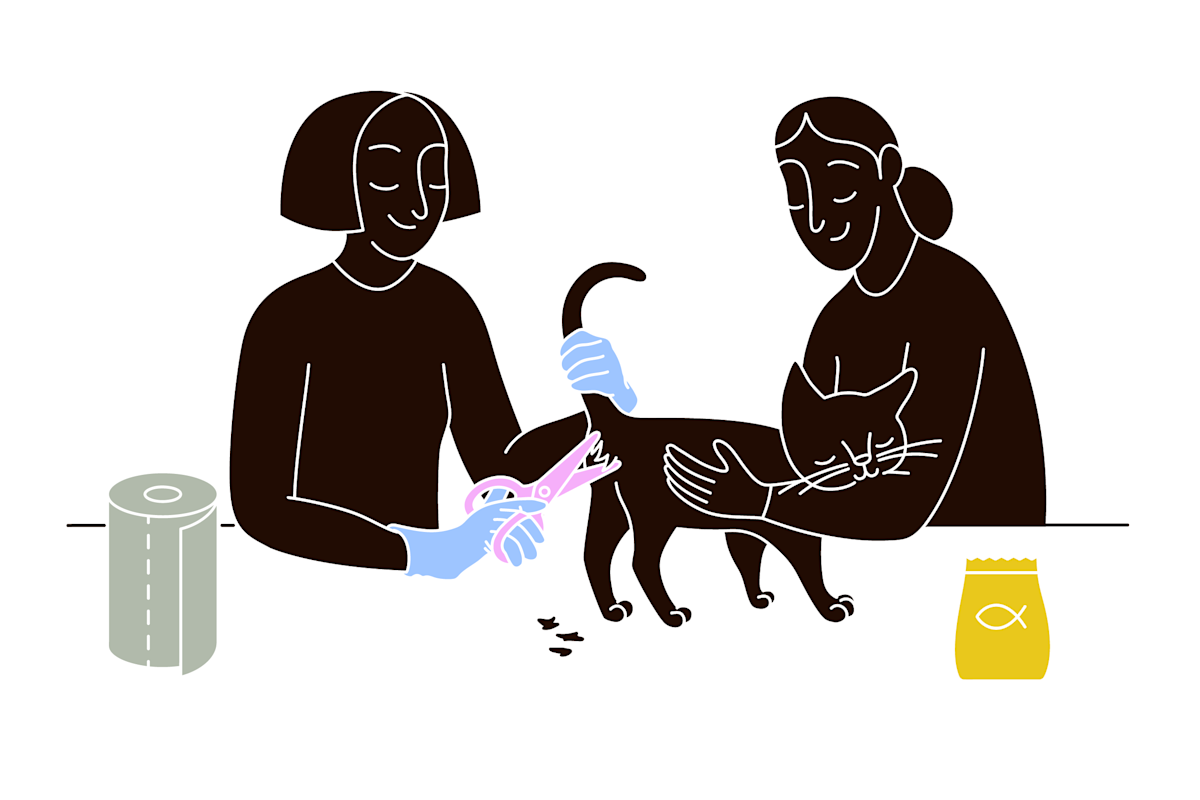
Proper Technique
- Hold your cat securely but gently.
- Lift the tail to expose the anal area.
- Locate the glands at 4 and 8 o’clock positions.
- Place a paper towel over each gland to catch fluid.
- Gently squeeze the gland between your thumb and forefinger.
- Apply slow, steady pressure until fluid is released.
- Avoid using too much force to prevent harm.
Aftercare Tips
- Clean the area with a damp cloth if needed.
- Check your cat for signs of discomfort or irritation.
- Offer praise and gentle petting to calm your cat.
- Dispose of gloves and towels safely.
- Monitor for swelling or foul odor in the next days.
- Contact a vet if problems persist or worsen.
Risks Of Improper Expression
Expressing a cat’s anal glands incorrectly can cause serious problems. These glands are sensitive, and rough handling may lead to pain and injury. Many cat owners try to help but lack the proper technique and knowledge. This can make the situation worse instead of better.
Understanding the risks of improper expression helps protect your cat’s health. It is important to know what can go wrong and when professional help is needed.
Potential Injuries
Improper expression can cause several injuries to your cat, such as:
- Tears or cuts around the anal area
- Swelling and bruising of the glands
- Pain and discomfort when the cat moves or sits
These injuries may lead to long-term problems if not treated quickly. Gentle handling is crucial to avoid hurting your pet.
Infections And Complications
Improper technique can push bacteria deeper into the glands. This may cause infections, which can be hard to treat. Signs of infection include:
- Redness and swelling
- Foul smell or discharge
- Fever or lethargy
If left untreated, infections can develop into abscesses. This may require surgery or antibiotics.
When To Seek Veterinary Help
Professional care is best for anal gland issues. Contact a vet if your cat shows:
- Persistent scooting or licking the rear
- Difficulty or pain during bowel movements
- Swelling, redness, or discharge near the glands
- Signs of pain or distress
A vet can safely express the glands and treat any infections. They also provide advice to prevent future problems.
Veterinary Role In Anal Gland Care
Your cat’s anal glands play a small but important role in their health. Sometimes, these glands can become full or infected, causing discomfort or more serious issues. This is where your veterinarian steps in to provide expert care and relief.
Professional Expression Services
Veterinarians have the skills and tools to safely express your cat’s anal glands. This process involves gently squeezing the glands to release built-up fluid. Attempting this at home can cause injury or stress, so professional help is often the best choice.
Many pet owners have seen immediate relief in their cats after a vet visit. You might notice your cat feeling more comfortable and less likely to scoot or lick the area excessively.
Diagnostic Procedures
If your cat shows signs of anal gland issues, the vet will perform a thorough examination. This may include a physical check and sometimes lab tests to rule out infections or abscesses.
Understanding the root cause helps your vet decide the best treatment. Do you know what symptoms warrant a vet visit? Persistent scooting, swelling, or a bad smell are key warning signs.
Treatment Options
Depending on the diagnosis, treatment can range from simple gland expression to antibiotics or anti-inflammatory medications. In severe cases, surgical options might be considered.
Your vet will guide you on aftercare and prevention, which can include diet changes or regular check-ups. Staying proactive with your cat’s anal gland health can save both of you unnecessary stress and discomfort.
Preventing Anal Gland Problems
Preventing anal gland problems in cats is important for their comfort and health. Anal glands can become blocked or infected, causing pain and distress. Taking simple steps at home helps keep these glands functioning well. Proper care can reduce the need for gland expression by a vet.
Diet And Hydration
A balanced diet supports digestive health, which affects anal glands. High-fiber food helps firm up stools. Firm stools naturally press on the glands during bathroom time. This pressure helps empty the glands regularly.
Water intake plays a key role too. Well-hydrated cats have softer stools. Soft stools reduce strain and help glands work better. Always provide fresh water to encourage drinking.
Exercise And Weight Management
Regular exercise keeps cats active and healthy. Activity supports good digestion and bowel movements. Overweight cats may have more gland problems. Excess weight can cause less frequent or difficult bowel movements.
Maintaining a healthy weight helps prevent anal gland issues. Encourage play and movement daily. Healthy cats have fewer gland blockages and infections.
Regular Health Checks
Routine vet visits catch problems early. Vets can check anal glands during exams. Early detection of swelling or discomfort avoids serious issues. Watch for signs like scooting, licking, or unusual smells.
Prompt veterinary care helps keep glands healthy. Regular check-ups are key to prevention and peace of mind.

Credit: www.mycornervet.com.au
Credit: www.kinship.com
Frequently Asked Questions
Do Cats Need Their Anal Glands Expressed Regularly?
Most cats do not need regular anal gland expression. Healthy cats naturally empty their glands during bowel movements. Only if a cat shows discomfort or infection signs should a vet check and possibly express the glands.
What Are Signs Of Anal Gland Problems In Cats?
Signs include scooting, licking the rear excessively, swelling, or a bad odor. Cats may also show pain or difficulty sitting. If you notice these signs, consult a veterinarian promptly.
Can Anal Gland Issues Cause Health Problems In Cats?
Yes, impacted or infected anal glands can cause pain, swelling, and infection. If untreated, abscesses may form, requiring veterinary care. Timely diagnosis prevents complications and keeps your cat comfortable.
How Can I Help Prevent Anal Gland Problems In Cats?
Feed a high-fiber diet to promote firm stools, which help empty anal glands naturally. Regular veterinary check-ups also catch issues early. Maintaining your cat’s weight reduces gland problems.
Conclusion
Cats usually take care of their anal glands naturally. Only a few cats need help from a vet. Signs like scooting or licking may show a problem. Regular check-ups keep your cat healthy and comfortable. Understanding your cat’s needs helps avoid pain and infections.
Always watch for changes in behavior or habits. Taking quick action can prevent bigger issues later. Keep your cat happy and healthy with simple care.
