


Are you worried about your cat’s health and wondering if they need a distemper shot? You’re not alone.
Many cat owners ask this question because keeping your furry friend safe is a top priority. Understanding whether this vaccine is necessary can protect your cat from serious illnesses. You’ll discover the facts about distemper in cats, why the shot matters, and what steps you should take to keep your pet healthy.
Keep reading to make sure you’re giving your cat the best care possible.
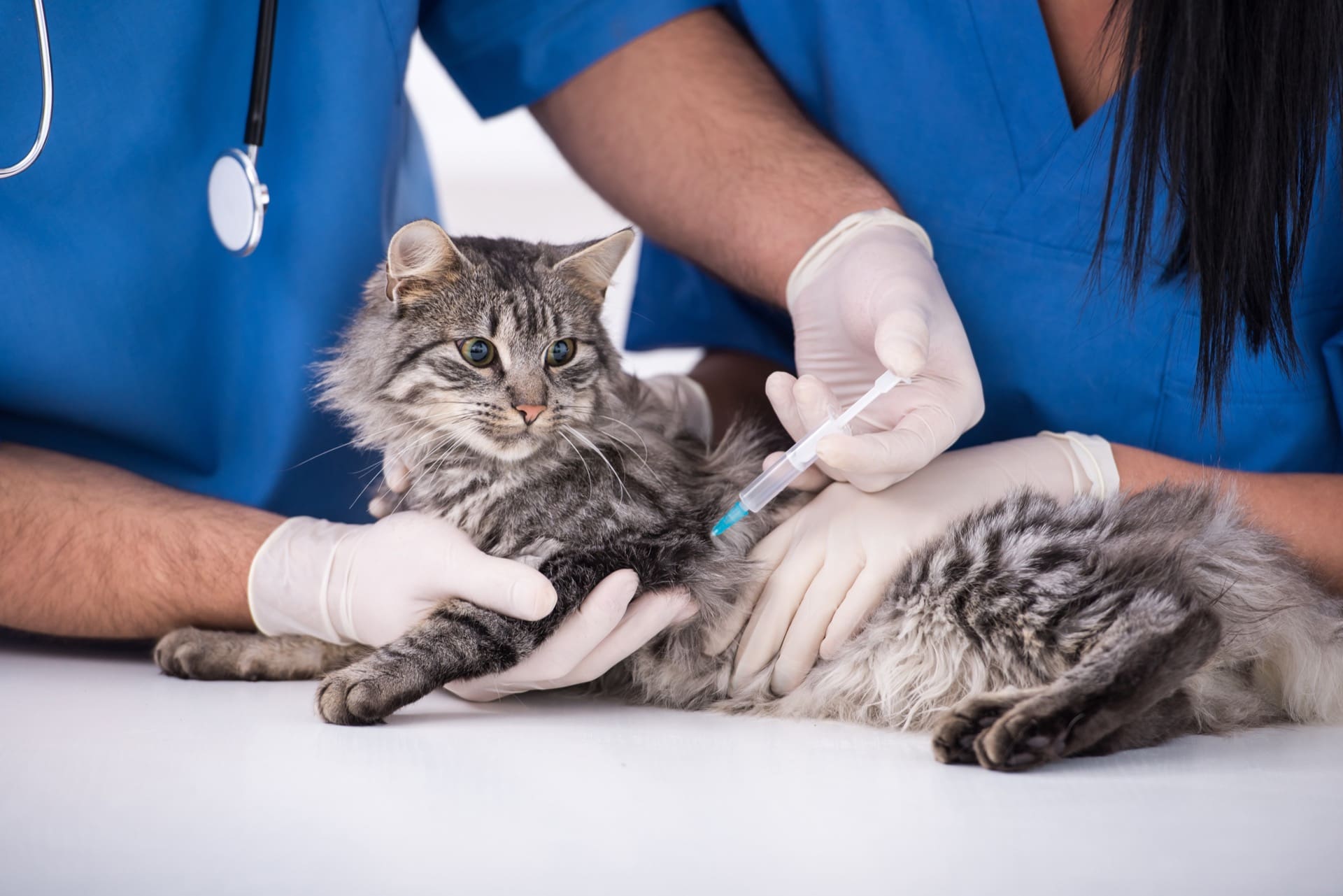
Credit: spallandharveyanimalhospital.ca
Understanding Feline Distemper
Feline distemper, also known as panleukopenia, is a serious disease that can threaten your cat’s health. Understanding what it is and how it affects your feline friend is key to making smart decisions about their vaccinations. Let’s break down what you need to know about this illness and why it matters to your cat’s well-being.
What Is Feline Distemper?
Feline distemper is caused by a highly contagious virus called the feline parvovirus. It attacks rapidly dividing cells in your cat’s body, especially those in the intestines, bone marrow, and immune system.
This virus can lead to severe symptoms like vomiting, diarrhea, and a weakened immune response, making your cat vulnerable to other infections.
How Does Feline Distemper Spread?
The virus spreads mainly through direct contact with an infected cat’s bodily fluids or contaminated environments. It can survive for long periods on surfaces, so even touching a contaminated object can put your cat at risk.
Have you ever considered how often your cat comes into contact with other animals or new environments? These interactions can increase the chances of exposure to the virus.
Why Is Feline Distemper Dangerous?
The disease can progress quickly and is often fatal, especially in kittens or cats with weak immune systems. The virus attacks the bone marrow, leading to a drop in white blood cells, which are critical for fighting infections.
Without enough white blood cells, your cat’s body can’t defend itself, making even minor infections potentially life-threatening.
Recognizing Symptoms Early
Early symptoms include lethargy, loss of appetite, and fever. As the disease progresses, vomiting and severe diarrhea often develop, which can lead to dehydration.
Noticing these signs promptly and seeking veterinary care can make a huge difference in your cat’s chances of recovery.

Credit: millsanimalhospital.com
Symptoms Of Feline Distemper
Feline distemper, also known as panleukopenia, is a serious viral infection. Early detection helps in managing the disease better. The symptoms can appear suddenly and get worse fast. Knowing the signs can save a cat’s life.
Fever And Lethargy
The cat may have a high fever. It often becomes very tired and weak. Lack of energy is common in infected cats. They may hide and avoid movement.
Loss Of Appetite
Cats with distemper usually stop eating. This leads to quick weight loss. A cat refusing food needs urgent attention. Dehydration can also develop fast.
Vomiting And Diarrhea
Vomiting is a frequent sign of infection. Diarrhea may be watery or bloody. These symptoms cause dehydration quickly. The cat can become very sick in days.
Dehydration And Weakness
Due to vomiting and diarrhea, cats lose fluids. Dehydration makes them weak and dizzy. They may have dry gums and sunken eyes. Prompt veterinary care is critical at this stage.
Respiratory Issues
Some cats develop coughing or sneezing. Nasal discharge may be clear or thick. Breathing might become difficult or noisy. These signs need immediate veterinary check-up.
Neurological Symptoms
In severe cases, cats show tremors or seizures. Loss of coordination or unusual behavior can occur. These symptoms indicate the virus affects the brain. They require urgent medical help.
How Distemper Spreads
Understanding how distemper spreads helps protect cats from this dangerous disease. Distemper is a viral infection that travels easily between animals. Knowing its transmission paths can guide owners to keep their pets safe and healthy.
Direct Contact With Infected Animals
Distemper spreads mainly through direct contact. Cats catch the virus by touching or being near an infected animal. This includes nose-to-nose greetings and shared grooming. The virus lives in bodily fluids like saliva, urine, and nasal discharge.
Contaminated Surfaces And Objects
The virus can survive on surfaces for a short time. Cats may get infected by touching food bowls, bedding, or toys used by sick animals. Cleanliness is key to reduce this risk. Regularly washing items helps stop the virus from spreading.
Airborne Transmission
Distemper can spread through tiny droplets in the air. Sneezing or coughing releases the virus into the environment. Nearby cats can inhale these droplets and become infected. Crowded places increase the chance of airborne spread.
Mother To Kitten Transmission
Infected mother cats can pass distemper to their kittens. This happens during birth or through nursing. Kittens have weaker immune systems and get sick more easily. Vaccination and careful monitoring protect young cats from this risk.
Importance Of Vaccination
Vaccination protects cats from dangerous diseases that can cause severe illness or death. It strengthens their immune system by preparing it to fight infections. Without vaccines, cats remain vulnerable to viruses that spread quickly and are hard to treat.
Vaccines lower the chances of disease outbreaks in homes and communities. Healthy cats mean less risk of spreading infections to other animals. Vaccinating pets helps keep the entire pet population safer.
Prevention Of Deadly Diseases
Cats face many illnesses like feline distemper, which can be fatal. Vaccination stops these diseases from developing. It saves lives by reducing sickness and preventing complications.
Protection For Kittens And Older Cats
Kittens are more vulnerable because their immune systems are still weak. Vaccines give them early protection. Older cats also benefit, as vaccines boost their immunity against infections.
Community Health Benefits
Vaccinated cats reduce the spread of contagious diseases. This lowers infection risks for other pets. Protecting many cats helps control outbreaks and keeps neighborhoods safer.
Cost-effective Health Care
Treating diseases is often expensive and stressful. Vaccination is a simple and affordable way to avoid costly vet visits. Preventive care saves money and protects your cat’s well-being.
Distemper Vaccine Schedule
Understanding the distemper vaccine schedule is crucial for keeping your cat healthy. The timing of these vaccinations helps build strong immunity against serious diseases early on and maintains protection throughout your cat’s life. Knowing when and how often to vaccinate can save you from unexpected vet visits and ensure your feline friend stays safe.
Kitten Vaccination Timeline
Kittens need a series of distemper shots starting as early as six to eight weeks old. This initial phase includes multiple doses spaced a few weeks apart to gradually build their immune system.
- First dose: Around 6-8 weeks old
- Second dose: 10-12 weeks old
- Third dose: 14-16 weeks old
- Booster: At 1 year old
This schedule might feel intense, but it’s essential because kittens lose the protection they get from their mother’s antibodies at different times. Have you noticed how quickly kittens pick up illnesses? That’s why staying on track with these shots is so important.
Adult Cat Vaccination Needs
Adult cats typically need fewer distemper vaccinations, but boosters are key to maintaining immunity. Usually, after the initial kitten series and one-year booster, adult cats get boosters every one to three years based on their risk and vet’s advice.
- Booster every 1-3 years depending on lifestyle and health
- Indoor-only cats might need less frequent shots
- Outdoor or high-risk cats require more regular boosters
Think about your cat’s daily routine. Does your cat explore outside or interact with other animals? This affects how often they need a booster. Staying in touch with your vet about your cat’s lifestyle helps you make the best vaccination choices.
Potential Side Effects
Cats may experience some side effects after receiving a distemper shot. Most side effects are mild and short-lived. Knowing what to expect helps you care for your cat properly after vaccination.
Some cats show mild reactions at the injection site. These reactions usually fade within a few days. Watch for any unusual changes in your cat’s behavior or health.
Common Side Effects
- Mild swelling or redness where the shot was given
- Soreness or tenderness at the injection site
- Temporary loss of appetite
- Low energy or slight lethargy
- Mild fever for a day or two
Rare Side Effects
- Severe allergic reactions such as swelling of the face
- Difficulty breathing or vomiting
- Persistent vomiting or diarrhea
- Hives or itching all over the body
When To Contact A Vet
Seek veterinary help if your cat shows severe side effects. Look for trouble breathing or swelling of the face. Also, contact the vet if symptoms last more than two days. Quick action can prevent serious problems.
Choosing The Right Vet
Choosing the right vet is key to keeping your cat healthy. A good vet provides proper care and advice about vaccinations like the distemper shot. It ensures your cat gets the right protection at the right time.
Trust and communication matter a lot. A vet who listens and answers questions clearly makes a big difference. This helps you understand your cat’s needs better.
Experience With Cats
Find a vet with strong experience in treating cats. Cats have special health needs that differ from other pets. Experienced vets know how to handle cat behavior and illnesses effectively.
Vaccination Knowledge
Choose a vet who stays updated on vaccines. The distemper shot is important, but vets must know the latest guidelines. This ensures your cat receives safe and effective vaccines.
Clean And Safe Clinic
Check the clinic’s cleanliness and safety practices. A clean environment reduces the risk of infections. It shows that the vet cares about all pets’ health.
Emergency Services
See if the vet offers emergency care. Accidents or sudden sickness can happen anytime. A vet with emergency services provides peace of mind.
Reviews And Recommendations
Read reviews from other cat owners. Positive feedback shows that the vet is trusted and skilled. Ask friends or family for personal recommendations too.
Comfort For Your Cat
Observe how your cat reacts in the clinic. A calm and gentle approach helps reduce stress. Vets who are patient create a better experience for cats.
Credit: triangleanimalclinic.com
Frequently Asked Questions
Do Cats Need A Distemper Shot For Protection?
Yes, cats need a distemper shot to protect against feline panleukopenia. This vaccine prevents a serious, contagious disease that affects cats’ immune systems and can be fatal, especially in kittens.
What Diseases Does The Distemper Shot Prevent In Cats?
The distemper shot primarily prevents feline panleukopenia, also called feline distemper. This disease causes severe illness, including fever, vomiting, diarrhea, and can be deadly if untreated.
How Often Should Cats Get A Distemper Vaccination?
Cats should get their first distemper vaccine as kittens, followed by boosters annually or as recommended by a vet. Proper vaccination keeps cats protected throughout life.
Is The Distemper Vaccine Safe For All Cats?
Yes, the distemper vaccine is generally safe for all healthy cats. Mild side effects like soreness or lethargy may occur but serious reactions are rare.
Conclusion
Cats benefit greatly from distemper shots to stay healthy. These vaccines protect them from serious diseases. Keeping your cat’s vaccinations up to date reduces risks. Talk to your vet about the best vaccine schedule. Protect your pet’s health with simple, regular care.
Staying informed helps you make the best choices for your cat. Remember, prevention is always easier than treatment. Safe, happy cats need proper vaccines. Don’t skip this important step in pet care.
