

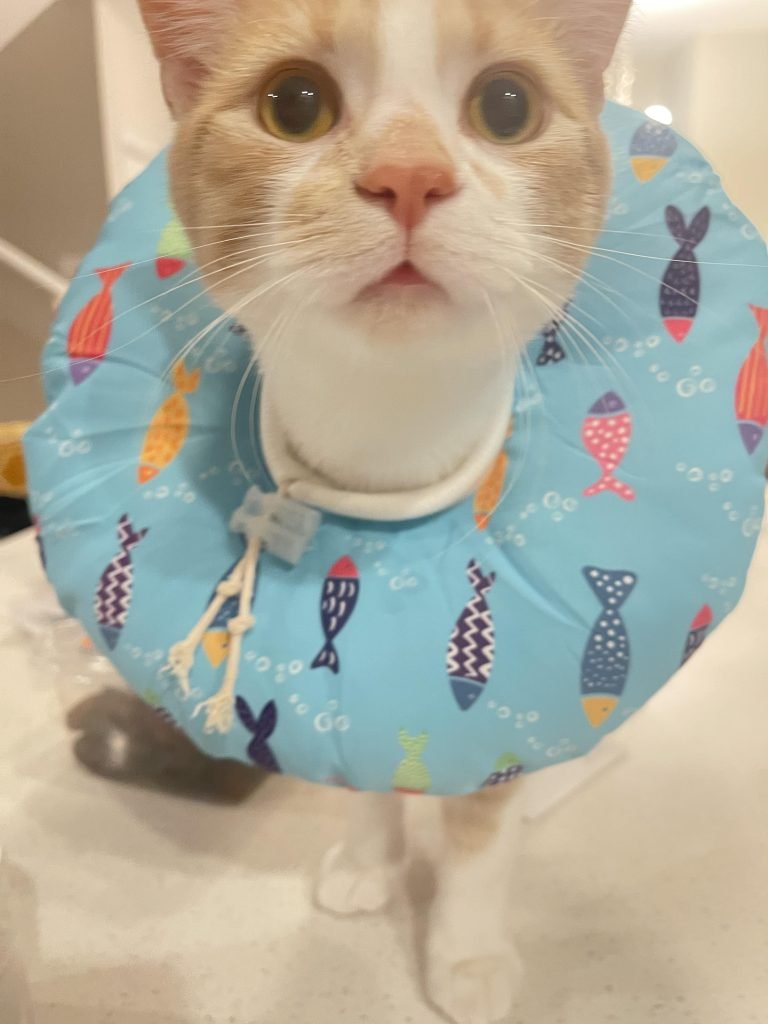
If your cat has just been spayed, you might be wondering, “Does she really need to wear a cone?” You want to help her heal quickly and comfortably, but the thought of a plastic cone can feel stressful for both of you. Understanding why a cone might be necessary could make all the difference in your cat’s recovery.
Keep reading to discover what role the cone plays, how it protects your furry friend, and what you can do to keep her safe and happy after surgery. This simple step might be the key to a smooth healing process.
Importance Of Post-surgery Care
Post-surgery care is vital for your cat’s quick and safe recovery. It helps prevent infections and other complications. Proper care ensures the surgical site heals well and your cat stays comfortable.
After spaying, your cat needs extra attention. The body is vulnerable, and wounds require protection. Good care reduces pain and stress for your pet.
Protecting The Surgical Site
The surgery area must stay clean and untouched. Scratching or licking can cause infections or open wounds. Using a cone or other barriers helps keep your cat from disturbing the site.
Monitoring For Signs Of Infection
Watch for redness, swelling, or discharge around the surgery area. These signs may mean infection. Early detection allows quick treatment and avoids serious problems.
Providing Comfort And Rest
Rest is important for healing. Create a quiet space for your cat to relax. Avoid rough play or jumping that may hurt the surgery site.
Following Veterinarian Instructions
Vet guidance is key to a smooth recovery. Give all medications as prescribed. Attend follow-up visits to check healing progress and address concerns.
Role Of The Cone
The cone plays a vital role after a cat is spayed. It protects the healing area and prevents complications. The cone stops cats from licking or biting their stitches. This helps avoid infections and delays in healing. Using a cone ensures the surgery site stays clean and safe.
The Cone Prevents Licking And Biting
Cats often lick or bite at their wounds. This can cause irritation or reopen the stitches. The cone blocks their access to the surgery area. It helps keep the wound intact and reduces the risk of infection.
How The Cone Supports Healing
Healing needs a calm and undisturbed area. The cone stops cats from scratching or rubbing the wound. This allows the skin to repair properly. The cone also reduces swelling and redness around the site.
Types Of Cones For Cats
- Plastic cones: Rigid and effective at blocking access
- Soft fabric cones: More comfortable but less protective
- Inflatable collars: Lightweight and less stressful for cats
Each type has pros and cons. Choose one based on your cat’s comfort and safety.
Types Of Cones Available
After spaying, cats often need protection to stop them from licking their wounds. Cones help with this by creating a barrier around their heads. Various types of cones are available, each with unique features. Choosing the right cone depends on your cat’s comfort and healing needs.
Traditional Plastic Cones
Traditional plastic cones are the most common. They are firm and keep cats from reaching their wounds. These cones are easy to clean and usually come in different sizes. Some cats may find them stiff and uncomfortable. They can also limit vision and movement.
Soft Fabric Cones
Soft fabric cones offer a gentler option. Made from padded materials, they are more comfortable for cats to wear. These cones are flexible and less likely to cause irritation. Fabric cones allow better movement and vision but may not block licking as well as plastic cones.
Inflatable Collars
Inflatable collars look like small neck pillows. They prevent cats from turning their heads to reach wounds. These collars are lightweight and less stressful for cats. Inflatable collars do not block vision much and allow more freedom. They may not work well for cats that try hard to remove them.

Credit: www.reddit.com
Alternatives To Cones
If you’re worried about your cat’s comfort after spaying, you’re not alone. The traditional cone can be awkward and stressful for many cats. Luckily, there are alternatives that can protect the surgery site without making your cat feel trapped or frustrated.
Surgical Suits
Surgical suits are soft, snug garments designed to cover the incision area. They prevent your cat from licking or scratching the wound while allowing freedom of movement.
Many pet owners find that their cats tolerate these suits better than cones. The suits come in various sizes and materials, so you can choose one that fits your cat’s body and personality.
Think about your cat’s behavior—does she hate having things on her head but tolerate clothes? A surgical suit might be a great option to keep her safe and comfortable.
Bandages And Wraps
Bandages and wraps offer another way to protect the spay site. You can use breathable materials to cover the area, securing it gently without restricting movement.
Proper application is key. Too tight, and it can cause discomfort or circulation issues; too loose, and your cat might remove it quickly. If you’re unsure, ask your vet to show you how to apply them safely.
Consider your cat’s activity level. If she’s very active or loves scratching, bandages might need frequent checking or reinforcement to stay effective.
Monitoring Your Cat’s Recovery
After your cat’s spaying surgery, careful monitoring is essential to ensure a smooth recovery. Your role shifts to being an attentive observer, watching for any signs that might indicate complications. Staying vigilant helps you act quickly if something doesn’t seem right, protecting your cat’s health and comfort.
Signs Of Infection
Check the incision site daily. Look for redness, swelling, or discharge that’s yellow or green. These could be clear signs of infection that need prompt veterinary attention.
If your cat’s incision feels warm to the touch or has an unpleasant smell, don’t ignore it. Also, be alert if your cat starts licking the area excessively, as this can worsen the wound.
Remember, a small amount of clear fluid might be normal, but anything that looks like pus or causes your cat pain should raise concern. If you spot any of these signs, contact your vet immediately.
Behavioral Changes
Notice if your cat becomes unusually lethargic or refuses to eat. These changes can indicate pain or discomfort. Sometimes cats hide their pain well, so subtle shifts in behavior are important clues.
Watch for increased irritability or withdrawal from social interaction. Your cat might also vocalize more or less than usual, signaling distress.
Keep an eye on your cat’s bathroom habits. Difficulty urinating or defecating could point to complications. How often does your cat rest versus move around? Balance is key, and any drastic change warrants a closer look.

Credit: www.reddit.com
Creating A Comfortable Environment
Creating a comfortable environment helps your cat heal faster after spaying. It lowers stress and keeps your cat calm. A calm cat is less likely to touch the surgery area or damage stitches.
Safe Resting Spaces
Provide a quiet and cozy spot for your cat to rest. Use soft blankets or bedding to make it warm and inviting. Choose a place away from loud noises and other pets. This helps your cat feel secure and relaxed.
Limit access to high or hard surfaces to avoid jumping. Keep food, water, and litter box close to the resting area. Your cat can easily reach everything without moving too much.
Managing Activity Levels
Keep your cat’s movement slow and gentle. Avoid games that encourage jumping or running. Use calm playtime with soft toys to keep your cat entertained without stress.
Watch your cat closely and stop any rough behavior. Encourage rest by spending quiet time near your cat. Your calm presence helps your cat stay peaceful and rest well.
Nutrition And Hydration Needs
After your cat has been spayed and is wearing a cone, paying attention to nutrition and hydration is crucial. The cone can make eating and drinking a bit tricky, so you need to adjust how you provide food and water to keep your cat comfortable and healthy. Proper nutrition supports healing, while staying hydrated helps prevent complications.
Adjusting Food Presentation
Your cat’s cone might block easy access to their bowls. Try using shallow, wide dishes to make it easier for them to reach their food without bumping the cone. Sometimes, placing food on a flat plate instead of a bowl helps your cat eat more comfortably.
If your cat seems frustrated, hand-feeding small amounts or offering soft, easy-to-eat foods can encourage eating. Have you noticed your cat avoiding meals because of the cone? Small changes like these can make a big difference.
Choosing The Right Food
Soft, moist foods are often better after surgery, especially with the cone on. Wet cat food or softened dry kibble provides necessary nutrients and is easier to eat. Avoid hard or dry foods that could discourage your cat from eating while dealing with the cone.
Additionally, foods rich in protein and vitamins help speed up recovery. Think about adding a little extra protein if your vet agrees. Your cat’s appetite might fluctuate, so offering tempting, nutritious options can keep them nourished.
Ensuring Easy Access To Water
Hydration is just as important as nutrition during recovery. The cone can make it awkward for your cat to drink from a standard water bowl. Try a shallow dish or a pet water fountain with a wider spout to encourage drinking.
Placing multiple water sources around your home can also help. Have you checked if your cat is drinking enough since the surgery? Dehydration can slow healing and cause other health issues.
Monitoring Intake And Behavior
Keep a close eye on how much your cat is eating and drinking each day. A sudden drop in intake could signal discomfort or a problem with the cone. Note any changes in behavior or signs of stress related to feeding time.
Maintaining a feeding routine, even with the cone, helps your cat feel secure. What small adjustments have you made to keep your cat’s nutrition and hydration on track? Sharing these tips can help others facing the same challenge.
When To Consult The Veterinarian
Knowing when to contact the veterinarian after your cat’s spay surgery is crucial. Some signs mean your cat needs professional care. Prompt attention helps avoid complications and speeds recovery.
Watch your cat closely for any unusual behavior or physical changes. Trust your instincts. If something feels wrong, a vet check is best.
Signs Of Infection At The Surgery Site
Redness, swelling, or pus around the incision can indicate infection. A bad smell or warmth near the wound is also a warning. These signs need a vet’s assessment quickly.
Excessive Licking Or Biting Despite The Cone
Some cats try to remove or ignore the cone. If your cat keeps licking or biting the surgery site, it may cause damage. This behavior means you should seek veterinary advice.
Unusual Behavior And Appetite Changes
If your cat is very tired, hiding, or refusing food and water, it is a concern. Lethargy and loss of appetite after surgery require a vet’s evaluation.
Difficulty Breathing Or Persistent Vomiting
Breathing problems or repeated vomiting after surgery are serious. Immediate veterinary care is necessary to address these symptoms.
Failure Of The Incision To Heal
If the wound stays open or looks worse after a few days, consult your vet. Proper healing is vital to prevent complications.

Credit: www.reddit.com
Frequently Asked Questions
Do Cats Always Need A Cone After Spaying?
Not always. Most cats benefit from a cone to prevent licking. It protects the incision and speeds healing.
How Long Should A Cat Wear A Cone Post-spay?
Typically, 7 to 10 days. This duration covers the critical healing phase and reduces infection risk.
Can Cats Heal Well Without A Cone After Spaying?
Some cats heal fine without cones if they don’t lick wounds. However, cones are safer to avoid complications.
What Alternatives Exist To Cones For Post-spay Cats?
Soft collars or inflatable neck rings can be used. They are less restrictive but still prevent licking.
Conclusion
Cats often need cones after spaying to protect their healing wounds. The cone stops them from licking or scratching the surgery site. Without it, infections or injuries can happen easily. Some cats tolerate cones well, while others may struggle at first.
Patience and gentle care help them adjust. Always follow your vet’s advice for the best recovery. Keeping your cat safe and comfortable is the top priority. A cone can be a simple step to ensure quick healing. It is worth using for your cat’s health.
