

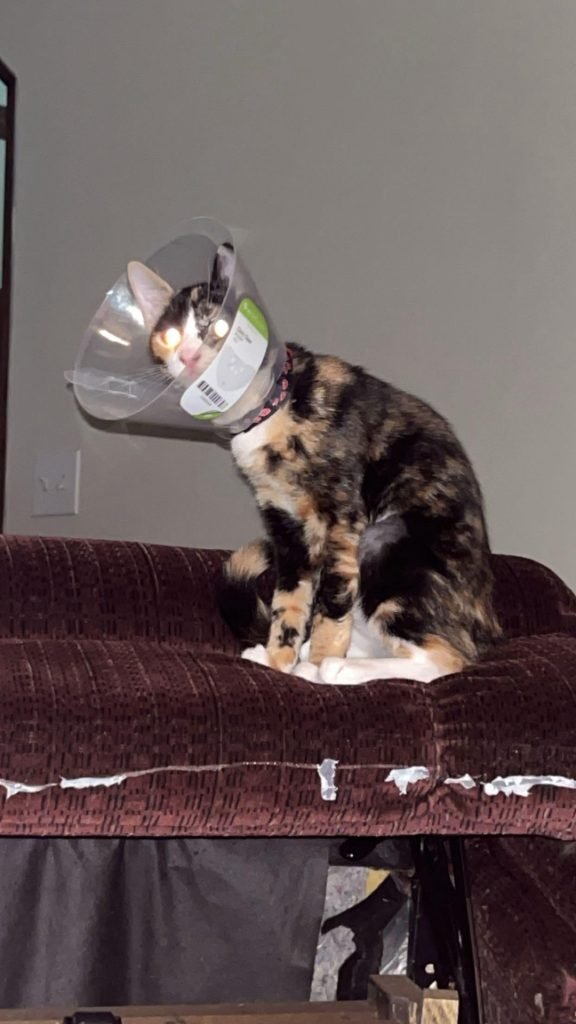
If your cat has just been spayed, you might be wondering if she really needs to wear a cone. You want to help her heal quickly and avoid any problems, but the thought of your furry friend stuck in that awkward collar can be tough.
The truth is, the cone plays a big role in protecting your cat’s recovery, but there are important things you should know before deciding. Keep reading to discover why the cone matters, when it’s essential, and how you can make your cat’s healing time as comfortable as possible.
Your cat’s health and happiness depend on it.
Importance Of Spaying
Spaying is a vital procedure for cats that benefits their health and behavior. It prevents unwanted litters and reduces the risk of many diseases. Spaying also helps control the cat population, which is important for animal welfare. Many cats live healthier and longer lives after being spayed.
Understanding why spaying is important helps cat owners make better choices. It is not just about preventing kittens but also about improving the quality of life for cats. This section explains key reasons why spaying matters.
Health Benefits Of Spaying
Spaying lowers the chance of uterine infections and breast tumors. These health problems can be serious and costly. Spayed cats rarely develop these conditions. The surgery also stops heat cycles, which can be stressful for cats.
Behavioral Improvements
Spayed cats are less likely to roam far from home. They often show less aggression and fewer spraying habits. This makes living with a cat easier and more pleasant. Spaying helps cats stay calmer and more focused on their family.
Population Control
Millions of cats are homeless or in shelters every year. Spaying reduces the number of unwanted kittens born. This helps lower the number of cats that need homes. Fewer stray cats mean fewer risks of disease and injury for all animals.
Financial Savings
Spaying can save money over time by avoiding costs of caring for litters. Medical bills from infections or injuries related to heat cycles also decrease. Many shelters and clinics offer affordable spaying options to help owners.
Understanding The Recovery Process
Understanding the recovery process after a cat’s spay surgery helps owners provide the best care. Cats need gentle attention and a calm space to heal well. Watching their behavior and health closely can prevent problems. Learning what to expect each day supports a smooth recovery.
Immediate Post-surgery Care
After surgery, cats may feel sleepy and weak. They need a warm, quiet place to rest. Avoid loud noises and sudden movements around them. Offer small amounts of water and food once they are alert. Check the surgery site daily for swelling or redness. Keep cats from licking or biting the wound to avoid infection. Using a cone can stop them from disturbing the area.
Healing Timeline
Healing after spay surgery usually takes about 10 to 14 days. The first few days are the most critical. Swelling and tenderness should lessen each day. By day seven, most cats feel more active and eat normally. The stitches or staples may dissolve or need removal around this time. Complete healing occurs when the skin closes fully, and the cat resumes normal activity. Monitoring your cat during this time ensures a safe recovery.
Role Of The Cone In Recovery
The cone, often called an Elizabethan collar, plays a crucial role in your cat’s recovery after a spay surgery. It acts as a physical barrier that helps keep your feline friend from interfering with the healing process. Understanding how the cone works can help you appreciate why it’s often recommended, even if your cat seems restless or uncomfortable wearing it.
Preventing Licking And Scratching
Your cat’s natural instinct is to lick or scratch any area that feels irritated or unusual. After spaying, the incision site can feel itchy or sensitive, which tempts cats to lick or chew it. This behavior can cause infections or reopen the wound, delaying healing.
The cone stops your cat from reaching the incision with their tongue or paws. Without this barrier, you might find yourself constantly redirecting your cat, which is stressful for both of you. Trusting the cone means trusting that your cat’s healing will progress without setbacks.
Protecting The Incision Site
The incision needs a clean, undisturbed environment to heal properly. Even a small amount of dirt or saliva can introduce bacteria, leading to complications. The cone acts as a shield, preventing accidental bumps or scratches that can harm the delicate tissue.
Think about the last time you had a cut and accidentally rubbed or scratched it—painful, right? Your cat can’t understand why they need to avoid the spot, so the cone does the job for them. It ensures the incision stays intact until the stitches dissolve or are removed safely.
Types Of Cones And Alternatives
After a spay surgery, protecting your cat from licking or biting the incision is crucial. The types of cones and alternative protective wear you choose can make a big difference in your cat’s comfort and healing process. Understanding the options helps you pick what fits your cat’s personality and lifestyle best.
Traditional Plastic Cones
These are the classic “Elizabethan collars” most people think of. Made of stiff plastic, they create a barrier that stops your cat from reaching the surgery site. They’re effective but can be uncomfortable and limit your cat’s vision and movement.
I once had a cat who hated the plastic cone so much she refused to eat for hours. If your cat shows signs of stress or frustration, you might want to consider softer alternatives.
Soft Fabric Cones
Soft fabric cones are more flexible and padded, making them gentler around your cat’s neck. They allow better movement and are less likely to cause irritation. However, they might not be as rigid, so some cats can still reach the incision.
These cones are a great option if your cat is sensitive or anxious. You can find them in various sizes and colors, which can be a fun way to ease the post-surgery period.
Inflatable Collars
Inflatable collars look like small neck pillows. They prevent your cat from turning their head to reach the wound but don’t block peripheral vision. This type is less stressful for many cats since it feels more natural.
One challenge is that if your cat is very flexible or determined, they might still reach the surgery area. But for cats who hate traditional cones, this can be a peaceful compromise.
Alternative Protective Wear
Beyond cones, there are other ways to protect your cat’s incision. Surgical recovery suits or pet onesies cover the area and prevent licking. These can be more comfortable and less intrusive, especially for cats who dislike anything around their neck.
Keep in mind, suits need to fit well to avoid rubbing or slipping. You’ll need to monitor your cat to make sure they don’t chew or pull at the suit.
Which type would your cat tolerate best? Think about their personality and how active they are. Sometimes, trying different options is the key to finding the perfect fit for a smooth recovery.
Tips For Helping Cats Adjust
Helping your cat adjust after a spay surgery and while wearing a cone can be challenging. Your support makes a huge difference in how quickly they recover and feel comfortable again. Here are some practical tips to ease your cat through this period.
Ensuring Comfort
Comfort is key to helping your cat accept the cone. Make sure the cone fits well—not too tight or too loose—to avoid extra stress or injury. You might want to try soft fabric cones or inflatable collars as alternatives if your cat struggles with the traditional plastic ones.
Create a quiet and cozy resting spot with soft bedding where your cat can retreat. Keep food and water dishes within easy reach so they don’t have to struggle to eat or drink. Small adjustments like these can make a big difference in your cat’s mood and healing process.
Monitoring Behavior
Watch your cat’s behavior closely to catch any signs of discomfort or distress early. Are they trying to remove the cone constantly? Are they eating, drinking, and using the litter box normally? These clues help you know if the cone is causing problems or if the healing is on track.
Sometimes, a cat may become withdrawn or overly vocal. Don’t ignore these signals—they could mean pain or frustration. Keeping a daily log of your cat’s behavior can help you notice patterns and discuss concerns with your vet more effectively.

Credit: www.amazon.com
When To Consult A Veterinarian
Knowing when to reach out to a veterinarian after your cat’s spay surgery can make a big difference in their recovery. Not every sign of discomfort means trouble, but some symptoms require immediate attention. Being alert to these signs helps you protect your cat from complications and ensures a smoother healing process.
Signs Of Complications
Watch closely for any unusual behavior or physical changes. If your cat shows persistent vomiting, diarrhea, or refuses to eat for more than 24 hours, it’s time to consult your vet.
Look for swelling, redness, or discharge around the surgery site. These can indicate an infection that needs prompt treatment. Excessive licking or biting at the incision can also cause damage and delay healing.
Other warning signs include lethargy, difficulty breathing, or sudden changes in urination or bowel movements. If you notice any of these, don’t hesitate to call your vet. Your cat’s comfort and safety depend on early intervention.
Post-surgery Check-ups
Scheduled follow-up visits are essential, even if your cat appears fine. These appointments allow the vet to examine the incision and catch any issues before they worsen.
During these check-ups, your vet may remove stitches or adjust the recovery plan. It’s also a chance for you to ask questions and get advice tailored to your cat’s needs.
Think about how your cat behaved after their last surgery. Were there any surprises? Sharing these experiences with your vet helps them provide better care and guidance. Don’t underestimate the value of these check-ins—they’re a key step in your cat’s full recovery.
Creating A Safe Recovery Environment
Creating a safe recovery environment for your cat after a spay surgery is crucial for their healing process. A calm, secure space helps reduce stress and prevents accidental injuries. You want to give your furry friend every chance to recover comfortably and quickly.
Designating A Rest Area
Choose a quiet spot in your home where your cat can rest undisturbed. This area should be warm, cozy, and free from loud noises or heavy foot traffic. Soft bedding, like a blanket or a pet bed, will provide comfort without putting pressure on the surgery site.
Keep essentials like food, water, and a litter box within easy reach to minimize movement. I once placed a small cat carrier with a soft towel inside for my cat after surgery—it created a snug hideaway that she loved and didn’t want to leave. Think about what makes your cat feel safe and replicate that.
Limiting Physical Activity
After surgery, your cat needs to avoid jumping, running, or rough play to prevent opening the incision. You might need to gently restrict access to stairs or high furniture. Using baby gates or closing doors can help keep your cat in a controlled space.
Engage your cat with calm activities like gentle petting or quiet play with soft toys. Have you noticed how some cats try to escape confinement? It’s natural, but patience and a little creativity can keep them calm. Remember, limiting activity doesn’t mean isolating—just keeping movement slow and safe.

Credit: www.amazon.com

Credit: www.reddit.com
Frequently Asked Questions
Do Cats Always Need A Cone After Spaying?
Not all cats require a cone after spaying. Vets recommend cones to prevent licking or biting at stitches. Some cats heal quickly and don’t bother the incision. Always follow your vet’s advice to ensure safe healing.
How Long Should A Cat Wear A Cone Post-spay?
Cats typically wear a cone for 7 to 14 days after spaying. This period protects the incision while it heals. Removing the cone too early risks infection or reopening wounds. Consult your vet before taking the cone off.
What Are Alternatives To Cones For Spayed Cats?
Alternatives include inflatable collars, soft fabric cones, or surgical recovery suits. These options reduce stress and discomfort. However, effectiveness varies by cat behavior. Always monitor your cat closely to prevent licking or scratching the incision.
Can A Cone Prevent Infection After Spaying?
Yes, cones prevent cats from licking or biting the incision site. This behavior can introduce bacteria and cause infections. Using a cone is a simple way to keep the wound clean and promote faster healing.
Conclusion
Cats often need a cone after spay surgery to heal well. The cone stops them from licking or biting the wound. This helps prevent infection and speeds up recovery. Some cats may not like wearing a cone but it protects them.
Always follow your vet’s advice about using the cone. Watch your cat closely and keep the area clean. With care and patience, your cat will feel better soon. A cone is a small step to keep your pet safe and healthy.
