

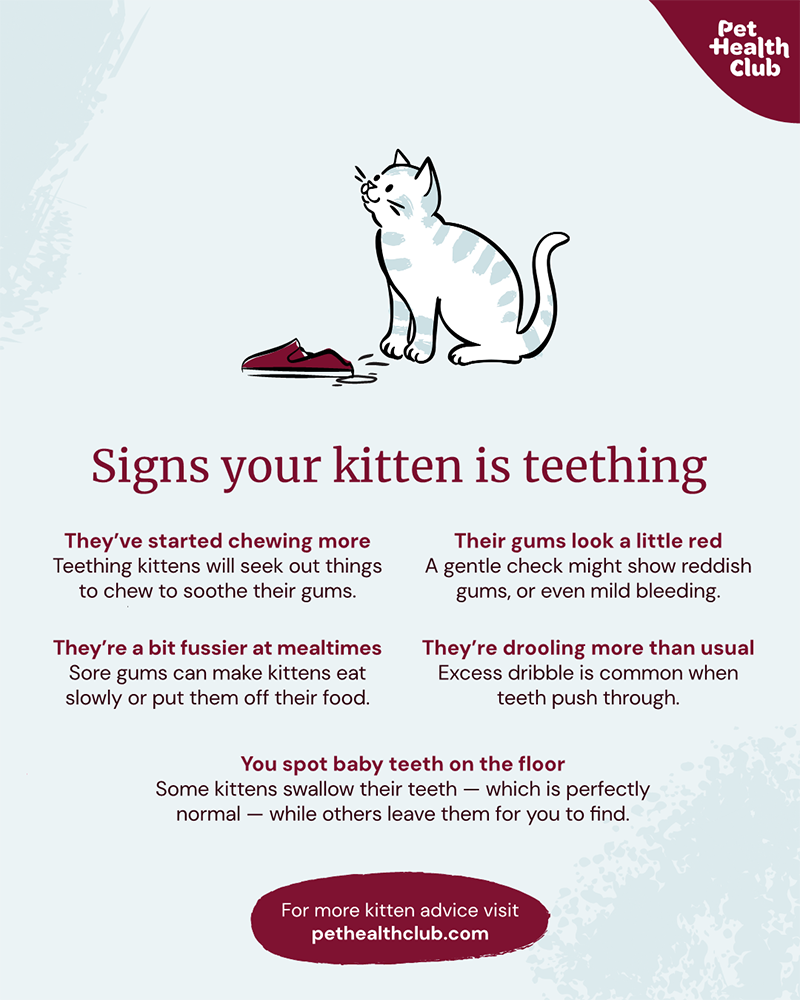
Have you ever noticed tiny little teeth lying around and wondered, “Do cats lose their baby teeth?” If you’re a cat owner, this question might have crossed your mind as you watch your furry friend grow. Understanding how your cat’s teeth develop can help you keep their smile healthy and catch any issues early.
You’ll discover everything you need to know about your cat’s baby teeth—when they fall out, what to expect, and how to care for their new adult teeth. Keep reading to learn the surprising facts that every cat lover should know!

Credit: www.reddit.com
Cat Teeth Development
Understanding cat teeth development can help you care better for your kitten’s oral health. Just like human babies, kittens grow a set of baby teeth before their adult teeth come in. Watching this process unfold is fascinating and crucial for knowing when your kitten might experience some discomfort or need extra attention.
When Kittens Get Their Baby Teeth
Kittens usually start developing their baby teeth around two to three weeks of age. These tiny teeth continue to emerge until they have a full set by about six to eight weeks old.
Have you noticed your kitten chewing more or acting a bit restless around this age? That’s often because their baby teeth are poking through the gums.
By the time your kitten is around three months old, those baby teeth begin to fall out. This makes room for the stronger adult teeth to grow in.
Types Of Baby Teeth In Cats
Kittens are born without teeth, but their baby teeth quickly develop into a complete set. They have 26 baby teeth in total, which is fewer than the 30 adult teeth they will eventually have.
- Incisors:Small teeth at the front, used for nibbling and grooming.
- Canines:Pointed teeth that help with biting and holding prey.
- Premolars:Located behind the canines, these teeth assist in chewing.
Unlike adult cats, baby cats don’t have molars yet. Those only come in when the adult teeth replace the baby ones.
Have you ever felt your kitten’s tiny, sharp baby teeth? It’s a good reminder to provide safe chew toys to ease any discomfort and protect your fingers!

Credit: www.reddit.com
Shedding Baby Teeth
Cats, like humans, start life with baby teeth. These tiny teeth help kittens eat soft food and explore their world. Over time, these baby teeth fall out to make room for stronger adult teeth. This process is natural and important for your cat’s dental health. Understanding how and when cats lose their baby teeth helps you care for your kitten better.
Timeline For Losing Baby Teeth
Kittens begin to lose their baby teeth at about three weeks old. This process continues until they are around six months old. By this age, most kittens have all their adult teeth. The timeline can vary slightly depending on the cat’s breed and health.
- 3 to 4 weeks: Baby teeth start to loosen
- 6 to 8 weeks: Front teeth fall out first
- 3 to 4 months: Canine teeth begin to shed
- 5 to 6 months: Molars replace baby teeth
- By 6 months: Full set of adult teeth
Signs Your Kitten Is Losing Teeth
Watch for small changes that show your kitten is shedding baby teeth. Loose teeth may cause mild discomfort or fussiness. Your kitten may chew more on toys or fingers to ease the feeling. Tiny teeth or teeth fragments may appear in their food or bedding.
- Increased chewing or biting behavior
- Small drops of blood near the mouth
- Missing baby teeth or gaps in the gums
- Swollen or red gums
- Occasional mild drooling
Keep an eye on these signs. They help you know your kitten’s dental health is progressing normally.
Adult Teeth Growth
Adult teeth growth in cats is a fascinating process that marks their transition from playful kittens to mature felines. This phase involves the replacement of tiny, fragile baby teeth with stronger, permanent ones designed to last a lifetime. Understanding how and when this happens can help you care better for your cat during this important stage.
Permanent Teeth Eruption
Permanent teeth usually start to appear when your kitten is about 3 to 4 months old. These new teeth push out the baby teeth, which often fall out on their own during play or eating. You might notice your kitten chewing more as the new teeth break through the gums—this is a natural part of the process.
It’s important to keep an eye on your cat’s mouth during this time. If baby teeth don’t fall out naturally, they can cause crowding and discomfort. Have you checked if your cat’s teeth feel loose or if there’s any redness? These signs can indicate that adult teeth are on their way.
Differences Between Baby And Adult Teeth
Baby teeth are smaller, sharper, and more delicate compared to adult teeth. They help kittens nurse and explore their world but aren’t built for the tougher diet adult cats have. Adult teeth are larger, stronger, and better suited for chewing meat and crunching harder food.
- Baby Teeth:26 in total, very sharp and needle-like
- Adult Teeth:30 in total, including stronger molars for grinding
Have you noticed how your cat’s bite feels different now compared to when they were a kitten? This change reflects the shift from baby to adult teeth. Paying attention to these differences can help you spot dental issues early and keep your cat’s mouth healthy.
Dental Health Tips
Keeping your kitten’s teeth healthy from the start sets the stage for a lifetime of strong smiles. Dental health is often overlooked but plays a crucial role in your cat’s overall wellbeing. A few simple habits can prevent pain and costly vet visits later.
Caring For Kitten Teeth
Have you ever tried brushing a kitten’s teeth? It’s easier than you think if you start early. Use a soft-bristled toothbrush designed for cats and a toothpaste made specifically for them.
Begin by gently rubbing your kitten’s gums with a clean finger. This gets them used to the sensation. Then, introduce brushing gradually, focusing on the outside surfaces of their teeth where plaque builds up most.
Consistency is key. Brushing a few times a week can make a huge difference. Your kitten will learn to tolerate it, and you’ll spot any dental problems early.
Preventing Dental Issues
What kind of food do you feed your cat? Dry kibble helps reduce plaque buildup compared to wet food, but a mix of both works well if you manage oral care actively.
Dental treats and toys designed to clean teeth can support your efforts. They help scrape away plaque and keep your cat’s jaws strong.
Regular veterinary check-ups are essential. Your vet can catch hidden problems and recommend professional cleanings if needed.
- Check your cat’s breath regularly; bad odor can signal trouble.
- Watch for difficulty eating or drooling, which may indicate pain.
- Keep an eye on any changes in chewing habits or pawing at the mouth.
Are you ready to make dental care a part of your daily routine? Small steps now can prevent big problems later and keep your feline friend happy and healthy.
When To Consult A Vet
Knowing when to consult a vet about your cat’s teeth is important. Cats lose their baby teeth naturally, but some issues need professional care. Watch your cat closely during this phase.
Troubles With Tooth Loss
Sometimes, baby teeth don’t fall out as they should. This can cause pain or difficulty eating. Teeth might get stuck or grow in strange places. A vet can check for stuck teeth or infections. Early help prevents bigger problems later.
Indicators Of Dental Problems
- Bad breath that won’t go away
- Swollen or red gums
- Bleeding from the mouth
- Drooling more than usual
- Refusing to eat or chew
- Loose or broken teeth
- Pawing at the mouth or face
These signs suggest dental problems needing vet attention. Regular vet visits keep your cat’s teeth healthy. Quick action stops pain and infection.

Credit: www.reddit.com
Frequently Asked Questions
Do Cats Lose Their Baby Teeth Naturally?
Yes, cats naturally lose their baby teeth. Kittens start losing them around 3 to 4 months old. Adult teeth then replace the baby teeth by 6 months of age.
When Do Kittens Lose Their Baby Teeth?
Kittens typically lose their baby teeth between 3 to 6 months. This process happens gradually as adult teeth grow in. It’s a normal developmental stage for all healthy kittens.
How Can I Tell If My Cat Lost Baby Teeth?
You might notice small teeth on the floor or in their bedding. Your kitten may also chew more often or have mild gum swelling. Regular vet checks confirm healthy tooth replacement.
Are Missing Baby Teeth Harmful To Cats?
No, losing baby teeth is normal and not harmful. If adult teeth grow in correctly, your cat’s dental health is usually fine. Consult a vet if you see unusual gaps or pain.
Conclusion
Cats do lose their baby teeth, just like humans do. These tiny teeth fall out to make room for adult teeth. It usually happens when kittens are about three to six months old. You might find small teeth around your home or notice your kitten chewing more.
This process is natural and helps your cat grow strong teeth. Keep an eye on your kitten’s mouth for any problems. Healthy teeth mean a happy cat. Caring for your kitten’s teeth early sets a good habit for life.
