

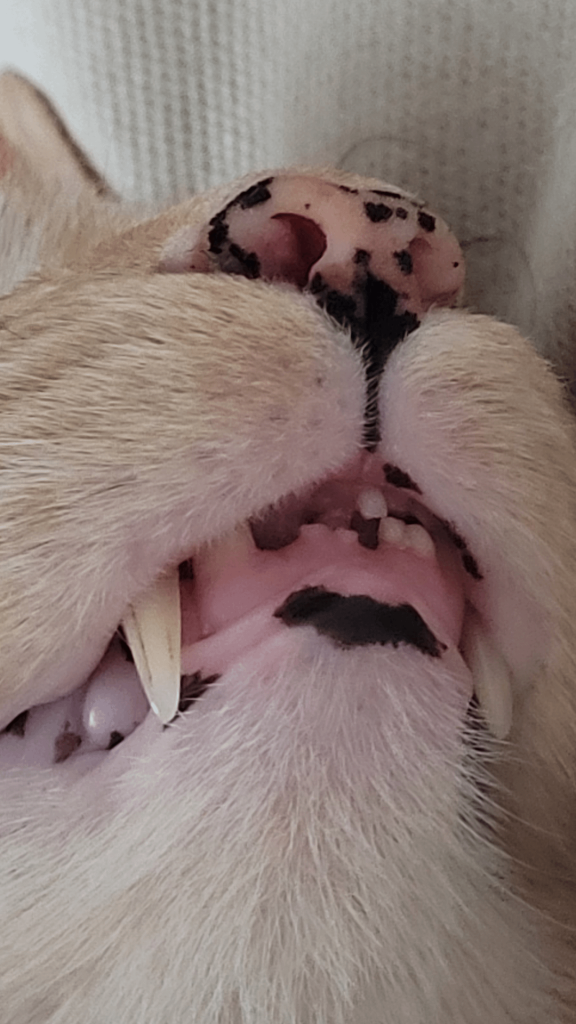
Have you ever noticed your cat chewing differently or found tiny teeth around your home? You might be wondering, “Do cats lose teeth?” Just like humans, your feline friend goes through changes in their mouth that can affect their teeth.
Understanding why and when cats lose teeth can help you keep your pet healthy and happy. Keep reading to discover the surprising facts about your cat’s teeth and what you should watch out for to protect your furry companion’s smile.
Cats And Their Dental Health
Cats rely heavily on their teeth for eating, grooming, and even communicating. Healthy teeth contribute significantly to their overall well-being. Understanding how dental health affects your cat can help you spot problems early and prevent unnecessary pain or complications.
Cats’ Teeth Structure And Function
Cats have 30 adult teeth designed for tearing meat and crunching bones. Their sharp canines are perfect for catching prey, while molars help with chewing. Unlike humans, cats don’t chew much; their teeth mainly cut and shear food.
Signs Of Dental Problems In Cats
Have you noticed your cat drooling more or avoiding hard food? These could be signs of dental trouble. Other symptoms include bad breath, pawing at the mouth, or swollen gums. Paying attention to these signs can save your cat from discomfort.
Common Causes Of Tooth Loss In Cats
Just like people, cats can lose teeth due to decay and gum disease. Trauma from accidents or fights can also cause tooth damage. Older cats often experience tooth loss due to weakened gums and chronic infections.
Preventing Dental Issues In Your Cat
- Brush your cat’s teeth regularly using a cat-friendly toothbrush and toothpaste.
- Provide dental treats or toys designed to reduce plaque buildup.
- Schedule routine vet checkups that include dental exams.
Do you know the last time your cat’s teeth were checked? Keeping a regular dental routine can make a big difference.
What To Do If Your Cat Loses A Tooth
If your cat loses a tooth, watch for signs of pain or infection. Contact your vet promptly—they might recommend treatment or extraction of damaged teeth. Remember, some tooth loss is normal with age, but it should never be ignored.
Common Reasons For Tooth Loss
Tooth loss in cats can be alarming, but understanding the common reasons behind it helps you respond better. Cats don’t lose teeth randomly; there are specific causes that you should watch out for. Knowing these reasons can guide you in providing the right care and preventing further dental issues.
Natural Tooth Shedding
Just like human babies lose their baby teeth, kittens shed their deciduous teeth to make room for adult teeth. This process usually happens between 3 to 6 months of age. If you notice a small tooth on the floor or your kitten has trouble chewing, it’s likely part of this natural transition.
However, if an adult cat loses teeth, it’s rarely due to natural shedding. Keep an eye on your cat’s mouth during this stage to ensure all baby teeth fall out properly and adult teeth grow in straight. Missing this can lead to crowding or infections later.
Dental Diseases
Dental diseases are the leading cause of tooth loss in adult cats. Conditions like gingivitis, periodontitis, and tooth resorption break down the gums and bone supporting the teeth. This damage weakens the teeth, causing them to loosen or fall out.
If your cat shows signs like bad breath, difficulty eating, or swollen gums, these could be red flags. Regular dental check-ups and cleaning can catch these problems early. Have you checked your cat’s teeth recently?
Trauma And Injury
Accidents and injuries can cause sudden tooth loss. Cats that fall, get into fights, or chew on hard objects may chip, crack, or lose teeth outright. Even a small injury can lead to infection if not treated promptly.
It’s important to monitor your cat’s behavior after any trauma. Notice if your cat avoids chewing on one side or shows signs of pain. Taking your cat to the vet quickly can prevent complications and preserve their dental health.
Signs Your Cat May Be Losing Teeth
Noticing signs of tooth loss in cats helps catch problems early. Teeth are important for chewing and overall health. Changes in your cat’s behavior may point to dental issues. Watch closely for symptoms that show tooth loss might be happening.
Changes In Eating Habits
Your cat may eat less or drop food from the mouth. Chewing only on one side or avoiding hard food is common. Sometimes, cats swallow food whole to avoid pain. These shifts often mean discomfort in the mouth or lost teeth.
Visible Tooth Loss
Look inside your cat’s mouth for missing or loose teeth. Gums may appear red, swollen, or bleed slightly. Teeth gaps or broken teeth can be clear signs. Regular checks can help spot these changes early and protect dental health.
Bad Breath And Drooling
Strong bad breath can signal infection or decay linked to tooth loss. Excessive drooling or saliva with blood may also appear. These symptoms suggest oral pain or disease affecting your cat’s teeth. Prompt attention can prevent worsening issues.
Preventing Dental Problems
Dental problems in cats can cause pain and affect their overall health. Preventing these issues is vital for your cat’s comfort and well-being. Good dental care helps keep teeth strong and gums healthy.
Regular Dental Check-ups
Visit the vet for dental exams at least once a year. The vet can spot early signs of dental disease. Professional cleaning may be necessary to remove plaque and tartar. These visits help avoid serious problems later.
Proper Oral Hygiene
Brush your cat’s teeth regularly using a soft brush and pet-safe toothpaste. Start slowly to make your cat comfortable. Daily brushing reduces plaque build-up and freshens breath. You can also use dental wipes or water additives made for cats.
Dietary Considerations
Feed your cat a balanced diet that supports dental health. Dry kibble can help reduce plaque by scraping teeth. Special dental diets are available to strengthen teeth and gums. Avoid sugary treats that harm teeth and cause decay.
When To Consult A Veterinarian
Knowing when to consult a veterinarian is key if a cat is losing teeth. Teeth loss can be normal for kittens but concerning in adult cats. Watching for signs helps protect your cat’s health and comfort.
Persistent Oral Pain
Notice if your cat shows signs of ongoing mouth pain. Pawing at the face, drooling, or hiding can mean trouble. Persistent pain is not normal and needs veterinary care.
Difficulty Eating
Cats struggling to eat or dropping food may have dental issues. Loss of appetite or chewing on one side often signals discomfort. A vet can check for tooth problems causing these signs.
Swollen Gums Or Bleeding
Look for red, swollen gums or bleeding inside the mouth. These symptoms can point to infections or gum disease. Early treatment by a vet prevents worsening conditions and tooth loss.
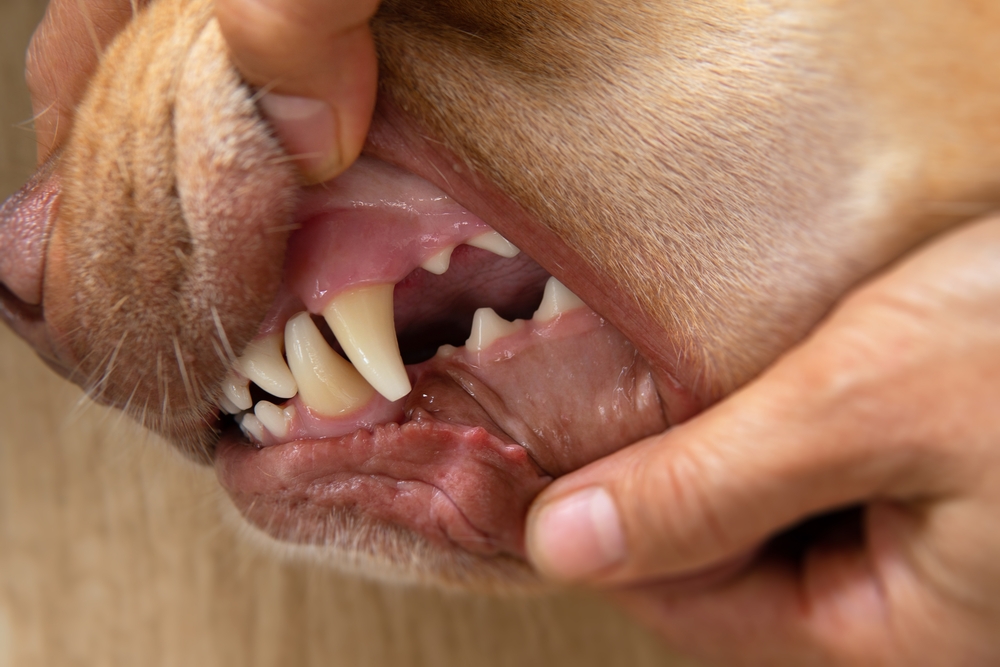
Credit: santamonicavet.com
Myths About Cat Dental Health
Many people believe incorrect things about cat dental health. These myths can stop owners from giving proper care. Knowing the truth helps keep cats healthy and happy. Let’s clear up common misunderstandings about cats and their teeth.
Cats Don’t Need Dental Care
Some think cats do not need teeth cleaning or check-ups. This is not true. Cats can get plaque and tartar just like humans. Without care, their gums can get infected. Dental problems cause pain and eating issues. Regular brushing and vet visits help prevent these problems.
Tooth Loss Is Normal In All Cats
Tooth loss is not normal for every cat. Healthy cats keep their teeth for life. Losing teeth often shows dental disease or injury. Ignoring tooth loss can lead to more serious health problems. Early care can save a cat’s teeth and comfort.
Tips For Maintaining Your Cat’s Dental Health
Keeping your cat’s teeth healthy goes beyond just preventing tooth loss—it affects their overall well-being. Dental care for cats can be simple and even enjoyable for both of you. With the right approach, you can help your feline friend avoid painful dental issues and maintain fresh breath.
Introducing Tooth Brushing
Brushing your cat’s teeth might sound challenging, but starting slowly makes a big difference. Use a soft, small toothbrush designed for cats and a pet-safe toothpaste. Begin by letting your cat lick the toothpaste off your finger to get used to the taste.
Once they are comfortable, gently lift their lips and brush in small circles. Aim for a few teeth at a time and gradually increase the duration. Consistency is key—try to brush at least a few times a week.
Using Dental Treats And Toys
Dental treats and toys can support your cat’s oral health in a fun way. Look for treats that help reduce plaque and tartar buildup while being low in calories. Chewing on textured toys also stimulates gums and helps clean teeth naturally.
Choose products approved by veterinarians and avoid anything too hard that might damage your cat’s teeth. Rotate different toys and treats to keep your cat interested and engaged in their dental care.
Monitoring Oral Health Regularly
Regularly checking your cat’s mouth can catch problems early. Look for signs like bad breath, red or swollen gums, and difficulty eating. If you notice anything unusual, schedule a vet visit promptly.
Try to examine your cat’s teeth weekly during quiet moments together. Early detection can prevent serious dental diseases and save your cat from pain. How often do you check your cat’s mouth?
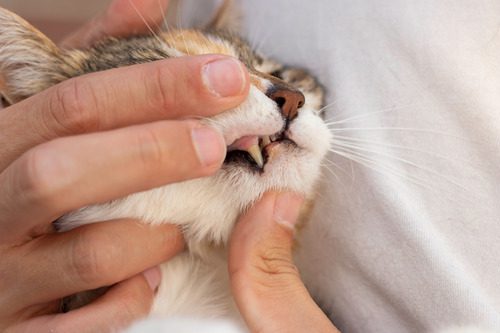
Credit: cvhcp.com

Credit: www.reddit.com
Frequently Asked Questions
Do Cats Normally Lose Baby Teeth?
Yes, kittens lose their baby teeth between 3 to 6 months old. This process is natural. Adult teeth replace baby teeth during this time.
Can Adult Cats Lose Teeth?
Adult cats can lose teeth due to dental disease or injury. Regular vet checks help prevent tooth loss in adult cats.
How To Tell If A Cat Lost A Tooth?
Look for missing teeth, bad breath, or difficulty eating. If you notice these signs, visit a veterinarian for a dental check.
Is Tooth Loss Painful For Cats?
Yes, tooth loss can cause pain and discomfort. Prompt veterinary care is important to relieve pain and treat underlying causes.
Conclusion
Cats do lose teeth, especially when they are young kittens. Baby teeth fall out to make room for adult teeth. Adult cats can lose teeth too, often due to health problems. Watch your cat’s mouth for signs of pain or trouble eating.
Regular vet visits help keep their teeth strong and healthy. Taking care of your cat’s teeth supports their overall well-being. Healthy teeth mean a happier, more comfortable cat. Remember, dental care is important for your furry friend’s long life.
