

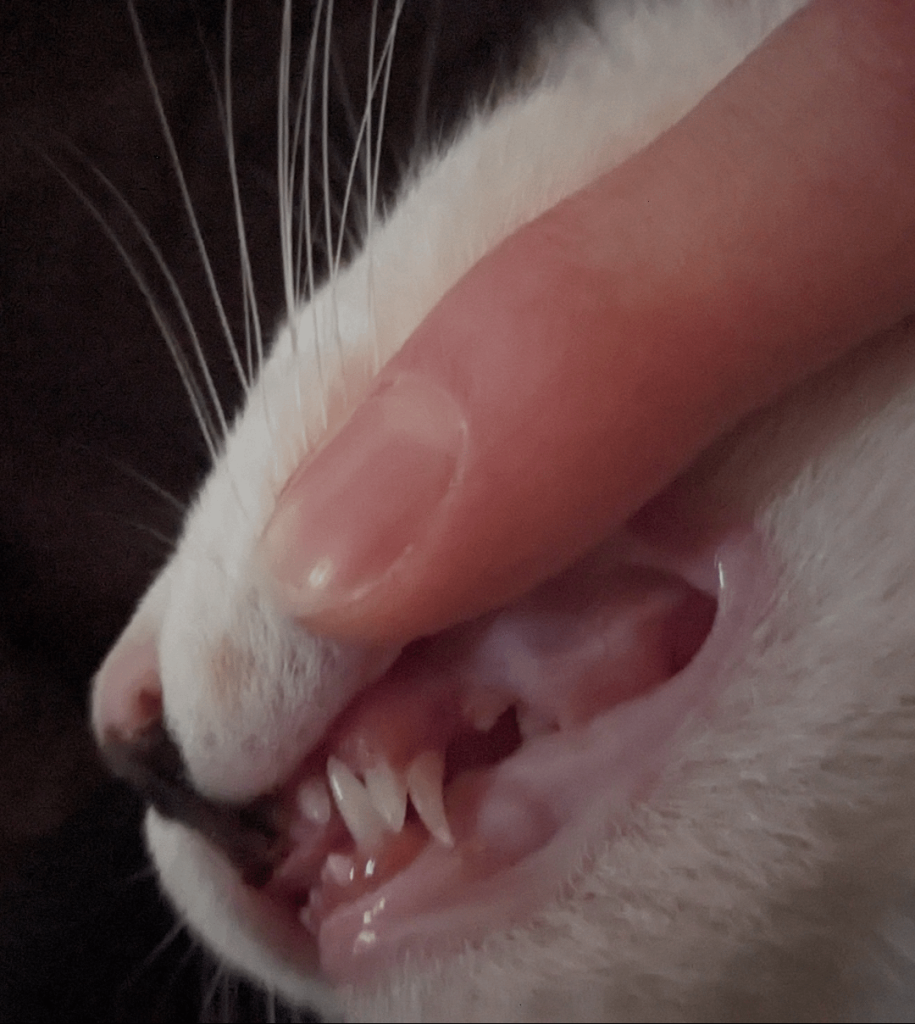
Have you ever noticed tiny teeth around your home and wondered where they came from? If you have a kitten, you might be curious about whether cats lose baby teeth just like children do.
Understanding this natural process can help you take better care of your furry friend and know what to expect as they grow. You’ll discover why your cat’s baby teeth fall out, how to spot the signs, and what you should do to keep your pet healthy during this exciting stage.
Keep reading to learn everything you need to know about your cat’s changing smile!

Credit: www.reddit.com
Kitten Dental Development
Kittens go through an important dental development phase early in life. Their baby teeth, also called deciduous teeth, start to appear soon after birth. These tiny teeth help kittens learn to eat solid food and play safely. Understanding this process is key to caring for your kitten’s oral health.
Timeline Of Teething
Kittens begin teething at about 2 weeks old. Their baby teeth emerge in a specific order. Most kittens have a full set of 26 baby teeth by 8 weeks. Around 3 to 4 months, these baby teeth start to fall out. Adult teeth replace them by 6 months. This teething timeline ensures kittens develop strong, healthy teeth.
First Signs Of Tooth Eruption
Look for small white points along your kitten’s gums. These are the first baby teeth coming through. Kittens might chew more or seem a bit fussy. Their gums can look swollen or red. Watch for increased drooling as well. These signs show your kitten’s teeth are growing properly.

Credit: www.reddit.com
Do Cats Lose Baby Teeth?
Wondering if your feline friend goes through the same tooth-losing stage as human babies? Yes, cats do lose their baby teeth. This natural process is part of their growth and development, leading to a stronger, permanent set of teeth.
Age When Cats Lose Baby Teeth
Kittens usually start losing their baby teeth around 3 to 4 months old. By the time they reach 6 months, most of their adult teeth have come in. This timeline can vary slightly depending on the breed and individual cat.
If you notice your kitten chewing more than usual or some tiny teeth lying around, it’s a sign they are in the shedding phase. Have you checked your kitten’s mouth lately to see if new teeth are coming through?
Process Of Shedding
The shedding process begins with the loosening of baby teeth as adult teeth push through the gums. You might see small teeth fall out during play or grooming. It’s common for kittens to experience mild discomfort or increased chewing as a way to relieve gum irritation.
Keep an eye on your kitten’s eating habits; if they suddenly avoid hard food, it could be due to sore gums. Gently massaging their gums or offering soft food can help ease their discomfort. This natural process is crucial for healthy dental development.
Signs Of Teething In Kittens
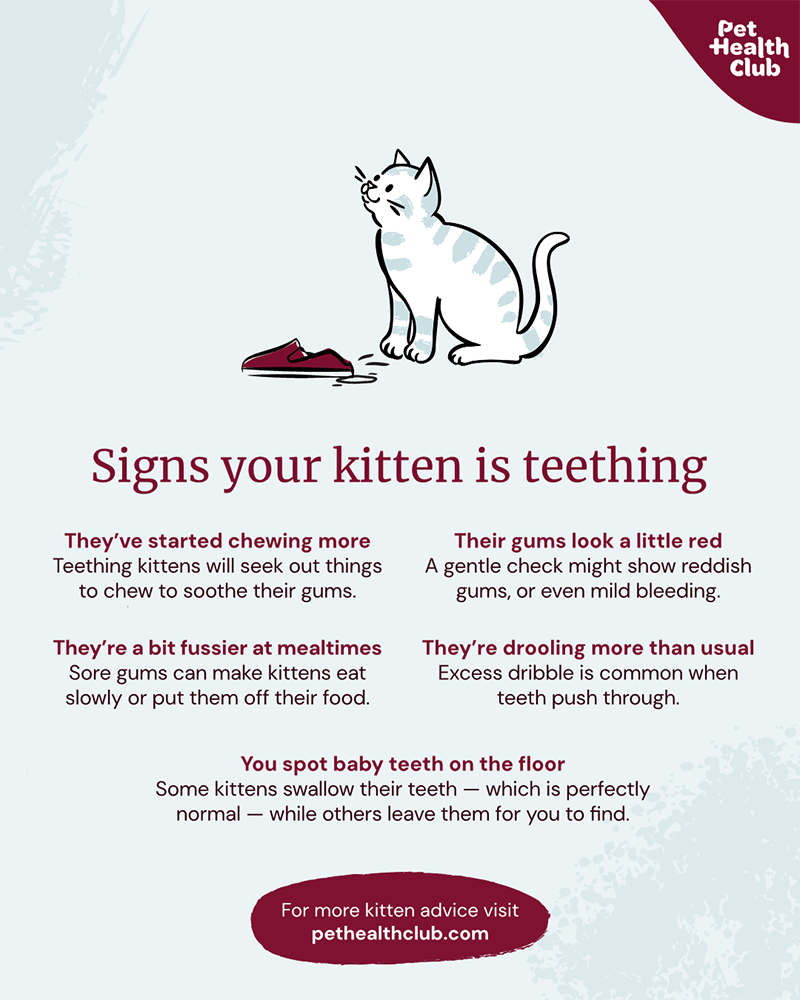
Teething in kittens is a crucial phase that often goes unnoticed until the signs become hard to ignore. Recognizing these signs early can help you provide the comfort and care your kitten needs. You might wonder how to tell if your kitten is teething and what behaviors to watch for during this time.
Behavioral Changes
Your playful kitten might suddenly become more irritable or restless. They may chew on everything in sight—from your furniture to your fingers—to soothe their sore gums.
Notice if your kitten starts biting more during play. This isn’t just normal kitten curiosity; it often signals discomfort from new teeth pushing through.
Does your kitten hide more than usual or seem less interested in cuddles? These subtle shifts in behavior can be their way of coping with the discomfort.
Physical Symptoms
Look closely at your kitten’s mouth. You might see swollen, red gums or tiny white teeth emerging where there were none before.
Excessive drooling is another common sign. If you spot wet fur around their mouth, it’s likely due to teething irritation.
Sometimes, kittens lose their baby teeth unexpectedly. Finding small teeth around their sleeping area or play spots is a clear clue that teething is underway.
Credit: www.pethealthclub.com
Caring For Teething Kittens
Teething is a challenging time for kittens. Their baby teeth fall out, and new adult teeth grow in. This process can make kittens uncomfortable and restless. Caring for teething kittens helps reduce their pain and protects your belongings from damage. Providing the right care supports healthy teeth development and keeps your kitten happy.
Safe Chew Toys
Kittens need safe items to chew on during teething. Chew toys soothe their sore gums. Choose toys made from soft rubber or nylon. Avoid small toys that can break or be swallowed. Toys with different textures work well for teething kittens. Keep toys clean to prevent infections.
Dietary Considerations
Feeding teething kittens requires extra attention. Soft, wet food is easier to eat than hard kibble. Small, frequent meals help kittens eat comfortably. Avoid giving very hot or cold food that may irritate gums. Fresh water should always be available. Proper nutrition supports strong teeth growth.
Potential Dental Issues
Potential dental issues can arise when cats do not lose their baby teeth properly. These problems may cause discomfort and affect their ability to eat. Understanding these issues helps pet owners spot signs early and seek care.
Retained Baby Teeth
Retained baby teeth happen when the kitten’s baby teeth do not fall out. The adult teeth grow next to or behind the baby teeth. This causes crowding in the cat’s mouth. Crowded teeth can trap food and bacteria, leading to infection. It may also cause pain or damage to the adult teeth. A vet may need to remove the baby teeth to prevent these problems.
Gum Health Concerns
Poor gum health is common if baby teeth stay too long. The gums can become swollen and red. Bacteria build up between crowded teeth and gums. This leads to gingivitis, an early gum disease stage. If untreated, it can cause bad breath, pain, and tooth loss. Regular dental checks help maintain healthy gums and teeth in cats.
When To Consult A Veterinarian
Knowing when to consult a veterinarian about your cat’s teeth can save your furry friend from unnecessary pain and complications. While losing baby teeth is natural, certain signs signal that professional care is needed. Paying close attention to your cat’s behavior and dental health helps you decide when to seek expert advice.
Persistent Dental Problems
If your cat’s baby teeth don’t fall out naturally or the adult teeth seem crowded, it’s time to get a vet involved. Persistent issues like retained baby teeth can lead to infections or misalignment, causing discomfort and future dental problems.
Look for signs such as:
- Teeth that remain loose for weeks without falling out
- Visible tartar buildup on baby or adult teeth
- Swollen or red gums around the teeth
Ignoring these signs can lead to more serious dental diseases. Your vet may recommend an examination or even tooth extraction to prevent further issues.
Signs Of Pain Or Discomfort
Have you noticed your cat avoiding food or pawing at its mouth? These behaviors often indicate dental pain. Cats are good at hiding discomfort, so subtle changes like drooling or bad breath deserve attention.
Other signs include:
- Reluctance to chew hard food or treats
- Behavioral changes such as irritability or withdrawal
- Visible bleeding or sores in the mouth
If you observe any of these, schedule a veterinary visit promptly. Early intervention can prevent severe pain and improve your cat’s quality of life.
Maintaining Adult Cat Dental Health
Maintaining adult cat dental health is vital for their overall well-being. Healthy teeth help cats eat properly and prevent pain or infections. Regular care can avoid serious dental problems. Good dental health also supports a strong immune system and fresh breath.
Regular Dental Check-ups
Schedule dental check-ups with a veterinarian at least once a year. Vets can spot early signs of dental disease. They clean teeth and remove tartar that brushing misses. Professional exams detect problems like broken teeth or gum disease. Early treatment keeps your cat comfortable and healthy.
Home Dental Care Tips
Brush your cat’s teeth regularly using a pet-safe toothpaste. Introduce brushing slowly and gently to avoid stress. Use a soft toothbrush designed for cats. Offer dental treats or toys to help reduce plaque. Provide a balanced diet that supports dental health. Watch for signs like bad breath, red gums, or difficulty eating.
Frequently Asked Questions
Do Cats Lose Their Baby Teeth Naturally?
Yes, cats naturally lose their baby teeth between 3 to 6 months old. Adult teeth replace them during this period.
When Do Kittens Lose Their Baby Teeth?
Kittens typically lose baby teeth starting at 3 months. By 6 months, most baby teeth have been replaced.
How Can I Tell If My Cat Lost A Tooth?
Look for gaps in your cat’s mouth or find small teeth around their bedding. Mild bleeding may also occur.
Is It Normal For Cats To Swallow Baby Teeth?
Yes, cats often swallow their baby teeth without issues. It’s a common behavior and usually not a cause for concern.
Conclusion
Cats do lose their baby teeth just like children do. These small teeth fall out to make space for adult teeth. This process usually happens when kittens are about three to six months old. It is natural and healthy for their growth.
Watching your kitten lose baby teeth can be interesting. Keep an eye on their mouth for any problems. Healthy teeth help cats eat well and stay happy. Understanding this helps you care better for your furry friend. It is a normal part of a cat’s early life.
