

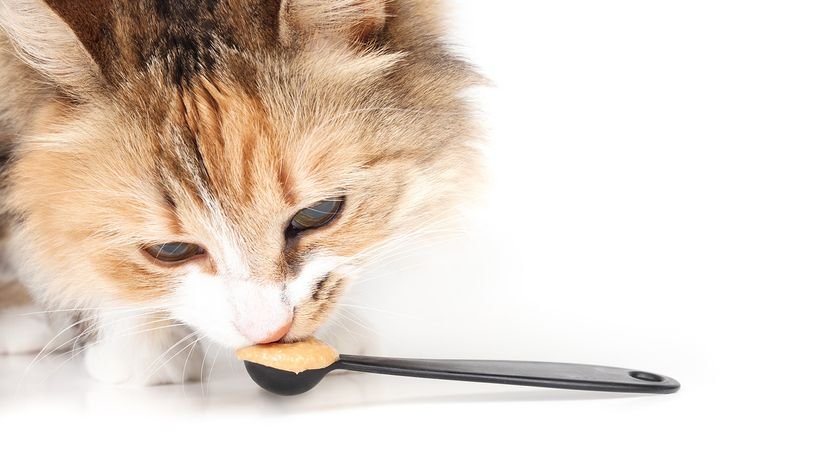
Have you ever wondered if your cat would enjoy a taste of peanut butter? It’s a common question among pet owners who want to share a treat with their furry friends.
But before you offer that spoonful, it’s important to know how peanut butter affects cats and whether it’s safe for them. Keep reading to discover surprising facts about cats and peanut butter, and find out if this popular snack could become your kitty’s new favorite—or something to avoid altogether.
Your cat’s health and happiness depend on what you feed them, so let’s get to the truth behind this curious question.
Credit: www.chewy.com
Cats And Peanut Butter: The Basics
Cats are curious animals. They often show interest in new smells and tastes around them. Peanut butter is a popular human snack. Its strong smell can attract a cat’s attention. But liking the smell does not always mean cats should eat it.
Understanding what cats usually enjoy and what ingredients peanut butter contains helps keep them safe. Not all treats are good for cats. Knowing the basics helps in making smart feeding choices.
Common Cat Treats
Cats usually prefer treats that smell like meat or fish. Some popular cat treats include:
- Small pieces of cooked chicken or turkey
- Freeze-dried fish or shrimp
- Commercial cat treats with tuna or salmon flavor
- Catnip or cat grass as a fun snack
These treats match cats’ natural diet. They provide nutrients cats need. Unlike peanut butter, these treats are designed for feline health.
Peanut Butter Ingredients
Peanut butter is made from ground peanuts. It often contains added ingredients like:
- Salt
- Sugar
- Oils
- Preservatives
- Xylitol (a sweetener)
Xylitol is very dangerous for cats. Even small amounts can cause severe health problems. Salt and sugar are not healthy for cats either. Oils can upset their stomach.
Pure, unsalted peanut butter is safer but still should be given in tiny amounts. Always check the label before offering peanut butter to your cat.
Why Cats Might Like Peanut Butter
Cats may show interest in peanut butter for several reasons. Their attraction often comes from its unique qualities. These qualities appeal to their senses and natural instincts. Understanding why cats might like peanut butter helps pet owners offer safe treats. It also reveals how cats explore new tastes and textures.
Appealing Texture And Smell
Peanut butter has a thick, sticky texture that intrigues many cats. This texture is different from their usual dry or wet food. Cats enjoy licking and pawing at sticky substances. The smell of peanut butter is strong and nutty. Cats have sensitive noses, so this scent can catch their attention quickly.
Curiosity And Taste Exploration
Cats are naturally curious animals. They often explore new foods by smelling and tasting small amounts. Peanut butter’s sweet and salty flavor can be interesting to them. Some cats may like the taste, while others may not. This exploration helps cats discover what they enjoy eating.
Potential Risks Of Peanut Butter For Cats
Giving your cat a taste of peanut butter might seem harmless, but it carries several risks you should carefully consider. Cats have unique dietary needs, and some ingredients in peanut butter can be harmful or cause health problems. Understanding these risks can help you decide whether peanut butter is a safe treat for your feline friend.
Toxic Ingredients To Avoid
Many peanut butters contain ingredients that are dangerous for cats. Xylitol, a sugar substitute often found in sugar-free peanut butter, is highly toxic and can cause severe drops in blood sugar, seizures, or even liver failure.
Salt and added sugars are also common in peanut butter and can upset your cat’s delicate system. Always check the label thoroughly before offering any peanut butter, and choose natural, unsweetened varieties if you decide to share.
Allergic Reactions
Cats can develop allergies to peanuts just like humans. Signs of an allergic reaction include itching, swelling, vomiting, or difficulty breathing.
If you notice any unusual behavior or symptoms after your cat tries peanut butter, stop immediately and consult your vet. Even a small amount can trigger an allergic response, so proceed with caution.
Obesity And Digestive Issues
Peanut butter is high in fat and calories, which can contribute to obesity if given too often. Overweight cats face serious health problems like diabetes and joint pain.
Additionally, the richness of peanut butter can upset your cat’s stomach, causing diarrhea or vomiting. Moderation is key, and treats should never replace a balanced diet tailored to your cat’s needs.
Credit: petsfoodhub.com
Safe Ways To Offer Peanut Butter To Cats
Offering peanut butter to cats requires care and attention. Not all peanut butter types are safe for cats. Proper portion size matters to avoid health risks. There are safer alternatives that cats may enjoy just as much. Understanding these points helps keep your cat healthy and happy.
Choosing The Right Peanut Butter
- Select natural peanut butter without added sugar or salt.
- Avoid peanut butter with xylitol, which is toxic to cats.
- Look for brands with only peanuts or minimal ingredients.
- Check the label carefully before offering any peanut butter.
Portion Control Tips
- Offer only a small amount, about a pea-sized dollop.
- Use peanut butter as an occasional treat, not daily.
- Observe your cat for any allergic reactions after feeding.
- Mix peanut butter with wet food to reduce stickiness.
Alternatives To Peanut Butter
- Plain cooked chicken or turkey pieces make tasty treats.
- Small bits of cheese can satisfy a cat’s craving for fat.
- Commercial cat treats formulated for nutrition and taste.
- Soft pumpkin puree offers fiber and is safe in small amounts.
Veterinarian Insights On Peanut Butter And Cats
Many cat owners wonder if peanut butter is safe for their pets. Veterinarians offer clear guidance about feeding cats peanut butter. Their insights help pet owners make smart choices.
Peanut butter is not toxic to cats, but it is not a natural part of their diet. Cats are obligate carnivores, meaning they need meat to thrive. Peanut butter contains fats and proteins, but also sugars and additives that may harm cats.
Expert Recommendations
Veterinarians advise giving peanut butter only in very small amounts. Choose natural peanut butter without added sugar, salt, or xylitol. Xylitol is highly toxic to cats and must be avoided. Peanut butter should never replace a cat’s regular food.
Use peanut butter as an occasional treat or to hide medication. Observe your cat closely after feeding peanut butter. Avoid frequent use to prevent weight gain and digestive problems.
Signs Of Adverse Reactions
Watch for symptoms that suggest an allergic or digestive reaction to peanut butter. Common signs include:
- Vomiting or diarrhea
- Excessive drooling
- Itching or skin redness
- Swelling around the face or mouth
- Lethargy or unusual behavior
If any of these signs appear, stop feeding peanut butter and contact a veterinarian immediately. Early detection helps prevent serious health issues.

Credit: www.purina.com
Fun Peanut Butter Treat Ideas For Cats
Peanut butter can be a delightful treat for your cat if given in moderation. It’s sticky, flavorful, and many cats find it irresistible. Adding peanut butter to your cat’s treat routine can bring a new twist to their snack time and strengthen your bond with them.
Diy Cat Treat Recipes
You can make simple and safe peanut butter treats at home with just a few ingredients. Mix a small amount of natural, unsweetened peanut butter with plain canned pumpkin or mashed banana. Shape the mixture into tiny balls or press it into ice cube trays and freeze for a cool snack.
Another idea is to blend peanut butter with cooked chicken or tuna, then form small patties. These treats are rich in protein and flavor, perfect for a special reward after playtime.
Have you noticed how your cat reacts when you offer a homemade treat? Their excitement can tell you if it’s a hit or miss. Always remember to use peanut butter without xylitol or added sugar, as these can be harmful to cats.
Interactive Feeding Methods
Interactive feeding makes treat time fun and mentally stimulating. Smear a thin layer of peanut butter inside a puzzle feeder or on a lick mat designed for cats. This encourages your cat to work for their treat and slows down their eating.
You can also hide small amounts of peanut butter on toys or around their play area. This turns snack time into a treasure hunt, engaging your cat’s natural hunting instincts.
Have you tried using peanut butter to encourage your cat to exercise more? Interactive feeding might be the key to keeping your feline friend both entertained and healthy.
Frequently Asked Questions
Do Cats Enjoy The Taste Of Peanut Butter?
Cats have mixed reactions to peanut butter. Some enjoy its creamy texture and nutty flavor, while others show little interest. Always observe your cat’s preference and avoid forcing it.
Is Peanut Butter Safe For Cats To Eat?
Peanut butter is generally safe in small amounts if it contains no xylitol or harmful additives. Always check the label and consult your vet before offering it.
Can Peanut Butter Cause Allergies In Cats?
Yes, some cats can be allergic to peanuts or ingredients in peanut butter. Watch for symptoms like itching, swelling, or digestive upset.
How Much Peanut Butter Can I Give My Cat?
Limit peanut butter to a tiny amount, such as a pea-sized portion, as an occasional treat. Too much can cause obesity or digestive issues.
Conclusion
Cats may enjoy the taste of peanut butter, but it is not always safe. Small amounts might be okay, but avoid giving them too much. Some cats could have allergies or stomach problems from it. Always watch your cat after trying new foods.
Choose treats made especially for cats to keep them healthy. Keep peanut butter as an occasional snack, never a regular meal. Your cat’s health is the most important thing. Give treats with care and love. Simple choices help your cat stay happy and safe.
