

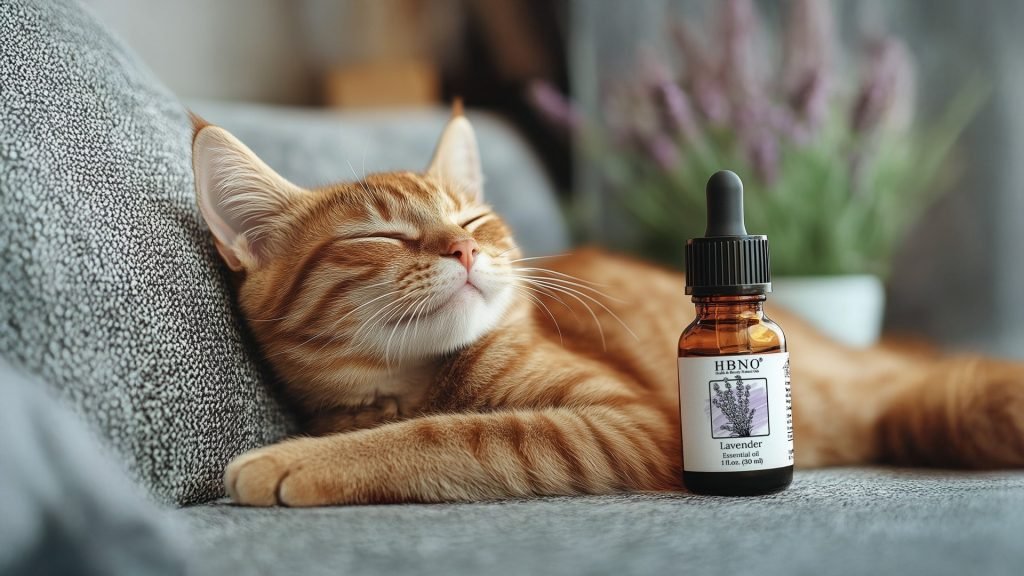
Have you ever wondered if your cat enjoys the scent of lavender? Maybe you’ve seen those pretty purple flowers and thought about placing them around your home to create a calm atmosphere.
But what about your furry friend—does lavender make them happy, or could it bother them? Understanding how cats react to lavender can help you create a safer, more comfortable space for your pet. Keep reading to discover the surprising truth about cats and lavender, and learn what you should know before bringing this fragrant plant into your home.
Cats And Lavender Interaction
When you think about lavender, images of calming fields and soothing scents might come to mind. But how does this fragrant herb interact with our feline friends? Understanding the dynamics between cats and lavender can help you create a harmonious environment at home. Let’s explore how cats respond to the scent of lavender and what makes this plant unique.
Scent Preferences In Cats
Cats are known for their heightened sense of smell. They often react to scents in ways that can surprise their owners. While some cats might be indifferent to lavender, others could find it unpleasant.
Have you ever noticed your cat avoiding a particular area after you’ve used a lavender-scented product? This could be because lavender doesn’t appeal to their olfactory senses. It’s essential to observe your cat’s behavior and respect their preferences.
Lavender’s Chemical Composition
Lavender contains compounds like linalool and linalyl acetate. These are responsible for its distinct scent. However, these compounds can be toxic to cats if ingested.
While humans might find lavender calming, it’s crucial to ensure your cat doesn’t chew on lavender plants or products. Always monitor your cat around lavender to keep them safe.
Have you ever had a cat that loved or hated certain scents? Share your experiences and help others understand their feline friends better.

Credit: smarterpaw.com
Effects Of Lavender On Cats
Lavender is a popular plant known for its pleasant scent and calming effects on humans. But how does it affect your feline friends? Understanding the effects of lavender on cats is crucial before introducing it into your home environment. Let’s look closely at what happens when cats encounter lavender.
Calming Properties
Lavender is often praised for its ability to reduce stress and anxiety in people. Some cat owners notice their pets seem more relaxed around lavender’s scent. However, cats’ reactions can vary widely—while some may find it soothing, others might ignore it completely.
If you’ve ever seen your cat settle down near a lavender plant, it might be enjoying the calming aroma. But remember, not all cats respond the same way, so watch your pet’s behavior carefully when introducing lavender.
Potential Allergic Reactions
Even though lavender smells pleasant to us, cats have a much more sensitive nose. This heightened sensitivity can sometimes lead to allergic reactions. Watch out for signs like sneezing, coughing, or excessive grooming after your cat encounters lavender.
Some cats might develop skin irritations or red patches if they come into direct contact with lavender oil or dried flowers. If you notice any unusual behavior or physical changes, it’s best to remove the lavender immediately and consult your vet.
Toxicity Risks
Lavender contains compounds that can be toxic to cats if ingested. Cats grooming themselves after touching lavender might accidentally swallow harmful oils. Symptoms of poisoning include drooling, vomiting, tremors, or lethargy.
It’s important to keep lavender plants, oils, and products out of your cat’s reach. Even small amounts can cause health issues. Have you thought about safer alternatives to keep your home smelling fresh without risking your cat’s well-being?
Safe Ways To Use Lavender Around Cats
Using lavender around your cat requires careful attention to their safety. While lavender can have a calming effect, certain forms and concentrations may harm your furry friend. You can enjoy its soothing scent without risking your cat’s health by choosing the right methods and products.
Lavender Oils And Diffusers
Lavender essential oils are highly concentrated and can be toxic to cats if ingested or applied directly to their skin. Diffusers may seem like a safe way to spread the scent, but strong or constant exposure can irritate your cat’s respiratory system.
If you want to use a diffuser, place it in a well-ventilated room where your cat can easily leave if the smell becomes overwhelming. Never apply lavender oil directly to your cat or their bedding. Instead, use diluted sprays or consult your vet before introducing any essential oil products.
Fresh Vs. Dried Lavender
Fresh lavender is generally safer than oils because it contains fewer concentrated compounds. You can place fresh sprigs around your home in spots your cat doesn’t frequent, like high shelves or closed rooms.
Dried lavender is also less intense and can be used in sachets or potpourri. However, avoid letting your cat chew on dried lavender, as ingestion might cause stomach upset. Always observe your cat’s behavior around lavender to ensure they’re comfortable and safe.
Alternative Calming Herbs
If lavender doesn’t seem right for your cat, consider other herbs with calming effects. Chamomile and catnip are often safer choices that many cats enjoy.
Catnip, for example, can provide relaxation and playfulness without the risks linked to essential oils. You might also try valerian root, but introduce any new herb slowly and watch for any adverse reactions.
Have you noticed your cat’s reaction to different scents? Paying close attention helps you create a calming environment without compromising their health.
:strip_icc()/spruce-pets-long-haired-cats-overheating-ab0c2a0eaf7942fab1b831e84a17513b.png)
Credit: www.thesprucepets.com
Signs Your Cat Likes Or Dislikes Lavender
Not all cats react the same way to lavender. Watching your cat closely can tell you if they like or dislike this fragrant herb. Recognizing the signs helps you create a comfortable space for your furry friend while enjoying lavender’s benefits.
Behavioral Cues
Notice if your cat approaches the lavender with curiosity or avoids it altogether. A cat that likes lavender might sniff it gently, rub their face against it, or even lie nearby. These actions show comfort and interest.
On the other hand, if your cat backs away, hides, or swats at the lavender, they probably dislike the scent. Some cats may also hiss or growl when near lavender, signaling discomfort. Pay attention to these clear behavioral signals to respect your cat’s preferences.
Physical Responses
Physical reactions can be subtle but important. Cats that enjoy lavender often appear relaxed with soft eyes and calm breathing while near it. You might catch your cat purring or kneading in the presence of lavender.
If your cat sneezes, coughs, or rubs their face excessively, these could be signs of irritation. Watch for watery eyes or a runny nose as well. Such symptoms suggest lavender may not agree with your cat’s sensitive nose.
Expert Tips For Cat Owners
Taking care of your cat’s well-being means understanding how different scents affect them. Lavender is popular among humans for its calming aroma, but how does it impact your feline friend? Here are some expert tips to help you keep your cat safe and comfortable around lavender.
Consulting A Veterinarian
Before introducing lavender or any new scent into your home, talk to your veterinarian. Cats can be sensitive or allergic to certain plants and essential oils, including lavender. A vet can advise whether it’s safe based on your cat’s health history and behavior.
If your cat shows signs of discomfort such as sneezing, coughing, or excessive grooming after exposure to lavender, seek veterinary advice immediately. Your vet may recommend alternatives or suggest ways to minimize any risks.
Creating A Safe Environment
Keep lavender out of reach to prevent your cat from chewing on it or ingesting any oils. Even dried lavender can cause stomach upset if eaten. Consider placing lavender in sealed containers or using diffusers with caution.
Observe your cat’s reactions closely when lavender is present. Some cats might enjoy the scent, while others may avoid it or act stressed. Have a quiet, scent-free space available for your cat to retreat to if needed.
- Use only diluted lavender essential oils if you choose to diffuse them.
- Avoid direct contact between your cat and lavender plants or oils.
- Clean any spills immediately to prevent accidental ingestion.
Have you noticed how your cat reacts to different smells around the house? Paying attention to those signals can help you create a happier, healthier space for your furry companion.
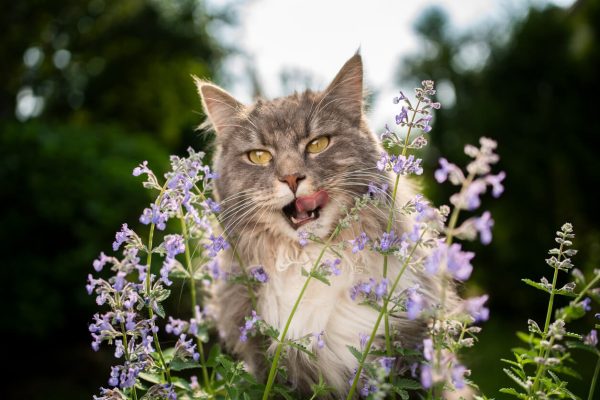
Credit: www.rover.com
Frequently Asked Questions
Do Cats Like The Smell Of Lavender?
Most cats generally dislike lavender’s strong scent. It can be overwhelming and may repel them. However, individual reactions vary, so some cats might tolerate it.
Is Lavender Safe For Cats To Smell?
Lavender can be mildly toxic if ingested by cats. Its scent is usually safe but should be used cautiously around pets to avoid irritation or poisoning.
Can Lavender Harm My Cat’s Health?
Yes, ingesting lavender can cause vomiting or diarrhea in cats. Avoid placing lavender plants or oils within their reach to ensure safety.
Why Do Cats Avoid Lavender Plants?
Cats avoid lavender due to its strong smell and natural oils. These oils can irritate their sensitive noses and skin, making lavender unappealing to them.
Conclusion
Cats often react differently to lavender. Some may like the scent, while others avoid it. Lavender is not harmful but can irritate some cats. Always watch your cat’s behavior around lavender plants or oils. Keep lavender out of reach to stay safe.
Knowing your cat’s preferences helps create a happy home. Simple steps keep your pet healthy and comfortable. Remember, each cat is unique and needs gentle care.
