

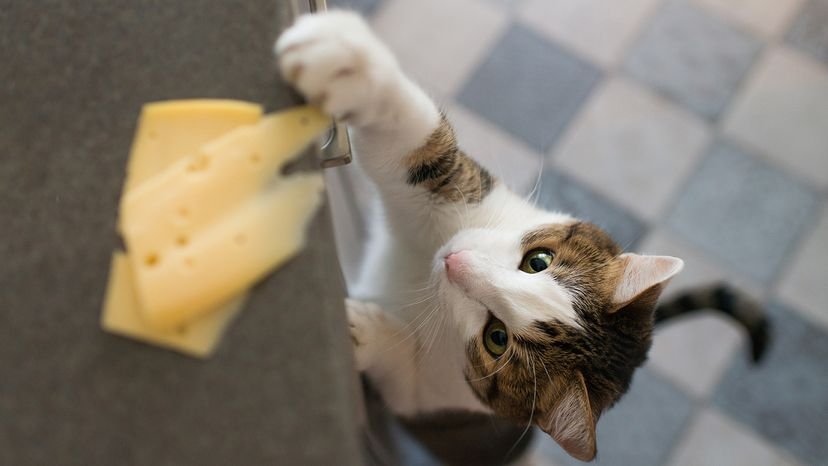
Have you ever caught your cat eyeing your cheese plate and wondered, “Do cats like cheese?” You’re not alone. Many cat owners notice their furry friends showing interest in cheese, but is it really a treat for them or something to avoid?
Understanding what your cat truly enjoys and what’s safe for them can make a big difference in their health and happiness. Keep reading to discover the surprising truth about cats and cheese—and learn how to make the best choices for your beloved pet.
Credit: felinefancy.co.uk
Cats And Dairy
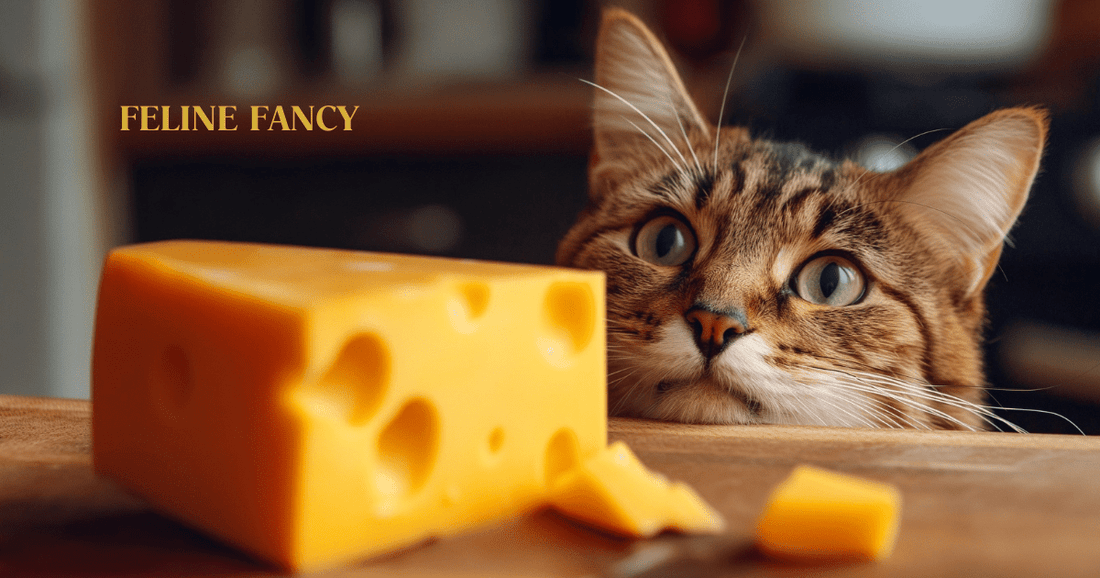
Many cat owners wonder if dairy products like cheese are a safe and enjoyable treat for their feline friends. Cats and dairy have a complicated relationship that is often misunderstood. Understanding this can help you make better choices about what to offer your cat as a snack.
Common Misconceptions
One popular belief is that all cats love milk and cheese. However, most adult cats are lactose intolerant, meaning they lack the enzyme needed to digest lactose found in dairy products. Feeding your cat cheese or milk can cause upset stomach, diarrhea, and discomfort.
Some people think cheese is a healthy treat because it contains protein and fat. While cheese does have nutrients, it is often high in salt and fat, which can be unhealthy if given too often. Small amounts as an occasional treat might be okay, but it should never replace a balanced diet.
Historical Context
Historically, the image of cats drinking milk comes from rural areas where leftover milk was readily available. Cats may have accepted milk out of convenience rather than preference. Their digestive systems never evolved to handle dairy after weaning.
In the past, dairy was more common in human households, so cats had more exposure. Today, commercial cat foods are specially formulated to meet their nutritional needs without dairy. This shift reflects a better understanding of what cats truly need for health and happiness.
Have you noticed your cat’s reaction after eating cheese or milk? Observing their response can guide you on whether to offer these treats or skip them altogether.
Credit: www.chewy.com
Lactose Intolerance In Cats
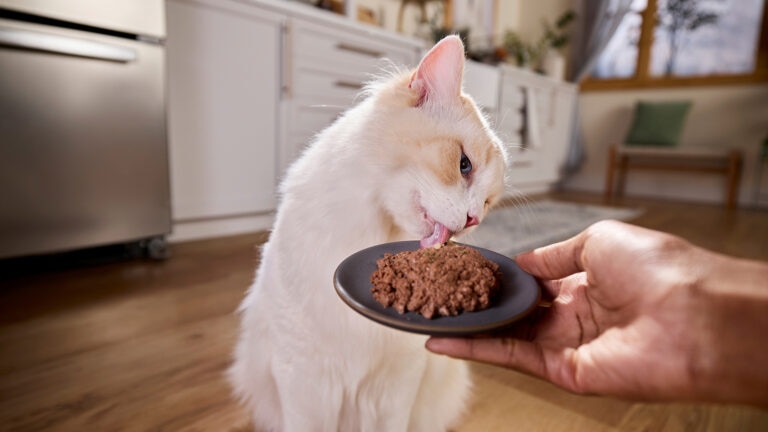
Cats and cheese seem like a natural pairing in cartoons and memes, but the reality is quite different. Many cats are lactose intolerant, meaning their bodies can’t properly digest lactose, the sugar found in milk and dairy products. Understanding lactose intolerance in cats is essential if you want to keep your furry friend healthy and happy.
Why Cats Struggle With Dairy
Most adult cats produce very little lactase, the enzyme needed to break down lactose. Without enough lactase, lactose moves through their digestive system undigested, causing discomfort. This happens because cats are obligate carnivores, evolved to eat meat rather than dairy or plant-based foods.
Think about your cat’s diet: it’s mainly protein and fat, not sugar from milk. Their digestive systems aren’t designed for dairy, so feeding cheese or milk can lead to digestive upset. Have you noticed your cat avoiding milk or cheese? That could be a natural instinct to protect themselves from feeling sick.
Signs Of Lactose Intolerance
You might see your cat experience diarrhea, vomiting, or gas after eating cheese or drinking milk. These are clear signs that their system is reacting poorly to lactose. Watch for:
- Loose or watery stools
- Stomach bloating or discomfort
- Excessive gas
- Vomiting shortly after consuming dairy
If your cat shows any of these symptoms, it’s best to avoid giving them cheese or dairy products. Have you ever seen your cat act uncomfortable after trying cheese? That’s a sign to rethink offering dairy as a treat.
Cheese And Cat Health
Cheese is a popular treat for humans. Many cat owners wonder if their pets can enjoy it too. Understanding cheese’s impact on cat health is important. This helps in making safe feeding choices.
Cats may like cheese due to its smell and taste. But their bodies react differently to dairy. Knowing the nutritional value and risks can guide better decisions.
Nutritional Content Of Cheese
Cheese contains protein and fat, which cats need. It also has calcium, good for bones and teeth. Some cheeses offer vitamins A and B12. These nutrients support a cat’s overall health.
Yet, cheese also has lactose, a sugar in milk. Many adult cats cannot digest lactose well. This can cause stomach upset. Cheese is also calorie-dense, so feeding too much may lead to weight gain.
Potential Health Risks
Lactose intolerance is common in cats. Eating cheese may cause diarrhea or vomiting. Some cheeses contain high salt levels. Salt can harm a cat’s kidneys and heart.
Cheese can trigger allergies in some cats. Signs include itching, swelling, or skin irritation. Obesity is another risk if cheese is fed often. Overweight cats face many health problems.
Always offer cheese in very small amounts. Monitor your cat for any negative reactions. Consult a vet before adding cheese to your cat’s diet.
Occasional Treats
Cats enjoy occasional treats just like people do. Cheese can be a tasty little reward. It is not a natural food for cats, so it should be given carefully. Treats should not replace a cat’s regular diet. They are best used to show love or encourage good behavior. Small amounts of cheese can be safe and enjoyable for some cats.
Safe Cheese Options
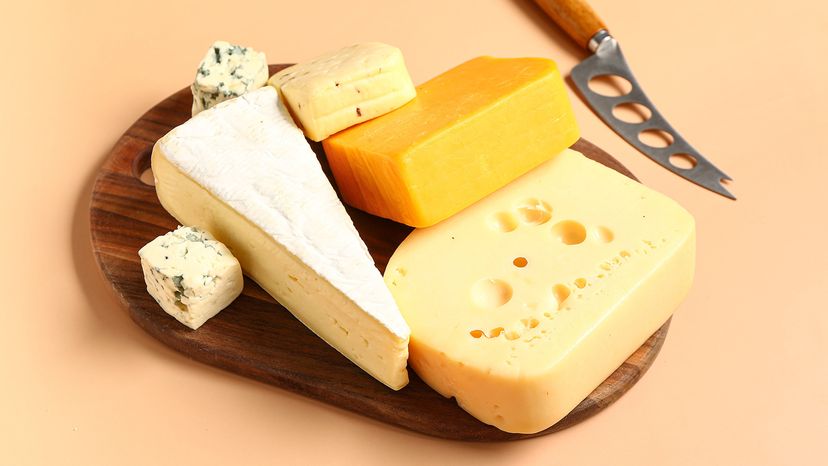
Choose cheeses with low lactose content. Hard cheeses usually have less lactose than soft cheeses. Examples include:
- Cheddar
- Swiss
- Parmesan
Fresh cheeses like mozzarella or cream cheese may upset sensitive stomachs. Avoid cheeses with added herbs, garlic, or onion. These ingredients are harmful to cats. Plain cheese is the safest choice for treats.
Moderation Guidelines
Offer cheese in very small amounts. A tiny cube or two is enough. Too much cheese can cause digestive issues. Watch your cat for signs of upset stomach or diarrhea. Feeding cheese too often can lead to weight gain. Treats should not be more than 5% of daily calories.
Use cheese treats occasionally to keep your cat happy and healthy. Balance treats with a proper diet and fresh water. This approach keeps your feline friend safe and satisfied.
Alternatives To Cheese
Cheese is not always the best treat for cats. Many cats cannot digest dairy well. This can cause stomach problems or discomfort. Finding safe and tasty alternatives keeps cats happy and healthy. These choices offer good nutrition and satisfy their cravings.
Cat-friendly Snacks
- Cooked chicken pieces: High in protein and easy to digest.
- Small fish bits: Tuna or salmon without seasoning.
- Plain cooked egg: Soft and gentle on the stomach.
- Freeze-dried meat treats: Convenient and nutrient-rich.
- Catnip or cat grass: Fun and safe nibbling options.
Healthy Treat Ideas
- Baby carrots: Crunchy and low in calories.
- Steamed pumpkin: Good for digestion and vitamins.
- Green beans: A light and fibrous snack.
- Cucumber slices: Refreshing and hydrating.
- Commercial cat treats: Check for natural ingredients only.
Credit: animals.howstuffworks.com
Expert Opinions
Experts offer valuable insights on whether cats actually enjoy cheese and if it’s safe for them. Their opinions help you understand the risks and benefits before you decide to share this dairy treat with your feline friend.
Veterinarian Insights
Most veterinarians caution against giving cheese to cats regularly. Cheese contains lactose, and many adult cats are lactose intolerant, which means cheese can cause digestive upset like diarrhea or stomach pain.
Dr. Emily Johnson, a vet with over 10 years of experience, mentions that a small amount of cheese as an occasional treat usually won’t harm a healthy cat. However, she warns that cheese is high in fat and calories, which can lead to weight gain and other health problems if overfed.
Have you ever noticed your cat’s reaction after eating cheese? If they show signs of discomfort, it’s best to avoid it altogether. Always consult your vet before introducing any new food into your cat’s diet.
Behavioral Considerations
Cats may be attracted to cheese because of its strong smell and creamy texture, but liking the taste doesn’t mean it’s good for them. Their natural diet is primarily meat-based, so cheese doesn’t provide the nutrients they truly need.
Some cats might beg for cheese simply because they learn it gets a reaction from you. This behavior can lead to overfeeding and unhealthy habits. Try offering healthier alternatives like small pieces of cooked chicken or specially formulated cat treats instead.
Ask yourself: is your cat’s desire for cheese driven by genuine preference or just curiosity? Observing their behavior closely can help you make better feeding choices that support their well-being.
Frequently Asked Questions
Do Cats Naturally Like Cheese?
Cats do not naturally crave cheese. Some may enjoy its taste due to fat content. However, it is not a necessary part of their diet.
Is Cheese Safe For Cats To Eat?
Cheese is generally safe in small amounts. Some cats are lactose intolerant, causing digestive issues. Avoid feeding large quantities of cheese.
Can Cheese Cause Health Problems In Cats?
Excessive cheese can cause obesity and digestive upset. Lactose intolerance may lead to diarrhea. Always feed cheese sparingly and monitor your cat’s reaction.
Why Do Some Cats Love Cheese?
Cats are attracted to cheese’s fat and protein content. The strong smell may also appeal to them. But this does not mean cheese is healthy for cats.
Conclusion
Cats may enjoy cheese sometimes, but it is not a healthy treat. Cheese contains lactose, which many cats cannot digest well. Feeding too much cheese can upset their stomachs. Small amounts might be okay, but always watch your cat’s reaction.
Stick to cat-friendly snacks for their health and happiness. Remember, a balanced diet keeps your cat strong and active. Cheese is just an occasional taste, not a daily food. Careful feeding helps your cat live a long, happy life.
