

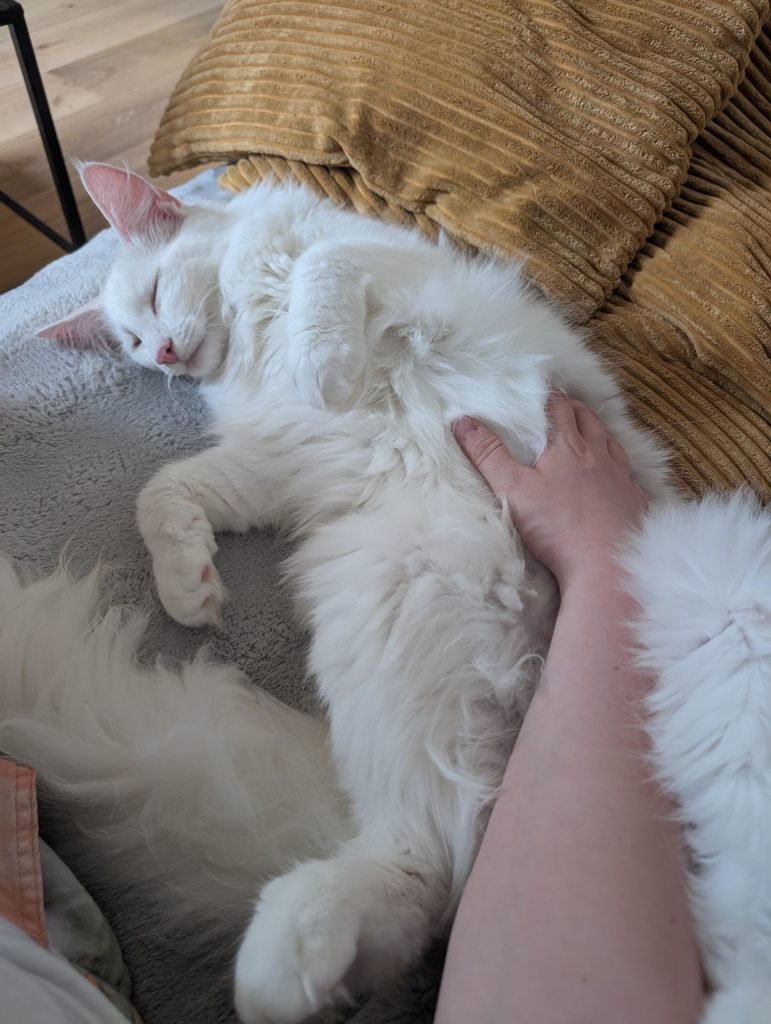
Have you ever wondered if your cat truly enjoys those belly rubs you love giving? You might think a soft, fluffy belly means your feline friend wants a gentle massage, but the truth isn’t always that simple.
Understanding what your cat really feels can save you from accidental scratches and help build a stronger bond. Keep reading to discover the surprising reasons behind your cat’s belly reactions and learn how to make your pet feel safe and happy every time you reach out.
Cat Belly Anatomy
Cats have sensitive bellies filled with vital organs, making this area vulnerable. Some cats enjoy belly rubs, but many see it as a sign to play or defend themselves. Observing your cat’s reaction helps know if belly rubs are welcome or not.
Cats often seem mysterious, especially regarding their bellies. The anatomy of a cat’s belly holds many secrets. Understanding it helps us know why cats react to belly rubs.Why Bellies Are Vulnerable
A cat’s belly is a sensitive area. It houses vital organs like the stomach and intestines. This makes it a vulnerable spot for them. In the wild, predators target the belly to harm prey. So, cats protect this area fiercely. When a cat exposes its belly, it shows trust. But touching it without consent can lead to a defensive reaction.Scent Glands And Their Role
Cats have scent glands on their bellies. These glands release pheromones, which are chemical signals. Pheromones help mark their territory and communicate with other cats. When a cat rubs its belly against objects, it spreads these scents. This behavior shows ownership and familiarity. Humans cannot detect these scents, but other cats do. Understanding this can help us respect their need for space.
Credit: www.youtube.com
Cat Behavior Around Belly Rubs
Cats show different behaviors around belly rubs. Some cats love belly touches, while others feel uneasy. Understanding your cat’s signals helps build trust and avoid stress. Cats use body language to communicate their feelings about belly rubs. Watch their movements and reactions closely.
When Cats Invite Belly Touches
Some cats roll over and show their belly to invite touch. This is a sign of trust and comfort. A relaxed cat may stretch out and purr softly. Slow blinking or gentle kneading also means your cat feels safe. When a cat nudges your hand toward its belly, it wants affection there.
Signs Of Discomfort Or Stress
A cat that suddenly tenses or pulls away dislikes belly rubs. Watch for flicking tails or flattened ears; these are warning signs. Hissing, growling, or swatting means stop immediately. Dilated pupils and stiff body show fear or irritation. Respect these signs to keep your cat happy and calm.
Different Cat Personalities
Cats have unique personalities that shape how they respond to touch, especially belly rubs. Some cats see their belly as a vulnerable spot, while others treat it as a place of trust and comfort. Understanding these differences helps you connect better with your feline friend and respect their boundaries.
Cats That Love Belly Rubs
Some cats actively invite belly rubs by rolling over and exposing their stomach. These cats feel safe and relaxed around you, showing a high level of trust. You might notice their purring intensify or their eyes half-close as they enjoy the gentle strokes.
These cats often have outgoing and affectionate personalities. They tend to crave attention and enjoy physical contact beyond just petting the head or back. If your cat falls in this category, take advantage of those moments to strengthen your bond with playful belly rubs.
Cats That Avoid Belly Contact
Other cats may react defensively or shy away when their belly is touched. This area is sensitive because it protects vital organs, so many cats instinctively guard it. If your cat quickly pulls away or swats, it’s a clear sign to respect their personal space.
These cats might prefer petting on the chin, behind the ears, or along the back. Some have more cautious or independent personalities, making belly rubs stressful rather than enjoyable. Pay close attention to your cat’s signals to avoid causing discomfort or anxiety.
Safe Ways To Rub A Cat’s Belly
Rubbing a cat’s belly can be a delicate task. Some cats enjoy it, while others feel vulnerable. Knowing safe ways to rub your cat’s belly helps keep both of you happy and stress-free. Gentle touches and respecting your cat’s signals are key. This section covers how to approach your cat and the best timing and duration for belly rubs.
Approaching Your Cat Gently
Start by observing your cat’s body language. Look for signs of relaxation, like slow blinking or purring. Move your hand slowly toward their belly. Let your cat sniff your hand first. Avoid sudden movements that might scare them. Use soft, calm voices to soothe your cat. If your cat pulls away or shows claws, stop immediately. Respect their comfort and try again later. Always keep your hand relaxed and fingers soft.
Timing And Duration Tips
Choose a quiet moment when your cat is calm. Avoid belly rubs during playtime or when your cat is restless. Limit the rub to short sessions, around 10 to 20 seconds. Watch for signs of enjoyment, like purring or leaning into your hand. Stop before your cat becomes tense or tries to move away. Frequent short sessions work better than long, forced ones. Always end on a positive note with gentle strokes.
Alternatives To Belly Rubs
Not all cats enjoy belly rubs, but that doesn’t mean you can’t find other ways to show affection and bond deeply with your feline friend. Understanding what your cat truly loves can make your relationship stronger and more enjoyable for both of you.
Favorite Petting Spots
Most cats prefer gentle strokes in specific areas rather than their belly. Try petting your cat around the base of the ears, under the chin, or along the back near the tail. These spots often trigger content purring and relaxed body language.
Pay attention to your cat’s reactions. If they lean into your hand or nuzzle you, you’ve found a winning spot. You might be surprised how a simple neck scratch can brighten your cat’s day more than a belly rub ever could.
Using Toys And Play For Bonding
Playtime offers a fantastic way to connect without needing to touch sensitive spots like the belly. Use interactive toys such as feather wands, laser pointers, or small balls to engage your cat’s natural hunting instincts.
Playing not only provides exercise but also builds trust and communication. Notice how your cat reacts during play—do they chase eagerly, or prefer gentle batting? Tailoring play to their style will deepen your bond more than any rub.

Credit: www.reddit.com
Understanding Cat Communication
Understanding how cats communicate is key to figuring out if they enjoy belly rubs or not. Cats use a mix of body language and vocal sounds to tell you what they feel. Paying attention to these signals helps you respect their boundaries and build trust.
Body Language To Watch
Your cat’s body can say a lot about their mood. When a cat lies on their back with their belly exposed, it might look like an invitation for a rub, but it’s often a sign of trust and relaxation—not always a green light for touching.
Look for relaxed muscles and slow blinking. If the tail is gently twitching or still, your cat is likely comfortable. But if the tail is flicking quickly or the ears flatten, it’s a warning to stop.
- Exposed belly:Trust, but not always a petting invite
- Slow blinking:Contentment and comfort
- Tail flicking:Possible irritation
- Ears flattened:Feeling threatened or annoyed
Vocal Cues And Their Meaning
Cats use different sounds to communicate their feelings about touch. A soft purr usually means your cat is happy, but sometimes they purr when nervous, so watch for other signs too.
Hissing or growling is a clear “no” to belly rubs. Meowing can vary—some cats meow to ask for attention, while others use it to express discomfort.
- Purring:Often happiness, but context matters
- Hissing/Growling:Stop immediately
- Meowing:Could be a request or complaint
Have you noticed your cat’s unique ways of saying yes or no? Learning these cues can make your pet feel more secure and deepen your connection.

Credit: www.reddit.com
Frequently Asked Questions
Do Cats Enjoy Belly Rubs?
Some cats enjoy belly rubs, but many find it uncomfortable. It depends on the cat’s personality and trust level. Watch your cat’s body language to know if they like it or not.
Why Do Cats Show Their Belly?
Cats show their belly as a sign of trust and comfort. It means they feel safe around you. However, it does not always mean they want a belly rub.
How Can I Tell If My Cat Wants A Belly Rub?
Look for relaxed posture, slow blinking, and gentle purring. If your cat rolls over calmly and doesn’t pull away, they might enjoy a belly rub.
What Should I Avoid When Rubbing A Cat’s Belly?
Avoid rough or fast rubbing, as it can cause stress or aggression. Don’t force a belly rub if your cat shows signs of discomfort or tries to escape.
Conclusion
Cats show their trust in many ways, and belly rubs can mean different things. Some cats enjoy gentle belly strokes, while others may feel nervous or defensive. Always watch your cat’s body language before trying a belly rub. Respect their comfort and preferences to keep your bond strong.
Remember, every cat is unique. Patience and care help you understand what your cat likes best. Trust grows with time and attention. Enjoy the special moments you share with your feline friend.
