

Have you ever wondered if your cat truly enjoys being petted, or if it’s just putting up with your touch? Understanding how your feline friend feels about petting can deepen the bond you share and make your interactions more enjoyable for both of you.
You’ll discover the signs that show whether your cat loves those gentle strokes or prefers some space. Keep reading to learn how to make your cat purring with happiness every time you reach out your hand.
Cat Behavior Basics
Cats are mysterious creatures with unique behaviors. Understanding their actions can help build a better bond. Whether they enjoy being petted depends on their mood and personality. Observing a cat’s behavior offers insights into their preferences.
How Cats Show Affection
Cats show love in many ways. A gentle headbutt is a sign of affection. Purring often means they feel content and happy. Kneading with their paws shows they are relaxed and trust you. Some cats follow their owners around. This is a clear sign they enjoy your company.
Common Cat Body Language
Reading cat body language is key to understanding them. A cat with a raised tail feels friendly and confident. Flattened ears might mean they feel scared or annoyed. Slow blinking from a cat is a sign of trust. If a cat shows its belly, it feels safe and comfortable. Tail twitching can indicate excitement or irritation. Always approach a cat slowly to avoid startling it.
Why Cats Enjoy Petting
Understanding why cats enjoy petting can deepen the connection you share with your feline friend. Petting is more than just a simple touch; it engages multiple senses and emotions that cats find soothing and rewarding. Have you ever noticed how your cat purrs or nudges you during petting? That’s a sign of enjoyment and trust.
The Role Of Sensory Stimulation
Cats have sensitive skin covered in tiny nerve endings. When you pet them, especially around the cheeks, under the chin, or at the base of the tail, these nerve endings send pleasant signals to their brain.
This sensory stimulation can help reduce stress and anxiety in cats. It’s similar to how a gentle massage feels for humans. Next time your cat leans into your hand, think about how much they appreciate this calming touch.
Bonding Through Touch
Petting strengthens the bond between you and your cat. Physical contact releases oxytocin, often called the “love hormone,” in both cats and humans. This hormone fosters feelings of safety and attachment.
Have you noticed your cat following you around or sitting close after petting sessions? That closeness is a direct result of positive associations built through touch. It’s your cat’s way of saying, “I trust you.”
Signs Cats Dislike Being Petted
Understanding when your cat dislikes being petted can save you from an unexpected scratch or a chilly retreat. Cats communicate their feelings mainly through body language and behavior. Spotting these signs early helps you respect their boundaries and build a stronger bond.
Body Language To Watch For
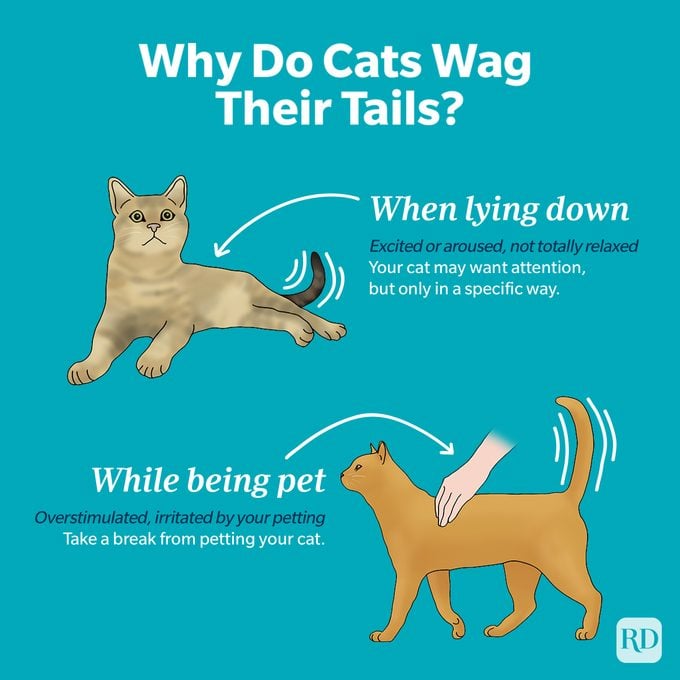
- Tail flicking or lashing:A quick swish or aggressive lash signals irritation.
- Ears pinned back:Flattened ears often mean your cat feels threatened or annoyed.
- Hissing or growling:Vocal warnings show clear discomfort.
- Stiff body or tense muscles:A rigid posture suggests your cat is not relaxed.
- Swatting or biting:These are direct ways cats say “stop.”
I once ignored a subtle tail flick on my cat’s part. Moments later, I got a sharp nip on my hand. That small sign was her way of saying she had enough.
Common Triggers For Discomfort
- Petting in sensitive areas:Many cats dislike being touched on the belly, tail, or paws.
- Overstimulation:Even the most affectionate cats have limits on how long they want to be petted.
- Unexpected touch:Surprising a cat with sudden petting can cause stress or fear.
- Petting when they want to be alone:Cats value their personal space and will show displeasure if disturbed.
- Health issues:Pain or discomfort from illness or injury can make petting unpleasant.
Have you noticed your cat suddenly avoiding your touch? It might be because of discomfort you can’t see. Checking for health problems is as important as reading their body language.
Credit: www.rd.com
Petting Preferences By Cat Type
Petting preferences vary widely among cats. Each cat type reacts differently to touch and affection. Understanding these preferences helps build a stronger bond with your feline friend.
Breed Differences
Some cat breeds love being petted more than others. For example, Siamese cats often enjoy constant attention and petting. Maine Coons tend to like gentle strokes and may prefer petting around the head and neck. Persian cats often appreciate soft, slow petting sessions. Each breed has its own unique way of showing comfort during petting.
Personality And Past Experiences
Every cat has a unique personality that affects petting preference. Shy or fearful cats might be sensitive to touch. Cats with positive early experiences often enjoy petting more. Confident cats usually seek out petting and affection. Past trauma or neglect can make some cats avoid touch. Watching a cat’s body language helps understand what they like or dislike.
Best Petting Techniques
Finding the best way to pet your cat can turn a simple touch into a moment of genuine connection. Cats are particular about how and where they like to be touched, so understanding their preferences can make all the difference. Let’s look at some effective techniques to make petting enjoyable for both you and your feline friend.
Preferred Petting Spots
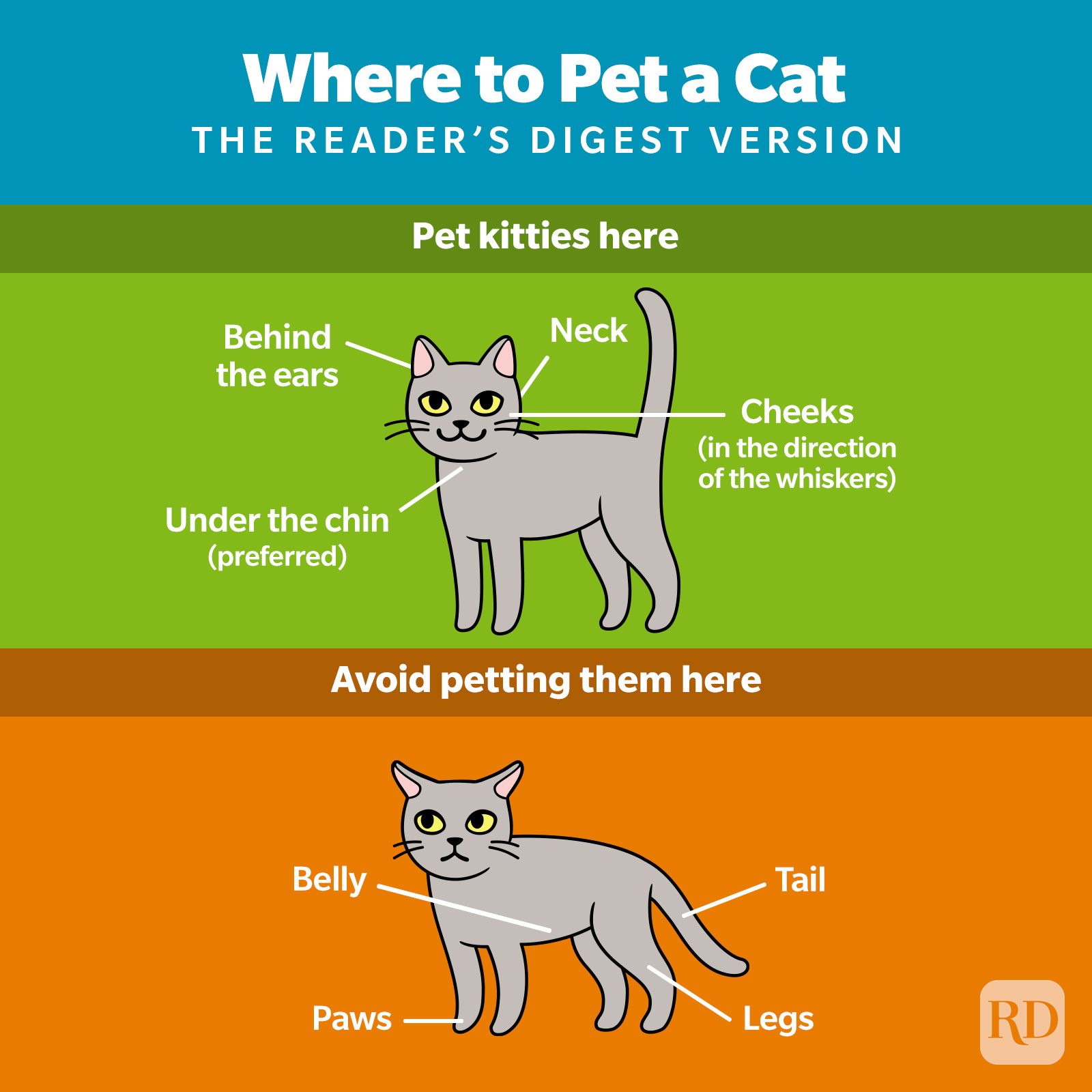
Cats usually love gentle strokes in certain areas more than others. The most popular spot is often the base of the ears, where they have many nerve endings that respond well to soft touches.
The area under the chin and along the cheeks is another favorite. Cats often rub their faces against objects and people here, so petting these spots feels comforting and familiar to them.
Many cats also enjoy a light scratch at the base of the tail. However, avoid the belly unless you know your cat well, as this spot can make them feel vulnerable and less comfortable.
- Base of ears: gentle strokes or rubs
- Under the chin and cheeks: soft scratching or rubbing
- Base of the tail: light scratching
How To Approach Your Cat
Approaching your cat calmly is key to a positive petting experience. Sudden movements or loud noises can startle them and make petting difficult.
Let your cat come to you first. Extend your hand slowly and allow them to sniff it. This simple gesture helps build trust and lets your cat decide if they want attention.
Pay attention to their body language. If they lean into your touch or purr, it’s a good sign to continue. If their tail flicks or ears flatten, give them space and try again later.
Credit: www.youtube.com
When To Stop Petting
Knowing when to stop petting your cat is important for a happy relationship. Cats enjoy petting but only for a short time. They show signs when they want you to stop. Paying attention helps avoid stress and keeps your cat calm. Learning these signals helps you respect your cat’s feelings.
Warning Signals
Cats give clear signs when they want to stop petting. Watch for these signals:
- Tail flicking or twitching
- Sudden ear movement or flattening
- Skin twitching under your hand
- Growling or hissing sounds
- Swatting or gentle biting
- Moving away or trying to escape
Stopping petting at the first sign keeps your cat comfortable. Ignoring these signs causes stress and can hurt your bond.
Respecting Your Cat’s Boundaries
Each cat has its own limits for petting time and spots. Respecting these boundaries builds trust. Let your cat decide when to stop. Avoid forcing petting if your cat shows discomfort. Offer pets gently and watch your cat’s reactions. Respect makes petting a positive experience for both.
Benefits Of Petting Cats
Petting cats offers many benefits for both cats and their owners. It is more than just a simple touch. It helps build trust and strengthens the bond between you and your feline friend.
Regular petting can make cats feel safe and loved. It also has positive effects on their health and mood. For owners, petting cats can bring calmness and joy.
Health Benefits For Cats
Petting helps reduce stress in cats. It lowers their heart rate and blood pressure. Gentle strokes can soothe sore muscles and improve blood flow. It also encourages grooming, which keeps their coat clean and healthy.
Some cats show less anxiety with regular petting. This can lead to fewer behavioral problems. Petting helps cats feel comfortable in their environment. It can even boost their immune system over time.
Emotional Benefits For Owners
Petting cats can improve mood and reduce feelings of loneliness. The simple act of stroking a cat releases calming chemicals in the brain. This can lower anxiety and stress levels in people.
Many owners feel happier after spending time petting their cats. It creates a sense of companionship and comfort. Petting also helps focus the mind, which can ease worries and negative thoughts.
Credit: www.prwe.com
Frequently Asked Questions
Do All Cats Enjoy Being Petted?
Not all cats enjoy being petted. Preferences vary by individual cat. Some cats love petting, while others prefer limited touch or none at all.
How Can You Tell If A Cat Likes Petting?
Signs a cat enjoys petting include purring, leaning into your hand, and relaxed body language. If a cat pulls away or hisses, it dislikes petting.
Where Do Cats Like Being Petted Most?
Cats usually enjoy being petted on the head, under the chin, and behind the ears. Avoid the belly unless the cat clearly invites it.
Can Petting Reduce A Cat’s Stress?
Yes, gentle petting can reduce a cat’s stress by releasing calming hormones. It strengthens your bond and helps the cat feel safe and relaxed.
Conclusion
Cats enjoy petting in different ways and at different times. Some like gentle strokes, others prefer a quick scratch. Pay attention to their body language to know what they want. Respect their space when they seem tired or upset. Petting builds trust and shows love between you and your cat.
Remember, every cat is unique. Enjoy the moments you share together.
