

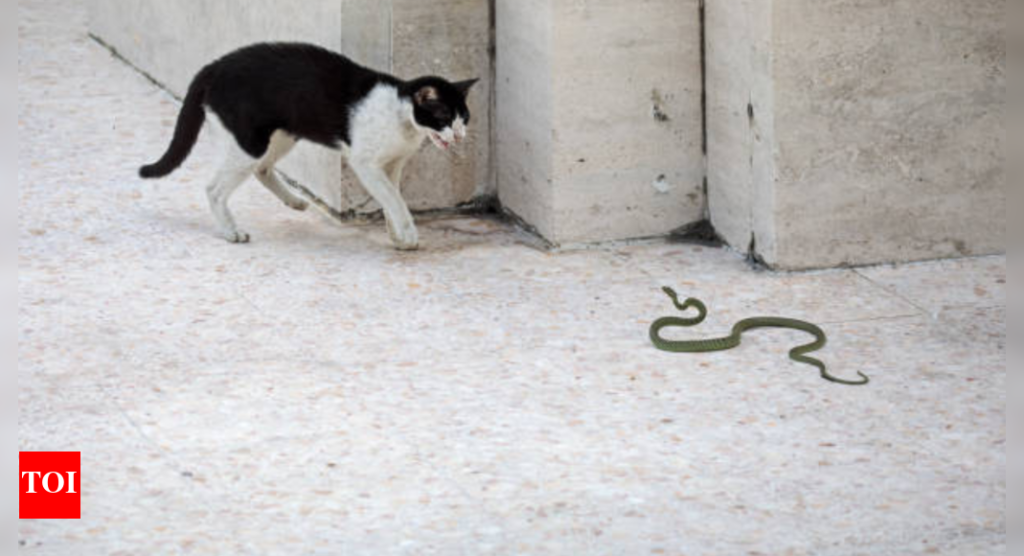
Have you ever wondered if your cat could protect you from a snake? You might be curious whether cats really kill snakes or if that’s just a myth.
Understanding this can help you feel safer and know what to expect if a snake shows up near your home. Keep reading to discover the surprising truth about cats and snakes—and what it means for you and your furry friend.

Credit: www.reddit.com
Cats As Predators
Cats are natural predators, equipped with sharp senses and quick reflexes that make them skilled hunters. Whether inside your home or roaming outside, their hunting instincts remain strong. Understanding these instincts helps you see why cats might go after creatures like snakes.
Instinctive Hunting Behavior
Even well-fed cats often chase after moving objects. This behavior is rooted deep in their DNA, passed down from wild ancestors who hunted to survive. Your cat’s sudden pounce or intense stare isn’t just play—it’s instinct kicking in.
Have you noticed your cat quietly stalking a bug or bird outside? This same focus and patience apply when they encounter snakes. Their sharp eyesight and keen hearing give them an edge in detecting small, fast-moving prey.
Common Prey For Cats
Most domestic cats hunt small animals like mice, birds, and insects. Snakes aren’t the top choice but can become targets if they cross paths. Smaller or slower snakes might be seen as manageable prey by your cat.
- Mice and rats are often the easiest and most common targets.
- Birds attract cats with their movement and noise.
- Insects provide quick, fun hunting practice.
- Snakes may be attacked out of curiosity or self-defense.
Think about your own cat’s hunting habits—do they chase anything that moves, or are they selective? Understanding their prey preferences can help you predict their behavior around snakes and keep them safe.

Credit: www.sanluisobispo.com
Cats Vs. Snakes
Cats have a curious relationship with snakes. Some cats seem scared, while others act bold. Understanding this behavior helps us see how cats react to snakes. It shows whether cats can kill snakes or just avoid them. This section explores cats’ feelings and actions around snakes.
Natural Aversion Or Attraction
Many cats feel uneasy near snakes. The snake’s movement and smell trigger a cautious response. Some cats freeze or back away quickly. Others stare intently, ready to pounce. This behavior depends on the cat’s experience and personality.
Young cats may be more curious and less scared. Older cats often learn to avoid snakes. Their natural instincts tell them snakes can be dangerous. Yet, some cats are attracted by the snake’s quick movements. This makes snakes a tempting target for play or hunting.
Cats’ Techniques In Snake Encounters
Cats use sharp senses to deal with snakes. Their eyes track the snake’s every move. Their ears listen for subtle sounds in the grass. This alertness helps cats decide when to attack or retreat.
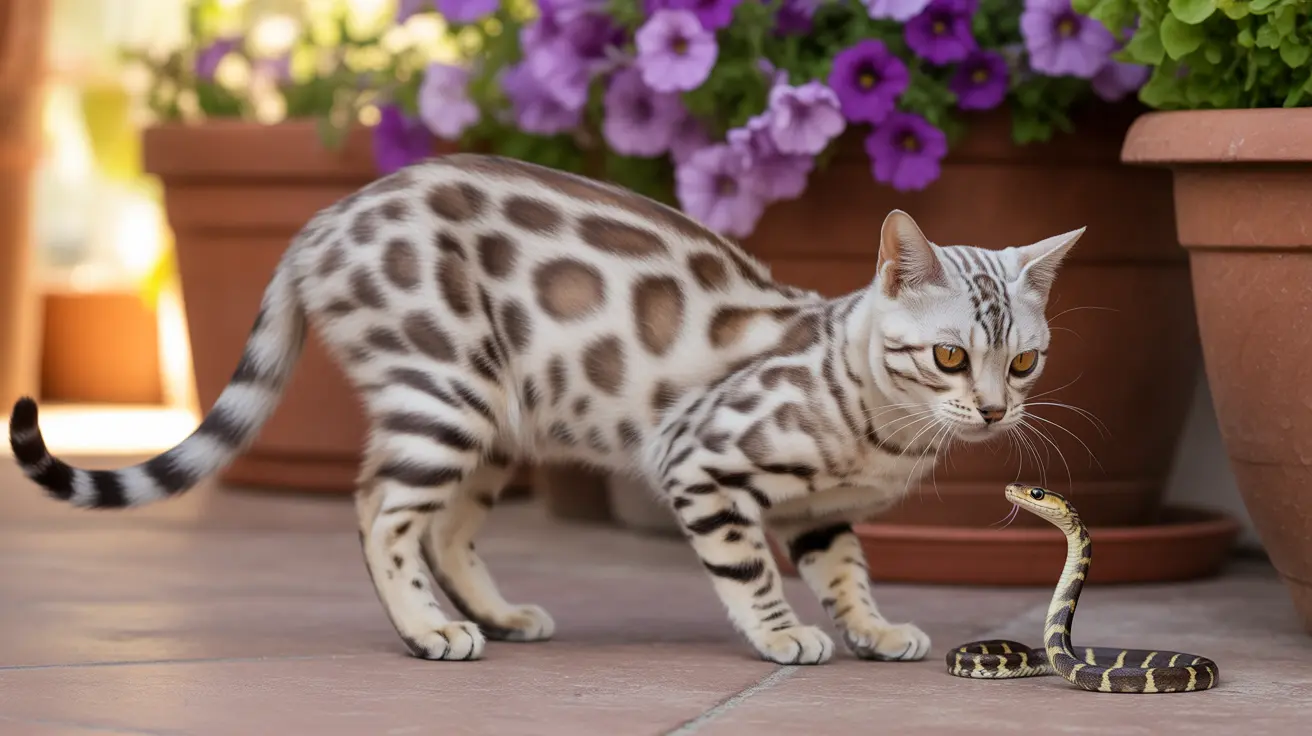
- They often paw at the snake from a safe distance.
- They use quick, controlled strikes to test the snake.
- Some cats try to corner the snake to prevent escape.
- If threatened, cats may hiss or arch their backs to appear bigger.
Cats rarely kill snakes outright. They may injure or scare them away. This cautious approach reduces the risk of injury to the cat. Cats rely on speed and agility to avoid snake bites during these encounters.
Impact On Snake Populations
The impact of cats on snake populations is a topic that raises important questions about wildlife balance. Cats are natural hunters, and their interactions with snakes can influence local ecosystems in unexpected ways. Understanding this impact helps you see the broader picture of how predators affect each other and their habitats.
Ecosystem Balance
Cats hunting snakes can disrupt the natural balance in ecosystems. Snakes often control pests like rodents and insects, so reducing snake numbers might increase these populations. Have you noticed more rodents where cats roam freely?
On the other hand, cats help keep certain snake species in check, especially venomous ones that pose risks to humans and pets. This creates a complex interaction where both cats and snakes influence each other’s survival. It’s a delicate balance that varies widely depending on the environment.
Regional Differences
The effect cats have on snake populations changes by region. In areas where snakes are rare or endangered, cats can pose a serious threat to their survival. But in places with abundant snakes, cats might only reduce numbers locally without long-term harm.
For example, in parts of Australia, feral cats significantly threaten native snake species. Meanwhile, in many urban areas in the United States, cats mainly impact common, non-threatened snakes. How does your local environment shape these predator-prey relationships?
Safety Concerns For Cats
Cats are natural hunters and may try to catch snakes they find outdoors. This behavior can put cats at risk. Knowing the safety concerns helps keep cats safe and healthy.
Potential Dangers From Snakes
Some snakes are venomous and can bite when threatened. A snakebite can cause pain, swelling, and serious illness in cats.
Even non-venomous snakes may bite or scratch. These injuries can lead to infections or wounds that need treatment.
Snakes may hide in tall grass, bushes, or under rocks. Cats exploring these areas face higher risks.
Preventive Measures For Pet Owners
Keep cats indoors or supervise outdoor time. This reduces contact with snakes and other wildlife.
Clear yards of tall grass, piles of wood, and debris. This removes places where snakes can hide.
Use snake repellents or barriers in areas known for snakes. This can discourage snakes from entering the yard.
Learn to recognize local venomous snakes. Knowing which snakes are dangerous helps in emergencies.
Take cats to the vet immediately after any snake encounter. Quick care can save lives.
Case Studies And Anecdotes
Stories and studies about cats killing snakes offer insight into this unusual behavior. These accounts show how cats react to snakes in real situations. They also reveal what experts say about this interaction. Understanding these helps us see if cats really can kill snakes and why they do it.
Real-life Encounters
Many pet owners share stories of cats confronting snakes in their yards or homes. Some cats chase snakes away quickly. Others have been seen catching and even killing small snakes. These encounters often happen near gardens or fields. Cats use their sharp claws and quick reflexes to handle snakes.
Here are some common themes from these stories:
- Cats show cautious curiosity at first.
- They tend to avoid venomous snakes.
- Smaller snakes are more likely to be caught.
- Cats often play with snakes before killing.
- Not all cats are interested in snakes.
Expert Opinions
Veterinarians and animal behaviorists study how cats interact with snakes. Experts say cats have natural hunting skills. These skills help cats catch many small animals, including snakes. Yet, they warn that snakes can be dangerous for cats. Venomous bites can cause serious harm or death.
Experts note these points:
- Cats rarely hunt large or venomous snakes.
- Most cats avoid snake encounters if possible.
- Curiosity can lead to risky situations.
- Owners should watch pets in snake-prone areas.
- Training cats to stay away from snakes is advised.
Myths And Misconceptions
Cats and snakes have long been subjects of fascination and fear. Many stories claim cats are natural snake killers. These ideas often mix truth with exaggeration. Understanding these myths helps us see cats and snakes more clearly.
Common Beliefs About Cats And Snakes
- Cats always hunt and kill snakes on sight.
- All cats are immune to snake venom.
- Cats can protect homes from dangerous snakes.
- Snakes avoid places where cats live.
These beliefs come from old tales and some rare encounters. People often assume cats are fearless snake hunters. This creates a false image of cats as snake killers.
Separating Fact From Fiction
Not all cats hunt snakes. Most cats are curious but cautious. Many avoid snakes due to danger. Snake venom affects cats differently depending on the species.
Cats do not have immunity to venom. Some venomous snakes can hurt or kill cats. Cats may try to play with snakes, risking bites. Cats can scare away small snakes but do not always kill them.
Relying on cats to control snakes is risky. It is safer to use proper pest control methods. Knowing the truth helps keep both cats and people safe.
Credit: www.petscare.com
Frequently Asked Questions
Do Cats Naturally Hunt And Kill Snakes?
Yes, cats have a natural hunting instinct and may kill snakes. They use agility and sharp claws to catch and kill small snakes.
Are Cats Effective In Controlling Snake Populations?
Cats can help reduce small snake numbers around homes. However, they may not control larger or venomous snakes effectively.
Can Cats Get Harmed By Venomous Snakes?
Yes, cats can be seriously injured or killed by venomous snake bites. Immediate veterinary care is crucial if bitten.
Why Do Cats Attack Snakes Instead Of Running Away?
Cats are curious and territorial animals. They often attack snakes to protect themselves or their territory.
Conclusion
Cats often show interest in snakes but don’t always kill them. Their reactions depend on the snake’s size and the cat’s personality. Some cats may chase or catch small snakes. Others might avoid them completely. Keep pets safe by watching them around snakes.
Knowing your cat’s behavior helps prevent risks. Snakes can be dangerous, so caution is key. Cats are curious, but not natural snake hunters. Observing them closely is the best way to keep both safe.
