

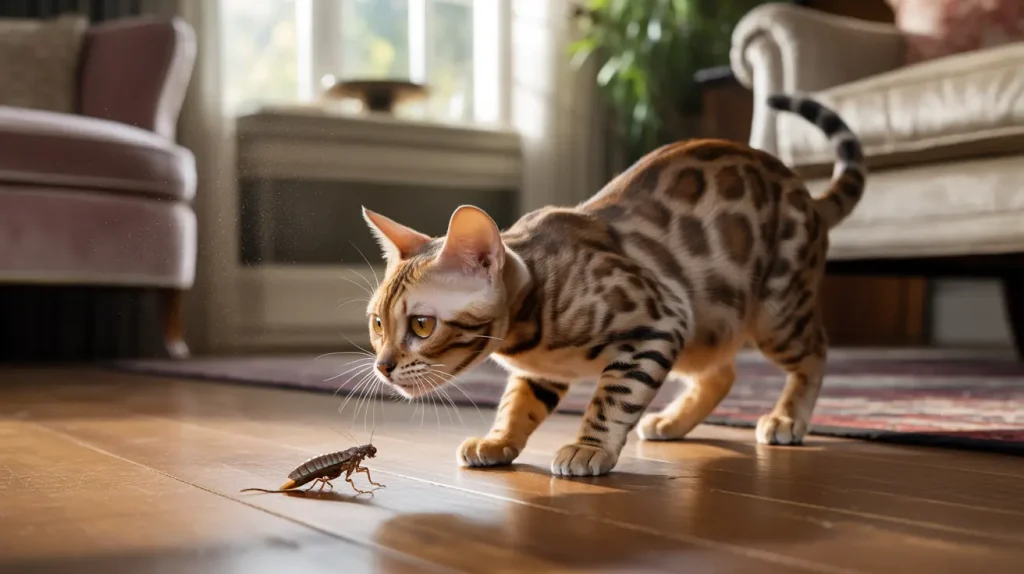
Have you ever wondered if your cat could help you get rid of those annoying roaches invading your home? You might have noticed your furry friend’s curious behavior around these creepy crawlers and asked yourself, “Do cats actually kill roaches?” Understanding this could change how you handle pest problems and even reveal surprising benefits of having a cat around.
Keep reading to discover the truth behind cats and roaches—and how this might affect your home environment.
Feline Instincts
Cats are natural hunters, and their instincts shape much of their behavior. Understanding these instincts can help you see why your feline friend might chase or even kill roaches. It’s not just about play; it’s about deep-rooted survival skills.
Hunter’s Nature
Every cat carries the DNA of a predator. Their sharp eyes, quick reflexes, and silent movements make them effective hunters, even indoors. Have you noticed how your cat suddenly freezes and then pounces? That’s their hunting mode activating.
This hunting behavior isn’t just for food; it’s also mental stimulation. Cats need challenges, and a moving roach offers a perfect target. When your cat catches a roach, it’s exercising those natural skills that keep them alert and engaged.
Role Of Curiosity
Curiosity drives cats to investigate anything new or moving. Roaches, with their unpredictable scurrying, catch your cat’s attention instantly. This curiosity is not random; it’s a survival trait that helps cats learn about their environment.
Think about your cat’s reaction the last time a bug appeared. Did they cautiously approach or instantly chase it? Their curiosity often leads to playful hunting, which can result in the roach getting caught or killed.
Could encouraging your cat’s curiosity help control small pests naturally? Observing how your cat interacts with roaches might reveal more about their hunting preferences and instincts.
Credit: www.livescience.com
Cats And Roaches
Cats and roaches often cross paths in homes, creating a curious dynamic. Many cat owners wonder if their feline friends actually hunt or eat these pesky insects. Understanding this interaction can help you figure out if your cat can be a natural pest controller or if it’s just playful curiosity at work.
Do Cats Eat Roaches?
Some cats do eat roaches, but not all of them. Cats are natural hunters, and roaches can trigger their chase instinct. However, whether a cat actually eats a roach depends on its personality and past experiences.
Some cats enjoy the taste or texture of roaches, while others just like batting them around. If your cat does eat a roach, it’s usually safe, but roaches can carry bacteria that might upset your cat’s stomach. Have you noticed your cat showing more interest in insects than toys?
Behavioral Patterns
Cats often stalk and pounce on moving objects, and roaches fit that bill perfectly. This behavior is part of their hunting instinct, sharpened by play and practice. Watching a cat chase a roach can be entertaining, but it’s mostly about the thrill of the hunt, not hunger.
Some cats will chase roaches repeatedly, turning it into a game. Others may lose interest quickly once the novelty fades. Your cat’s behavior can tell you a lot about its personality and energy levels.
Benefits Of Cats In Pest Control
Having a cat around can do more than just keep you company—it can actually help manage pests like roaches in your home. Cats bring a unique set of benefits that natural pest control products often lack. Understanding how cats contribute to keeping roaches at bay might change how you view your furry friend’s role in your living space.
Natural Deterrents
Cats naturally produce scents that roaches find unpleasant. This makes many areas where cats spend time less attractive to these pests. You might notice roaches avoid spots where your cat lounges or frequently visits.
Besides their scent, cats’ movements are unpredictable and active, which can scare off roaches. Unlike chemical sprays, this form of deterrent is safe for your family and pets. Have you ever caught your cat staring intently at a corner? That’s often a roach hiding spot being monitored.
Reducing Roach Populations
Cats are hunters by nature and often catch roaches as part of their instinctual behavior. This hunting helps reduce the overall number of roaches in your home. Even if your cat doesn’t eat all the roaches, simply catching or killing some can disrupt their breeding cycle.
Imagine your cat as a silent pest control agent working around the clock. Over time, this can lower the chance of roach infestations. If you want to enhance this effect, try keeping your cat’s play areas near common roach entry points or suspected nests.
Potential Risks
Many cat owners notice their pets chasing and sometimes catching roaches. While this might seem like a natural pest control, it’s important to understand the potential risks involved. Your cat’s health could be at stake, and roaches have surprising defense strategies that might make the encounter dangerous for your furry friend.
Health Concerns For Cats
Roaches carry bacteria and parasites that can harm your cat. If your cat eats a roach, it might ingest harmful germs leading to stomach upset or infections.
Some roaches have been exposed to pesticides, which can poison your cat if ingested. Signs to watch for include vomiting, diarrhea, or lethargy after your cat catches a roach.
Have you noticed your cat acting strangely after playing with bugs? It’s wise to keep an eye on their behavior and consult a vet if you see unusual symptoms.
Roach Defense Mechanisms
Roaches aren’t helpless prey. They release unpleasant odors or secrete toxic chemicals to deter predators, including curious cats.
These defense tactics can irritate your cat’s mouth or skin. Scratches or bites may also occur if your cat tries to catch the roach too aggressively.
Understanding these risks helps you decide how much freedom to give your cat around these pests. Would you want your cat to face these dangers just to catch a roach?
Alternatives To Cats For Roach Control
Cats may chase roaches, but they are not the best solution for pest control. Many people seek other ways to keep roaches away. There are several effective methods that do not involve pets. These alternatives can fit different needs and preferences.
Chemical Solutions
Chemical treatments are common for roach control. They work quickly and kill roaches on contact. Many products are available as sprays, baits, and powders.
- Insecticide sprays provide fast results on visible roaches.
- Roach baits attract roaches to poison them over time.
- Powders can be applied in cracks and crevices where roaches hide.
Always read product labels and follow safety instructions carefully. Keep chemicals away from children and pets.
Non-toxic Methods
Non-toxic options offer safer ways to control roaches. They avoid harsh chemicals and are better for homes with children and animals.
- Sticky traps catch roaches without poisons.
- Boric acid is a natural powder that kills roaches when they walk over it.
- Essential oils like peppermint or eucalyptus can repel roaches.
- Keep your home clean and dry to reduce roach attraction.
These methods require patience but improve indoor safety. Combining several approaches can increase success.
Credit: www.petscare.com
Tips For Encouraging Hunting Behavior
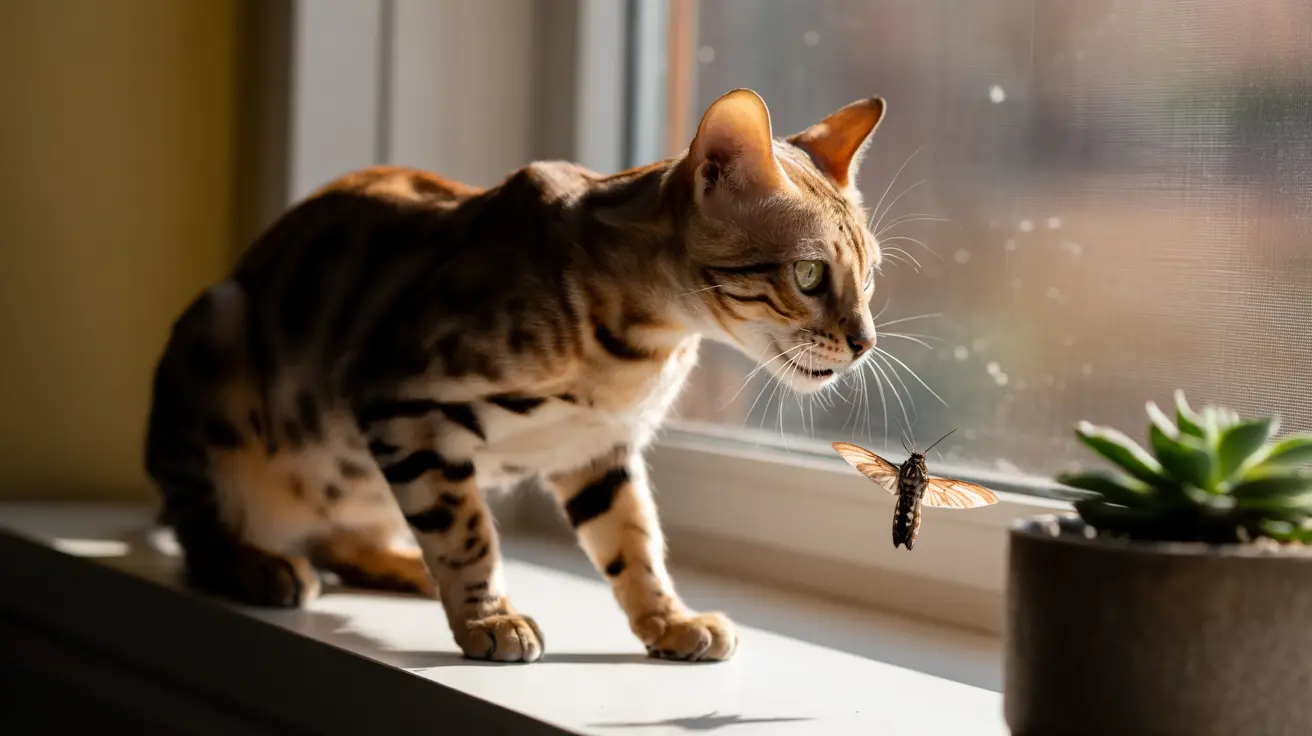
Encouraging a cat’s natural hunting behavior can help keep roaches away. Cats enjoy chasing and pouncing on moving objects. Creating the right atmosphere and using gentle training can boost their interest in hunting. These tips help cats stay active and use their skills.
Stimulating Environment
Create a lively space that invites your cat to explore and hunt. Use toys that mimic small prey. Feather wands and laser pointers work well. Rotate toys to keep them interesting. Provide hiding spots where roaches might appear. Cats love to peek and pounce from behind furniture or boxes. A clutter-free area lets your cat move quickly and safely during play.
Training Techniques
Use simple play sessions to encourage hunting instincts. Start by moving a toy slowly to catch your cat’s attention. Increase speed and randomness to mimic real prey. Reward your cat with praise or treats after successful pounces. Keep sessions short but frequent to maintain interest. Avoid forcing your cat; let it choose when to play. Consistency helps cats understand and enjoy hunting activities.

Credit: www.reddit.com
Frequently Asked Questions
Do Cats Naturally Hunt And Kill Roaches?
Yes, cats have natural hunting instincts that drive them to chase and kill roaches. Their quick reflexes make them effective at catching these insects.
Can Cats Help Control A Roach Infestation?
Cats may reduce small roach numbers by hunting them, but they cannot control large infestations. Professional pest control is necessary for serious problems.
Are Roaches Safe For Cats To Eat?
Roaches are generally not harmful if eaten occasionally, but they may carry bacteria or pesticides. It’s best to discourage cats from eating them regularly.
Why Do Cats Like Chasing Roaches?
Cats are attracted to the movement of roaches, which triggers their predatory instincts. Chasing roaches provides mental stimulation and exercise for cats.
Conclusion
Cats do catch and kill roaches sometimes. Not all cats are interested in hunting insects. Some cats may ignore roaches completely. Relying on cats alone won’t solve a roach problem. Cleanliness and proper pest control remain important. Cats can help reduce roach numbers a bit.
They are more like a bonus, not a full solution. Understanding your cat’s behavior helps manage expectations. Keep your home clean to keep roaches away. Combine efforts for the best results.
