

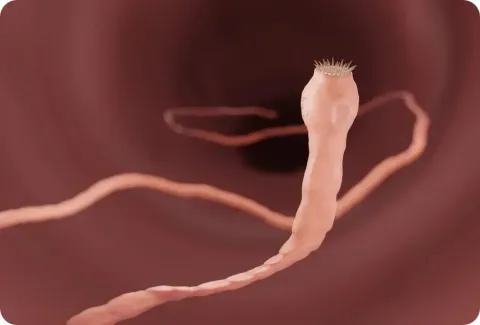
Have you ever wondered if your cat might have worms? It’s a common concern for many cat owners, but it’s not always easy to tell.
Worms can hide inside your furry friend without obvious signs, putting their health at risk. If you want to keep your cat happy and healthy, understanding the truth about worms is crucial. You’ll discover how to spot the signs, why worms happen, and what you can do to protect your pet.
Keep reading to learn everything you need to know about cats and worms—your cat’s well-being depends on it.
Common Worms In Cats
Worms in cats are more common than many pet owners realize. Knowing the types of worms your cat might encounter can help you spot signs early and act quickly. Here’s a closer look at the common worms that infect cats and what you should watch for.
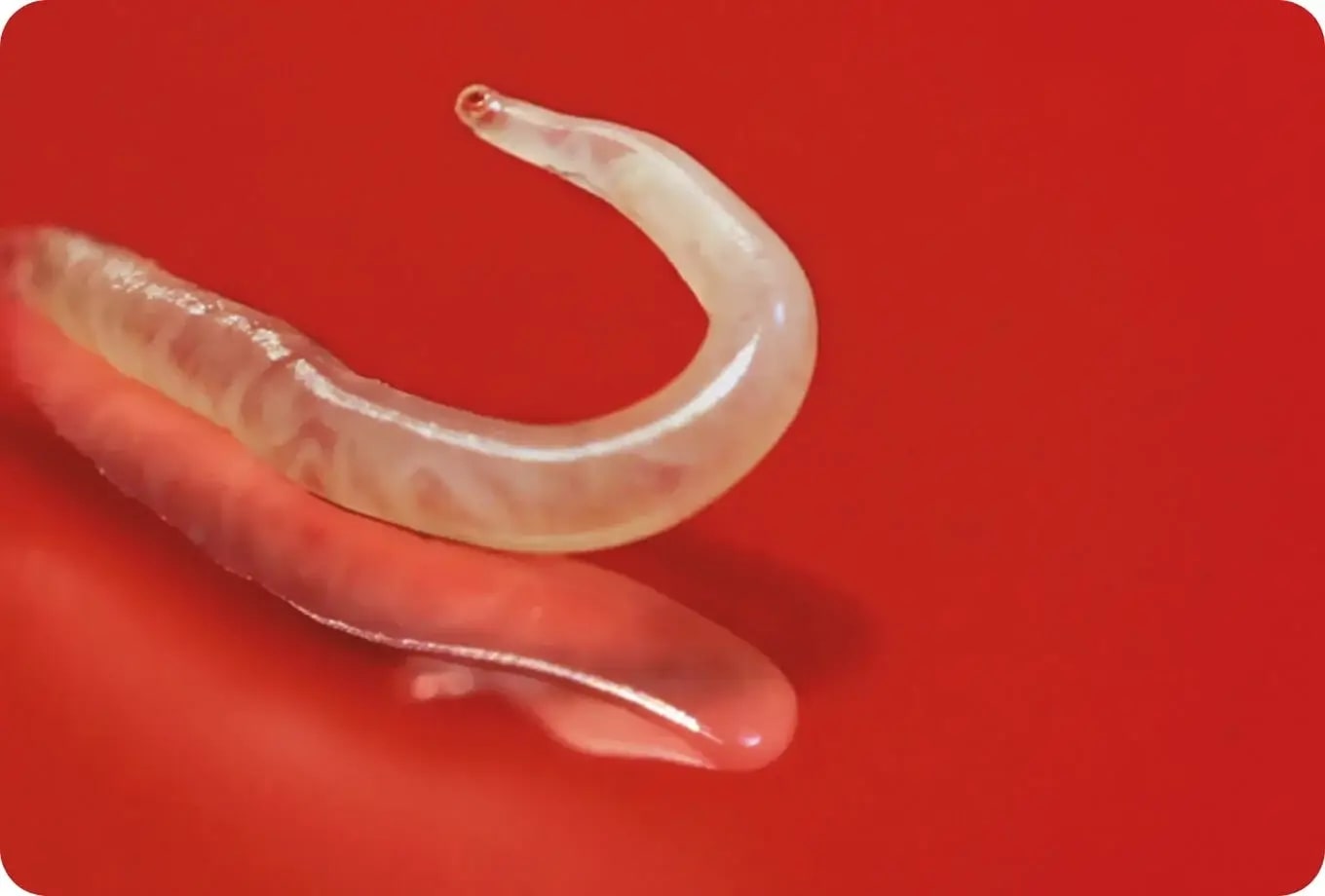
Roundworms
Roundworms are the most common intestinal worms in cats. They look like spaghetti and can grow up to several inches long inside your cat’s intestines. Kittens often get roundworms from their mother’s milk, which can cause vomiting, diarrhea, and a potbellied appearance.
If your cat is coughing or seems to have trouble breathing, roundworms might be the cause. They can migrate through the lungs, causing respiratory issues. Have you noticed your cat scooting or losing weight despite a good appetite? These could be signs of roundworms.
Tapeworms
Tapeworms appear as small, flat segments that sometimes look like grains of rice around your cat’s rear or in their feces. Cats usually get tapeworms by swallowing fleas during grooming. Since fleas are common, many cats are at risk without regular flea control.
Tapeworms rarely cause serious illness but can make your cat itchy and uncomfortable. If you see your cat licking or biting their tail area a lot, it might be time to check for tapeworms. Have you ever found tiny white segments on your cat’s fur or bedding?
Hookworms
Hookworms are small but dangerous parasites that attach to the lining of your cat’s intestines. They suck blood, which can lead to anemia, especially in kittens or older cats. Symptoms include weakness, pale gums, and bloody diarrhea.
Hookworms can enter through the skin or by swallowing larvae, so outdoor cats are particularly vulnerable. If your cat suddenly becomes lethargic or shows signs of blood loss, consider a vet visit to test for hookworms. Could your cat’s unexplained tiredness be linked to this parasite?
Whipworms
Whipworms are less common in cats but still pose a risk. These worms burrow into the large intestine, causing inflammation and discomfort. Symptoms include diarrhea that may contain mucus or blood, and weight loss over time.
Because whipworm infections develop slowly, you might not notice symptoms immediately. Regular stool tests during vet visits can catch whipworms early. Have you ever wondered if your cat’s recurring digestive issues could be due to a hidden parasite?

Credit: www.outdoorbengal.com
Signs Of Worm Infestation
Recognizing the signs of worm infestation in your cat is crucial for timely treatment. Worms can affect your cat’s health in subtle ways before more severe symptoms appear. Paying close attention to changes in behavior and physical condition helps you catch the problem early and protect your furry friend.
Behavioral Changes
You might notice your cat acting differently when worms are present. They could seem more tired or less playful than usual. Some cats become restless, scratching or biting at their rear end more often.
Have you seen your cat suddenly lose interest in activities they used to enjoy? These shifts can be your first clues to a worm infestation.
Physical Symptoms
Worms can cause visible changes in your cat’s body. A dull coat or excessive shedding often signals a health issue, including worms. Weight loss despite a good appetite is another warning sign to watch out for.
Swelling or a bloated belly can also indicate an internal worm problem. If your cat’s belly looks unusually round or hard, it’s time to check with your vet.
Digestive Issues
Digestive troubles frequently accompany worm infestations. Your cat may vomit or have diarrhea more often. Sometimes, you’ll notice a change in appetite, either eating less or more than usual.
Have you seen your cat struggling with constipation or unusual bowel movements? These signs often point to worms disrupting their digestive system.
Visible Signs In Stool
Inspecting your cat’s stool can reveal worms directly. You might see small white segments or actual worms in the feces. Sometimes, the stool looks softer or contains mucus.
Finding worms in your cat’s stool is a clear signal to seek veterinary care immediately. Don’t ignore these signs—early detection can prevent serious health problems.
Health Risks Of Worms
Worms in cats can cause serious health problems. These parasites affect various parts of a cat’s body. Understanding the health risks helps in early detection and treatment. Worm infections often go unnoticed until symptoms worsen. The impact on a cat’s well-being can be significant and sometimes life-threatening.
Impact On Digestive Health
Worms live in the cat’s intestines and cause discomfort. They may lead to vomiting and diarrhea. These symptoms can cause dehydration quickly. Intestinal blockages can happen with heavy infections. This condition may require urgent veterinary care. Worms also irritate the stomach lining, causing pain and loss of appetite. Over time, the digestive system weakens.
Nutritional Deficiencies
Worms steal nutrients from the cat’s food. This causes the cat to lose weight even with normal eating. Vitamins and minerals become scarce for the cat’s body. The cat may look weak and tired. Kittens are especially vulnerable to nutrient loss. Poor nutrition affects growth and immune strength. Long-term worm infestation can stunt development in young cats.
Risks To Humans
Some worms can pass from cats to people. This risk is higher for children and elderly. Parasites can cause skin rashes or stomach problems in humans. Good hygiene prevents most infections. Regular deworming of cats protects the whole family. Knowing these risks encourages safe pet care habits.
Diagnosis Of Worms In Cats
Detecting worms in your cat early can prevent serious health issues. Understanding how vets diagnose these parasites helps you take quick action. Let’s look at the key ways professionals identify worm infections.
Veterinary Examination
The vet starts with a physical checkup, looking for visible signs like a bloated belly or a dull coat. They may also examine your cat’s behavior and appetite. Have you noticed any sudden changes in your cat that seem unusual?
This hands-on approach helps spot symptoms that might otherwise go unnoticed. It’s the first step toward confirming if worms could be the problem.
Stool Sample Testing
One of the most reliable ways to diagnose worms is by analyzing your cat’s stool. The vet looks for worm eggs or larvae under a microscope. This test can detect common worms like roundworms and tapeworms.
You might be asked to collect a fresh stool sample at home. It’s a simple task but crucial for accurate diagnosis. Have you ever wondered how such a small sample can reveal so much about your cat’s health?
Blood Tests
Sometimes, stool tests aren’t enough, especially for certain types of worms like heartworms. Blood tests can identify antibodies or antigens related to these parasites. They also provide a broader picture of your cat’s overall health.
Blood work might feel intimidating, but it’s a quick way to catch hidden infections early. Would you want to skip this step if it means keeping your cat healthier for longer?
Effective Treatments
Effective treatments for worms in cats are essential to ensure their health. Worms can cause discomfort and serious illness if not treated properly. There are several options available, from strong prescription drugs to gentle natural remedies. Each treatment type works differently and suits different situations. Understanding these options helps pet owners choose the best care for their cats.
Prescription Medications
Prescription medications are the most reliable way to clear worm infections. Veterinarians prescribe these drugs based on the worm type and infection severity. These medications kill worms quickly and prevent them from returning.
- Usually given as tablets, liquids, or injections
- Target specific worms like roundworms, tapeworms, or hookworms
- Require a vet’s diagnosis before use
- Safe when used as directed by a professional
Over-the-counter Solutions
Over-the-counter dewormers offer a convenient option for mild cases. These products are available without a prescription at pet stores. They help reduce worm populations but may not be as strong as prescription drugs.
- Usually come as chewable tablets or liquids
- Work best for common worms like roundworms
- Should be used with caution and proper dosage
- Consult a vet if symptoms persist
Natural Remedies
Natural remedies can support worm prevention and overall health. They include herbs, foods, and supplements known for their anti-parasitic properties. These remedies may not remove worms entirely but help maintain a healthy digestive system.
- Common natural options include pumpkin seeds and garlic (in small amounts)
- Often used alongside other treatments
- Safe but effectiveness varies
- Consult a vet before starting natural treatments

Credit: justcatsclinic.com
Prevention Strategies
Preventing worms in cats is vital for their health and happiness. Worm infections can cause serious problems. Taking simple steps helps keep cats safe and healthy. Prevention focuses on regular care, cleanliness, and good nutrition.
Regular Veterinary Visits
Schedule vet visits for check-ups and worm tests. Vets can spot worms early before serious issues start. Follow their advice on deworming medicines. These visits keep cats protected year-round.
Maintaining Clean Environment
Keep your cat’s living area clean and dry. Remove waste daily to stop worm eggs from spreading. Wash bedding and toys often. Clean litter boxes regularly to reduce infection risk.
Proper Diet And Nutrition
Feed your cat balanced food to boost their immune system. Avoid raw meat or fish, which may carry worms. High-quality diet helps cats fight infections naturally. Fresh water should always be available.
When To Consult A Vet
Knowing when to seek veterinary help is important for your cat’s health. Some signs mean the problem may need professional care. Acting early can prevent serious complications and ease your cat’s discomfort.
Persistent Symptoms
Watch for symptoms that do not go away. These include:
- Ongoing vomiting or diarrhea
- Frequent scratching or licking of the rear
- Weight loss without a clear reason
- Visible worms or eggs in stool or around the anus
Persistent symptoms suggest the worms are not clearing up on their own. A vet can confirm the issue and give the right treatment.
Severe Infestations
Severe worm infestations need immediate veterinary care. Signs include:
- Weakness or lethargy
- Swollen belly
- Pale gums
- Difficulty breathing or walking
These symptoms may indicate serious health risks. Early vet intervention can save your cat’s life.
Concerns For Other Pets
Worms can spread among pets in the same home. If one cat is infected, others may catch worms too. Look for symptoms in all pets. A vet can advise on treatment for the whole household. Preventing spread keeps every pet safe and healthy.
Credit: nexgardforpets.com
Frequently Asked Questions
Do Cats Commonly Get Worms?
Yes, cats often get worms like roundworms, tapeworms, and hookworms. These parasites are common and can affect cats of all ages.
What Are The Signs Of Worms In Cats?
Common signs include weight loss, vomiting, diarrhea, and a bloated belly. You might also see worms in their stool or around the anus.
How Do Cats Get Worms?
Cats get worms by ingesting eggs or larvae from contaminated soil, prey, or infected feces. Mother cats can also pass worms to kittens.
Can Worms In Cats Affect Humans?
Yes, some cat worms can infect humans, especially children. Good hygiene and regular vet care reduce this risk effectively.
Conclusion
Cats can get worms, and it is common in many pets. Watch for signs like weight loss, vomiting, or a dull coat. Regular vet visits help find worms early. Deworming treatments keep cats healthy and happy. Clean living spaces reduce the risk of infection.
Taking care of your cat means checking for worms often. Healthy cats live longer and feel better. Stay informed and act quickly if you suspect worms. Your cat depends on you for good care. Simple steps make a big difference in their health.
