

Have you ever looked closely at your cat’s eyes and wondered if they have something different from yours? Maybe you noticed a tiny, extra layer on their eyelids and asked yourself, “Do cats have two eyelids?”
This small detail might seem simple, but it holds the key to understanding your furry friend’s health and behavior. If you want to know why cats have this special feature and how it helps protect those mesmerizing eyes, keep reading.
Your cat’s eyes are more fascinating than you think!
Cat Eye Anatomy
Cats have three eyelids, not two. The third eyelid, called the nictitating membrane, helps protect and moisten their eyes. This unique feature keeps their eyes safe and healthy.
Understanding cat eye anatomy is like peering into a world of evolutionary marvels. Cats, with their mesmerizing eyes, are not only captivating but also finely tuned for their predatory lifestyle. Whether you’re a cat owner or simply fascinated by feline biology, exploring the structure of a cat’s eyes can offer intriguing insights into their unique vision.Upper And Lower Eyelids
Cats have both upper and lower eyelids, similar to humans. These eyelids play a vital role in protecting the eyes from dust, debris, and injury. Have you ever noticed how your cat blinks slowly? This isn’t just a sign of contentment; it’s also an essential function to keep their eyes moist and clean.The Third Eyelid
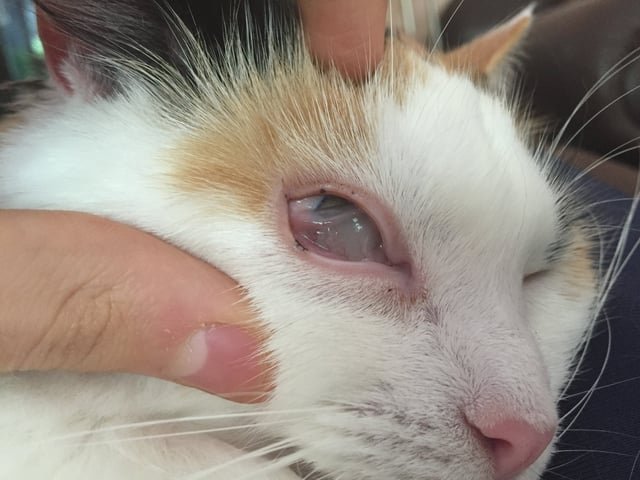
An intriguing feature of a cat’s eye is the third eyelid, or nictitating membrane. This semi-transparent eyelid is located in the inner corner of the eye. It acts as a protective shield, especially when your cat is on the hunt or exploring the outdoors. The third eyelid can sometimes appear more visible if a cat is unwell. If you notice it covering more of the eye than usual, it might be time for a vet visit. Have you ever wondered why cats can see so well in low light? Their eye structure, including the third eyelid, plays a part in their superior night vision. Understanding these elements not only deepens your appreciation for your feline friend but can also help you spot any potential eye health issues early. Next time you’re gazing into your cat’s eyes, remember the complex anatomy working tirelessly to keep them sharp and alert.
Credit: www.purina.com
Purpose Of The Third Eyelid
The third eyelid, also known as the nictitating membrane, serves a unique and important role in your cat’s eye health. Unlike the two visible eyelids you see blinking, this hidden eyelid quietly works behind the scenes. Understanding its purpose can help you better care for your feline friend’s eyes and notice when something might be wrong.
Protection And Moisture
The third eyelid acts as an extra shield for your cat’s eyes. It sweeps across the surface to clear away dust, debris, and even small particles that might cause irritation.
It also helps keep the eyes moist by spreading tears evenly. If you’ve ever noticed your cat blinking in a strange way or the third eyelid partially covering the eye, it might be working hard to protect or hydrate the eye.
Health Indicators
This hidden eyelid can tell you a lot about your cat’s health. If it remains visible or looks swollen, it could indicate issues like infections, dehydration, or other illnesses.
Pay attention to changes in how the third eyelid appears. For example, if your cat’s third eyelid is constantly showing, it might be time to check in with your vet. Have you ever spotted this and wondered what it meant?
How Cats Use Their Eyelids
Cats have a unique way of using their eyelids that helps them in daily life. Their eyelids protect their eyes and play a big role in how they communicate. Understanding how cats use their eyelids reveals a lot about their behavior and feelings. Their eyelid movements are subtle but meaningful.
Blinking Patterns
Cats blink differently than humans. They often use slow blinks to show trust and relaxation. Rapid blinking can mean they feel nervous or threatened. Sometimes, cats keep one eye partly closed to protect it or show mild discomfort. Their blinking helps keep their eyes moist and clean.
Communication Through Eyes
Cats use their eyes to send messages to other cats and humans. A slow blink is like a “I trust you” signal. Wide-open eyes can mean surprise or fear. Narrowed eyes often show contentment or calmness. Watching a cat’s eyelids can help you understand its mood without words.

Credit: www.reddit.com
Common Eyelid Issues In Cats
Cats rely heavily on their eyes for exploring the world, but their eyelids can sometimes face problems that affect their vision and comfort. Understanding common eyelid issues helps you spot trouble early and seek the right care. Let’s look at some typical problems that can affect your feline’s eyelids and what signs you should watch for.
Infections And Injuries
Just like people, cats can get infections around their eyes, which often cause redness, swelling, and discharge. These infections may result from bacteria, viruses, or even fungi, and can cause discomfort or pain for your cat.
Injuries to the eyelids happen more often than you might think. Your cat might scratch their eye accidentally or get into a scuffle with another animal. If you notice your cat squinting, pawing at their eye, or if there is visible swelling or bleeding, it’s time to visit your vet.
Have you ever noticed your cat’s eye looking watery or crusty in the morning? That could be an early sign of an infection or irritation that needs attention.
Eyelid Abnormalities
Some cats are born with or develop eyelid abnormalities that can cause problems. One common issue is “entropion,” where the eyelid rolls inward and the lashes rub against the eye, causing irritation. Another is “ectropion,” when the eyelid droops outward, exposing the inner eyelid and leading to dryness or infection.
These conditions might not be obvious at first, but they can cause your cat discomfort and even damage the eye if left untreated. If you spot unusual blinking, redness, or your cat seems sensitive to light, it’s worth getting their eyelids checked.
Have you noticed your cat’s eyes look different or if they seem more sensitive than usual? Early detection can make a big difference in managing these eyelid issues effectively.
Caring For Your Cat’s Eyes
Caring for your cat’s eyes is more important than many pet owners realize. Cats have a unique eye structure, including a third eyelid, that helps protect their vision. Paying attention to their eye health can prevent discomfort and serious issues down the line.
Routine Eye Checks
Get into the habit of checking your cat’s eyes regularly. Look for any redness, cloudiness, or unusual discharge. Healthy eyes should be clear and bright without swelling.
Gently lift your cat’s upper and lower eyelids to see the whites of their eyes and check the third eyelid, which is usually not visible. If you notice the third eyelid showing more than usual, it could signal an underlying problem.
Make it a simple part of your daily routine—just a quick glance while petting your cat. You’ll catch potential issues early and keep your feline friend comfortable.
When To See A Vet
Not all eye changes are emergencies, but some require prompt veterinary care. If your cat’s eyes suddenly become red, swollen, or start to discharge thick pus, don’t wait.
Other signs like excessive squinting, frequent pawing at the eyes, or a visible cloud over the eye surface also mean it’s time for a vet visit. These symptoms can indicate infections, injuries, or even more serious conditions.
Have you ever noticed your cat’s eye looking different and wondered if it’s serious? Trust your instincts. Early treatment can save your cat’s vision and prevent pain.

Credit: www.downtoearth.org.in
Frequently Asked Questions
Do Cats Really Have Two Eyelids?
Yes, cats have two eyelids. The upper and lower eyelids protect their eyes. They also have a third eyelid called the nictitating membrane. This third eyelid helps keep the eye moist and shields it from dust and injury.
What Is The Function Of A Cat’s Third Eyelid?
The third eyelid protects the cat’s eye from damage and infection. It spreads tears evenly across the eye surface. It also helps remove debris and can indicate the cat’s health when visible.
Can A Cat’s Eyelids Indicate Health Issues?
Yes, visible or swollen third eyelids can signal health problems. It may indicate eye infections, dehydration, or other illnesses. If you notice persistent eyelid issues, consult a veterinarian promptly.
How Do Cat Eyelids Differ From Human Eyelids?
Cats have an extra eyelid, the nictitating membrane, which humans lack. This third eyelid offers additional eye protection and moisture. Cats’ eyelids also close more quickly to shield their eyes from harm.
Conclusion
Cats have a unique feature—two eyelids on each eye. The third eyelid helps protect their eyes and keep them moist. You might notice it when your cat is tired or sick. This small detail shows how nature helps cats stay healthy.
Understanding this can make you care more for your pet. It’s a simple fact but an interesting one. Cats are amazing creatures with many special traits. Keep watching your cat closely, and you’ll learn even more about them.
