

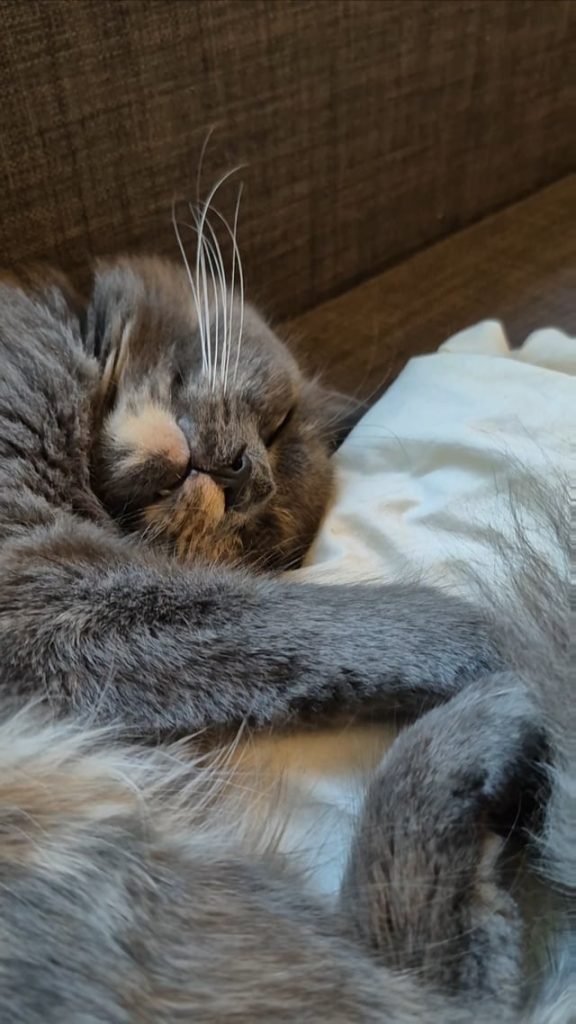
Have you ever noticed your cat twitching, pawing, or making little noises while sleeping? It makes you wonder—do cats have nightmares like humans do?
Understanding what goes on in your furry friend’s mind during sleep can help you connect with them on a deeper level. If you’ve ever felt worried or curious about your cat’s restless nights, this article will clear up the mystery and give you insights you won’t want to miss.
Keep reading to discover the truth about your cat’s dreams and what they might mean for their well-being.
Cat Sleep Patterns
Cats often twitch and move their paws during sleep, showing signs of dreaming. Scientists believe cats can have nightmares, similar to humans. Observing restless sleep might mean your cat is experiencing bad dreams.
Cats are mysterious creatures, especially when it comes to their sleeping habits. As any cat owner knows, these furry companions spend a significant portion of their day napping. But what’s happening in their little heads during these long stretches of sleep? Understanding cat sleep patterns can offer insights into whether they experience nightmares, just like humans do.Stages Of Feline Sleep
Cats, like humans, go through different stages of sleep. They shift between light sleep and deep sleep. During light sleep, they remain alert to their surroundings, their ears twitching at the slightest sound. In deep sleep, they appear more relaxed. This is when their body truly rests and rejuvenates. Have you ever noticed your cat twitching or moving slightly? This might be a sign they’re entering the deepest stages of sleep.Rem Sleep In Cats
REM (Rapid Eye Movement) sleep is a critical phase for cats. It’s the stage where dreaming occurs. During REM sleep, their eyes move rapidly beneath their eyelids, and you might notice their paws or whiskers twitching. This phase is crucial for mental restoration. It’s fascinating that, just like humans, this stage allows cats to process the day’s events. Could this mean they dream of chasing toys or perhaps even nightmares?How Cats Dream
Cats experience dreams, although the content remains a mystery. Observing your cat during REM sleep can give clues. Their twitching paws might indicate they’re dreaming of running or pouncing. If they vocalize or appear distressed, it could hint at a nightmare. However, it’s natural for cats to have a mix of pleasant and unpleasant dreams. Have you ever wondered what your cat dreams about? Imagine the adventures they might be having in their dream world. Next time your feline friend naps, take a moment to observe and ponder the mysteries of their slumber.
Credit: ziggyfamily.com
Signs Of Nightmares In Cats
Recognizing if your cat is having a nightmare can be tricky, but certain signs make it clearer. Cats dream just like humans, and nightmares can cause them to show distress during sleep. Paying attention to these signs helps you understand your feline friend’s nighttime experiences better and know when they might need comfort.
Twitching And Vocalizations
Have you noticed your cat’s paws or whiskers twitching while they sleep? These small movements often indicate they are dreaming, but sharp or frantic twitches can signal a nightmare. Along with twitching, cats might make unusual sounds—soft meows, growls, or even hisses—showing their distress.
Next time you hear your cat vocalizing in their sleep, ask yourself if the sounds are calm or tense. Are they trying to communicate something unsettling in their dream? Observing these details can clue you into their emotional state during sleep.
Sudden Movements
Sudden jerks, quick paw swipes, or even a twitching tail during sleep can be signs of nightmares. These abrupt motions differ from the slow, relaxed movements seen in peaceful dreaming. It’s like their body reacts to something scary or uncomfortable happening in their dream.
If your cat suddenly wakes up after such movements, they might be startled or confused. Watching for these reactions can help you spot nightmares early and offer reassurance.
Behavior After Waking
How your cat behaves after waking up is a strong indicator of whether they had a nightmare. A cat that seems disoriented, hides, or acts unusually anxious might have been disturbed by a bad dream. On the other hand, a calm, alert cat likely had a peaceful sleep.
Have you ever seen your cat suddenly jump up and dart away after sleeping? This could be their way of shaking off a nightmare. Offering gentle petting or speaking softly can help them feel safe again.
Causes Of Nightmares
Nightmares in cats can feel mysterious, especially since they can’t tell us what’s on their mind. Understanding what causes these unsettling dreams can help you comfort your feline friend and improve their well-being. Let’s look at some common triggers that might lead to nightmares in cats.
Stress And Anxiety
Just like humans, cats can feel stressed or anxious, which may trigger nightmares. Changes in their environment, such as moving to a new home or the arrival of a new pet, can unsettle them.
Have you noticed your cat hiding or acting restless at night? These behaviors often reflect inner tension, which might spill over into their dreams.
Traumatic Experiences
A scary event from a cat’s past can haunt their sleep. This could be anything from a rough vet visit to a frightening encounter with another animal.
Think about your cat’s history—if they’ve been rescued or had a rough start, nightmares might be a way their brain processes those memories.
Health Issues
Sometimes, health problems can cause discomfort that leads to bad dreams. Conditions like pain, neurological disorders, or even certain medications might affect a cat’s sleep quality.
If your cat seems restless or vocalizes during sleep, it might be time to check with your vet to rule out any underlying health concerns.

Credit: www.purina.com
Impact Of Nightmares On Cats
Nightmares can affect cats in ways you might not expect. Understanding their impact helps you care better for your feline friend. Let’s look at how nightmares influence your cat’s sleep, mood, and health.
Sleep Quality And Behavior
Nightmares disrupt your cat’s sleep cycles, causing restless nights. You may notice twitching, vocalizations, or sudden movements during their sleep. These signs suggest distress, which can make your cat avoid sleeping in certain spots.
Over time, poor sleep may lead to increased irritability or lethargy. Have you ever seen your cat hiding more than usual after a restless night? That behavior often ties back to disturbed sleep caused by bad dreams.
Emotional Well-being
Nightmares can leave cats feeling anxious or fearful even when awake. This may result in clinginess or withdrawal from interaction. Some cats might become more aggressive or overly cautious around people and other pets.
Think about how your cat reacts after a nightmare—do they seek extra comfort or act skittish? These emotional changes signal that their mental state is affected, and they might need your gentle reassurance.
Physical Health Effects
Chronic nightmares can stress your cat’s body, weakening their immune system. Stress hormones released during nightmares may increase vulnerability to illness. You might also see changes in appetite or grooming habits as physical symptoms.
Have you noticed your cat eating less or grooming excessively after restless nights? These are practical clues that nightmares impact their physical well-being. Supporting your cat with a calm environment can reduce these health risks.
Helping Cats Sleep Better
Helping your cat sleep better is key to reducing the chances of nightmares or restless nights. Cats, like humans, need a calm and secure space to feel safe and relaxed. You can make a big difference in your cat’s sleep quality by paying attention to their environment, stress levels, and health.
Creating A Safe Environment
Your cat’s sleeping area should feel like a sanctuary. Choose a quiet spot away from loud noises and heavy foot traffic. Soft bedding and a warm place to curl up can help your cat relax deeply.
Adding familiar scents like a favorite blanket or your worn T-shirt can comfort your cat. Cats rely heavily on scent to feel secure, so this small touch can make a big impact. Have you noticed how your cat behaves differently in new places? That discomfort often comes from unfamiliar surroundings.
Reducing Stress
Stress can cause cats to have disturbed sleep or even nightmares. Watch for signs like pacing, excessive grooming, or hiding. Reducing stress might mean adjusting your cat’s routine or providing more interactive playtime during the day.
Try using calming aids like pheromone diffusers or gentle music designed for pets. These tools can soothe your cat’s nerves and encourage peaceful rest. Do you know what triggers your cat’s anxiety? Identifying these triggers helps you avoid them and keep your cat calm.
Consulting A Veterinarian
If your cat’s sleep problems persist, professional advice is essential. Sometimes medical issues like pain or neurological disorders can cause nightmares or restless sleep. A veterinarian can check for underlying health problems and suggest treatment options.
Discuss any behavior changes or sleep patterns with your vet openly. They might recommend medications or special therapies to improve your cat’s quality of life. How often do you review your cat’s overall health with a professional? Regular check-ups can prevent many sleep-related problems.
Comparing Cat And Human Nightmares
Have you ever noticed your cat twitching or making sounds in its sleep? It’s natural to wonder if cats experience nightmares like humans do. Comparing cat and human nightmares reveals both fascinating similarities and clear differences, shedding light on what your feline friend might be dreaming about.
Similarities In Sleep Behavior
Both cats and humans go through sleep cycles that include rapid eye movement (REM) sleep, the stage linked to dreaming. During REM, you might see your cat’s paws twitch or hear soft meows, similar to how humans move or talk in their sleep. This shared sleep pattern suggests that cats, like you, probably experience some form of dreams.
Have you ever caught your cat’s whiskers twitching just like your own fingers might during a vivid dream? This behavior points to a deep connection in how mammals process sleep and dreaming.
Differences In Dream Content
While the mechanics of dreaming might be alike, the content of dreams likely differs greatly. Your nightmares might involve stressful situations or fears, based on complex thoughts and memories. Cats, however, probably dream about everyday activities like hunting, playing, or interacting with their environment.
Think about how your cat suddenly twitches as if chasing something invisible. That’s not a nightmare—it’s probably a replay of a stalking or pouncing experience. Can you imagine their dreams focusing on survival instincts rather than abstract fears?
Scientific Research Findings
Studies with brainwave monitoring have shown that cats experience REM sleep similar to humans, indicating dreaming is a real possibility. However, no direct evidence confirms cats suffer nightmares like people do. Researchers believe cats’ dreams are simpler and tied to their natural behaviors rather than emotional stress.
Animal neurologist Matthew Wilson found that rats replay familiar activities in their dreams, hinting that cats might do the same. If your cat’s twitching paws represent a dream about chasing a mouse, it’s a glimpse into how their minds work during sleep.

Credit: ziggyfamily.com
Frequently Asked Questions
Do Cats Really Experience Nightmares?
Cats can have nightmares during REM sleep. Their twitching and vocalizing suggest dreaming. Nightmares might be caused by stress or trauma, similar to humans.
How Can I Tell If My Cat Has A Nightmare?
Signs include sudden twitching, vocalizing, or distress during sleep. Cats may also wake abruptly, appear agitated, or hide afterward.
Can Nightmares Affect A Cat’s Health?
Frequent nightmares may cause stress and affect behavior. They can lead to anxiety or sleep disturbances, impacting overall well-being.
What Causes Nightmares In Cats?
Stressful events, changes in environment, or traumatic experiences can trigger nightmares. Medical issues might also contribute to disturbed sleep patterns.
Conclusion
Cats can have bad dreams just like people do. You might see them twitch or move while sleeping. This shows their brain is active during rest. Nightmares may come from daily experiences or stress. Watching your cat sleep helps you understand their feelings.
Keeping your cat calm and safe reduces bad dreams. Remember, a peaceful cat is a happy cat. Caring for their comfort helps them rest well at night. Sleep is important for cats’ health and mood. So, pay attention to their sleep habits and behavior.
