


Have you ever watched your cat leap effortlessly onto a high shelf and wondered, “Do cats have knees?” It’s a question that might seem simple but opens up a fascinating look into your feline friend’s amazing body.
Understanding whether cats have knees can change the way you see their movements and even help you care for them better. Keep reading, and you’ll discover surprising facts about your cat’s legs that will make you appreciate their agility like never before.

Credit: www.rawfeedingadviceandsupport.com
Cat Anatomy Basics
Understanding cat anatomy can be both fascinating and puzzling. Cats are known for their grace and agility, which is largely due to their unique skeletal and muscular systems. While you may not think about it often, the structure of a cat’s legs plays a huge role in its ability to leap, pounce, and land elegantly.
Key Joints In Cat Legs
Cats, much like humans, have joints that allow their limbs to move smoothly and efficiently. Their legs are composed of several key joints that facilitate their characteristic feline movements.
- Shoulder Joint:This joint allows a wide range of motion, aiding in their ability to climb and stretch.
- Elbow Joint:Located between the shoulder and the wrist, it helps in bending and extending the front limbs.
- Knee Joint:Often overlooked, this joint in the hind legs is crucial for jumping and running.
- Hip Joint:Provides the power needed for those impressive leaps and bounds.
Each of these joints contributes to a cat’s fluid motion. Watching a cat in action can sometimes seem like a physics lesson in motion and flexibility.
How Cat Knees Differ From Humans
Many people wonder if cats have knees, and the answer is yes, but they differ significantly from ours. A cat’s knee, located on the hind legs, functions much like our own, yet there are some intriguing distinctions.
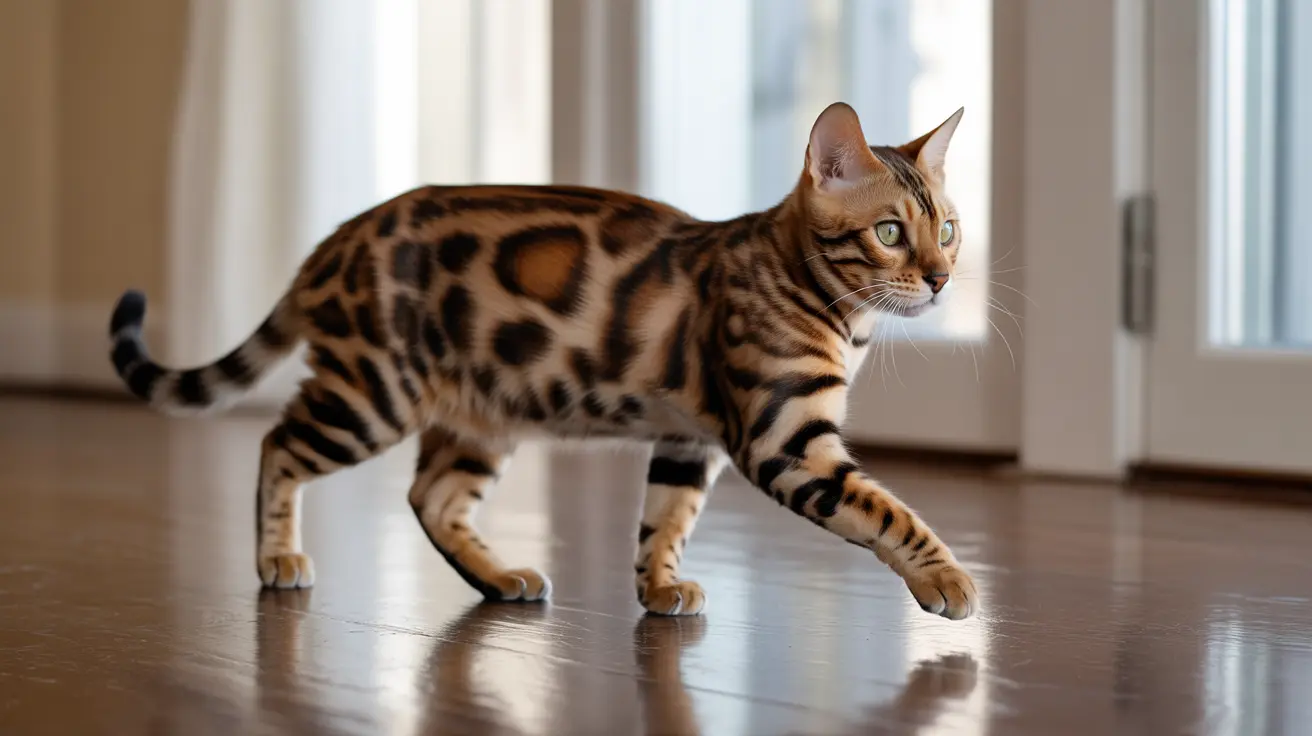
Unlike humans, cats walk on their toes, which is why their knee joints are positioned higher up the leg. This anatomical setup gives them a unique advantage in speed and stealth, allowing them to move quietly and quickly.
Have you ever tried to catch a cat in full sprint? This design is why it feels nearly impossible. The knee’s positioning and function are optimized for sudden bursts of speed and agility, something that might be enviable to anyone who has ever stumbled on a morning jog.
Next time you watch your cat gracefully leap onto a high perch, remember the intricate anatomy at work. It’s a reminder of how evolution has honed these creatures into the agile wonders they are today.
The Role Of Knees In Cat Movement
Knees play a crucial role in how cats move. These joints help cats bend their legs smoothly and support their weight. Without knees, cats would struggle with many activities, including running, jumping, and climbing. The knees also work with other joints to keep cats balanced and agile. Their design allows cats to be both strong and flexible, which is key to their hunting and playful behavior.
Flexibility And Agility
Cat knees bend easily, giving them great flexibility. This helps cats twist and turn quickly while chasing prey or playing. The joints absorb shock during fast movements, protecting their bones. Flexible knees allow cats to crouch low and sneak quietly. This agility helps cats escape danger or catch food efficiently.
Jumping And Climbing Mechanics
Knees provide power for jumping high and far. They act like springs that push the cat upward. Strong knee joints help cats land softly and safely. When climbing, knees bend to grip surfaces tightly. This control lets cats climb trees and fences with ease. The strength and movement of knees make these actions smooth and precise.
Identifying Cat Knees
Identifying cat knees might seem tricky at first, but once you know what to look for, it becomes clear. Cats have knees just like humans, but their structure and position can surprise you. Understanding where their knees are helps you better appreciate their incredible agility and movement.
Where To Find Cat Knees
You might expect a cat’s knees to be easy to spot, but they often hide under fur and muscle. Look at the hind legs, especially around the middle of the leg. The knee joint is located between the thigh and the lower leg, similar to humans.
One way to identify a cat’s knee is to gently observe your cat when it stretches or jumps. You’ll notice a bend in the leg that moves opposite to the elbow on the front legs. This bend is the knee joint. Try watching your cat climb stairs or leap onto furniture—those joints flex and extend with precision.
Common Misconceptions
Many people confuse a cat’s ankle for its knee because of the way cats walk on their toes. This is called digitigrade locomotion. So, the joint that looks like a backward knee on the hind leg is actually the ankle, not the knee.
Another misconception is that cats don’t have knees because their legs look so different from ours. But cats do have knees, and these joints play a vital role in their ability to jump high and move silently. Next time you watch your cat, ask yourself: how does this small joint carry such power?
Credit: www.petscare.com
Health Issues Related To Cat Knees
Cat knees are vital for their movement and agility. Problems with these joints can affect a cat’s daily life and well-being. Knee health issues may cause pain, swelling, or difficulty walking. Early detection helps manage these problems effectively. Understanding signs and preventive care supports a cat’s knee health.
Signs Of Knee Problems
- Limping or favoring one leg
- Difficulty jumping or climbing
- Swelling around the knee joint
- Visible pain when touched
- Reduced activity or hiding
- Stiffness after rest or sleep
Preventive Care Tips
- Maintain a healthy weight for your cat
- Provide regular gentle exercise
- Offer a balanced diet rich in nutrients
- Avoid high-impact activities or rough play
- Keep their living area safe and free of hazards
- Schedule regular veterinary check-ups
Caring For Your Cat’s Knees
Caring for your cat’s knees is essential for their overall mobility and happiness. Cats rely on strong, healthy joints to jump, run, and play. Taking simple steps to protect their knees helps prevent pain and joint problems later in life.
Regular attention to exercise and diet supports joint health. Understanding how to keep your cat’s knees strong promotes a better quality of life for your furry friend.
Proper Exercise
Exercise keeps your cat’s joints flexible and muscles strong. Encourage gentle play with toys like feather wands or balls. Avoid activities that cause sudden or hard impacts on their knees.
Short, frequent play sessions work best. They help maintain joint mobility without overstraining. Observe your cat for any signs of limping or discomfort during movement.
Nutrition For Joint Health
A balanced diet supports healthy joints and cartilage. Foods rich in omega-3 fatty acids reduce inflammation. Look for cat foods that include fish oil or supplements with glucosamine and chondroitin.
Maintain a healthy weight for your cat. Excess weight puts extra stress on knees and joints. Consult your vet about the best diet plan tailored to your cat’s needs.
Interesting Facts About Cat Joints
Cat joints have fascinating features that help these animals move with grace and power. Their joints support agility, speed, and flexibility. Understanding cat joints reveals how these pets perform amazing physical feats.
Unique Adaptations
Cats have flexible joints that allow wide ranges of motion. Their knees, elbows, and shoulders work smoothly to help them jump and twist. The knee joint bends easily, giving cats the ability to crouch and spring forward quickly.
Unlike humans, cats have extra ligaments in their joints. These ligaments add strength without limiting movement. Their bones are also lightweight but strong, making it easier to climb and balance.
How Knees Help Cats Survive
Cat knees act like shock absorbers during jumps and landings. This reduces injury risk while chasing prey or escaping danger. Strong knee joints help cats run fast and change direction in a flash.
Their knees also help with quiet walking. Cats can move softly to sneak up on prey. This silent step is key for hunting success and staying safe from predators.

Credit: almatcboykin.wordpress.com
Frequently Asked Questions
Do Cats Have Knees Like Humans?
Yes, cats have knees similar to humans. Their knees are part of their hind legs. These joints help cats jump, run, and climb efficiently.
How Do Cat Knees Help In Their Movement?
Cat knees provide flexibility and strength. They allow cats to leap high and land softly. This agility helps cats hunt and escape predators.
Can You See A Cat’s Knees Clearly?
Cat knees are not very visible. Fur often covers their knees, making them hard to spot. You can see them when a cat bends its leg.
Do Cats’ Knees Get Injured Often?
Cats can injure their knees, but it’s rare. Injuries usually happen from falls or accidents. If a cat limps, a vet check is advisable.
Conclusion
Cats do have knees, just like many other animals. These joints help them jump, run, and climb with ease. Their knees bend smoothly, giving cats great balance and flexibility. Understanding this helps us appreciate how cats move so gracefully. Next time you watch a cat, notice how their legs work.
It’s a simple fact, but it shows how nature designs animals to move well. Cats’ knees are small but very important parts of their body. They help cats stay active and playful every day.
