

Have you ever looked into your cat’s eyes and wondered, “Does my furry friend really have feelings?” You’re not alone. Many cat owners ask this question because understanding your cat’s emotions can deepen the bond you share.
Imagine knowing exactly when your cat feels happy, scared, or even lonely. It’s not just curiosity—it’s about connecting on a whole new level. Keep reading, and you’ll discover surprising truths about your cat’s emotions that might change the way you care for them forever.

Credit: medium.com
Emotions In Animals
Animals show many behaviors that suggest they feel emotions. These feelings help them survive and interact with others. Emotions guide animals in making decisions, avoiding danger, and forming bonds. Studying emotions in animals helps us understand their needs and care better.
Emotional Traits Across Species
Different animals have different emotional traits. Some show clear signs of joy, fear, or sadness. Mammals like dogs, cats, and primates express emotions visibly. Birds and some reptiles also display simple emotions.
- Dogs wag their tails when happy.
- Cats purr or hiss depending on mood.
- Elephants show grief when a herd member dies.
- Birds sing to attract mates or signal danger.
These behaviors suggest animals experience feelings similar to humans. Emotions help animals survive and build social groups.
Scientific Views On Animal Feelings
Scientists debate how animals feel emotions. Many agree animals have basic feelings like pleasure and pain. Studies show brain areas related to emotions in humans also exist in animals.
Research uses behavior and brain scans to study feelings. Some scientists caution not to assume animals feel exactly as humans do. But most agree animals have emotions important for their well-being.
Understanding animal feelings improves how we treat pets and wildlife. It also deepens our bond with the animals around us.
Credit: www.lemon8-app.com
Feline Behavior Signals
Cats communicate their feelings through various behavior signals. Understanding these signals helps in knowing what your cat feels. They use body language and sounds to express emotions. Paying attention to these clues can improve your bond with your pet.
Body Language Clues
Body language shows a cat’s mood clearly. Tail position is a key sign:
- Upright tail means happiness or confidence.
- Low or tucked tail shows fear or submission.
- Fluffed-up tail signals anger or fright.
Eyes also reveal feelings. Slow blinking means trust and affection. Wide eyes can indicate surprise or fear. Ears point where the cat focuses. Forward ears show interest. Flattened ears suggest anger or stress.
Posture matters too. A relaxed cat lies with paws tucked. A tense cat crouches low, ready to flee or defend. Watching these signs helps you understand your cat’s emotions.
Vocalizations And Their Meanings
Cats use sounds to communicate feelings. Each sound has a different meaning. Meowing is often a call for attention or food. Purring usually shows contentment but can mean pain too.
- Hissing warns of danger or discomfort.
- Chirping or trilling expresses excitement or curiosity.
- Growling signals anger or fear.
Listening to your cat’s vocalizations helps interpret its mood. Combining sounds with body language gives a clearer picture. Understanding these signals strengthens your connection with your feline friend.
Research On Cat Emotions
Understanding if cats have feelings has fascinated scientists and cat lovers alike. Research on cat emotions uses different approaches to uncover how cats experience and express feelings. These studies help you see your feline friend in a whole new light.
Studies On Cat Brain Activity
Scientists use brain scans to observe how cats react to various stimuli. When cats experience something positive, like hearing their owner’s voice, certain areas of their brain light up. This shows they can process emotions similarly to humans.
One study measured brain activity in cats exposed to different sounds and images. The results revealed patterns linked to pleasure and distress. This means your cat’s brain works hard to interpret emotional signals.
Have you noticed how your cat’s eyes widen or ears twitch during specific moments? These subtle changes are backed by brain research, confirming that cats respond emotionally to their environment.
Behavioral Experiments With Cats
Researchers observe how cats behave in controlled settings to understand their feelings better. For example, cats who are separated from their owners often show signs of stress, such as vocalizing or pacing. This suggests they form emotional bonds.
In another experiment, cats were given choices between a comforting human and food. Many preferred the human, pointing to social attachment rather than just hunger. This challenges the idea that cats are purely independent creatures.
Think about your own cat’s reactions when you return home. Does your cat greet you enthusiastically or act indifferent? Behavioral studies show these responses reveal genuine emotions, not just conditioned habits.
Common Cat Emotions
Cats experience a variety of emotions that influence their behavior. Understanding these feelings helps deepen the bond with your feline friend. Cats show emotions through their body language, sounds, and actions.
Joy And Contentment
Cats express happiness by purring softly and kneading with their paws. They may close their eyes or gently blink at you. A relaxed tail and calm posture also show contentment. These signs tell you your cat feels safe and loved.
Fear And Anxiety
When scared, cats may hide or freeze in place. Their ears flatten back, and their pupils widen. A trembling body or hissing sound signals anxiety. Recognizing these signs helps prevent stress and keeps cats comfortable.
Affection And Attachment
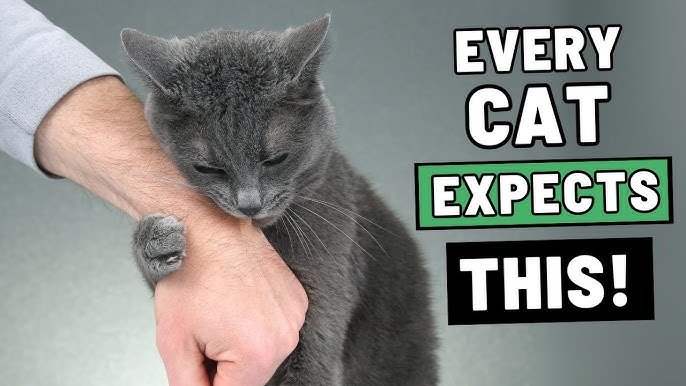
Cats show love by rubbing their heads against you or following you around. Slow blinking is a way they say “I trust you.” Some cats may gently bite or lick to show affection. These behaviors create strong bonds with their owners.
How Cats Show Feelings
Cats express their feelings in many ways. Understanding these signs helps build a stronger bond. They use body language and sounds to show what they feel inside.
Purring And Kneading
Purring is a common sign of a cat’s contentment. Cats often purr when they feel safe and happy. Sometimes, purring can also mean they are nervous or in pain.
Kneading is when cats push their paws against soft surfaces. It shows comfort and trust. Cats often knead their owners to show love and calmness.
Tail And Ear Movements
A cat’s tail tells a lot about its mood. A straight-up tail means the cat is happy and confident. A twitching or flicking tail signals irritation or excitement.
Ear positions also reveal feelings. Forward ears show curiosity or interest. Ears flattened back mean fear or anger. Watching tail and ear movements helps read a cat’s emotions clearly.
Impact Of Emotions On Cat Health
Your cat’s emotions play a bigger role in their health than you might realize. Just like humans, feelings like stress and happiness can impact their physical well-being. Understanding how emotions affect your feline friend helps you keep them healthier and happier.
Stress And Illness
Stress in cats can trigger real health problems. It might cause digestive issues, urinary tract infections, or even skin conditions. Have you noticed your cat grooming excessively or hiding more than usual? These can be signs of stress affecting their body.
Stress weakens your cat’s immune system, making them more vulnerable to illness. Changes in routine, loud noises, or new pets can all cause stress. Paying attention to these triggers helps you prevent health problems before they start.
Emotional Well-being Tips
Keeping your cat emotionally balanced can improve their overall health. You can:
- Create a calm, safe space where your cat can relax without interruptions.
- Stick to a regular feeding and play schedule to provide a sense of security.
- Use interactive toys to keep their mind active and reduce boredom.
- Spend quiet time petting or talking to your cat to strengthen your bond.
Have you tried observing your cat’s behavior to notice what makes them happy or anxious? Small changes in their environment or daily routine might make a big difference in their well-being. What new habit could you add today to support your cat’s emotional health?
Strengthening Cat-human Bonds
Building a strong bond with your cat goes beyond feeding and playing. It involves understanding their emotions and responding with care. A solid cat-human relationship creates trust and happiness for both. Cats feel comfort and security when their emotional needs are met. Paying close attention to their feelings helps deepen your connection.
Recognizing Emotional Needs
Cats show their feelings in many ways. They may purr when content or hide when scared. Notice changes in their behavior and body language. Signs like tail flicks, ear position, and eye contact matter. Respect their space and mood to avoid stress. Each cat is unique and expresses emotions differently. Meeting their emotional needs builds trust over time.
Effective Communication Techniques
Clear communication helps cats feel safe and loved. Use soft voices and slow movements to avoid startling them. Gentle petting in favorite spots strengthens bonds. Mimic their slow blinking to show affection. Play regularly with toys to engage their mind and body. Observe their responses and adjust your actions. Patience and consistency make communication smoother and stronger.

Credit: www.uk.sheba.com
Frequently Asked Questions
Do Cats Show Emotions Like Humans?
Yes, cats display emotions such as happiness, fear, and affection through body language and vocalizations. They express feelings in subtle ways.
How Can You Tell If A Cat Is Happy?
A happy cat purrs, kneads, and has relaxed body posture. They often show affection by rubbing against people or objects.
Can Cats Feel Stress And Anxiety?
Cats can experience stress and anxiety due to changes in environment or routine. Signs include hiding, excessive grooming, or aggression.
Do Cats Form Emotional Bonds With Owners?
Cats form strong emotional bonds with their owners. They show trust and attachment through behaviors like following and purring.
Conclusion
Cats show emotions just like people do. They feel happy, scared, or sad. Their body language tells us how they feel. Paying attention helps build a stronger bond. Understanding cat feelings makes caring easier and more fun. Every cat is unique, so watch closely.
Love and patience bring out their true nature. Remember, cats are more than pets—they have feelings too.
