


Have you ever looked closely at your cat’s eyes and wondered, “Do cats have eyelashes?” You’re not alone. Those tiny details can tell you a lot about your furry friend’s health and behavior.
Understanding if cats have eyelashes might surprise you—and it could change the way you see your pet forever. Keep reading, because what you discover next will make you appreciate your cat’s unique beauty even more.

Credit: catcuddlezone.com
Cats’ Eye Anatomy
Understanding your cat’s eye anatomy can change how you see your furry friend’s world. Their eyes are not just windows to their soul but intricate organs designed for sharp vision and protection. Have you ever wondered why cats can see so well in the dark or how their eyes stay safe during rough play?
Structure Of Cat Eyes
Cat eyes have a unique structure that sets them apart from humans and many other animals. They possess a larger cornea and lens relative to their eye size, which helps to gather more light. This design boosts their ability to see clearly in low-light conditions, making them excellent night hunters.
Another interesting feature is the vertical slit-shaped pupils. These pupils can open wide to let in maximum light or narrow down to a thin line to protect the retina from bright sunlight. This adaptability gives cats a versatile vision range that adjusts quickly.
Protection Mechanisms
Have you noticed your cat blinking slowly or tearing up occasionally? Those are just a few ways their eyes protect themselves. Cats have a third eyelid called the nictitating membrane, which sweeps across the eye to remove debris and keep it moist.
Besides this, their eyelashes, although less prominent than humans’, play a subtle role in sensing nearby objects and protecting the eye from dust. Cats also rely on their whiskers around the eyes as an extra line of defense to detect close threats before they touch the eye.
Presence Of Eyelashes In Cats
Cats have many unique features that protect their eyes. One such feature is their eyelashes. These eyelashes play a role in shielding their eyes from dust and debris. They also help cats sense objects close to their face.
Understanding the presence and nature of cat eyelashes helps pet owners appreciate their feline friends more. Let’s explore whether cats have eyelashes and how these differ from human lashes.
Do Cats Have Eyelashes?
Yes, cats do have eyelashes. These tiny hairs grow along the edges of their eyelids. Cat eyelashes are not as long or thick as human eyelashes. They serve to protect the eyes from dirt and small particles.
Cat eyelashes also help cats detect objects near their eyes. They can trigger a blink reflex if something touches these hairs. This helps prevent eye injuries.
Differences From Human Eyelashes
Cat eyelashes differ from human ones in several ways:
- Length:Cat lashes are shorter than human lashes.
- Density:Humans have denser and fuller eyelashes.
- Function:Cats’ lashes focus more on sensing close objects.
- Growth pattern:Cat lashes may grow in uneven patterns.
These differences reflect the different needs of cats and humans. Cats rely more on touch and quick reflexes to protect their eyes.
Functions Of Cat Eyelashes
Cat eyelashes serve more than just an aesthetic purpose. They play a crucial role in protecting your feline friend and enhancing their sensory perception. Understanding these functions can help you appreciate how finely tuned cats are to their environment.
Shielding From Debris
Cat eyelashes act as a natural barrier against dust, dirt, and small particles. They catch debris before it reaches the eyes, preventing irritation and potential infections. Have you ever noticed your cat blinking rapidly when near dusty areas? That’s their eyelashes doing their job.
Additionally, these tiny hairs help shield the eyes from wind and other environmental elements. This protection is especially important for outdoor cats or those who enjoy sitting by an open window. Their eyelashes reduce the chances of foreign objects causing harm.
Sensitivity To Touch
Cat eyelashes are highly sensitive, alerting your pet to nearby objects before they come into direct contact with the eye. This sensitivity triggers a blink reflex, which helps avoid injury. It’s like having an early warning system built right into their face.
Think about how your cat sometimes pulls back or closes its eyes when something gently brushes near their face. Those delicate hairs detect the touch first, giving your cat time to react. This feature not only protects but also enhances their awareness of the space around them.

Credit: www.petscare.com
Other Feline Eye Features
Cats have many special features around their eyes. These features help protect their eyes and improve their vision. Understanding these parts gives a better look into how cats see the world. Their eyes are not just beautiful but very functional too.
Third Eyelid Role
The third eyelid, also called the nictitating membrane, is a thin layer inside the eye corner. It helps keep the eye moist and clean. This eyelid protects the eye from dust and injury. When cats sleep or feel sick, the third eyelid may cover more of the eye. It acts like a shield and keeps the eye safe.
Unique Eye Colors
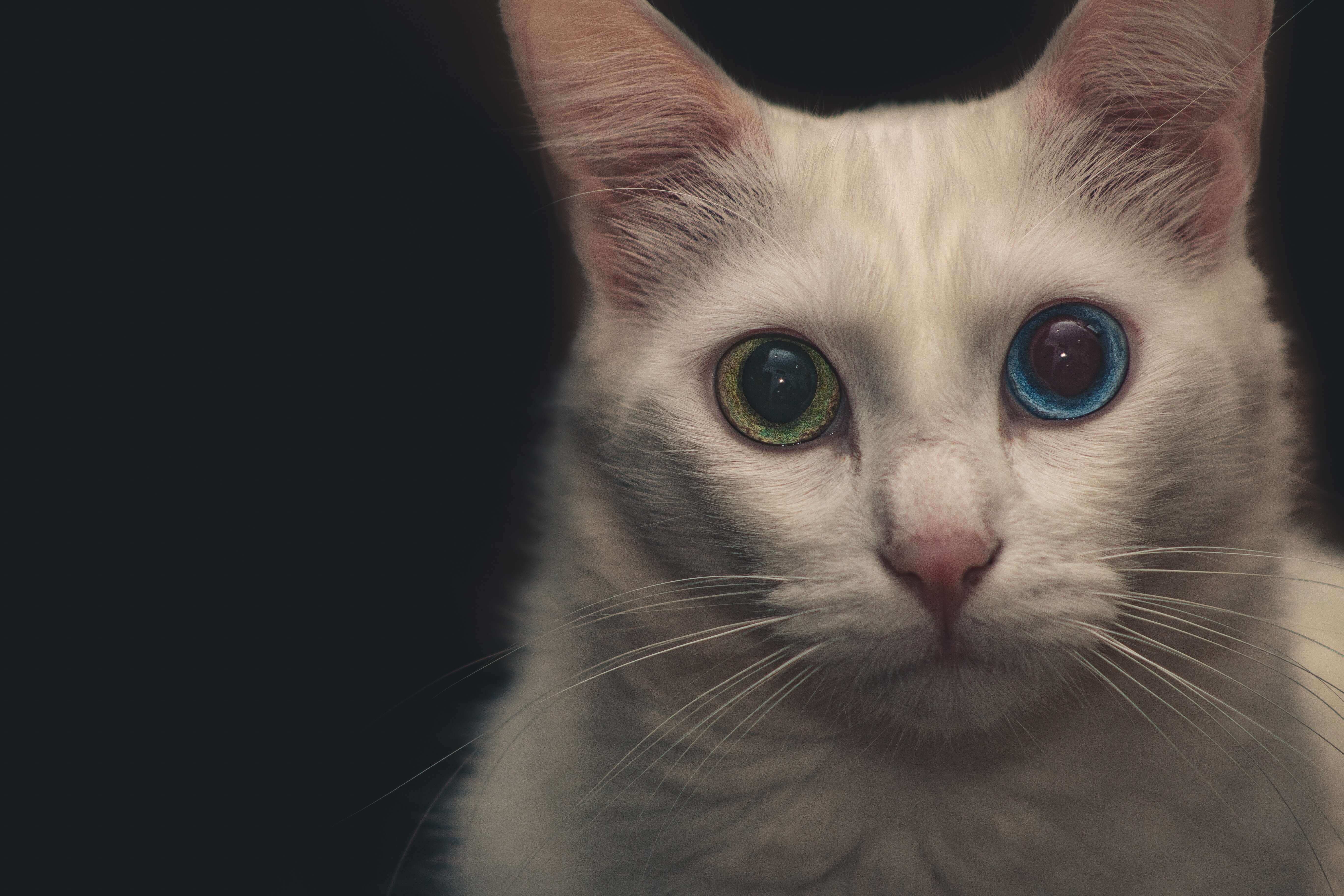
Cats have a wide range of eye colors. These colors can be green, blue, yellow, or amber. Some cats even have two different colored eyes. This happens due to genetics and breed differences. The unique colors add to their charm and help with light absorption. Eye color can also change slightly as cats grow older.
Common Eye Issues In Cats
Keeping an eye on your cat’s health includes understanding common eye issues they face. Cats don’t always show discomfort clearly, so spotting problems early can save your furry friend from pain. Knowing what symptoms to watch for helps you act quickly and protect your cat’s vision.
Irritations And Infections
Eye irritations in cats often start small, like redness or slight watering. Dust, pollen, or even a stray hair can cause these mild irritations. If you notice your cat blinking more than usual or pawing at their eyes, it might signal discomfort.
Infections are a step beyond irritation and can be caused by bacteria or viruses. Common signs include swelling, discharge (clear, yellow, or green), and squinting. Your cat might also keep their eyes closed or seem unusually sensitive to light.
One time, my cat developed a persistent eye discharge that I initially ignored, thinking it would clear up. It didn’t, and a vet visit revealed a bacterial infection requiring antibiotics. This experience taught me not to delay action when eye symptoms appear.
When To See A Vet
Deciding when to see a vet is crucial. If your cat’s eye looks cloudy, has constant discharge, or if they scratch their eyes aggressively, it’s time for professional care. Sudden changes in behavior, like hiding or lethargy, alongside eye problems, also warrant a visit.
Ignoring early signs can lead to worsening conditions or even vision loss. A vet can diagnose the exact cause and provide effective treatment. Don’t wait for symptoms to escalate; prompt attention often results in quicker recovery.
Have you ever noticed your cat’s eye acting unusual but hesitated to seek help? Trust your instincts and consult a vet if something feels off. Your cat’s eyes are delicate—guard them well.
Caring For Your Cat’s Eyes
Caring for your cat’s eyes is important for their health and happiness. Healthy eyes help cats see clearly and avoid pain. Regular care can prevent infections and other eye problems. Cats do not have eyelashes like humans, but they have fine hairs around their eyes that protect them. Keeping their eyes clean and safe is part of good pet care.
Cleaning Tips
- Use a soft, damp cloth to wipe around the eyes gently.
- Choose warm water or a vet-approved eye cleanser.
- Wipe from the inner corner to the outer corner to remove dirt.
- Avoid using cotton swabs or harsh materials near the eye.
- Clean any discharge daily, especially if your cat has eye issues.
- Wash your hands before and after cleaning your cat’s eyes.
Preventive Measures
- Keep your cat’s environment clean and dust-free.
- Check your cat’s eyes regularly for redness or swelling.
- Keep your cat away from smoke and strong chemicals.
- Trim fur around the eyes to prevent irritation.
- Take your cat to the vet for regular eye exams.
- Watch for signs of eye problems like squinting or tearing.
Credit: raleighncvet.com
Frequently Asked Questions
Do Cats Have Eyelashes Like Humans?
Cats do have eyelashes, but they are shorter and less noticeable than human eyelashes. Their eyelashes help protect their eyes from dust and debris.
What Purpose Do Cat Eyelashes Serve?
Cat eyelashes protect their eyes by catching dust, dirt, and small particles. They also help reduce eye irritation and injury.
Can You See A Cat’s Eyelashes Clearly?
Cat eyelashes are hard to see because they are very fine and short. They blend with the fur around the eyes.
How Do Cat Eyelashes Differ From Human Eyelashes?
Cat eyelashes are fewer, shorter, and less curved. Human eyelashes are longer and more prominent to shield the eyes.
Conclusion
Cats do have eyelashes, but they are small and not very noticeable. These tiny hairs help protect their eyes from dust and debris. Unlike human eyelashes, cat lashes blend in with their fur. Understanding this can help you better care for your pet’s eyes.
Next time you see your cat, look closely—you might spot these little lashes. They play a quiet but important role in keeping cats safe and comfortable every day. Knowing simple facts like this makes pet care more interesting and fun.
