

Have you ever looked closely at your cat’s face and wondered, “Do cats have eyebrows?” It’s a question that might seem simple but can reveal surprising facts about how cats communicate and express themselves. If you want to understand your feline friend better and decode those mysterious facial expressions, keep reading.
This article will uncover the truth about cat eyebrows and show you how these tiny features play a big role in your cat’s behavior. Ready to see your cat in a whole new light? Let’s dive in.

Credit: paradepets.com
Cat Facial Features
Cats have a unique set of facial features that make them fascinating to observe. Their faces communicate emotions and intentions more than you might realize. Understanding these features helps you connect better with your feline friend and notice subtle changes in their mood or health.
Whiskers And Their Functions
Whiskers are not just cute additions to a cat’s face; they serve critical purposes. These thick, sensitive hairs detect changes in the environment, helping cats navigate tight spaces and sense nearby objects without touching them.
Have you noticed how your cat’s whiskers move when they’re curious or alert? That’s because whiskers provide spatial awareness and help cats judge distances while hunting or playing. They also indicate your cat’s mood—forward-pointing whiskers often mean interest, while pulled-back whiskers can signal fear or aggression.
Unique Markings And Patterns
Every cat’s face tells its own story through unique markings and fur patterns. From stripes to spots, these patterns are like fingerprints—no two cats have the exact same design. These distinctive markings can influence how expressive your cat’s face looks.
Consider how a dark patch above a cat’s eyes might resemble eyebrows, giving them a more expressive appearance. Do you ever find yourself reading your cat’s face as if it were a book? Paying attention to these patterns can deepen your understanding of their personality and even help you identify them quickly.

Credit: www.reddit.com
Eyebrows In The Animal Kingdom
Eyebrows are a curious feature in the animal kingdom, serving roles far beyond what you might expect. While humans use eyebrows to express emotions clearly, many animals rely on them for different practical reasons. Have you ever wondered if animals like cats actually have eyebrows and what purpose they might serve?
Purpose Of Eyebrows In Animals
Eyebrows in animals often help protect their eyes. They keep sweat, rain, and debris from getting into the eyes, which is crucial for survival. Beyond protection, eyebrows can also play a role in communication, signaling mood or intentions to others.
For some animals, eyebrows help in camouflage or making their faces look more intimidating. This can be a key factor in avoiding predators or winning fights. Do you notice how some animals have distinct markings above their eyes? Those can mimic eyebrows and serve similar functions.
Comparing Cats To Other Species
Cats don’t have eyebrows like humans do, but they do have specialized hairs above their eyes. These hairs aren’t as thick or prominent as human eyebrows but still offer some protection and sensory input. You might notice how cats twitch these hairs when they’re alert or curious.
Other animals, like primates, have more defined eyebrows that they use to communicate emotions and social cues. Dogs and horses also have eyebrow-like features that help express feelings and intentions. Cats rely more on their whiskers and body language rather than eyebrows to communicate.
Next time you watch your cat closely, observe how those tiny hairs above their eyes move. It’s a subtle but effective tool that helps them interact with the world. How often do you pay attention to those small details on your pet?
Do Cats Have Eyebrows?
Have you ever looked closely at your cat’s face and wondered, “Do cats have eyebrows?” At first glance, it seems like they might. Those tiny lines of fur just above their eyes appear like miniature eyebrows, but do they serve the same purpose as human eyebrows?
Common Misconceptions
Many people assume that cats have eyebrows because of the fur patterns above their eyes. These patches often look like expressive brows, leading to the belief that cats use them to show emotions just like humans do. However, unlike human eyebrows, these fur markings don’t move independently or help with facial expressions.
Another misconception is that cat “eyebrows” protect their eyes from sweat or rain. While human eyebrows channel moisture away from the eyes, cats don’t sweat like we do, so this function isn’t necessary for them. Instead, what you see is simply a natural fur pattern, not a functional eyebrow.
Understanding Feline Facial Anatomy
Cats have specialized facial whiskers called vibrissae, which are far more important than any eyebrow-like fur. These whiskers are rooted deeply and connect to the nervous system, helping cats sense their environment and navigate tight spaces.
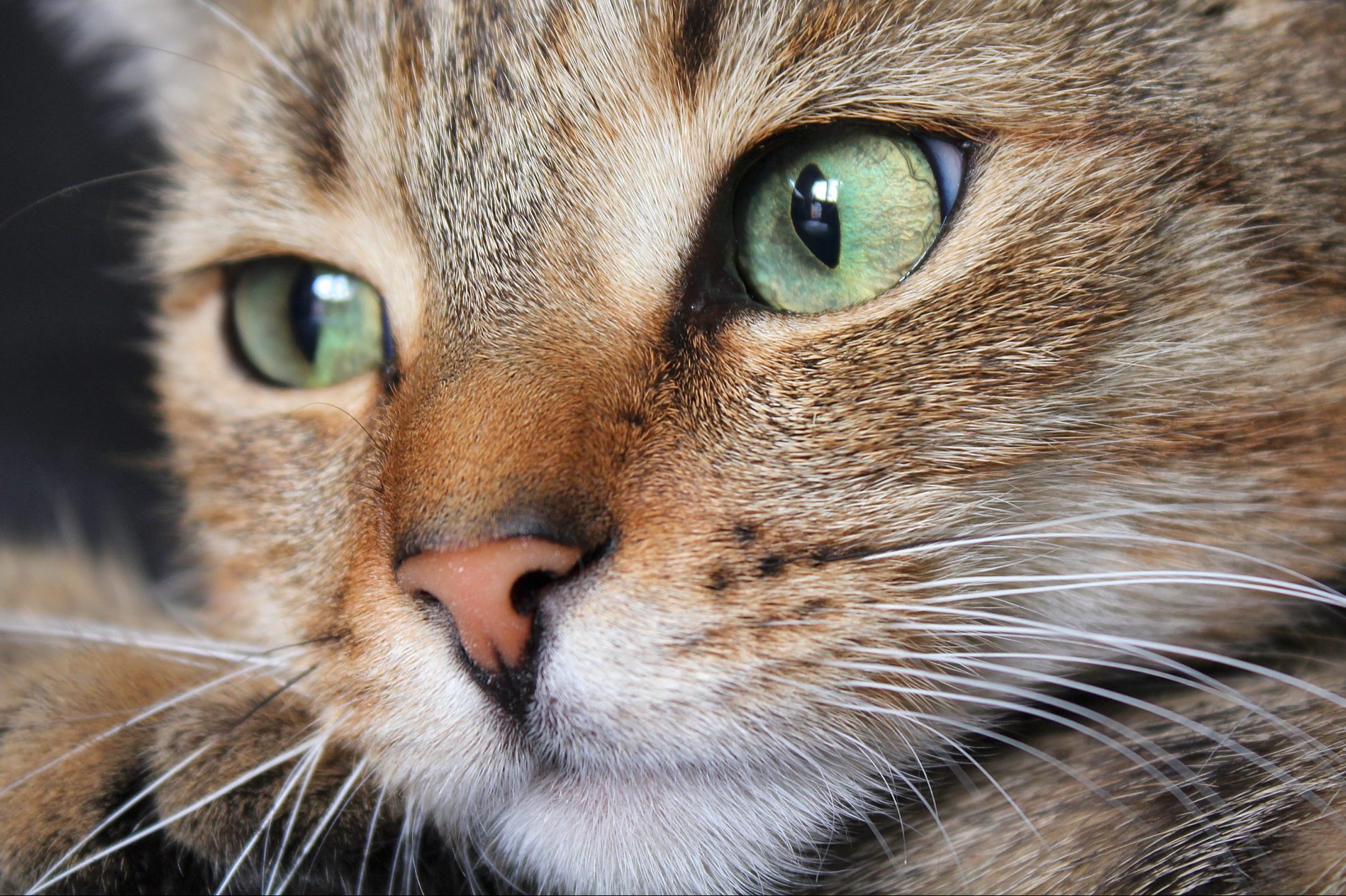
Above the eyes, cats have a row of shorter, stiff whiskers known as supraorbital whiskers. These might look like eyebrows, but they serve as sensitive touch receptors rather than cosmetic features. They alert your cat to nearby objects, preventing injuries to the eyes.
So, while cats don’t have eyebrows like humans, their facial anatomy is perfectly designed for their needs. Have you noticed how your cat uses its whiskers to explore? Next time you observe your feline friend, watch how those “eyebrows” actually help them sense the world around them.
Credit: www.rd.com
Role Of Cat’s Facial Markings
Cat’s facial markings play a bigger role than just adding charm to their appearance. These markings, including what might look like eyebrows, serve important functions in how cats interact with their world. Understanding these roles can help you read your cat’s moods and behaviors better.
Communication And Expression
Facial markings act as visual signals that help cats communicate with each other and with you. The dark patches above their eyes often look like eyebrows, helping to highlight their expressions. These markings make subtle changes in their face more noticeable, allowing you to gauge if your cat is curious, relaxed, or annoyed.
Have you noticed how your cat’s eyes seem more expressive during play or when they’re focused? That’s partly because the contrast created by these markings draws attention to their eyes. This helps other cats—and you—understand their mood without any noise.
Camouflage And Survival
Facial markings also serve a practical purpose in the wild. They help break up the outline of a cat’s face, making it harder for predators or prey to spot them. This camouflage is especially important for wild cats, but even your indoor cat carries these ancient survival traits.
Think about your cat sitting quietly in a sunlit corner. Those markings blend their features with shadows and light, making them less noticeable. This natural disguise can be a key reason cats often surprise us with their sudden appearances or disappearances.
Interesting Cat Markings
Cats often surprise us with their markings, which can look like natural artwork painted on their fur. These interesting patterns sometimes make you wonder if cats really have eyebrows or if their faces just naturally express emotions through their unique markings. Understanding these patterns can deepen your appreciation of your furry friend and even help you spot certain breeds or personalities.
Unique Cats With Distinctive Patterns
Some cats have markings that stand out so clearly, they almost seem intentional. Take the “M” shape on the forehead of many tabby cats, which looks like a natural eyebrow ridge. This pattern isn’t just pretty—it’s a genetic signature shared by many cats worldwide.
Other cats sport striking patches or spots that make their faces look like they have expressions, almost like they’re raising an eyebrow at you. Have you ever noticed a cat with white fur above its eyes, resembling little eyebrows? These markings can enhance how expressive your cat appears, making their reactions easier to read.
Stories Behind Famous Feline Markings
Some cats become famous because of their unique markings. Grumpy Cat, for example, became an internet sensation due to her permanent frown-like facial expression, created by her fur patterns and facial structure. This shows how markings can shape how we interpret a cat’s mood, even when they’re just being themselves.
Another story comes from a cat named Maru, known for his box-loving antics and distinctive tabby stripes that give his face a very animated look. These patterns make Maru appear curious or surprised, adding to his charm and helping him connect with fans worldwide.
Have you ever noticed how your cat’s markings influence your bond? Sometimes, these patterns make you feel like your cat is communicating with you in ways beyond meows and purrs.
Caring For Your Cat’s Facial Features
Caring for your cat’s facial features goes beyond just keeping them clean. These features, including their whiskers and fur around the eyes and nose, play a crucial role in how your cat senses the world and expresses emotions. Paying close attention to these details helps you spot health issues early and keeps your furry friend comfortable and happy.
Grooming Tips For Whiskers And Fur
Whiskers are not just decoration; they are sensory tools that help cats navigate tight spaces and detect changes in their environment. Avoid trimming them, as this can confuse your cat and affect their balance.
Regularly brushing the fur around your cat’s face removes dirt and loose hair. Use a soft brush to avoid irritating sensitive skin.
- Gently wipe around the eyes with a damp cloth to prevent tear stains.
- Check for any mats or tangles near the ears and chin.
- Keep the fur dry and clean to prevent infections.
Understanding Health Indicators
Your cat’s facial features can reveal a lot about their health. Swollen or red areas, especially around the eyes, nose, or whisker pads, can indicate allergies or infections.
Watch for changes in whisker position or symmetry; this might hint at nerve damage or discomfort. If your cat’s nose is excessively dry or cracked, it might be a sign of dehydration or illness.
Have you noticed your cat rubbing their face more than usual? This behavior could signal irritation or pain that needs veterinary attention.
Fun Facts About Cat Faces
Cat faces are full of surprises. Each cat’s face tells a story through its colors, shapes, and features. People often wonder about cat eyebrows. Cats don’t have true eyebrows like humans. Instead, they have special fur patterns above their eyes. These patterns help express moods and add charm to their faces.
Many cats show unique facial traits. These traits come from their breed and genetics. Cat faces can be playful, serious, or mysterious. Their whiskers, eye shapes, and markings create endless variety. Below are some fun facts about cat faces, focusing on unusual breeds and cultural meanings.
Unusual Cat Breeds And Their Features
Some cat breeds have very distinct faces. Their unique looks make them stand out.
- Sphynx:Hairless with wrinkled skin and large ears.
- Scottish Fold:Ears fold forward, giving a sweet, rounded face.
- Munchkin:Short legs but normal-sized face with bright eyes.
- Selkirk Rex:Curly fur that covers the face in soft waves.
- Japanese Bobtail:Short tail and triangular face with high cheekbones.
These breeds show how diverse cat faces can be. Each has special traits that make them charming and unique.
Cultural Significance Of Cat Markings
Cat markings often carry cultural meanings. In some cultures, they symbolize luck or protection.
- In Japan, cats with white and black spots are seen as lucky.
- Egyptians believed cats with spotted faces had magical powers.
- Some Native American tribes see cats with stripes as guardians.
- In Europe, cats with “M” shaped markings on the forehead are linked to folklore.
Markings are more than beauty marks. They connect cats to stories and beliefs worldwide.
Frequently Asked Questions
Do Cats Really Have Eyebrows Like Humans?
Cats do not have eyebrows like humans. Instead, they have small, short hairs above their eyes. These hairs help protect their eyes from dust and debris. They also aid in expressing emotions and sensing their environment.
What Purpose Do Cat Eyebrow Hairs Serve?
Cat eyebrow hairs protect the eyes from dirt and debris. They also act as sensory tools. These hairs detect nearby objects, helping cats navigate tight spaces. Additionally, eyebrow hairs contribute to feline facial expressions.
Can Cats Move Their Eyebrow Hairs?
Cats cannot move their eyebrow hairs independently. These hairs are fixed and do not have muscles for movement. However, cats can express emotions through other facial muscles around their eyes.
How Do Cat Eyebrow Hairs Affect Their Facial Expressions?
Cat eyebrow hairs enhance facial expressions by highlighting emotions. They work with other facial muscles to show curiosity, anger, or relaxation. These subtle cues help cats communicate with humans and other animals.
Conclusion
Cats don’t have eyebrows like humans do. They have small fur patterns above their eyes. These help show their mood and feelings. Watching these tiny features can tell you a lot. Cats use their whole face to communicate. Understanding this helps you connect better with your pet.
So, next time you see your cat, notice those little fur marks. They are part of what makes cats unique and special.
