

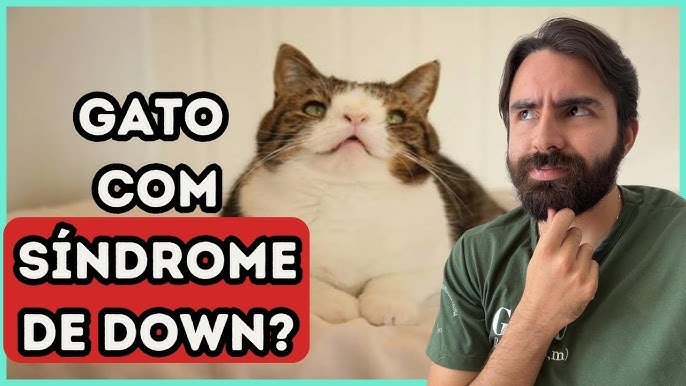
Have you ever wondered if cats can have Down syndrome like humans do? If you’ve noticed a cat with unusual features or behavior, you might be curious about what’s really going on.
Understanding this can help you care better for your furry friend or satisfy your curiosity about how genetics affect animals. Keep reading to discover the surprising truth about cats and Down syndrome—and what you should know if you think your cat might be different.
Credit: www.petscare.com
Cats And Genetic Disorders
Cats do not have Down syndrome because it is a human genetic condition. Some cats may show similar physical traits or health issues, but their causes are different. Genetic disorders in cats vary and do not include Down syndrome.
Cats and Genetic Disorders Cats, like humans, can have genetic disorders. These disorders occur due to mutations in their genes. Some genetic conditions are more common in certain cat breeds. Understanding these conditions helps cat owners provide better care.Common Genetic Conditions In Cats
Different breeds have unique genetic issues. Persian cats often have polycystic kidney disease. This causes cysts to form in their kidneys. Maine Coons are prone to hypertrophic cardiomyopathy. This is a heart condition that thickens the heart walls. Siamese cats may have progressive retinal atrophy. This leads to vision loss over time. Knowing these conditions helps in early detection and treatment.How Genetic Disorders Affect Cats
Genetic disorders impact cats’ health and quality of life. Some conditions cause physical symptoms like limping or difficulty breathing. Others may affect their behavior, making them more anxious or aggressive. Cats with genetic disorders may need special diets or medications. Regular vet visits are crucial for monitoring their health. Early intervention can improve their lifespan and comfort.What Is Down Syndrome?
Understanding what Down Syndrome really is can help clear up many common questions, especially when it comes to animals like cats. It’s a genetic condition that affects development, but it doesn’t occur the same way across different species. Let’s take a closer look at what Down Syndrome means in humans and why it can’t happen in cats.
Down Syndrome In Humans
Down Syndrome happens when a person has an extra copy of chromosome 21. This extra chromosome changes how the brain and body develop. People with Down Syndrome may have distinct facial features, learning challenges, and sometimes health issues.
It’s important to know that Down Syndrome is a human-specific genetic condition. The extra chromosome leads to physical and cognitive differences that are well-studied and documented. These traits don’t just affect appearance; they impact how individuals learn and interact with the world.
Why Down Syndrome Can’t Occur In Cats
Cats have a very different set of chromosomes compared to humans. They do not have chromosome 21, which is the key to Down Syndrome in people. Because of this, the exact condition called Down Syndrome does not happen in cats.
That said, cats can have genetic disorders or developmental issues, but these are not the same as human Down Syndrome. If you notice a cat with unusual physical traits or behavior, it’s usually due to other health problems or genetic differences, not Down Syndrome.
Have you ever wondered why some conditions are unique to humans and others aren’t? This difference in chromosomes is a big part of the answer.
Physical Traits That Cause Confusion
Cats sometimes show physical traits that confuse people. These traits can look like signs of Down syndrome in humans. This causes many to wonder if cats can have this condition. Understanding these traits helps clear up the confusion.
Facial Features Often Mistaken
Cats with flat faces or wide-set eyes can seem unusual. Some breeds naturally have these traits. For example, Persians and Exotic Shorthairs often have round faces and big eyes.
Other features include:
- Short noses that look flattened
- Rounded heads with broad cheeks
- Small ears set wide apart
These features are normal for some cats. They do not mean the cat has Down syndrome.
Behavioral Signs And Misinterpretations
Some cats act differently or have unique behaviors. They may move slowly or seem clumsy at times. These actions can be mistaken for developmental issues.
Common misunderstood behaviors include:
- Slow response to commands
- Unusual sleeping patterns
- Difficulty jumping or climbing
Such behaviors often relate to breed traits, age, or health problems. They do not indicate Down syndrome in cats.

Credit: www.youtube.com
Conditions That Mimic Down Syndrome In Cats
It’s natural to wonder if certain physical or behavioral traits in cats could be signs of Down syndrome. However, cats do not get Down syndrome like humans do. Instead, some conditions can cause symptoms that might seem similar to Down syndrome, such as unique facial features or coordination issues. Understanding these conditions can help you better care for your cat and recognize when veterinary advice is needed.
Feline Cerebellar Hypoplasia
Feline Cerebellar Hypoplasia (FCH) is a common condition that often confuses cat owners. It affects the cerebellum, the part of the brain responsible for balance and coordination. Cats with FCH may appear clumsy, wobble while walking, or have trouble jumping.
You might notice your cat’s head trembling or their movements seeming awkward. These signs can resemble developmental delays seen in other disorders. Yet, FCH is not progressive and does not affect a cat’s intelligence or lifespan.
If your cat shows these symptoms, your vet can diagnose FCH through observation and medical history. While there’s no cure, many cats with FCH lead happy lives with some environmental adjustments. Have you noticed your cat struggling with balance or coordination?
Other Genetic And Neurological Disorders
Other genetic or neurological disorders can cause traits that mimic Down syndrome in cats. For example, certain birth defects may cause unusual facial shapes or behaviors. Conditions like hydrocephalus (fluid buildup in the brain) or genetic mutations can affect a cat’s physical and mental development.
Symptoms can include unusual head shapes, difficulty learning commands, or poor muscle control. These signs might worry you, but proper veterinary diagnosis can clarify the cause. Early intervention and specialized care can improve your cat’s quality of life.
Remember, no single symptom confirms a serious condition. Observing your cat’s behavior closely and sharing details with your vet is the best way to support your pet’s health. What unusual behaviors have you observed in your cat that made you concerned?
How To Support Cats With Special Needs
Supporting cats with special needs requires patience, understanding, and a tailored approach to their unique challenges. These cats may have genetic conditions that affect their behavior, mobility, or health. Your role is crucial in creating a safe and nurturing environment that helps them thrive despite their limitations.
Care Tips For Cats With Genetic Conditions
Start by observing your cat closely to identify any signs of discomfort or difficulty. Simple adjustments like providing soft bedding and easy access to food and water can make a big difference.
- Keep their living space quiet and stress-free to reduce anxiety.
- Offer interactive toys that suit their abilities to keep them mentally engaged.
- Maintain a consistent routine to help them feel secure.
Have you noticed how small changes in your cat’s environment can lead to noticeable improvements in their mood and activity? This attention to detail often goes unnoticed but has a powerful impact.
Veterinary Help And Management
Regular vet visits are essential for cats with special needs. Your vet can monitor their condition and recommend treatments or therapies that improve their quality of life.
Ask your vet about nutritional plans tailored to your cat’s health status. Some conditions require specific diets or supplements to support their wellbeing.
- Schedule check-ups more frequently to catch any new issues early.
- Discuss pain management options if your cat shows signs of discomfort.
- Consider physical therapy or gentle exercises recommended by your vet to maintain mobility.
Remember, your proactive approach and collaboration with your vet can transform your cat’s experience. What simple change can you make today to better support your special needs cat?

Credit: www.reddit.com
Debunking Popular Myths
Many people wonder if cats can have Down Syndrome, but this topic is often clouded by myths and misunderstandings. Let’s clear up the confusion by looking at what’s true and what’s not. Understanding these myths helps you better care for your feline friends and recognize their unique traits without jumping to incorrect conclusions.
Common Misconceptions About Cats And Down Syndrome
A popular myth is that cats can have Down Syndrome just like humans. This idea likely comes from seeing cats with facial features or behaviors that seem unusual or “different.” However, cats do not have the same genetic makeup as humans, so they cannot have Down Syndrome.
Another misconception is that any cat with a genetic disorder will show signs similar to Down Syndrome. In reality, cats may have other genetic or developmental conditions, but these are not the same as human Down Syndrome. It’s important to recognize that genetic disorders in cats manifest differently.
Separating Fact From Fiction
Fact: Down Syndrome is caused by an extra copy of chromosome 21 in humans. Cats have different chromosomes, so this exact condition cannot occur in them.
Fiction: Cats with certain physical traits, like flattened faces or unusual eyes, automatically have Down Syndrome. These traits could be due to breed characteristics or other health issues, not Down Syndrome.
When you notice a cat with unusual behavior or appearance, consider other causes such as congenital defects or neurological problems. Consulting a vet can provide a clearer diagnosis and proper care advice.
Have you ever met a cat that looked “different” and wondered why? Understanding these myths helps you appreciate your cat’s unique features without mislabeling them. What other animal myths have you encountered that needed busting?
Frequently Asked Questions
Do Cats Have Down Syndrome Like Humans?
Cats do not have Down syndrome because it is a human-specific genetic condition. Their chromosomes and genetics differ significantly from humans.
Can Cats Show Symptoms Similar To Down Syndrome?
Some cats may show developmental delays or physical abnormalities but these are not linked to Down syndrome.
What Genetic Conditions Affect Cats?
Cats can suffer from feline-specific genetic disorders like hypertrophic cardiomyopathy and polycystic kidney disease, not Down syndrome.
How To Identify Developmental Issues In Cats?
Developmental issues in cats include delayed growth, coordination problems, or unusual behavior. Consult a vet for diagnosis and care.
Conclusion
Cats do not have Down syndrome like humans do. Their genetic makeup is different. Some cats may show unique traits or health issues. These traits are not the same as human genetic disorders. Understanding cat health helps owners care better for pets.
Always consult a vet if your cat seems unusual. Each cat is special in its own way. Knowing facts keeps myths away. Caring for cats with kindness matters most.
