

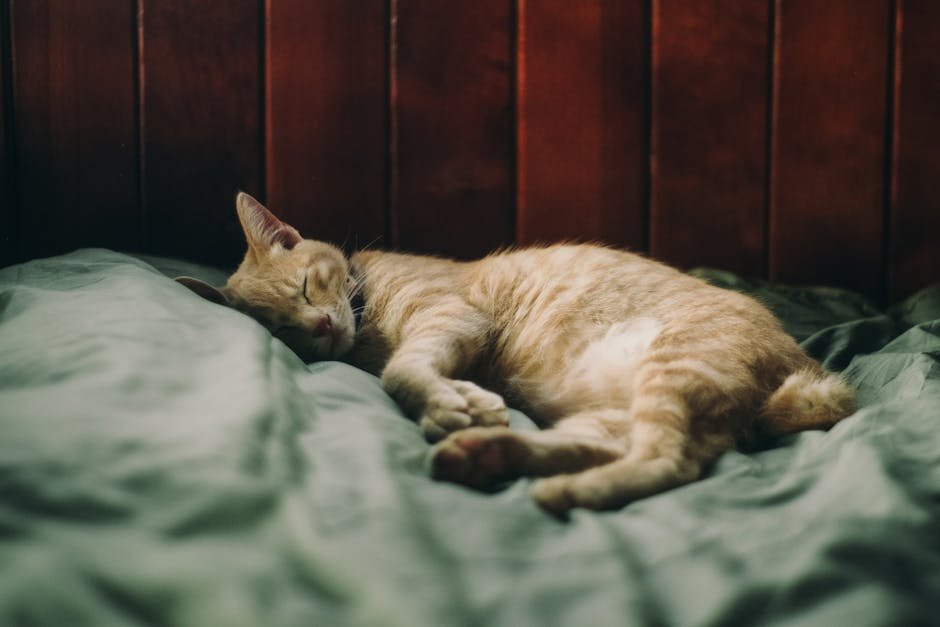
Have you ever watched your cat twitching, pawing, or even making little noises while sleeping and wondered, “Is my cat having a bad dream?” Just like you, your furry friend experiences different stages of sleep, and what goes on in their mind can be surprising.
Understanding whether cats have bad dreams can help you connect with your pet on a deeper level and ease any concerns you might have. Keep reading to discover the fascinating truth about your cat’s sleep and what those restless moments really mean for them.
Cat Sleep Patterns
Cats are famous for their love of sleep. Understanding their sleep patterns can give insights into their dreams. Cats sleep in cycles, much like humans. These cycles help them rest and recharge. Let’s explore the stages of feline sleep, how much they sleep, and the role of REM sleep.
Stages Of Feline Sleep
Cats experience several sleep stages. Their sleep begins with light sleep. In this phase, they can easily wake up. This stage helps cats stay alert to their surroundings.
Next, cats enter deep sleep. In this stage, their bodies relax fully. This rest is vital for their health and well-being. Deep sleep allows their bodies to repair and grow. Cats also experience rapid eye movement (REM) sleep. This stage is linked to dreaming.
How Much Do Cats Sleep?
Cats are known for sleeping a lot. On average, a cat sleeps between 12 to 16 hours a day. Kittens and older cats may sleep even more. This extended sleep helps them conserve energy.
Unlike humans, cats have flexible sleep schedules. They nap throughout the day. This napping fits their natural instincts. Hunting and being active at dawn and dusk require energy. Sleep helps them prepare for these active periods.
Rem Sleep In Cats
REM sleep is an essential part of a cat’s sleep cycle. It is during this stage that dreaming occurs. Cats twitch their whiskers and paws during REM. Their eyes move rapidly beneath closed lids.
This stage is crucial for mental health. REM sleep helps process experiences and emotions. It is possible that cats can have dreams, both good and bad. Understanding REM sleep can provide insights into feline behavior.

Credit: www.youtube.com
Signs Of Cat Dreams
Cats experience dreams during their sleep, just like humans. These dreams can reveal what they might be feeling or thinking. Recognizing the signs of cat dreams helps understand your pet better. Cats show various behaviors that hint they are dreaming.
Twitching And Movement
Small twitches in a cat’s paws or whiskers often mean they are dreaming. You may notice slight leg or tail movements too. These actions suggest your cat is reacting to something in its dream world.
Vocalizations During Sleep
Cats sometimes make soft noises while asleep. These can be little meows, purrs, or even growls. Such sounds show they might be dreaming about hunting or playing.
Eye Movement In Cats
Rapid eye movement (REM) is common during cat dreams. Watch closely as their eyes move beneath closed lids. This movement indicates they are in a deep sleep phase linked to dreaming.
Do Cats Experience Bad Dreams?
Have you ever watched your cat twitching or making little noises during sleep and wondered if they’re having bad dreams? Understanding whether cats experience nightmares can help you better care for your furry friend’s emotional and physical health. Let’s look at what science and observation tell us about your cat’s dream life.
Scientific Research On Cat Dreams
Studies show cats go through similar sleep stages as humans, including REM (rapid eye movement) sleep, where dreaming happens. During REM sleep, cats’ brain activity spikes, suggesting they are likely dreaming. Researchers observed that cats twitch their paws, whiskers, and ears in this phase, indicating active dream states.
However, pinpointing if cats have bad dreams is tricky. Unlike humans, cats can’t tell us what they dream about. Scientists infer from behavior that some dreams might be unpleasant, especially if cats wake up startled or agitated.
Comparing Human And Feline Dreams
Humans often dream based on daily experiences and emotions. Cats, being hunters and highly sensitive creatures, probably dream about activities like chasing prey or exploring territory. This makes you wonder—do your cat’s dreams reflect their waking life challenges?
While humans use language to process nightmares, cats rely on instinctive reactions. You might notice your cat twitching or vocalizing in their sleep—signs that could mean they are experiencing intense dreams, possibly even nightmares. How often have you seen your cat suddenly wake up and act confused or scared?
Possible Causes Of Nightmares In Cats
Several factors might trigger bad dreams or nightmares in cats. Stress from changes in their environment, illness, or traumatic experiences can influence their dream content. For example, a cat adjusting to a new home or recovering from an injury might have more restless sleep.
Just like you, your cat’s mind may replay stressful moments during sleep. If your cat frequently wakes up anxious or restless, consider what might be causing them stress during the day. Providing a calm and secure space can help reduce the chances of nightmares.

Credit: www.reddit.com
How To Tell If A Cat Is Distressed During Sleep
Noticing if your cat is distressed during sleep can be tricky. Cats often twitch, move their paws, or make noises while dreaming, which is usually normal. But how can you tell if your cat is actually having a bad dream or is truly upset?
Behavioral Changes After Sleep
Watch your cat’s behavior right after it wakes up. Does your cat seem unusually irritable or anxious?
Some cats may hide more, avoid interaction, or act restless after a disturbing sleep. If your cat suddenly shies away from you or other pets, it might be a sign of distress.
Have you noticed your cat grooming excessively or acting disoriented after naps? These can be subtle clues that something is off.
Physical Signs Of Stress
Physical symptoms can reveal if your cat is stressed during sleep. Look for rapid breathing, twitching beyond normal dreams, or even vocalizations like growls or hisses.
Your cat might also have dilated pupils or a stiff body posture during sleep, which are signs of discomfort or fear.
Sometimes, you might see your cat’s ears flatten or tail flick sharply while resting—these are clear signals of agitation.
When To Consult A Veterinarian
If your cat frequently shows signs of distress during or after sleep, it’s important to seek professional advice. Persistent behavioral or physical changes could indicate underlying health issues.
A veterinarian can help rule out problems like pain, neurological disorders, or anxiety disorders that cause bad dreams or sleep disturbances.
Don’t hesitate to keep a sleep journal for your cat, noting any unusual movements or reactions. This information will help your vet understand the situation better.
Improving Your Cat’s Sleep Quality
Improving your cat’s sleep quality can make a big difference in their overall mood and health. Cats spend a large part of their day sleeping, so ensuring those hours are restful is key. Let’s look at how you can help your furry friend enjoy better sleep every night.
Creating A Comfortable Sleep Environment
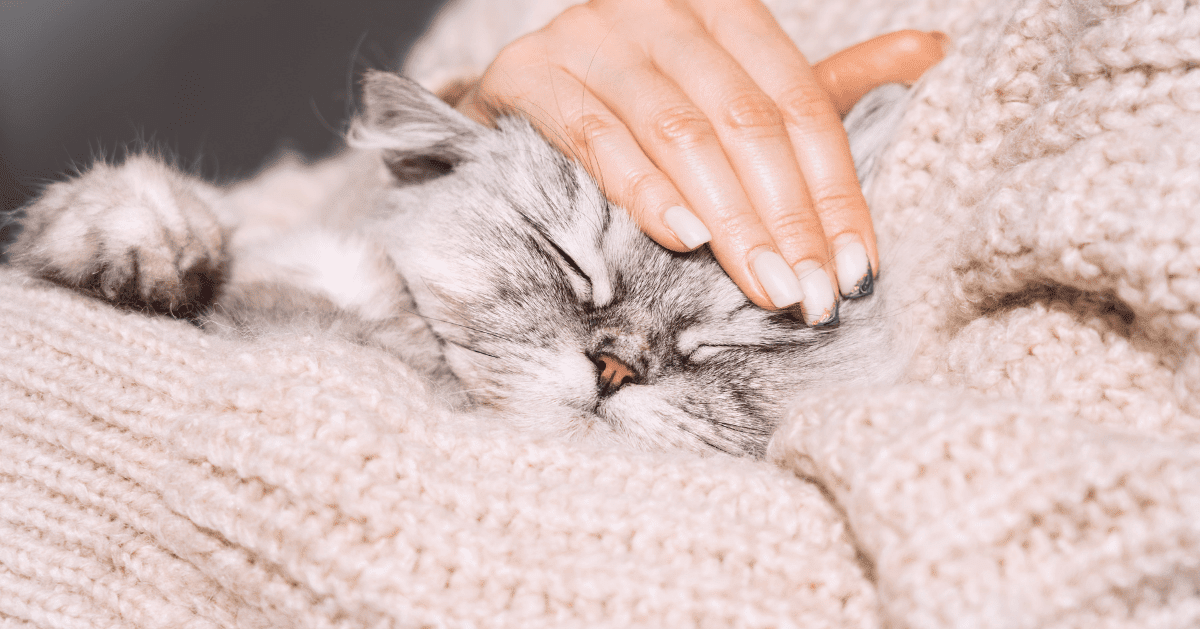
Start by setting up a cozy spot where your cat feels safe and relaxed. Soft bedding placed in a quiet corner can make a huge difference. Cats prefer warm, snug spaces—think about adding a blanket or a heated pad during colder months.
Consider the lighting as well. Dim or natural light helps cats settle down, while bright lights might keep them alert. Also, keep the area free from loud noises or sudden disturbances, which can interrupt their rest.
Reducing Stress And Anxiety
Stress can cause restless sleep or bad dreams in cats, just like in humans. Look for signs like excessive grooming or hiding, which suggest your cat is anxious. Creating a calm daily routine can help ease their mind.
Try to minimize changes in their environment and avoid loud, chaotic situations around them. Using pheromone diffusers or calming sprays can also soothe anxious cats. Have you noticed your cat sleeping better after a quiet day at home?
Diet And Exercise Impact On Sleep
What your cat eats and how active they are affects their sleep quality. Feeding them a balanced diet with appropriate meal times can regulate their energy levels. Avoid giving food right before bedtime, as this can lead to restlessness.
Regular playtime helps burn off excess energy, making it easier for your cat to settle down at night. Simple toys like feather wands or laser pointers can keep them engaged. Think about your cat’s daily routine—are they getting enough exercise to feel ready for a good night’s sleep?
Credit: www.feliway.co.uk
Frequently Asked Questions
Do Cats Really Have Bad Dreams?
Yes, cats do have bad dreams. Their brain activity during sleep shows signs of dreaming. Nightmares may occur, causing twitching or vocalizing.
How Can You Tell If A Cat Has Bad Dreams?
Signs include twitching paws, vocal sounds, rapid eye movement, or sudden waking. These behaviors suggest cats experience distressing dreams.
Why Do Cats Have Bad Dreams?
Cats dream to process daily experiences. Stress or trauma can trigger bad dreams. It’s a natural part of their sleep cycle.
Can Bad Dreams Affect A Cat’s Behavior?
Yes, bad dreams may cause restlessness or irritability. A cat might become anxious or hide more after nightmares.
Conclusion
Cats likely do have bad dreams just like humans. Their twitching paws and noises suggest they react to dreams. These dreams might be about hunting or playing. Understanding this helps us care for our pets better. Watching their sleep can reveal when they feel safe or stressed.
So, next time your cat moves or sounds asleep, think about their dream world. It shows how close our pets are to us in feelings. Sleep is important for all living beings, including cats.
