

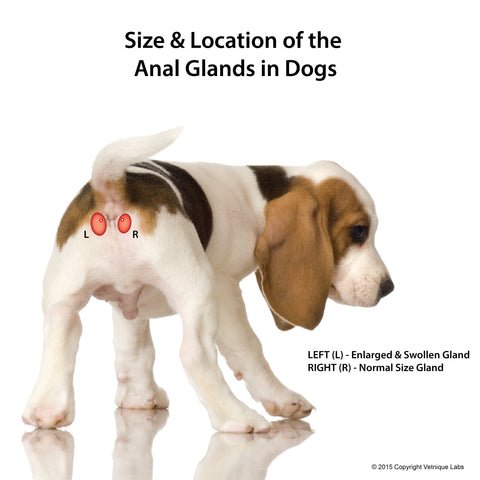
Have you ever wondered if your cat has anal glands and what role they play in your furry friend’s health? Understanding this little-known part of your cat’s body can help you spot issues before they become serious.
If you want to keep your cat comfortable and happy, learning about anal glands is a must. Keep reading to discover what these glands are, how they work, and what signs you should watch for to protect your cat’s well-being.
Anatomy Of Cat Anal Glands
Cats have small sacs called anal glands near their anus. These glands play a role in communication and marking territory. Understanding their anatomy helps recognize signs of health or problems.
Anal glands are paired structures. They sit on each side of the cat’s anus. Each gland connects to a tiny duct opening just inside the anus.
The glands produce a strong-smelling fluid. This fluid is unique to each cat. It serves as a scent marker for other cats.
These glands are located under the skin. They lie between layers of muscle. This placement helps the fluid release during defecation or stress.
Location And Structure
The anal glands are small sacs about the size of a pea. Each sac lies at the 4 and 8 o’clock positions around the anus. The sacs connect to ducts that open at the anus edges.
Function And Purpose
These glands release fluid that has a strong odor. Cats use this fluid to mark territory and identify each other. The smell also signals stress or fear.
Composition Of Anal Gland Secretions
- The fluid contains fats and proteins.
- It has a strong, musky smell.
- Each cat’s secretion is unique.
- It helps cats communicate silently.
Common Issues With Cat Anal Glands
Sometimes the glands get blocked or infected. This causes swelling and discomfort. Watch for scooting or licking near the anus.
Credit: www.kinship.com
Functions Of Anal Glands
Anal glands in cats serve several important purposes that are often overlooked. These small sacs, located near the anus, play a key role in communication and health. Understanding their functions can help you better care for your feline friend and recognize signs of discomfort early.
Communication Through Scent Marking
One of the main functions of a cat’s anal glands is to produce a unique scent. This scent acts like a personal signature that cats use to mark their territory. When your cat rubs its rear or leaves small deposits, it’s sending messages to other cats.
Have you noticed your cat’s behavior after a stressful event? They often release more scent to re-establish their presence and comfort zone. This natural communication method is subtle but powerful.
Defense Mechanism
Anal glands also serve as a defense tool. When threatened, cats can release a strong-smelling secretion to deter predators or other animals. This unexpected spray can be surprising but is effective in protecting your pet.
If your cat suddenly acts defensive or scared, watch for signs they might use this gland secretion. It’s their way of saying they feel unsafe without needing to escalate to physical confrontation.
Health Indicator
These glands can also give you clues about your cat’s health. If your cat scoots on the floor or seems uncomfortable, it might be due to full or infected anal glands. Regular vet checks can prevent serious issues and keep your cat comfortable.
Pay attention to your cat’s grooming habits and behavior changes. Sometimes, a small discomfort in the anal area can lead to bigger problems if ignored.
Signs Of Anal Gland Problems
Anal glands in cats can cause discomfort when they get blocked or infected. Recognizing signs early helps prevent serious problems. Watch for changes in your cat’s behavior or appearance. Some signs are easy to spot. Others may be subtle but important.
Scooting Behavior
Scooting means your cat drags its rear end across the floor. This action shows irritation or itchiness near the anal area. Cats often scoot to relieve pressure from full or infected anal glands. Frequent scooting should not be ignored.
Excessive Licking
Cats lick their anal area to soothe discomfort. Excessive licking may indicate anal gland problems. You might notice your cat licking more than usual or for long periods. This behavior can cause redness or hair loss around the area.
Foul Odor
Anal glands release a strong, unpleasant smell. A bad odor coming from your cat’s rear can signal an issue. This smell may become worse if the glands are infected or abscessed. Any sudden foul odor deserves attention.
Swelling Or Redness
Swelling or redness around the anus shows inflammation or infection. The area may look puffy or tender to touch. This condition may cause pain and difficulty sitting. Swelling is a clear sign your cat needs care.
Common Anal Gland Issues
Anal glands in cats can sometimes cause problems. These small sacs near the anus store a strong-smelling fluid. When they do not empty properly, cats may face discomfort and health issues. Understanding common anal gland problems helps in spotting symptoms early. It also aids in seeking timely care for your pet.
Impaction
Impaction happens when anal gland fluid thickens and blocks the gland. The cat may scoot on the floor or lick the area often. This causes pain and swelling. Impaction needs prompt attention to avoid further complications. Regular check-ups can help prevent this condition.
Infection
Infection occurs if bacteria enter the anal glands. The area becomes red, swollen, and painful. Cats may have a bad smell from the glands. They might also show signs of fever or lethargy. Treating infection usually requires antibiotics prescribed by a vet.
Abscess Formation
An abscess forms when an infection worsens and creates a pus-filled pocket. This can cause severe pain and swelling around the anus. The cat may have difficulty sitting or walking. Surgery might be necessary to drain the abscess and clear the infection.
Diagnosis And Treatment
Diagnosing and treating issues with cat anal glands requires careful attention. These glands can become impacted, infected, or abscessed. Early diagnosis helps prevent serious problems. Treatment varies depending on the severity and cause of the condition.
Veterinary Examination
A vet will start with a physical exam. They check the area around the anus for swelling or redness. The vet may also feel the anal glands for any lumps or blockage. Behavioral signs like scooting or licking the area will be noted. Sometimes, further tests like blood work or cultures are needed.
Expression Of Anal Glands
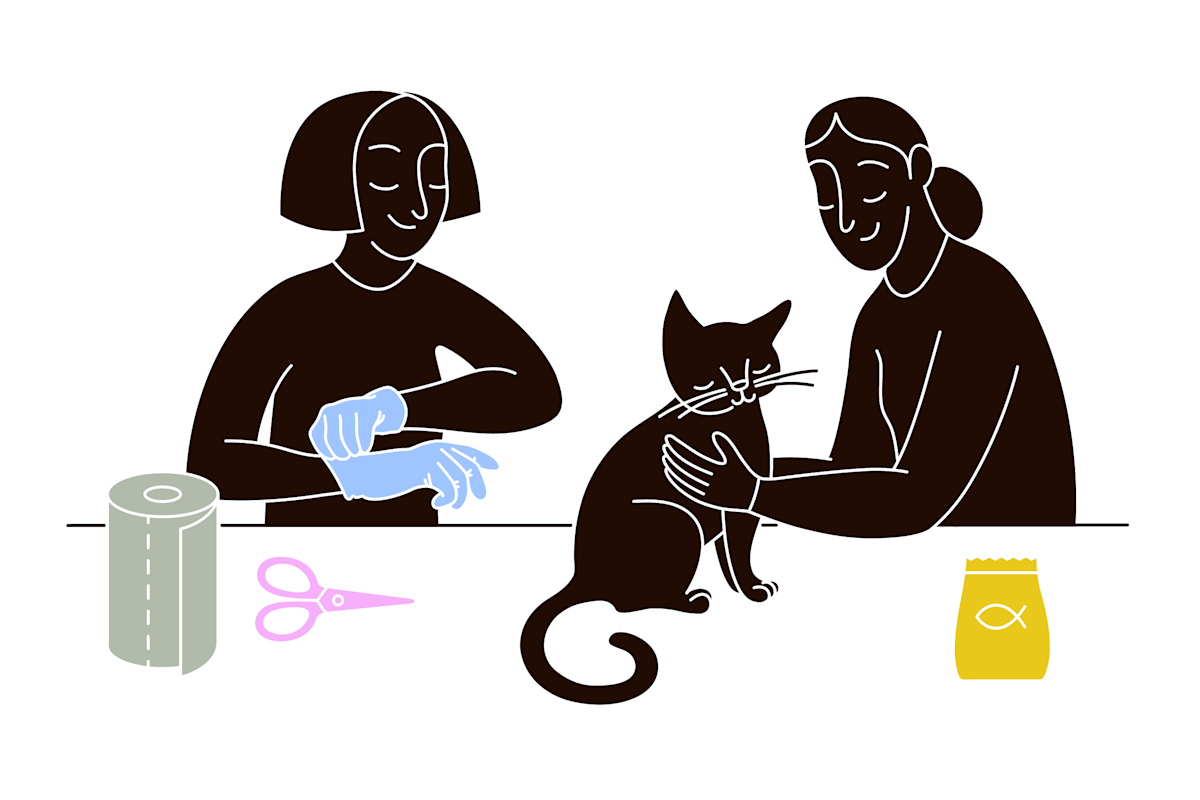
If the glands are full or impacted, the vet will manually express them. This means gently squeezing the glands to release fluid. This procedure relieves discomfort and clears blockages. It is usually done with gloves and care to avoid pain or injury. Regular expression might be needed for cats prone to problems.
Antibiotics And Medication
Infections require antibiotics to clear bacteria. The vet prescribes oral or topical antibiotics based on the case. Pain relief medication may also be given to ease discomfort. Anti-inflammatory drugs can reduce swelling. Follow the vet’s instructions carefully for best results.
Surgical Intervention
Surgery is a last option if other treatments fail. It may involve removing the affected anal glands. This prevents recurring infections and abscesses. Surgery requires anesthesia and a recovery period. Post-surgery care includes wound cleaning and monitoring for complications.
Prevention Tips For Cat Owners
Preventing anal gland problems in cats is easier than you might think. Paying close attention to your cat’s diet, grooming habits, and behavior can keep them comfortable and healthy. Small daily actions can make a big difference in avoiding discomfort and potential infections.
Diet And Nutrition
Your cat’s diet plays a crucial role in maintaining healthy anal glands. Feeding high-quality food rich in fiber helps produce firmer stools, which naturally squeeze the glands during elimination.
Have you noticed your cat’s litter box habits change? That might signal a diet adjustment is needed. Adding pumpkin or specialized fiber supplements can promote better digestion and gland function.
Regular Grooming
Keeping the area around your cat’s rear clean can prevent blockages and infections. Regular grooming sessions allow you to spot any swelling or unusual odors early on.
Even short-haired cats benefit from gentle brushing and wiping with pet-safe wipes. If you feel unsure about cleaning this delicate area, consult your vet for guidance or demonstration.
Monitoring Behavior
Watch for signs like scooting, excessive licking, or sudden irritability. These behaviors often indicate anal gland discomfort and should never be ignored.
Ask yourself: does your cat seem restless or avoid sitting comfortably? Early detection can save your pet from painful complications and costly treatments.
When To Seek Veterinary Help
Knowing when to seek veterinary help for your cat’s anal glands is important. Cats may have issues that need professional care. Early detection can prevent pain and complications.
Watch your cat closely. Changes in behavior or appearance around the rear can signal problems. Some signs need immediate attention.
Signs Of Anal Gland Infection Or Abscess
- Swelling near the anus
- Redness or discharge
- Foul smell coming from the area
- Your cat seems in pain when sitting or defecating
Excessive Scooting Or Licking
- Repeated dragging of the rear on the floor
- Constant licking or biting around the tail base
- Behavior that lasts more than a day or two
Difficulty Or Pain During Defecation
- Straining or crying out while pooping
- Constipation or small, hard stools
- A change in litter box habits
When Home Care Is Not Enough
- Anal gland expression does not relieve discomfort
- Signs worsen despite cleaning and observation
- Repeated issues over a short period

Credit: www.mycornervet.com.au

Credit: newtownvet.com.au
Frequently Asked Questions
Do Cats Have Anal Glands Like Dogs?
Yes, cats have two small anal glands located near their anus. These glands release a strong-smelling fluid for marking territory and communication. Unlike dogs, cat anal glands rarely cause problems but may need attention if infected or impacted.
What Is The Function Of Cat Anal Glands?
Cat anal glands produce a scent-marking fluid. This fluid helps cats communicate with other cats and mark their territory. It also plays a role in identifying individual cats through unique odors.
How Do You Know If A Cat’s Anal Glands Are Full?
Signs of full or impacted anal glands include scooting, licking the anal area, discomfort, or a bad smell. If your cat shows these signs, a vet check is recommended to prevent infection or abscesses.
Can Cats Express Their Anal Glands Naturally?
Yes, cats usually express their anal glands naturally during defecation. Sometimes stress or health issues can prevent this, leading to discomfort or infection that may require veterinary help.
Conclusion
Cats do have anal glands, small sacs near their tails. These glands help them mark territory and communicate. Sometimes, these glands can get blocked or infected. Watching for signs like scooting or discomfort is important. Regular check-ups with a vet keep your cat healthy.
Understanding this part of cat care helps you support their well-being. Simple care can prevent problems and keep your cat happy. Remember, knowing about anal glands aids in better pet care.
