

Have you ever wondered if your cat can get worms? It’s a question every cat owner should ask.
Worms are more common than you might think, and they can quietly harm your furry friend. Understanding how cats get worms, what signs to watch for, and how to protect your pet is essential. Keep reading to learn everything you need to know to keep your cat healthy and happy.
Your cat’s well-being depends on it!
Common Types Of Worms In Cats
Worm infections are common in cats, and knowing the types that can affect your furry friend is essential. Each worm type has different effects on your cat’s health, and recognizing the signs helps you act fast. Let’s look at the most common worms that cats can get and how they might impact your pet.
Roundworms
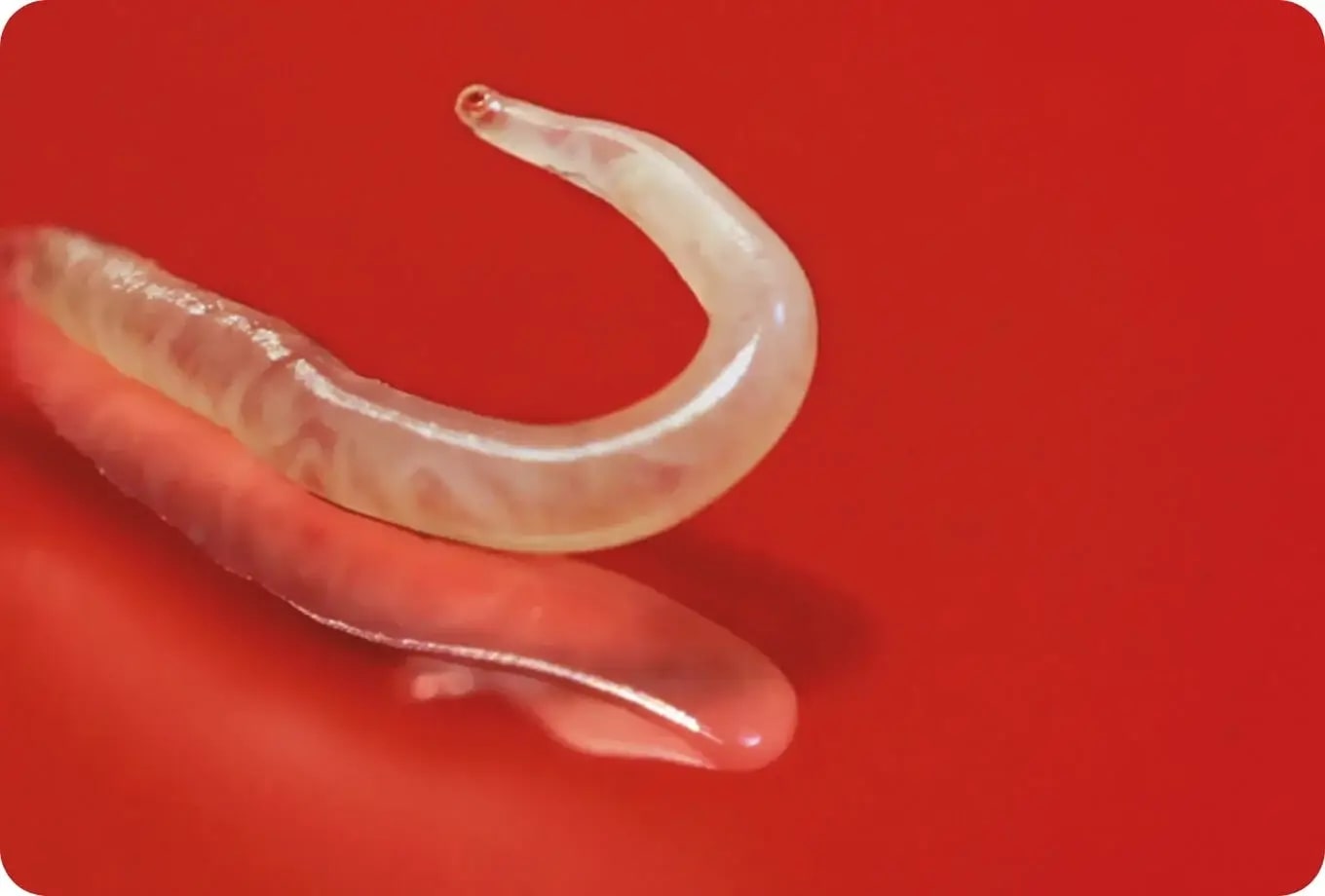
Roundworms are the most frequent intestinal parasites in cats. They look like spaghetti and can grow several inches long. Cats often get them by ingesting infected fleas or hunting small rodents.
If your cat seems to have a potbellied appearance or is vomiting worms, roundworms might be the culprit. These worms can cause weight loss and poor coat condition if left untreated. Have you noticed your cat eating less or acting sluggish lately? That could be a sign to check for roundworms.
Tapeworms
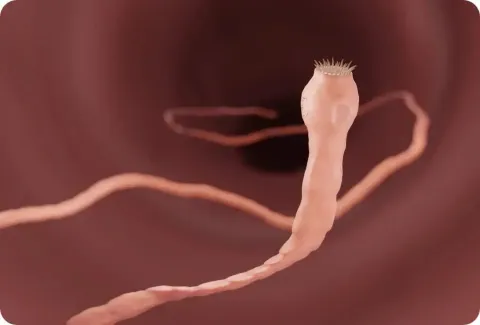
Tapeworms are flat and segmented, often transmitted through fleas. You might spot small white segments near your cat’s anus or in its bedding. Unlike roundworms, tapeworms don’t usually cause severe symptoms but can lead to itching and discomfort.
Many cat owners overlook tapeworms because the segments resemble tiny grains of rice. If your cat is scratching its rear more than usual or scooting on the floor, it’s time to consider a tapeworm check. Treating fleas is crucial to prevent tapeworm reinfection.
Hookworms
Hookworms are small but dangerous parasites that attach to your cat’s intestines and feed on blood. This can cause anemia, especially in kittens or cats with weakened immune systems. You might see symptoms like pale gums, diarrhea, or weakness.
These worms enter through the skin or when cats groom themselves after being outside. If your cat spends time outdoors, are you monitoring for signs of hookworm infection? Early treatment can save your cat from serious health problems.

Credit: justcatsclinic.com
How Cats Get Worms
Understanding how cats get worms is essential for keeping your feline friend healthy. Worms can sneak into their system in several surprising ways. Knowing these routes helps you take practical steps to prevent infection and protect your cat.
Contaminated Soil
Soil contaminated with worm eggs is a common source of infection for cats. If your cat spends time digging or playing outside, they can easily pick up these eggs on their paws or fur. When they groom themselves, the eggs enter their digestive system.
Have you ever seen your cat roll around in the garden? That innocent playtime could expose them to harmful parasites. Regularly cleaning your cat’s outdoor area and discouraging digging can reduce this risk.
Infected Prey
Cats are natural hunters, and catching prey like mice or birds can expose them to worms. These small animals often carry worms or their larvae, which transfer to your cat upon ingestion. Even a well-fed house cat can be at risk if it catches a stray mouse.
Think about the last time your cat brought you a “gift” from outside. It might be cute, but it could carry dangerous worms. Feeding your cat a balanced diet and limiting hunting can protect them from these infections.
Fleas And Other Parasites
Fleas and other parasites are more than just an annoyance—they can carry worm larvae. When your cat grooms and swallows these parasites, the worms find a new home in their body. This is why flea control is crucial for worm prevention.
Have you checked your cat for fleas lately? Even one flea can introduce worms into their system. Using effective flea treatments regularly stops this chain of infection.
Symptoms Of Worms In Cats
Worms in cats can cause various health problems. Recognizing the symptoms early helps protect your pet. Symptoms may show in different ways and some are easy to miss.
Digestive Issues
Worms often cause stomach discomfort in cats. You might notice vomiting or diarrhea. Cats may also have a bloated belly or gas. These signs show the worms affect their digestion.
Weight Loss
Even with a good appetite, cats with worms lose weight. Worms steal nutrients from the cat’s food. This leaves the cat weak and thin over time. Weight loss without reason is a clear warning sign.
Visible Worms In Feces
Sometimes you can see worms in your cat’s stool. They may look like small white grains or rice pieces. This is a direct sign of a worm infection. Check the litter box often to catch this early.
Credit: nexgardforpets.com
Diagnosing Worms In Cats
Diagnosing worms in cats requires careful observation and professional help. Cats may show signs like weight loss, vomiting, or a dull coat. These symptoms alone do not confirm worms. A proper diagnosis ensures the right treatment and faster recovery.
Veterinary Examination
A vet examines your cat to check for visible signs of worms. They look for symptoms such as a swollen belly or irritated skin around the rear. The vet also asks about your cat’s behavior and health history. This helps to identify the type of worm infection. Physical exams are crucial for a correct diagnosis.
Fecal Testing
Fecal testing is the most common way to confirm worm infections. The vet collects a small stool sample from your cat. Lab tests then check for worm eggs or larvae under a microscope. This test detects roundworms, hookworms, tapeworms, and other parasites. Fecal testing is quick and accurate. It guides the vet on the best treatment plan.
Treatment Options
Dealing with worms in cats requires prompt and effective treatment to keep your furry friend healthy and comfortable. Understanding the available treatment options helps you make informed decisions about your cat’s care. Let’s look at the common and natural ways to treat worms in cats.
Medications
Most vets recommend specific medications to target and eliminate worms in cats. These medications are usually safe and work quickly to clear infections.
- De-wormers:These are pills, liquids, or injections prescribed by your vet. They target different types of worms like roundworms, tapeworms, and hookworms.
- Prescription Strength:Over-the-counter options exist, but vet-prescribed treatments are more reliable and tailored to your cat’s needs.
- Follow-up Doses:Some treatments require multiple doses or follow-up visits to ensure all worms are gone.
I once saw a friend’s cat bounce back rapidly after a vet-prescribed de-worming course. The cat went from lethargic to lively within days, proving how effective these medications can be.
Natural Remedies
You might wonder if natural remedies can help your cat with worms. While some owners prefer these, it’s important to know their limitations and always consult a vet before use.
- Pumpkin Seeds:Ground pumpkin seeds contain compounds that may help expel worms naturally.
- Carrots:Adding shredded carrots to your cat’s diet can aid digestion and might reduce worm growth.
- Apple Cider Vinegar:Some believe small amounts in drinking water help create an environment hostile to worms.
Natural remedies can be a gentle support but rarely replace effective medication. Have you tried any natural treatments for your cat’s worms? What was your experience?

Credit: www.outdoorbengal.com
Preventing Worm Infestations
Worm infestations in cats can cause serious health issues. Preventing these problems is easier than treating them. A few simple habits help keep your cat safe and healthy. Focus on regular care and cleanliness to stop worms from spreading.
Regular Vet Check-ups
Schedule vet visits at least twice a year. Vets can detect worms early through tests. They provide safe deworming treatments when needed. Regular check-ups keep your cat’s health in check. Early detection prevents serious complications.
Flea Control
Fleas carry worm larvae and spread infections. Use vet-approved flea treatments regularly. Clean your cat’s bedding and living areas often. Monitor your cat for signs of fleas. Controlling fleas reduces the risk of worm infestations.
Hygiene Practices
Keep your cat’s litter box clean daily. Wash your hands after handling litter or soil. Prevent your cat from eating raw meat or hunting rodents. Clean food and water bowls every day. Good hygiene lowers exposure to worm eggs and larvae.
Impact Of Worms On Cat Health
Worms in cats can silently damage their health in ways you might not immediately notice. These parasites compete with your cat for essential nutrients and can cause discomfort that affects their daily life. Understanding how worms impact your cat’s health helps you catch problems early and keep your furry friend thriving.
Nutrient Absorption
Worms absorb nutrients from your cat’s intestines, leaving fewer nutrients available for your cat’s body. This can lead to deficiencies in vital vitamins and minerals that your cat needs for energy and growth.
Have you noticed your cat losing weight despite eating well? Worms might be the reason. Even if your cat eats enough, poor nutrient absorption can cause unexplained weight loss and weakness.
Addressing this quickly is crucial because prolonged nutrient loss can affect your cat’s immune system and slow down healing from other illnesses.
Overall Well-being
Worm infections often cause symptoms like vomiting, diarrhea, and a dull coat, which can make your cat uncomfortable and less playful.
Imagine your cat hiding more or eating less without obvious reasons. These subtle changes can signal worm problems that affect their mood and energy levels.
Regular check-ups and prompt treatment can restore your cat’s vitality. How often do you check your cat for signs of worms, especially if they spend time outdoors or around other animals?
When To Seek Veterinary Help
Knowing when to seek veterinary help for your cat is vital. Cats can hide their discomfort well. Early care helps prevent serious health issues. Watch your cat closely for signs that need professional attention.
Persistent Symptoms
Symptoms like vomiting, diarrhea, or weight loss lasting more than two days need a vet visit. Constant scratching or visible worms in stool also require attention. These signs may indicate a worm infestation that needs treatment. Don’t wait for symptoms to worsen. Persistent issues can harm your cat’s health.
Severe Health Changes
Sudden weakness, difficulty breathing, or severe lethargy are urgent warning signs. Rapid weight loss or a swollen abdomen also demand immediate veterinary care. These symptoms can signal a serious infection or complications from worms. Quick action can save your cat’s life. Always trust your instincts when health changes sharply.
Frequently Asked Questions
Do Cats Commonly Get Worms?
Yes, cats often get worms like roundworms, tapeworms, and hookworms. These parasites are common, especially in outdoor or young cats.
What Are The Signs Of Worms In Cats?
Signs include weight loss, vomiting, diarrhea, a bloated belly, and visible worms in feces or fur. Some cats may show no symptoms.
How Do Cats Get Worms?
Cats get worms by ingesting infected fleas, hunting infected prey, or contact with contaminated soil and feces. Kittens can also get worms from their mother.
Can Worm Infections In Cats Affect Humans?
Yes, some cat worms can infect humans, causing health issues. Proper hygiene and regular deworming reduce this risk effectively.
Conclusion
Cats can get worms, and it is a common problem. Worms can make cats sick and uncomfortable. Regular check-ups with a vet help catch worms early. Keep your cat clean and avoid letting them eat unknown animals. Giving medicine on time stops worms from spreading.
Watching your cat’s health closely is very important. Healthy cats are happy cats. Taking simple steps protects your pet from worms. Stay aware and act fast to keep your cat safe.
