

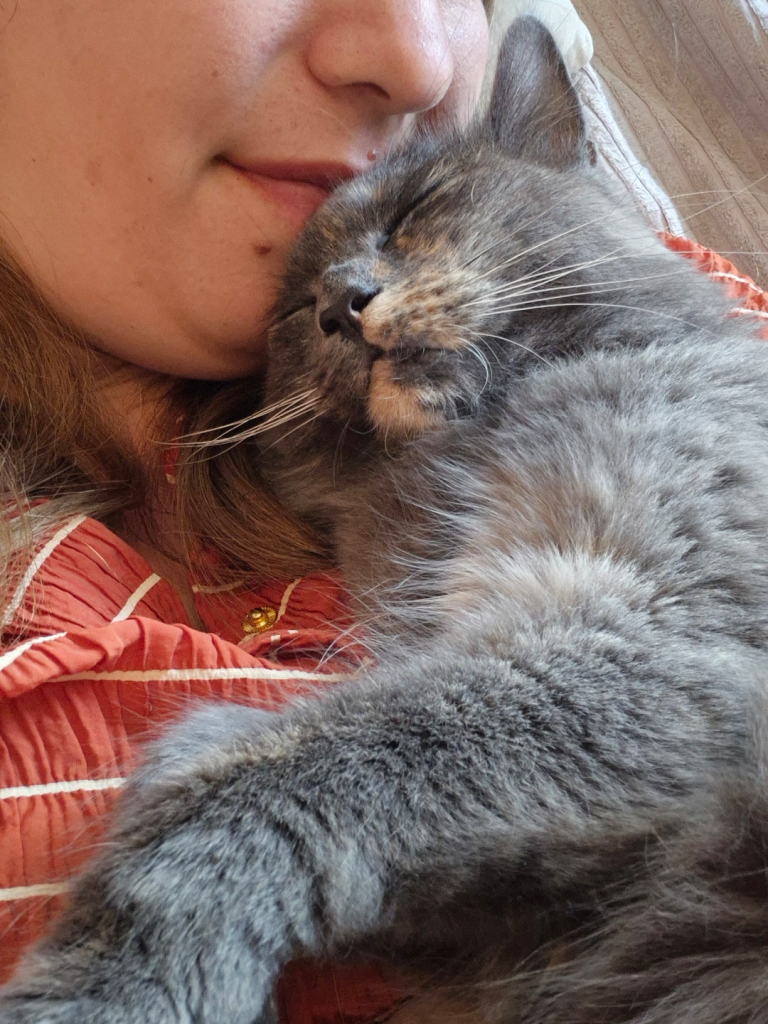
Have you ever noticed your cat suddenly acting tired, losing appetite, or having upset stomach? You might wonder, “Do cats get stomach viruses?”
If your furry friend is showing these signs, it’s natural to feel worried and want answers fast. Understanding what causes stomach issues in cats can help you protect your pet and get them back to their playful self. You’ll discover the truth about stomach viruses in cats, how to spot the symptoms, and what steps you can take to keep your cat healthy and happy.
Keep reading to learn everything you need to know to care for your beloved companion.

Credit: www.purina.com
Cat Stomach Viruses
Cats are curious creatures, prone to exploring their environment with gusto. This curiosity sometimes leads to stomach viruses. These viruses can upset their digestive systems, causing discomfort. Understanding cat stomach viruses helps in managing and preventing them.
What Are Cat Stomach Viruses?
Cat stomach viruses are infectious agents affecting the feline digestive tract. They range from mild to severe. Cats can contract these viruses through contaminated food or water. Contact with other infected animals also poses a risk.
Symptoms Of Cat Stomach Viruses
Symptoms often include vomiting and diarrhea. Cats may also experience a loss of appetite. Lethargy and dehydration are common signs too. If symptoms persist, consult a veterinarian promptly.
Causes Of Stomach Viruses In Cats
Contaminated food is a primary cause of stomach viruses. Ingesting spoiled or dirty food increases risk. Contact with infected animals can also spread viruses. Poor hygiene in cat environments contributes too.
Prevention Tips For Cat Stomach Viruses
Maintain a clean feeding area for your cat. Ensure food is fresh and stored properly. Keep your cat’s water bowl clean and filled with fresh water. Regular vet check-ups help in early detection and prevention.
When To Consult A Veterinarian
If symptoms persist beyond a day, seek veterinary advice. Sudden weight loss or severe dehydration requires immediate attention. Professional guidance ensures your cat receives the best care possible.

Credit: alpha-tact.com
Common Causes
Cats can suffer from stomach viruses caused by several common factors. Understanding these causes helps in prevention and care. The main reasons include infections, parasites, and what they eat. Each factor affects a cat’s digestive health differently.
Viral Infections
Viral infections are a frequent cause of stomach problems in cats. Viruses like feline panleukopenia and feline coronavirus can upset the stomach. These viruses spread easily among cats, especially in crowded places. Symptoms often include vomiting, diarrhea, and loss of appetite. Vaccination helps reduce the risk of viral infections.
Bacterial Contamination
Bacteria can also cause stomach issues in cats. Common bacteria include Salmonella and E. coli. Cats may get infected by eating spoiled food or contaminated water. Bacterial infections cause diarrhea and dehydration quickly. Clean feeding areas and fresh water lower the chance of infection.
Parasites
Parasites are another common cause of stomach upset. Worms like roundworms and tapeworms live inside the intestines. Parasites irritate the stomach lining, causing discomfort and poor nutrient absorption. Regular deworming is important to keep cats parasite-free. Fleas can also carry tapeworm eggs, spreading infection.
Dietary Factors
Diet plays a key role in a cat’s stomach health. Sudden changes in food or low-quality diets can cause stomach upset. Some cats are sensitive to certain ingredients, leading to vomiting or diarrhea. Feeding high-quality, consistent food supports a healthy digestive system. Avoid giving cats human food that may harm their stomach.
Symptoms To Watch
Knowing the symptoms of a stomach virus in cats can help you act quickly to get your furry friend the care they need. These signs often appear suddenly and can vary in severity. Paying close attention to changes in your cat’s behavior or physical condition is key to spotting a problem early.
Vomiting And Diarrhea
Vomiting is one of the most common signs of a stomach virus in cats. It might happen once or repeatedly over a short period. Diarrhea often follows, which can range from loose stools to watery consistency.
If your cat starts vomiting or has diarrhea, note the frequency and appearance. Is the vomit just food, or does it contain bile? Are the stools bloody or unusually smelly? These details can help your vet diagnose the issue faster.
Lethargy And Weakness
You might notice your cat sleeping more than usual or moving sluggishly. This lack of energy often comes from dehydration or discomfort caused by the virus. Your cat may also avoid playing or interacting with you, which is a big change from normal behavior.
Have you ever seen your pet just lying in one spot, barely responding to your voice? This can be a warning sign that they need immediate attention. Don’t ignore sudden drops in activity levels.
Loss Of Appetite
A cat with a stomach virus often refuses food. Even their favorite treats might be ignored. This loss of appetite can worsen dehydration and weaken their immune system.
Try offering small amounts of bland food, but if your cat refuses to eat for more than 24 hours, it’s time to consult a vet. Your cat’s refusal to eat is more than just a bad mood—it’s a symptom to take seriously.
Dehydration Signs
Stomach viruses can cause dehydration quickly due to fluid loss from vomiting and diarrhea. Look for dry gums, sunken eyes, and skin that doesn’t snap back quickly when gently pinched. These signs mean your cat is losing fluids faster than they can replace them.
Have you checked your cat’s water bowl recently? If they’re not drinking, dehydration can worsen fast. You might need to help by offering water with a syringe or asking your vet about fluids.
Diagnosis Methods
Diagnosing stomach viruses in cats requires careful observation and specific tests. Early diagnosis helps provide the right care quickly. Vets use different methods to find the cause of stomach issues. These methods include physical checks, lab tests, and stool examinations. Each plays a vital role in understanding the cat’s health.
Veterinary Examination
The vet starts with a full physical exam. They check the cat’s temperature, hydration, and overall condition. The vet listens to the stomach and checks for pain. They look for signs like vomiting, diarrhea, or lethargy. This exam helps rule out other illnesses with similar symptoms.
Laboratory Tests
Blood tests provide key information about the cat’s health. They check for infections, dehydration, and organ function. These tests can show if the immune system is fighting a virus. Bloodwork helps narrow down the cause of the stomach problem. It also guides treatment decisions.
Fecal Analysis
Examining the cat’s stool is essential. It helps detect viruses, bacteria, or parasites causing illness. The vet collects a small stool sample for testing. Lab technicians look for abnormal cells or infectious agents. This test confirms if a stomach virus is present. It ensures the right treatment plan for recovery.
Home Remedies
Home remedies can help soothe your cat’s stomach virus symptoms and support recovery. These natural steps focus on keeping your cat comfortable and hydrated. They also help restore balance to your cat’s digestion. Always observe your cat closely and consult a vet if symptoms worsen.
Hydration Tips
Keeping your cat hydrated is crucial during a stomach virus. Offer fresh water frequently. You can also provide ice chips if your cat refuses to drink. Using a pet-safe electrolyte solution may help replace lost minerals. Avoid sugary drinks or milk, which can upset digestion further.
Diet Adjustments
Feed bland, easy-to-digest foods to reduce stomach strain. Boiled chicken and plain rice are gentle options. Serve small meals multiple times a day instead of one large meal. Gradually reintroduce regular cat food as your pet improves. Avoid fatty or spicy foods during recovery.
Probiotics
Probiotics support healthy gut bacteria and aid digestion. Choose probiotics formulated specifically for cats. These can help restore intestinal balance after a virus. Use probiotics under vet guidance to ensure safety. Natural sources like plain yogurt are not always safe for cats.
Rest And Comfort
Your cat needs plenty of rest to fight the virus. Provide a quiet, warm, and comfortable space. Minimize stress by limiting loud noises and activity. Offer gentle petting to reassure your cat. Monitor for signs of improvement or worsening symptoms during rest.
When To See A Vet
Knowing when to see a vet is crucial if your cat shows signs of a stomach virus. Some symptoms may seem minor but could indicate a more serious problem. Acting promptly can prevent complications and help your feline friend recover faster.
Persistent Symptoms
If your cat’s vomiting or diarrhea lasts more than 24 to 48 hours, it’s time to call your vet. Occasional upset stomachs can happen, but persistent symptoms suggest something more serious. Have you noticed if your cat is eating or drinking less during this time? That’s a key sign to watch.
Severe Dehydration
Dehydration can sneak up quickly with stomach viruses. Check for dry gums, sunken eyes, or lethargy in your cat. If your cat refuses water or shows signs of weakness, don’t wait—seek veterinary care immediately.
Blood In Stool
Spotting blood in your cat’s stool is a red flag. It indicates irritation or damage inside the digestive tract. Even a small amount of blood should prompt you to get veterinary advice without delay.
Behavioral Changes
Have you noticed your cat hiding more, acting unusually aggressive, or becoming extremely lethargic? Changes like these can mean your cat is in pain or feeling very unwell. Trust your instincts—if your cat’s behavior shifts suddenly, a vet visit is necessary.
Preventive Measures
Keeping your cat safe from stomach viruses involves more than just quick treatment—it starts with prevention. You hold the power to reduce their risk by taking simple, consistent actions. Let’s look at effective ways to protect your feline friend from these unpleasant illnesses.
Vaccination
Vaccines are a key defense against many infectious diseases that can upset your cat’s stomach. Ask your vet about vaccines that target common viruses known to cause gastrointestinal issues. Staying up-to-date on shots not only protects your cat but also helps prevent the spread of viruses to other pets.
Hygiene Practices
Good hygiene can drastically cut down the chances of your cat catching stomach viruses. Clean their litter box regularly—at least once a day—to keep harmful germs at bay. Wash your hands before and after handling your cat or their food to avoid transferring bacteria or viruses.
Safe Food Handling
What you feed your cat matters a lot. Always provide fresh, high-quality food and avoid leaving it out for long periods. Store dry and wet food properly to prevent contamination, and never feed your cat spoiled or questionable items—even if they seem eager to eat it.
Regular Vet Checkups
Routine visits to the vet help catch any early signs of stomach problems before they worsen. Your vet can give personalized advice based on your cat’s health and lifestyle. Don’t wait until your cat shows symptoms—proactive care is your best tool for prevention.

Credit: www.reddit.com
Frequently Asked Questions
Do Cats Commonly Get Stomach Viruses?
Yes, cats can get stomach viruses, often caused by feline calicivirus or other infections. Symptoms include vomiting, diarrhea, and lethargy. Early veterinary care is essential to prevent complications and ensure quick recovery.
What Are Common Symptoms Of Cat Stomach Viruses?
Common symptoms include vomiting, diarrhea, loss of appetite, dehydration, and lethargy. Cats may also show signs of abdominal pain or fever. Prompt veterinary attention helps diagnose and treat the infection effectively.
How Do Cats Catch Stomach Viruses?
Cats usually contract stomach viruses through contact with infected cats, contaminated food, water, or surfaces. Poor hygiene and crowded environments increase infection risk. Preventive measures include vaccination and maintaining clean living spaces.
Can Stomach Viruses In Cats Be Treated At Home?
Mild cases may improve with rest and hydration, but veterinary diagnosis is crucial. Severe infections require professional treatment, including fluids and medication. Never give human medicines without veterinary approval.
Conclusion
Cats can catch stomach viruses just like people do. These viruses can cause vomiting and diarrhea. Watch your cat for signs like loss of appetite or tiredness. Quick care helps your cat feel better faster. Keep your cat’s environment clean to stop germs.
If symptoms last, visit the vet for help. A healthy diet and fresh water support recovery. Protecting your cat from viruses keeps them happy. Stay aware and act fast to keep your cat safe.
