

Have you ever wondered if your cat experiences periods like humans do? It’s a common question that many cat owners have but rarely find clear answers to.
Understanding your cat’s reproductive cycle can help you take better care of her and avoid any surprises. You’ll discover the truth about whether cats get periods, what signs to look for, and how to keep your furry friend healthy and comfortable.
Keep reading to learn everything you need to know about your cat’s unique biology.
Cats And Their Reproductive Cycle
Cats do not have periods like humans. Instead, they go through a heat cycle when ready to mate. This cycle causes behavioral changes but no bleeding occurs.
Cats, mysterious and graceful, have a fascinating reproductive cycle that might pique your curiosity. Unlike human females, cats don’t experience menstrual periods in the same way. Their reproductive process is a unique and intricate journey that every cat owner should understand to ensure the well-being of their feline friend.How Cat Estrus Works
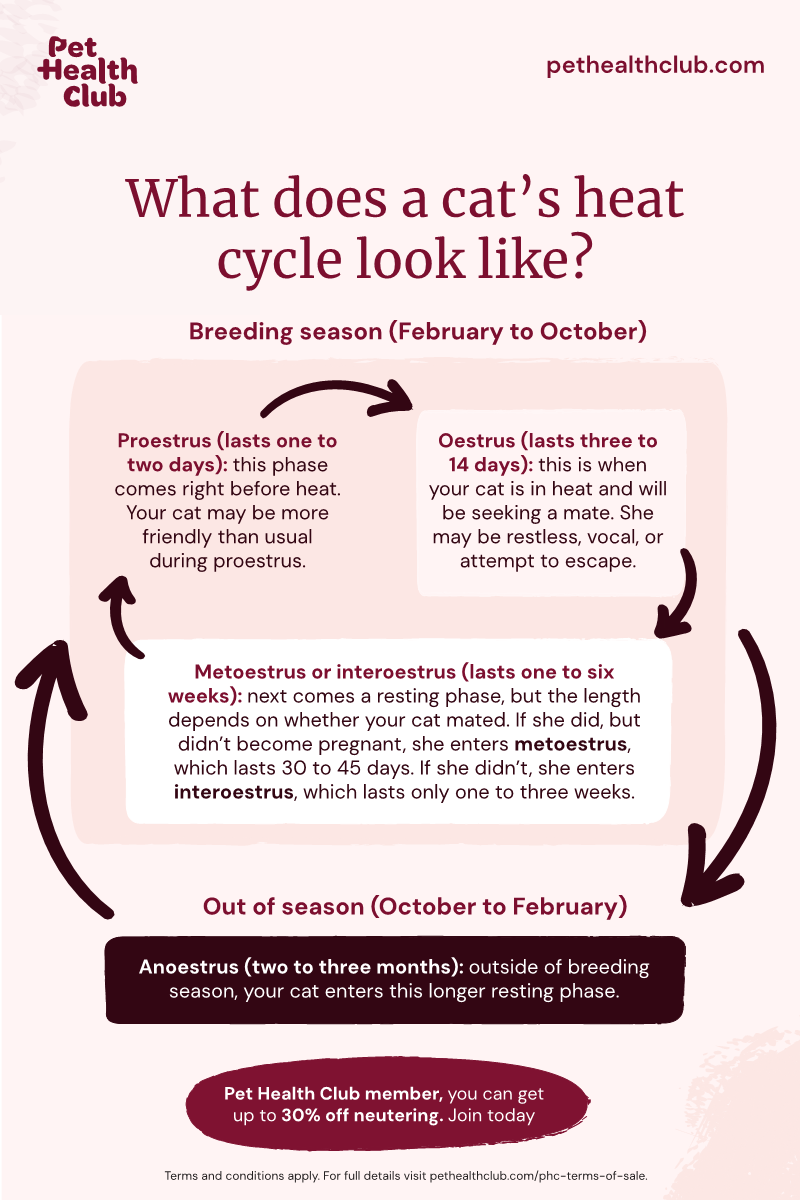
The estrus cycle, also known as the heat cycle, is the phase when a female cat is receptive to mating. This cycle is influenced by the length of daylight, which is why cats often go into heat in spring and summer. During this time, a cat’s body prepares for potential pregnancy, even if she doesn’t mate. The cycle can last anywhere from a few days to a couple of weeks. If the cat doesn’t mate during this period, the cycle will repeat every two to three weeks until she does. This frequent cycling can be quite demanding for both the cat and her owner.Signs Of Heat In Cats
Recognizing the signs of a cat in heat is crucial. You might notice your cat becoming unusually affectionate, rubbing against furniture, or even you more often. A cat in heat may also vocalize more, with loud and persistent meowing that can be quite startling if you’re not expecting it. Another sign is increased restlessness and a tendency to assume a mating position, with the rear raised and tail to the side. If you notice these behaviors, it’s a clear indication that your cat is in heat. Have you ever wondered how your cat’s behavior changes so dramatically during these times? Paying attention to these signs can help you manage your cat’s needs better, keeping her comfortable and happy.
Credit: www.youtube.com
Myths About Cats Having Periods
Many people believe cats have periods like humans. This idea causes confusion about cat health and behavior. Understanding the truth helps cat owners care better for their pets. Separating myths from facts is important for proper cat care.
Common Misconceptions
- Cats bleed from their vagina during heat cycles.
- Red stains on bedding mean a cat is menstruating.
- Cats have monthly periods like women.
- Spaying a cat stops her from having periods.
These ideas are false. Cats show signs of heat without bleeding. Spotting is rare and usually not red blood. The belief that cats menstruate comes from misunderstanding their reproductive cycle.
Why Cats Don’t Menstruate
Cats are induced ovulators. They release eggs only after mating. Their uterine lining does not shed monthly. Instead, it reabsorbs if pregnancy does not occur.
This means no monthly bleeding like in humans. Cats’ heat cycles cause behavior changes, not bleeding. Understanding this helps avoid worry over normal cat behavior.
What Causes Vaginal Discharge In Cats
Vaginal discharge in cats often raises concerns for pet owners. Understanding what causes this discharge can help you decide when to seek veterinary care and when it’s part of your cat’s natural cycle. Not all discharge is a sign of illness; it varies depending on your cat’s health and reproductive status.
Normal Discharge During Heat
Female cats do not have menstrual periods like humans, but they do go through heat cycles. During heat, you might notice a clear or slightly cloudy vaginal discharge. This discharge is usually minimal and odorless, signaling that your cat is fertile and ready to mate.
Some cats also exhibit increased licking of the genital area during this time. If the discharge is light and your cat seems otherwise healthy and active, this is generally normal. Have you observed your cat’s behavior changing alongside the discharge? That’s a key sign it’s related to her heat cycle.
Infections And Health Issues
Not all vaginal discharge is harmless. Thick, yellow, green, or foul-smelling discharge often indicates an infection or other health problems. Conditions like bacterial infections, urinary tract infections, or even more serious issues such as pyometra (a uterine infection) can cause abnormal discharge.
Pay attention if your cat shows other symptoms like lethargy, loss of appetite, fever, or excessive licking of the area. These signs suggest you should get your cat examined by a vet promptly. Have you ever noticed a sudden change in your cat’s discharge or behavior? That’s often the time to act quickly.
Credit: www.pethealthclub.com
Spaying And Its Effects On Cat Cycles
Spaying is a common surgery for female cats that stops their reproductive cycle. It removes the ovaries and usually the uterus. This operation changes how hormones work in their bodies. Understanding spaying helps explain why cats do not have periods like humans.
How Spaying Changes Hormones
Spaying removes the main sources of estrogen and progesterone. These hormones control the cat’s heat cycle. Without them, the cat does not go into heat anymore. The body stops producing signals for reproduction. This means no more hormonal changes or bleeding linked to the cycle.
The hormonal balance shifts to a steady state. Cats feel calmer and less restless. The changes also reduce behaviors tied to mating, such as yowling and roaming. Spaying creates a lasting hormonal change that stops the natural cycle.
Benefits Of Spaying
- Prevents unwanted litters and helps control pet populations.
- Reduces the risk of certain cancers like ovarian and uterine cancer.
- Eliminates heat cycles, which can be noisy and stressful for cats.
- Decreases the chance of infections in the reproductive organs.
- Promotes longer and healthier life for your cat.
Spaying is a safe and effective way to improve a cat’s health. It also eases care for cat owners. Many vets recommend spaying by six months of age for best results.
When To See A Vet
Knowing when to see a vet can make all the difference in your cat’s health. Cats don’t have periods like humans, but spotting unusual bleeding or other symptoms can signal a problem. Acting quickly may prevent complications and help your furry friend feel better faster.
Signs Of Abnormal Bleeding
Normal spotting in female cats is rare, so any bleeding should catch your attention. Watch for:
- Bright red blood from the vulva
- Bleeding that lasts more than a day or two
- Blood mixed with other discharge or a foul smell
- Bleeding after spaying surgery
If you notice these signs, don’t wait. Bleeding could indicate infections, injuries, or even tumors.
Other Health Concerns
Bleeding might not be the only issue. Your cat could also show:
- Excessive licking of the genital area
- Changes in appetite or energy levels
- Difficulty urinating or frequent trips to the litter box
- Swelling or redness around the genitals
If any of these symptoms appear alongside bleeding, it’s time for a vet visit. Your cat’s behavior often tells you more than you think.
Caring For Your Cat During Heat
Caring for your cat during heat is important for her comfort and health. Female cats go into heat every few weeks if not spayed. This period can cause changes in behavior and physical signs. Understanding these changes helps you support your cat better. Proper care reduces her stress and keeps her safe.
Managing Behavior Changes
Cats in heat often become more vocal and restless. They may rub against furniture or people more frequently. Some cats try to escape outside. Your cat might also show signs of anxiety or clinginess. Patience and calm help during this time. Avoid punishing your cat for these natural behaviors.
- Provide a quiet space for your cat to relax
- Keep doors and windows secure to prevent escape
- Use gentle petting to soothe your cat
- Give extra attention but respect her need for space
Comfort Tips For Cats In Heat
Comforting your cat can ease her heat cycle symptoms. Warmth often helps, so offer a soft blanket or heated bed. Play gentle music or use calming sprays designed for cats. Ensure fresh water and nutritious food are always available. Keeping her litter box clean is also important.
- Place cozy bedding in quiet, warm spots
- Use pheromone diffusers to reduce stress
- Maintain regular feeding schedules
- Offer interactive toys to distract her

Credit: www.youtube.com
Frequently Asked Questions
Do Cats Experience Menstrual Periods Like Humans?
No, cats do not have menstrual periods. Instead, they go through an estrous cycle or heat cycle, which is different from human menstruation.
How Do Cats Show Signs Of Their Reproductive Cycle?
Cats show signs like vocalizing, restlessness, and affectionate behavior during heat. They don’t bleed like humans during this time.
Can Female Cats Bleed During Their Heat Cycle?
Female cats typically do not bleed during their heat cycle. Any bleeding may indicate health issues and should be checked by a vet.
How Long Does A Cat’s Heat Cycle Last?
A cat’s heat cycle usually lasts 7 to 10 days. It can repeat every few weeks during breeding season if not pregnant.
Conclusion
Cats do not have periods like humans do. Instead, they go through heat cycles. During heat, female cats may show behavior changes but no bleeding. Understanding this helps you care for your pet better. Always watch for signs of heat and keep your cat comfortable.
Spaying can prevent heat cycles and health problems. Knowing these facts keeps your cat happy and healthy.
