

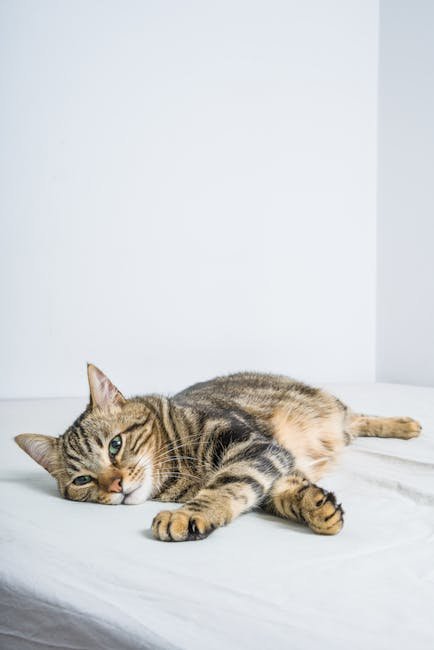
Have you ever seen your cat twitching or making noises while sleeping and wondered, “Do cats get nightmares?” It’s natural to worry when your furry friend looks restless or scared during their nap.
Understanding what goes on in your cat’s mind while they sleep can help you feel more connected and better care for them. You’ll discover the surprising truth about cats and nightmares—and learn what signs to watch for to keep your pet safe and happy.
Keep reading to find out what your cat’s dreams might really mean.
Cat Sleep Cycles
Cats spend a significant part of their day sleeping, but their sleep isn’t uniform. Understanding how their sleep cycles work can shed light on whether they experience nightmares like humans might. By looking closely at the stages of cat sleep, you can better interpret your feline’s nighttime behavior and reactions.
Rem And Non-rem Sleep
Cats, like humans, cycle through two main types of sleep: REM (Rapid Eye Movement) and Non-REM sleep. Non-REM sleep is a deep, restorative phase where the body repairs itself and conserves energy. During this stage, your cat’s breathing and heart rate slow down, and they’re less responsive to the environment.
REM sleep is where most dreaming happens. You might notice your cat’s paws twitching or their whiskers moving during this phase. This is a sign their brain is active, processing memories and experiences from their day. Have you ever caught your cat making little noises or jerking suddenly during sleep? That’s likely REM sleep in action.
How Cats Dream
Dreaming in cats reflects their natural instincts and daily activities. When your cat dreams, they might be chasing prey, exploring new environments, or interacting with other cats—all scenarios they’ve encountered or imagined. This suggests their minds are quite busy even when their bodies are still.
Do you think your cat’s twitching paws are linked to a bad dream or a happy memory? While it’s hard to say for sure, signs of distress during sleep could indicate a nightmare. Watching these subtle signals can help you understand your pet’s emotional state better and know when they might need extra comfort.

Credit: www.youtube.com
Signs Of Nightmares In Cats
Recognizing if your cat is having nightmares can be tricky. Cats often sleep deeply and show a range of behaviors that might confuse you. Watching closely for specific signs can help you understand when your furry friend might be experiencing bad dreams.
Twitching And Vocalizations
Have you noticed your cat’s paws or whiskers twitching during sleep? These small, involuntary movements can indicate they are dreaming—and sometimes those dreams turn into nightmares.
Soft meows, growls, or even sudden yowls while your cat sleeps are other clues. These vocalizations often happen when your cat is reacting to something unpleasant in their dream world.
Pay attention to how frequently these sounds occur. If they happen often, it might be a sign your cat’s sleep is disturbed by nightmares.
Sudden Movements And Restlessness
Does your cat suddenly jerk awake or shift positions abruptly? These sudden movements during sleep can signal distress caused by a nightmare.
Restlessness is another key sign. If your cat tosses and turns or wakes up looking confused or anxious, they might be struggling with a bad dream.
Watching these behaviors can help you decide if your cat needs extra comfort or a calmer environment at night. Have you ever comforted your cat after they woke up suddenly? How did they respond?
Causes Of Nightmares
Understanding the causes of nightmares in cats can help you create a calmer and safer environment for your furry friend. Nightmares are not just random; they often stem from specific triggers that affect your cat’s emotional and mental state. Let’s look closer at some common causes and how they might impact your cat’s sleep.
Stress And Anxiety
Stress and anxiety are major contributors to nightmares in cats. Changes in your cat’s routine, a new pet in the house, or loud noises can create tension and unease.
Have you noticed your cat hiding more or acting restless before bedtime? These signs often point to anxiety, which can disturb their sleep and cause bad dreams.
Reducing stress through gentle play, providing a quiet sleeping area, and maintaining a regular schedule can help ease your cat’s mind and reduce nightmares.
Traumatic Experiences
Traumatic events leave lasting marks on a cat’s psyche, often resurfacing during sleep as nightmares. A past injury, abuse, or sudden fright can trigger these unsettling dreams.
Think about your cat’s history—were there any moments of fear or pain that might still affect them? Addressing trauma with patience and care is essential to help your cat feel secure again.
Consider comforting your cat with familiar scents, soft bedding, or gentle talking to help them feel safe and reduce the chances of nightmares caused by trauma.

Credit: ziggyfamily.com
Effects Of Nightmares On Cats
Nightmares can affect cats just like they do humans. These bad dreams can influence how cats behave and sleep. Understanding these effects helps pet owners care for their cats better. Cats may show changes that indicate they are disturbed by nightmares.
Behavioral Changes
Cats with nightmares may act differently during the day. They might become more anxious or jumpy. Some cats hide more than usual or avoid people. You may notice sudden aggression or irritability. These changes happen because the cat feels stressed or scared.
Sleep Disruption
Nightmares can cause sleep problems in cats. They might wake up suddenly or move a lot while sleeping. Restless sleep makes cats tired and less active. Poor sleep can affect a cat’s mood and health. Sleep disruption can lead to more frequent nightmares, creating a cycle.
Helping Cats With Bad Dreams
Helping your cat through bad dreams can make a big difference in their comfort and well-being. Like humans, cats can experience unsettling dreams that leave them restless or anxious. You have the power to create a safe space where your feline friend feels secure enough to relax and sleep peacefully again.
Creating A Calm Environment
Your cat’s sleeping area plays a huge role in how well they rest. Keep their bed in a quiet corner away from loud noises or bright lights. Soft blankets and familiar scents can help your cat feel grounded and less stressed during the night.
Try to maintain a consistent routine before bedtime. Gentle playtime or light petting can help your cat wind down. Have you noticed how your cat reacts to certain sounds or smells? Use that knowledge to design a space that soothes rather than stimulates.
Comfort And Reassurance
When your cat wakes up from a nightmare, they might seem disoriented or scared. Offering calm reassurance through soft talking or gentle strokes can soothe their nerves. Sometimes, just your presence nearby is enough to help them settle back to sleep.
Watch your cat’s body language closely. If they seem tense, give them space but stay nearby. If they seek comfort, let them cuddle with you or a favorite toy. Have you tried using a calming pheromone diffuser? Many cat owners find it helps reduce anxiety and improve sleep quality.
Feline Sleep Tips
Ensuring your cat enjoys restful sleep can help reduce the chances of bad dreams or nightmares. Paying attention to their sleeping environment and habits makes a big difference. Here are some practical tips to create the best sleep conditions and build a comforting routine for your feline friend.
Optimal Sleep Conditions
Your cat needs a quiet, cozy spot where they feel safe and undisturbed. Avoid areas with loud noises or heavy foot traffic. Soft bedding can provide extra comfort—think plush blankets or cushioned beds.
Temperature matters too. Cats prefer warm spaces, so placing their bed near a sunny window or away from drafts can help. Have you noticed how your cat often seeks out sunny spots? That’s their way of self-regulating comfort.
Lighting also impacts sleep quality. Dim or low light encourages deeper rest, while harsh, bright lights might keep your cat restless. Consider a softly lit room or a shaded nook where they can relax without interruption.
Routine And Comfort
Cats thrive on routine. Feeding, playtime, and sleep schedules help them feel secure and relaxed. Try to keep these activities consistent day to day to prevent stress that could lead to restless nights.
Interactive play before bedtime can tire your cat out both physically and mentally. This helps them settle down faster and sleep more soundly. Have you tried using feather toys or laser pointers in the evening?
Comfort also comes from familiarity. Keep your cat’s favorite toys or blankets nearby to provide reassurance. This small detail often goes unnoticed but can be a game-changer for their peaceful sleep.

Credit: ziggyfamily.com
Frequently Asked Questions
Do Cats Experience Nightmares Like Humans?
Cats do experience nightmares, but their dreams are less complex. Like humans, cats cycle through REM sleep, where dreaming occurs. Nightmares may happen due to stress or trauma, causing twitching or vocalizing during sleep.
How Can I Tell If My Cat Has A Nightmare?
Signs include twitching paws, rapid eye movement, and vocal sounds. Your cat may appear distressed or suddenly wake up. Observing these behaviors suggests your cat might be having a bad dream or nightmare.
Can Nightmares Affect A Cat’s Behavior?
Yes, frequent nightmares can cause anxiety or restlessness in cats. They might become more fearful or avoid certain situations. Providing a calm environment helps reduce stress and minimizes nightmare occurrences.
What Causes Nightmares In Cats?
Stress, anxiety, illness, or traumatic experiences can trigger nightmares. Changes in environment or routine may also contribute. Understanding and addressing these factors can improve your cat’s sleep quality.
Conclusion
Cats can have bad dreams just like people do. These dreams might show in twitching paws or quiet sounds. Watching your cat sleep helps you understand their feelings better. Keep your cat calm and safe to reduce bad dreams. A peaceful place helps cats rest well each night.
Remember, your cat’s sleep matters for their health. Caring for their comfort is always important. Sweet dreams for your furry friend!
