

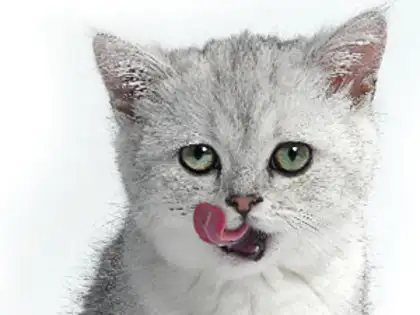
Have you ever noticed your cat making strange little noises or sudden jerks and wondered, “Do cats get hiccups?” It’s a curious question because hiccups are so common in humans, but what about our furry friends? If you’ve seen your kitty twitch or make odd sounds and felt unsure what’s happening, you’re not alone.
Understanding why your cat might get hiccups can help you stay calm and know when to take action. Keep reading to discover the surprising facts about cat hiccups and what they mean for your pet’s health.
Can Cats Get Hiccups?
Cats can get hiccups just like humans do. These small, sudden spasms in the diaphragm cause a quick sound. Usually, hiccups in cats are harmless and go away on their own.
Can cats get hiccups? This question often puzzles cat owners. Cats, like humans, can experience hiccups. These are involuntary contractions of the diaphragm. Hiccups in cats are rare, but they happen. They can be surprising for both the cat and the owner.What Causes Hiccups In Cats?
Cats may hiccup due to eating too fast. When they gulp food, they swallow air. This can lead to hiccups. Stress or excitement can also trigger them. Other causes might include hairballs or digestive issues.Are Hiccups In Cats A Sign Of Health Issues?
Hiccups are usually harmless. But, if they persist, it might be a concern. Continuous hiccups could indicate a respiratory problem. In such cases, consulting a vet is wise. Persistent hiccups might need medical attention.How To Help Your Cat With Hiccups?
You can help reduce hiccups in cats. Feed them smaller portions. Ensure they eat slowly. Special bowls can slow down fast eaters. Keep their stress levels low. A calm environment helps.When To See A Vet For Cat Hiccups?
If your cat’s hiccups last longer than usual, visit a vet. Notice if your cat has difficulty breathing. Any unusual symptoms alongside hiccups need attention. A vet can provide the best advice.Causes Of Hiccups In Cats
Hiccups in cats are uncommon but can happen for several reasons. Understanding what causes hiccups can help you care for your pet better. These little spasms happen because of sudden contractions of the diaphragm muscle. Various factors can trigger these contractions in cats.
Eating Habits
Rapid eating or gulping air while eating can cause hiccups. Cats that eat too fast may swallow extra air, irritating the diaphragm. Overeating or eating too much dry food quickly can also lead to hiccups. Feeding smaller, slower meals often helps reduce this issue.
Respiratory Issues
Respiratory problems can irritate the diaphragm and cause hiccups. Conditions like asthma, infections, or allergies may trigger these spasms. Coughing or sneezing fits might also bring on hiccups in cats. Monitoring breathing patterns is important if hiccups persist.
Nervous System Triggers
The nervous system controls the diaphragm’s movement. Stress or sudden excitement can stimulate nerves, causing hiccups. Certain neurological conditions might affect nerve signals and lead to hiccups. Keeping your cat calm and relaxed can prevent these triggers.
Signs And Symptoms
Noticing hiccups in cats can be surprising if you’ve never seen it before. Understanding the signs and symptoms helps you respond calmly and correctly. Knowing the difference between hiccups and other health issues is essential for your cat’s well-being.
Recognizing Hiccups
Hiccups in cats usually show as brief, repetitive spasms of the diaphragm. You might see your cat suddenly jerk or twitch its body rhythmically. Sometimes, these spasms come with a soft “hic” sound or a quick gulping noise.
These episodes often last only a few minutes and tend to stop on their own. If your cat suddenly pauses while eating or drinking and starts to cough or make strange noises, it could be a hiccup. Have you ever noticed your cat making short, sudden movements without any clear cause?
Distinguishing From Other Conditions
It’s easy to confuse hiccups with coughing, sneezing, or even respiratory issues. Unlike a cough, hiccups have a consistent, rhythmic pattern and don’t usually cause distress. Sneezing is more forceful and often involves nasal discharge, which hiccups don’t cause.
If your cat shows signs like continuous coughing, wheezing, or difficulty breathing, don’t assume it’s just hiccups. These symptoms could indicate infections or allergies that need a vet’s attention. Always watch how long these episodes last and if other symptoms appear before deciding it’s just a harmless hiccup.
Credit: medium.com
When To Worry
Noticing your cat hiccup might seem cute or odd at first, but it’s important to recognize when these hiccups could signal a bigger problem. While occasional hiccups are usually harmless, certain patterns and symptoms need your attention. Understanding when to worry helps you keep your furry friend safe and comfortable.
Persistent Hiccups
If your cat’s hiccups last more than a few minutes or happen frequently throughout the day, it’s time to be cautious. Persistent hiccups can cause discomfort and might interfere with your cat’s normal breathing and eating habits.
Have you seen your cat hiccup repeatedly without stopping? This could indicate irritation or stress in the throat or diaphragm. Don’t ignore hiccups that don’t go away quickly—monitor your cat closely and consider consulting a vet.
Associated Health Problems
Sometimes hiccups are more than just a random twitch; they can be linked to underlying health issues. Conditions like respiratory infections, asthma, or even gastrointestinal problems can trigger hiccups in cats.
Watch for other signs like coughing, difficulty breathing, vomiting, or changes in appetite. These clues help you understand if the hiccups are part of a larger health concern that needs professional care.
Would you want to risk missing an early sign of illness? Early intervention can prevent serious complications and keep your cat feeling their best.
Home Remedies And Care
Caring for a cat with hiccups involves gentle approaches to ease their discomfort. Most hiccups in cats are short-lived and do not need strong treatments. Simple home care can help your cat recover quickly and safely. Knowing safe ways to support your cat and how to prevent hiccups is useful for every pet owner.
Safe Interventions
- Offer small sips of water to soothe the throat.
- Keep your cat calm and avoid sudden movements.
- Use a quiet and comfortable space to help them relax.
- Check their breathing to ensure no distress occurs.
- Avoid forcing food or water if they seem uncomfortable.
- Consult a vet if hiccups last more than a few hours.
Preventive Measures
- Feed your cat smaller meals more often to prevent gulping.
- Ensure fresh water is always available for steady drinking.
- Limit stressful situations that may trigger hiccups.
- Keep your cat’s environment calm and consistent.
- Monitor eating habits to catch any changes early.
- Regular vet check-ups help catch underlying health issues.
Veterinary Treatments
Veterinary treatments for hiccups in cats focus on identifying the root cause and providing relief. Since hiccups in cats are uncommon and usually brief, vets aim to rule out any underlying health issues first. Understanding how professionals diagnose and treat your cat can help you respond effectively if hiccups persist or worsen.
Diagnosis Methods
Veterinarians start by asking detailed questions about your cat’s behavior and any recent changes in diet or environment. They perform a physical exam to check for signs of respiratory or digestive problems. If needed, vets may recommend:
- Chest X-rays to look for lung or diaphragm issues
- Blood tests to check for infections or metabolic disorders
- Endoscopy to inspect the esophagus and stomach
These tests help pinpoint whether hiccups are a symptom of a bigger problem. Have you noticed if your cat’s hiccups happen after eating or playing? Sharing such details can guide the diagnosis.
Medical Options
If hiccups persist due to an underlying condition, vets may suggest specific treatments. For mild cases, simply adjusting your cat’s feeding routine might ease the hiccups. In other cases, medications such as antacids or muscle relaxants can help.
Sometimes, treating respiratory infections or acid reflux resolves the hiccup episodes entirely. Always follow your vet’s advice closely, and never give human medications to your cat without professional guidance. Have you ever tried altering your cat’s routine to stop hiccups? Small changes can make a big difference.
Interesting Cat Hiccup Facts
Cat hiccups might surprise you, but they do happen and come with some curious details. Understanding these small spasms can help you recognize when your feline friend is just having a harmless moment or needs a bit of care. Let’s dive into some intriguing facts about cat hiccups that might change the way you look at this quirky phenomenon.
What Causes Hiccups In Cats?
Hiccups in cats happen due to involuntary spasms of the diaphragm, just like in humans. They often occur after your cat eats too quickly or swallows air while drinking. Have you noticed your cat gulping down food? That’s a common trigger for those sudden hiccups.
How Long Do Cat Hiccups Last?
Usually, cat hiccups last just a few minutes and stop on their own. If you notice your cat hiccupping for more than 15 minutes, it might be a sign of an underlying health issue. Keeping an eye on the duration helps you decide when to consult a vet.
Can Hiccups Affect Your Cat’s Health?
Most cat hiccups are harmless and don’t cause discomfort. However, frequent or prolonged hiccups might indicate respiratory problems or digestive issues. If your cat’s hiccups come with coughing or vomiting, it’s time to get professional advice.
How To Help Your Cat When They Hiccup
Gently massaging your cat’s throat or encouraging slow eating can help stop hiccups. You can also try giving smaller, more frequent meals to prevent gulping air. Have you tried changing your cat’s feeding routine to reduce hiccups?
Are Certain Cats More Prone To Hiccups?
Young kittens seem to hiccup more often than older cats, likely due to their developing bodies. Cats that eat too fast or are very playful during meals also tend to hiccup more. Do you think your cat’s personality might influence how often they hiccup?
Credit: www.petmd.com

Credit: medium.com
Frequently Asked Questions
Do Cats Get Hiccups Like Humans?
Yes, cats can get hiccups, but they are less common than in humans. Hiccups in cats usually happen due to eating too fast or stress. They are generally harmless and short-lived.
What Causes Hiccups In Cats?
Hiccups in cats are often caused by rapid eating, swallowing air, or sudden excitement. Occasionally, respiratory issues or illness can trigger them. If hiccups persist, a vet visit is recommended.
How Long Do Cat Hiccups Last?
Cat hiccups typically last only a few minutes. If they continue beyond 10-15 minutes or occur frequently, it may indicate an underlying health problem needing veterinary attention.
Can Hiccups Harm My Cat?
Hiccups themselves are harmless and usually resolve quickly. However, frequent or prolonged hiccups may signal digestive or respiratory issues. Monitoring your cat and consulting a vet if needed is important.
Conclusion
Cats can get hiccups just like people do. Usually, these hiccups are short and not harmful. They may happen after eating too fast or getting excited. Most of the time, hiccups go away on their own. Watch your cat for signs of discomfort or long hiccup episodes.
If hiccups last too long, a visit to the vet is wise. Understanding this helps you care better for your furry friend. Simple steps can keep your cat happy and healthy. Small hiccups are normal, no need to worry much.
