


Have you ever wondered if cats get groomed the way we do? If you’re a cat owner or simply curious about these mysterious creatures, understanding their grooming habits can change how you care for your furry friend.
Your cat’s grooming isn’t just about looking clean—it affects their health, mood, and even your bond with them. Keep reading to discover surprising facts about your cat’s grooming routine and learn simple tips to keep your pet happy and healthy.

Credit: www.latimes.com
Cat Grooming Basics
Cats are naturally clean animals. Grooming is part of their daily life. It helps them stay healthy and comfortable. Understanding the basics of cat grooming can improve your pet’s well-being. It also strengthens the bond between you and your cat.
Natural Grooming Habits
Cats use their tongue to clean their fur. Their tongue has tiny, rough hooks that remove dirt and loose hair. Grooming helps cats cool down by spreading saliva on their skin. It also reduces stress and calms them. Cats spend about 30 to 50 percent of their day grooming themselves.
Benefits Of Grooming
- Removes dirt and dead hair
- Prevents matting and tangles
- Helps control shedding
- Reduces hairballs by removing loose fur
- Stimulates blood flow to the skin
- Strengthens the bond between cat and owner
Regular grooming keeps cats clean and healthy. It also helps spot skin problems or parasites early. Grooming sessions can be a relaxing time for both cat and owner.
Credit: hellopetsinc.com
Tools For Grooming Cats
Grooming your cat is more than just a routine; it’s a way to keep them healthy and happy. Using the right tools makes a big difference in how effective and enjoyable the grooming session will be for both you and your cat. Having a few essential items on hand helps you manage shedding, dirt, and nail care with ease.
Brushes And Combs
Brushes and combs are your best friends for removing loose fur and preventing mats. Cats with long hair especially benefit from a slicker brush that gently detangles without pulling. Short-haired cats do well with a rubber brush or fine-toothed comb to remove dead hairs and stimulate the skin.
Try different types to see which your cat prefers. Some cats love the gentle scratch of a bristle brush, while others respond better to a metal comb. Regular brushing reduces hairballs and keeps your cat’s coat shiny.
Nail Clippers
Trimming your cat’s nails prevents them from becoming too sharp or growing into the paw pads. Use clippers designed specifically for cats—they are smaller and safer than human nail clippers. A quiet, steady hand helps keep your cat calm during the process.
Be sure to avoid cutting the quick, the pink part inside the nail that contains nerves and blood vessels. If you’re nervous about this, a nail grinder can be a gentler alternative. Would you consider scheduling regular nail trims as part of your cat’s wellness routine?
Grooming Wipes
Grooming wipes are a quick solution for cleaning your cat’s fur and paws between brushings. They help remove dirt, allergens, and loose hair without the stress of a full bath. Look for wipes that are hypoallergenic and free of harsh chemicals.
They’re especially handy after outdoor adventures or if your cat has a tendency to get messy. Keep a pack in your grooming kit for those surprise moments—you might find your cat appreciates the fresh feeling just as much as you do.
How Often To Groom
Grooming is essential to keep cats healthy and comfortable. The frequency depends on their fur type. Regular grooming removes dirt, loose hair, and prevents mats. It also helps spot skin problems early. Knowing how often to groom your cat keeps their coat shiny and skin healthy.
Short-haired Cats
Short-haired cats need less grooming than long-haired ones. Brushing once a week is usually enough. This removes loose fur and reduces hairballs. During shedding seasons, brushing twice a week helps manage extra hair. Short-haired cats often clean themselves well, but grooming supports their natural habits.
Long-haired Cats
Long-haired cats need more frequent grooming to avoid tangles and mats. Daily brushing is ideal for their thick coats. Mats can cause pain and skin issues if left untreated. Regular grooming also reduces hairballs and keeps the coat soft. Pay attention to problem areas like behind ears and under legs.
Bathing Your Cat
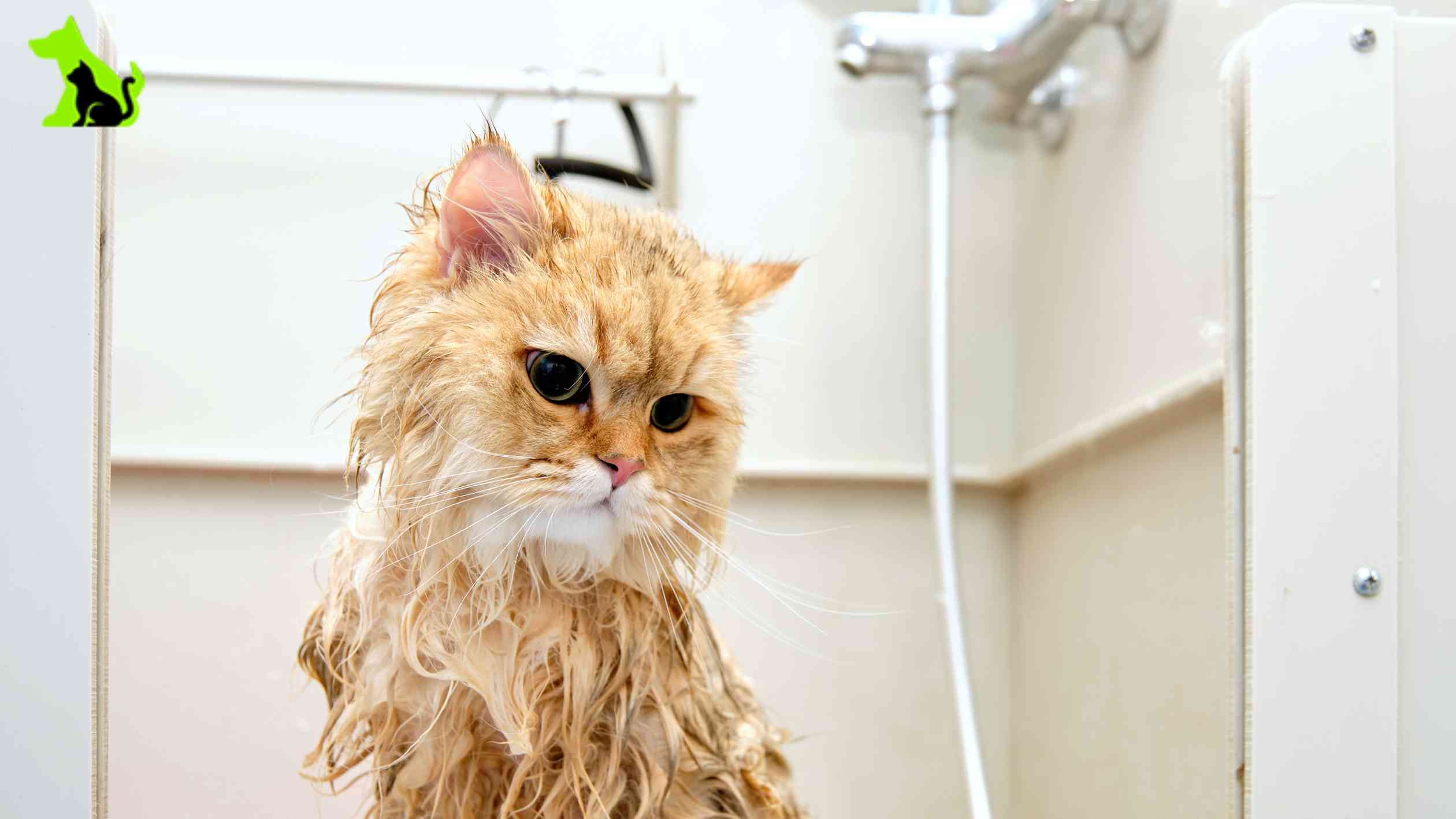
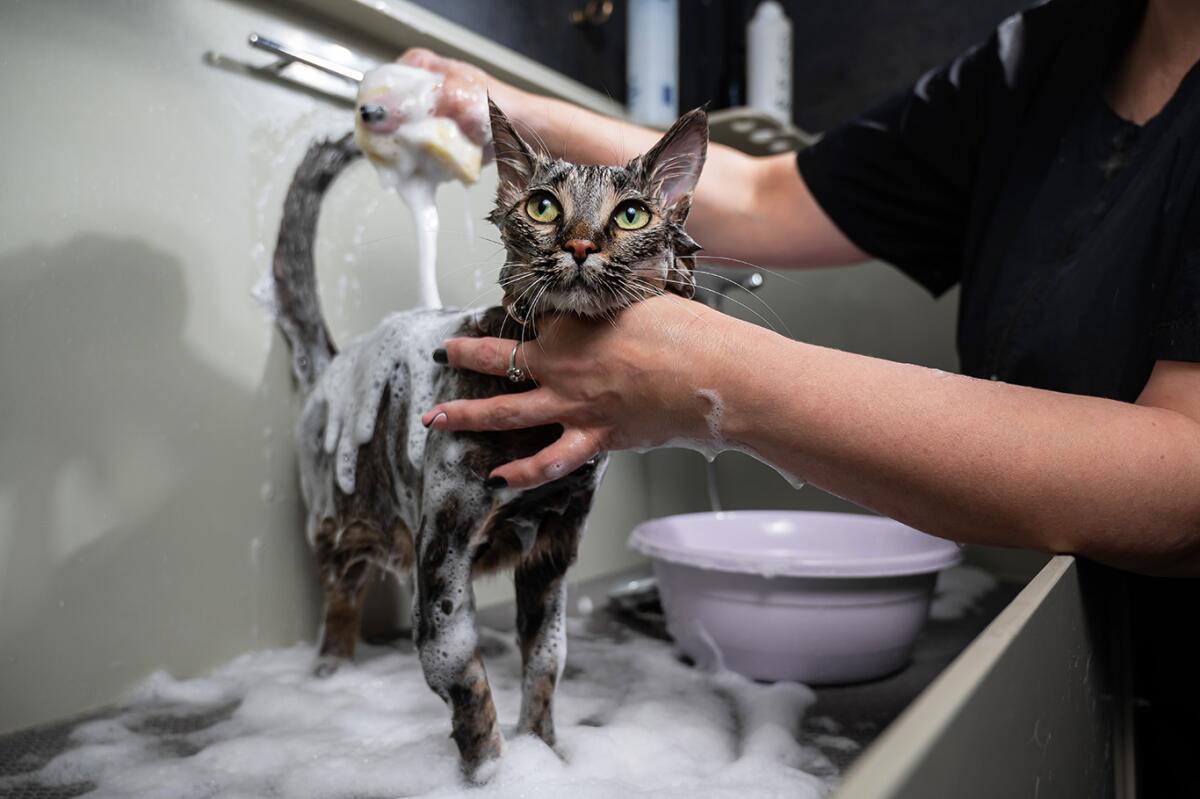
Bathing your cat is not always necessary, but there are times when it becomes important for their hygiene and health. Cats are natural groomers, often keeping themselves clean, but certain situations call for a bath. Understanding when and how to bathe your cat can make the experience less stressful for both of you.
When To Bathe
Not all cats need regular baths. You should consider bathing your cat if they get into something sticky, dirty, or smelly that they cannot clean off themselves.
Older or overweight cats might struggle with grooming certain areas, so occasional baths can help maintain their coat. Also, if your cat has a skin condition that your vet recommends treating with medicated baths, it’s important to follow that advice.
Ask yourself: Is your cat visibly dirty or uncomfortable? If yes, a bath might be necessary. Otherwise, frequent bathing can strip natural oils and cause dry skin.
Bathing Tips
- Prepare Everything First:Gather cat shampoo, a cup for rinsing, and towels before you start. This keeps you focused and your cat calm.
- Use Lukewarm Water:Water that’s too hot or cold can stress your cat. Aim for a comfortable temperature similar to what you’d use for a baby.
- Be Gentle:Speak softly and avoid sudden movements. Your calmness can help your cat feel safe.
- Protect Their Ears and Eyes:Avoid getting water or shampoo in these sensitive areas. Use a damp cloth to clean the face if needed.
- Rinse Thoroughly:Leftover shampoo can irritate skin. Make sure all soap is washed away.
- Dry Quickly:Use a towel to absorb water, and keep your cat warm afterward. Most cats dislike blow dryers, so avoid using them unless your cat is comfortable.
Remember, patience is key. I once bathed my own cat after she rolled in mud; staying calm and positive made the process smoother. How do you think your cat would react to a bath? Preparing with these tips can make a big difference.
Dealing With Hairballs
Cats groom themselves by licking their fur. This helps keep their coat clean and smooth. Sometimes, grooming causes hairballs. Hairballs form when cats swallow loose fur. The fur can gather in their stomach. It may cause discomfort or coughing.
Dealing with hairballs is important for a cat’s health. Understanding why hairballs happen helps prevent them. There are simple ways to reduce hairballs and keep cats comfortable.
Causes Of Hairballs
- Cats lick themselves to clean fur.
- Loose fur gets swallowed during grooming.
- Long-haired cats swallow more fur.
- Dry skin or shedding increases loose fur.
- Excessive grooming due to stress or illness.
Prevention Techniques
- Brush your cat regularly to remove loose fur.
- Offer a balanced diet that supports skin health.
- Provide plenty of water to keep fur soft.
- Use hairball control treats or supplements.
- Encourage play to reduce stress and over-grooming.
Handling Grooming Challenges
Grooming cats can sometimes be a tricky task. Cats often dislike being brushed or handled for grooming. They might scratch or run away. Understanding how to manage these challenges helps keep your cat calm and safe. Patience and gentle care make grooming easier and less stressful for both of you.
Cats That Resist Grooming
Some cats do not enjoy grooming. They may hiss, bite, or try to escape. These behaviors come from fear or discomfort. It helps to start grooming slowly. Begin with short sessions and use a soft brush. Praise your cat with calm words and gentle pets. Let your cat sniff the brush before you start. Avoid force; let your cat adjust at its own pace.
Safety Tips
- Use a sturdy brush with no sharp edges.
- Keep your nails trimmed to avoid scratches.
- Wear long sleeves for extra protection.
- Choose a quiet, calm room for grooming.
- Watch your cat’s body language closely.
- Stop if your cat shows signs of stress or pain.
- Use treats to reward good behavior.
Professional Grooming Services
Professional grooming services offer expert care for cats beyond regular home grooming. These services help maintain a cat’s coat, skin, and overall hygiene. Groomers have the right tools and skills to handle different cat breeds and coat types. They also manage special needs like mats, shedding, and nail trimming safely.
Using professional grooming can reduce stress for cats and owners. Groomers can spot health issues early, such as skin problems or parasites. Regular grooming sessions keep cats comfortable and looking their best. It also supports cats who dislike grooming at home or have long, thick fur.
When To Seek Help
Look for professional grooming if your cat has tangled or matted fur. Long-haired cats often need expert care to prevent painful knots. Seek help if your cat resists home brushing or becomes stressed. Groomers can trim nails safely and clean ears thoroughly.
Professional grooming suits cats with skin conditions needing gentle treatment. If your cat sheds excessively, groomers can remove loose hair efficiently. Older or sick cats benefit from gentle, careful grooming by experts. Regular visits help maintain cleanliness and comfort for your pet.
Choosing A Groomer
Pick a groomer experienced with cats. Check reviews and ask for recommendations. Visit the salon to see cleanliness and how staff handle pets. Ensure groomers use cat-safe products and tools. Ask about their training and experience with different cat breeds.
Look for groomers who create a calm environment. They should be patient and gentle with nervous cats. Confirm availability of services like nail trims, bathing, and ear cleaning. Transparent pricing and clear communication are important. Trust your instincts about the groomer’s care quality.
Credit: www.latimes.com
Frequently Asked Questions
Do Cats Groom Themselves Regularly?
Yes, cats groom themselves several times daily. Grooming keeps their fur clean, removes dirt, and controls shedding. It also helps regulate body temperature and reduces stress.
Why Do Cats Lick Their Fur So Often?
Cats lick their fur to clean and detangle it. This behavior also spreads natural oils, keeping the coat shiny and healthy. Licking can be a calming activity for cats.
Can Cats Groom Each Other?
Yes, cats often groom each other, called allogrooming. It strengthens social bonds and helps reach areas they can’t self-clean. This behavior shows trust and affection between cats.
How Does Grooming Benefit A Cat’s Health?
Grooming removes loose fur and dirt, preventing matting and skin infections. It also stimulates blood flow and helps detect injuries early. Regular grooming supports overall well-being.
Conclusion
Cats naturally keep themselves clean through grooming. They lick their fur to remove dirt and loose hair. This habit helps them stay healthy and comfortable. Sometimes, cats need help from their owners for extra grooming. Brushing a cat regularly can prevent mats and hairballs.
Watching your cat’s grooming habits can show its health status. A well-groomed cat is usually a happy cat. Taking time to care for your cat’s coat strengthens your bond. Simple grooming routines make a big difference in your cat’s life.
