

Are you worried about your cat’s health and wondering if they can get distemper? It’s a question many cat owners ask but don’t always get clear answers to.
Understanding this disease can help you protect your furry friend from serious illness. You’ll discover what distemper really is, whether it affects cats, and what signs to watch for. Keep reading to learn how to keep your cat safe and healthy.
What Is Feline Distemper?
Feline distemper is a serious illness that every cat owner should know about. It’s a viral disease that affects cats, often leading to severe health problems if not treated promptly. Understanding what feline distemper is can help you protect your furry friend and recognize the symptoms early.
What Causes Feline Distemper?
Feline distemper, also called feline panleukopenia, is caused by a highly contagious virus known as the feline parvovirus. This virus attacks a cat’s immune system and rapidly dividing cells, such as those in the intestines and bone marrow.
Because of its aggressive nature, the virus spreads quickly among cats, especially in places where many cats live close together, like shelters or multi-cat households.
Who Can Get Feline Distemper?
Any cat can catch feline distemper, but kittens and unvaccinated cats are at the greatest risk. Their weaker immune systems make it harder to fight off the infection.
Even healthy adult cats can become infected if exposed to the virus, which can survive in the environment for months. This means your cat could catch it from contaminated bedding, food bowls, or even your shoes.
How Does Feline Distemper Affect Your Cat?
The virus mainly targets the digestive system and bone marrow, leading to a drastic drop in white blood cells. This weakens your cat’s defenses against other infections.
Symptoms often include vomiting, diarrhea, loss of appetite, and lethargy. If you notice these signs, it’s crucial to act quickly and seek veterinary care.
Can Humans Or Other Animals Catch Feline Distemper?
Feline distemper is specific to cats, so humans and other pets, like dogs, cannot catch it. However, dogs can get a similar disease called canine parvovirus, which is different but equally serious.
Still, you should be cautious about cross-contamination between your pets by keeping their items separate and maintaining good hygiene.
Causes Of Feline Distemper
Feline distemper, also known as feline panleukopenia, is a serious viral disease that affects cats of all ages. Understanding its causes is crucial for protecting your furry friend. Knowing how this virus spreads can help you prevent an infection before it starts.
What Causes Feline Distemper?
The disease is caused by the feline parvovirus, a highly contagious virus that targets rapidly dividing cells in a cat’s body. This virus attacks the bone marrow and intestines, leading to severe illness. It is incredibly resilient and can survive in the environment for months, making it easy for cats to pick up the infection.
How Does The Virus Spread?
The feline parvovirus spreads primarily through direct contact with an infected cat or its bodily fluids. This includes saliva, urine, feces, and even vomit. You might be surprised to learn that the virus can also be transmitted indirectly through contaminated objects like food bowls, litter boxes, or bedding.
Who Is At Risk Of Getting Feline Distemper?
Kittens and unvaccinated cats face the highest risk. Their immune systems are not fully developed, so the virus can hit harder. Even outdoor cats that roam freely or visit communal areas like shelters and catteries face greater exposure.
Can Humans Or Other Pets Catch Feline Distemper?
Fortunately, feline distemper does not infect humans or dogs. However, other cats in your household are vulnerable if one gets infected. This raises an important question: Are you taking enough precautions to protect all your cats from this silent threat?
Symptoms Of Distemper In Cats
Distemper is a serious disease that affects many animals, but cats can show specific signs if they catch it. Recognizing symptoms early can help save your cat’s life. Watching your cat closely for any unusual behavior or health changes is important. Symptoms can start mild and then get worse quickly.
Early Signs To Watch For
- Fever and low energy
- Loss of appetite
- Runny nose and eyes
- Coughing or sneezing
- Diarrhea or vomiting
- Swollen lymph nodes
- Unusual hiding or quiet behavior
These early signs may seem like a common cold. But they can develop into more serious problems. Acting fast is key.
Advanced Symptoms
- Severe breathing difficulties
- Muscle twitching or seizures
- Weight loss and dehydration
- Yellow gums or eyes
- Difficulty walking or paralysis
- Severe eye inflammation
- Persistent vomiting and diarrhea
Advanced symptoms show the disease has worsened. Immediate veterinary care is crucial to help your cat survive.
How Distemper Spreads Among Cats
Understanding how distemper spreads among cats is crucial if you want to protect your furry friend. This disease can move quickly through a group of cats, especially in close quarters. Knowing the ways it transmits helps you spot risks and act fast.
Transmission Methods
Distemper mainly spreads through direct contact with an infected cat’s bodily fluids. Sneezing, coughing, or even sharing food and water bowls can pass the virus along. You might not notice the signs right away, but your cat could already be contagious.
Contaminated surfaces like bedding, toys, and litter boxes also carry the virus. If your cat interacts with these items, they can pick up the infection without even meeting another sick cat. This makes hygiene and regular cleaning essential in multi-cat homes.
Environmental Factors
Places where many cats gather, like shelters or boarding facilities, increase the chance of distemper spreading. Crowded conditions make it hard to keep sick cats away from healthy ones. Have you ever wondered how a simple visit to the vet or groomer could expose your cat to risks?
Temperature and humidity also play roles. The virus survives longer in cool, damp environments, meaning outdoor cats in certain climates face different risks. Keeping your cat indoors during outbreaks can reduce exposure to contaminated environments.
Diagnosing Feline Distemper
Diagnosing feline distemper involves careful observation and specific tests. Symptoms often resemble other illnesses, which makes diagnosis tricky. Early detection is vital for effective treatment and care. Vets use a combination of clinical signs and lab tests to confirm the disease.
Veterinary Tests
Veterinarians perform blood tests to check for infection signs. These tests reveal changes in white blood cell counts. A low white blood cell count can indicate feline distemper. Stool samples may be tested for the virus’s presence. Sometimes, a PCR test is used to detect viral DNA. These tests help confirm the infection quickly and accurately.
Differential Diagnosis
Many diseases show similar symptoms to feline distemper. Vets rule out other conditions to avoid misdiagnosis. Common illnesses considered include:
- Feline leukemia virus (FeLV)
- Feline immunodeficiency virus (FIV)
- Parasitic infections
- Bacterial infections
- Other viral infections
Careful evaluation of symptoms and test results guides the correct diagnosis. This ensures the cat receives proper treatment without delay.
Credit: pethelpful.com
Treatment Options For Distemper
When your cat is diagnosed with distemper, understanding the treatment options can help you act quickly and effectively. Treatment focuses on managing symptoms and supporting your cat’s immune system while it battles the infection. Knowing what medical interventions and supportive care entail can make a significant difference in your pet’s recovery journey.
Medical Interventions
There is no direct cure for distemper, so medical care aims to control symptoms and prevent secondary infections. Veterinarians often prescribe antibiotics to tackle bacterial infections that can worsen your cat’s condition.
Seizures or neurological symptoms may require anticonvulsant medications. Fluid therapy is commonly used to prevent dehydration, especially if your cat is vomiting or not eating.
Have you ever seen a cat respond quickly to these treatments? Many cat owners notice improvement when the vet adjusts medications based on their pet’s changing symptoms. Staying in close contact with your vet is crucial during this phase.
Supportive Care
Supporting your cat’s overall well-being is just as important as medical treatment. Providing a warm, quiet space helps reduce stress, which can boost your cat’s immune response.
Nutrition plays a key role—if your cat refuses food, try tempting them with small, frequent meals or special treats recommended by your vet. Hydration is essential; offering water or electrolyte solutions can keep your cat stable.
Grooming might seem minor, but keeping your cat clean reduces the risk of skin infections. How much time can you dedicate daily to care for your sick cat? Your attention can speed up recovery and improve comfort.
Preventing Distemper In Cats
Preventing distemper in cats requires a focused approach that combines medical care and daily habits. This disease can be severe, but with the right steps, you can keep your feline friend safe and healthy. What simple changes can you make today to protect your cat from this threat?
Vaccination Importance
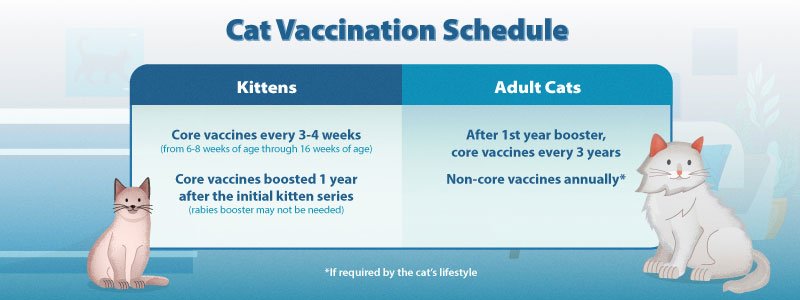
Vaccination is the most effective way to protect your cat from distemper. These vaccines stimulate your cat’s immune system to fight the virus before it causes harm.
Talk to your vet about the appropriate vaccine schedule. Kittens need a series of shots, while adult cats require boosters to maintain immunity.
Skipping vaccines can leave your cat vulnerable. Think about the risks of not vaccinating compared to the peace of mind vaccination offers.
Hygiene And Isolation Practices
Maintaining a clean environment reduces the chance of infection. Regularly clean your cat’s bedding, litter box, and feeding areas with pet-safe disinfectants.
If your cat shows signs of illness, isolate them from other pets immediately. This limits the spread of any contagious diseases, including distemper.
Visitors and other animals can carry viruses. Consider controlling who interacts with your cat, especially if they go outdoors or meet other animals.

Credit: x.com
Myths And Facts About Feline Distemper
Feline distemper is a serious illness affecting cats, but many myths confuse pet owners. Separating myths from facts helps protect your cat properly. This section clears up common misunderstandings about this disease.
Can Cats Get Distemper?
Cats cannot get distemper like dogs do. The disease called distemper affects dogs, not cats. Cats have a similar illness called panleukopenia, often called feline distemper. It is caused by a different virus that only infects cats.
Is Feline Distemper Contagious To Humans?
Feline distemper does not spread to humans. The virus only affects cats and some wild animals. Humans cannot catch or spread this disease. This makes it safe to be around sick cats, but always wash hands after contact.
Does Vaccination Fully Prevent Feline Distemper?
Vaccines greatly reduce the risk of infection. They do not offer 100% protection. Vaccinated cats can still get sick but usually have milder symptoms. Vaccination remains the best defense against feline distemper.
Is Feline Distemper Always Fatal?
Feline distemper can be deadly, but not always. Early treatment improves chances of survival. Some cats recover fully with proper care. Prompt veterinary help is essential for a better outcome.
Can Indoor Cats Avoid Feline Distemper?
Indoor cats have less risk but are not immune. The virus can enter through humans, other pets, or contaminated objects. Keeping vaccinations current and good hygiene helps protect indoor cats.
Living With A Cat Recovering From Distemper
Living with a cat recovering from distemper requires patience and careful attention. This illness can take a toll on your furry friend’s energy and appetite, so your support plays a huge role in their healing journey. Small, consistent actions at home can make a big difference in helping your cat regain strength and confidence.
Home Care Tips
Make a quiet, comfortable space for your cat to rest away from noise and other pets. Soft bedding and easy access to food, water, and the litter box will encourage them to stay calm and relaxed.
Offer food in small, frequent meals to help with appetite issues. Warming the food slightly can make it more appealing, especially if your cat is feeling weak.
Keep their environment clean and disinfected to prevent secondary infections. Use gentle cleaning products safe for pets to avoid irritation.
Hydration is key. If your cat isn’t drinking enough water, try offering ice cubes or broth to entice them.
Monitoring Progress
Track your cat’s behavior, appetite, and bathroom habits daily. Any sudden changes, like increased lethargy or refusal to eat, should prompt a quick call to your vet.
Keep a journal or use a simple checklist to note improvements or setbacks. This helps you stay organized and provides valuable information for your veterinarian during follow-up visits.
Watch for signs of pain or discomfort, such as hiding or aggression, and report these immediately. Your cat’s mood can tell you a lot about their recovery status.
Have you noticed how small wins, like your cat purring or playing gently, can boost your motivation to keep caring for them? Celebrate those moments—they matter more than you might think.

Credit: petcube.com
Frequently Asked Questions
Do Cats Get Distemper Disease?
No, cats do not get distemper. Distemper is a viral disease affecting dogs and some wildlife, not cats. Cats can get a similar but different disease called feline panleukopenia, caused by the feline parvovirus.
What Is Feline Distemper And Symptoms?
Feline distemper, or panleukopenia, is a severe viral infection in cats. Symptoms include fever, vomiting, diarrhea, and loss of appetite. It affects the cat’s immune system and is highly contagious, requiring urgent veterinary care.
How Is Feline Distemper Diagnosed?
Veterinarians diagnose feline distemper through clinical signs and blood tests. They look for low white blood cell counts and detect the virus in feces. Early diagnosis is critical for effective treatment and better outcomes.
Can Feline Distemper Be Prevented?
Yes, feline distemper can be prevented with vaccination. Vaccines are safe and highly effective. Keeping cats indoors and maintaining good hygiene also reduces infection risk. Regular vet check-ups ensure timely vaccinations.
Conclusion
Cats do not get distemper, but they can catch similar viruses. Keeping your cat healthy means regular vet visits and vaccines. Watch for signs of illness and act quickly if needed. Clean living spaces help stop the spread of infections.
Understanding your cat’s health keeps them safe and happy. Always ask your vet if you have questions or concerns. Healthy cats mean happy homes. Simple care makes a big difference. Stay informed and protect your furry friend every day.
