

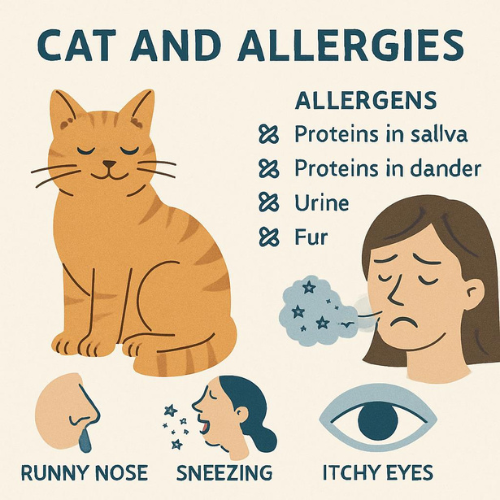
Have you ever noticed your cat scratching more than usual or sneezing without a clear reason? You might be wondering, do cats get allergies just like humans do?
Understanding your furry friend’s health is important to keep them happy and comfortable. You’ll discover the signs of allergies in cats, what triggers them, and simple ways you can help your pet feel better. Keep reading to learn how to spot allergies early and protect your beloved companion from unnecessary discomfort.
Common Allergies In Cats
Cats can suffer from allergies too, caused by pollen, food, or fleas. Symptoms include itching, sneezing, and skin problems. Identifying triggers helps keep cats comfortable and healthy.
Cats, like humans, can suffer from allergies. These allergies can cause discomfort and health issues. Understanding common allergies in cats helps in managing their symptoms. Let’s explore some typical allergies affecting our feline friends.Food Allergies
Some cats react to specific foods. Common culprits include beef, chicken, and dairy. Symptoms often show on the skin. Cats might also have digestive problems. Vomiting and diarrhea are typical signs. If your cat shows these symptoms, consult a vet.Environmental Allergies
Cats can be allergic to things in their environment. Pollen, dust, and mold are frequent allergens. These allergies often cause sneezing and itchy skin. Keep your home clean to reduce allergens. Air purifiers might help too. Regular vet check-ups are essential.Flea Allergy Dermatitis
Flea bites can trigger severe reactions in cats. Just one bite can cause intense itching. Cats might scratch excessively, causing skin damage. Flea control is crucial for these cats. Use vet-recommended flea treatments regularly. It prevents infestations and reduces allergy symptoms.
Credit: www.drserenapetvet.com
Signs Of Allergies In Cats
Cats can develop allergies just like humans. These allergies show up in different ways. Recognizing the signs early helps your cat get the right care. Watch closely for changes in skin, breathing, or behavior. These clues reveal if your cat might be allergic.
Skin Irritations
Itchy, red, or swollen skin often signals allergies. Cats may scratch or bite their fur more than usual. Hair loss or bald patches can appear from constant scratching. Look for scabs, bumps, or flaky skin too. These irritations often happen on the face, ears, belly, or paws.
Respiratory Symptoms
Cats with allergies may sneeze frequently or cough. You might notice watery eyes or a runny nose. Breathing can sound wheezy or noisy at times. Some cats breathe faster or seem short of breath. These symptoms mean their airways may be irritated by allergens.
Behavioral Changes
Allergies can make cats restless or irritable. Your cat may hide more or avoid playing. Eating habits might change, with less interest in food. Excessive grooming or licking in one spot is common. These behaviors can show discomfort or stress from allergies.
Causes And Triggers
Cats can develop allergies just like humans. Understanding what causes these allergies helps in managing them better. Causes and triggers vary widely and affect cats differently. Some cats react to certain substances in their environment or food. Others may have allergies due to inherited traits. Seasonal changes can also play a role in triggering symptoms.
Common Allergens
Common allergens include:
- Dust mites
- Pollen from trees, grass, and weeds
- Mold spores
- Certain foods like fish, beef, or dairy
- Flea saliva from flea bites
Exposure to these allergens causes immune system reactions. Cats may itch, sneeze, or develop skin problems.
Genetic Factors
Genetics play a big role in allergies. Some cat breeds inherit a higher chance of allergies. These breeds include Siamese, Burmese, and Devon Rex. If a cat’s parents have allergies, the kitten may get them too. Genetic factors influence how a cat’s immune system responds to allergens.
Seasonal Influences
Season changes affect allergy symptoms in cats. Pollen levels rise in spring and fall. Mold and dust can increase during wet or windy weather. Cats may show more signs of allergies during these times. Seasonal allergies often cause sneezing, coughing, and itchy skin.
Diagnosis Methods
Identifying allergies in cats requires careful observation and specific tests. The diagnosis process helps find the exact cause of the allergic reactions. Accurate diagnosis is crucial for effective treatment and better quality of life for your cat.
Veterinary Exams
A thorough veterinary exam is the first step. The vet checks your cat’s skin, eyes, ears, and overall health. They ask about symptoms, diet, and environment. This exam helps rule out other diseases that mimic allergies. It also guides further testing.
Allergy Testing
Allergy testing finds specific allergens triggering the reaction. Two main types exist:
- Skin testing:Small amounts of allergens are placed on the skin.
- Blood testing:Measures antibodies related to allergies.
Both tests help identify pollen, dust mites, or mold as causes. Testing provides clear results for targeted treatments.
Elimination Diets
Food allergies need special attention. Elimination diets remove common allergens from the cat’s food. Cats eat a simple diet with limited ingredients for weeks. If symptoms improve, old foods are slowly reintroduced. This process identifies problematic ingredients causing allergies.
Treatment Options
Treating allergies in cats requires a careful approach to ease their discomfort. Different treatment options help manage symptoms and improve their quality of life. Understanding these options can guide you in caring for your feline friend effectively.
Medications
Veterinarians often prescribe medications to reduce allergic reactions. Antihistamines help control itching and swelling. Steroids may be used for severe inflammation but only for short periods. Sometimes, immunotherapy is recommended to build tolerance to allergens. Always follow the vet’s advice for safe medication use.
Diet Management
Food allergies are common in cats. Special diets with limited ingredients can identify and avoid allergens. Hypoallergenic cat food contains novel proteins and carbohydrates. Homemade diets might be necessary under vet supervision. Consistency is key for diet changes to see real results.
Environmental Control
Reducing allergens in your cat’s environment is crucial. Regular cleaning removes dust, pollen, and mold. Use air purifiers to improve air quality indoors. Keep your cat away from strong fragrances and smoke. Managing the environment helps minimize allergic triggers daily.

Credit: bowwowinsurance.com.au
Preventing Allergic Reactions
Preventing allergic reactions in cats is essential to keep your furry friend comfortable and healthy. Allergies can cause itching, redness, and even more serious health issues if left unmanaged. Taking proactive steps can reduce your cat’s exposure to allergens and minimize symptoms.
Regular Grooming
Brushing your cat regularly helps remove allergens like pollen and dust from their fur. It also reduces shedding, which can spread irritants around your home. You might notice less scratching once your cat’s coat stays clean and free of irritants.
Bathing your cat occasionally with a gentle shampoo can further clear allergens. Just be sure to use products made specifically for cats to avoid skin irritation. Have you tried grooming your cat more often? You might be surprised at the difference it makes.
Flea Prevention
Fleas are a common cause of allergic reactions in cats. Even a single flea bite can trigger intense itching and discomfort. Using veterinarian-recommended flea preventatives regularly keeps these pests away.
Check your cat’s fur and bedding for signs of fleas, especially during warmer months. Flea collars, topical treatments, or oral medications can all help protect your cat. What flea prevention routine works best for your household?
Home Environment Tips
Keeping your home clean can reduce allergens that affect your cat. Vacuum frequently with a pet-friendly vacuum to remove dust, dander, and pollen from carpets and furniture.
Consider using air purifiers to lower airborne allergens. Also, washing your cat’s bedding weekly in hot water will help eliminate irritants. What small changes can you make today to create a safer space for your cat?
When To See A Vet
Knowing when to take your cat to the vet can make a huge difference in managing allergies effectively. Some symptoms demand immediate attention, while others may require ongoing care. Understanding these signs helps you act swiftly and keep your furry friend comfortable.
Emergency Symptoms
Watch out for sudden swelling of the face, lips, or throat. This can cause breathing difficulties and needs urgent veterinary care. If your cat is struggling to breathe, gasping, or appears weak and lethargic, don’t wait—head to the emergency vet immediately.
Severe vomiting or diarrhea can also signal a dangerous allergic reaction. These symptoms can quickly lead to dehydration, especially in kittens or older cats. Keep an eye on how often these occur and seek emergency help if they worsen rapidly.
Chronic Issues
If your cat constantly scratches, licks, or bites at certain spots, it may be a sign of ongoing allergies. Persistent redness, hair loss, or scabs should prompt a vet visit. These symptoms often indicate skin allergies, flea sensitivity, or food intolerance that need professional diagnosis.
Recurring ear infections or sneezing fits are other signs to watch. Sometimes, these symptoms get ignored because they seem minor, but they can seriously affect your cat’s quality of life. Ask your vet about allergy testing or special diets to find the root cause.
Follow-up Care
After your vet identifies the allergy triggers, consistent follow-up care is key. This might include medication, changes in diet, or environmental adjustments. Keep a diary of your cat’s symptoms and any treatments to discuss during follow-up visits.
Regular check-ups help track progress and adjust treatments as needed. Your vet may also recommend allergy shots or prescription shampoos. Staying proactive ensures your cat stays comfortable and prevents flare-ups before they become severe.

Credit: www.holistapet.com
Frequently Asked Questions
Can Cats Develop Allergies Like Humans?
Yes, cats can develop allergies to food, pollen, dust, and flea bites. Symptoms include itching, sneezing, and skin irritation.
What Are Common Allergy Symptoms In Cats?
Common symptoms include itching, redness, hair loss, sneezing, watery eyes, and coughing. Severe cases may cause ear infections or vomiting.
How Do Vets Diagnose Cat Allergies?
Vets use physical exams, skin tests, or blood tests to identify allergens. They may also recommend an elimination diet for food allergies.
Can Cat Allergies Be Treated Or Managed?
Yes, treatments include antihistamines, steroids, allergy shots, and special diets. Avoiding allergens and regular flea control also help manage symptoms.
Conclusion
Cats can suffer from allergies just like people do. Allergies may cause itching, sneezing, or skin problems in cats. Spotting allergy signs early helps keep your pet healthy. A vet can suggest treatments to ease your cat’s discomfort. Paying attention to your cat’s behavior is important.
Clean living spaces and good food reduce allergy risks. Taking care of allergies makes your cat happier and healthier. Keep learning about your cat’s needs for the best care.
