

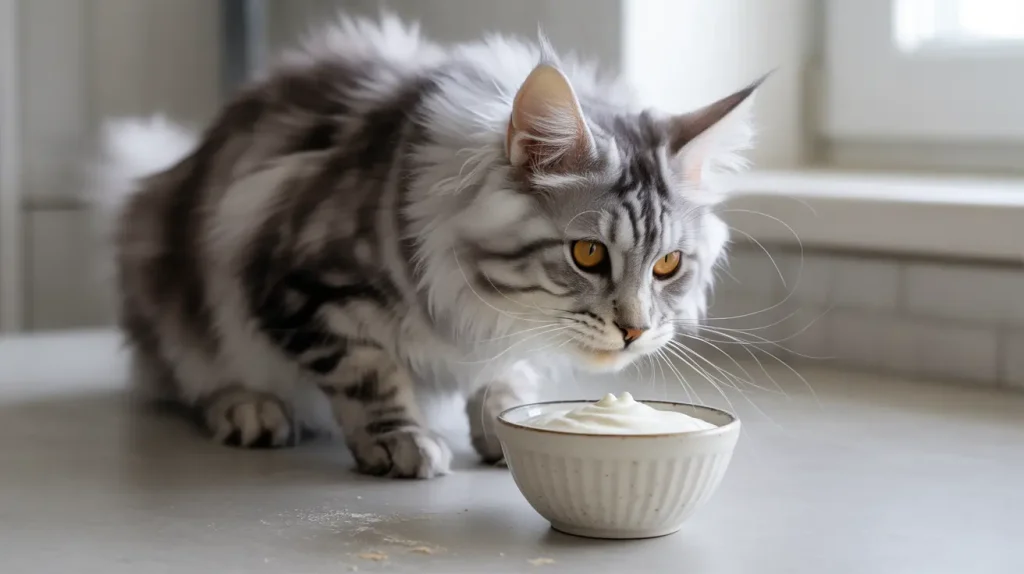
Have you ever caught your cat eyeing your yogurt cup and wondered, “Can my furry friend actually eat this?” It’s a common question for many cat owners who want to share a tasty treat but worry about their pet’s health. You might be surprised to learn what yogurt can do for your cat—and what risks it might bring.
Keep reading to discover whether yogurt is a safe snack for your cat, how it affects their digestion, and the best ways to introduce it if you decide to try. Your cat’s health and happiness could depend on knowing the facts!
Cats And Dairy
Cats can eat small amounts of plain yogurt, but many are lactose intolerant. Yogurt may cause upset stomach or diarrhea in sensitive cats. Always offer yogurt in moderation and watch for any reactions.
Cats and Dairy Cats and dairy often appear in the same sentence, conjuring images of felines lapping up bowls of milk. It’s a common belief that dairy products are a treat for cats, but is this a myth or reality? Understanding the relationship between cats and dairy can help you make informed choices for your pet’s diet.Natural Diet Of Cats
Cats are obligate carnivores, meaning their diet in the wild primarily consists of meat. Their digestive systems are uniquely adapted to process proteins and fats from animal sources. Dairy products, like yogurt, aren’t naturally part of a cat’s diet, and their ability to digest lactose decreases as they mature. This doesn’t mean cats can’t enjoy a small taste of yogurt now and then. Some cats might tolerate it better than others, but it’s essential to ensure it doesn’t replace their regular meals.Common Myths About Cats And Milk
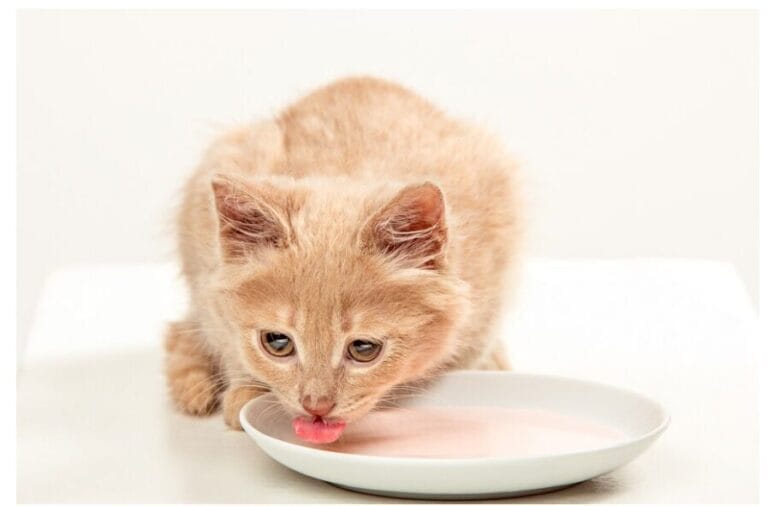
The idea that cats love milk is deeply rooted in popular culture. However, most adult cats are lactose intolerant. Milk can cause digestive issues like diarrhea and stomach upset. Even though kittens drink their mother’s milk, this doesn’t mean cow’s milk or other dairy products are suitable for them. If you’re tempted to treat your cat with milk or yogurt, consider lactose-free options or specially formulated cat treats. Would you risk your cat’s health for the sake of a stereotype?
Credit: petsfoodhub.com
Yogurt Composition
Understanding yogurt’s composition helps decide if cats can eat it safely. Yogurt is a dairy product made by fermenting milk with bacteria. This process changes the milk’s texture and adds unique nutrients. Many people enjoy yogurt for its creamy taste and health benefits.
Cats are carnivores. Their digestive systems differ from humans. Knowing what is inside yogurt is important before offering it to cats.
Ingredients In Yogurt
Yogurt mainly contains:
- Milk: Usually cow’s milk, rich in proteins and fats
- Live bacteria cultures: These create fermentation and sour taste
- Sometimes added sweeteners or flavors: Sugar, fruit, or vanilla
- Thickeners or stabilizers: Gelatin or pectin in some brands
Plain yogurt has fewer additives and is better for cats. Flavored yogurts may contain harmful sugars or artificial ingredients.
Probiotics And Nutrients
Probiotics are good bacteria in yogurt. They help balance the gut flora and improve digestion. Cats might benefit from probiotics, but their needs differ from humans.
Yogurt also provides:
- Calcium: Supports bone health
- Protein: Important for muscle maintenance
- Vitamins B2 and B12: Aid energy and brain function
- Fat: Gives energy but can be high in some yogurts
Many cats are lactose intolerant. They may have trouble digesting lactose in yogurt. Small amounts of plain yogurt might be okay for some cats. Always watch for any signs of upset stomach.
Can Cats Eat Yogurt?
Wondering if you can share your creamy yogurt snack with your curious cat? Many cat owners have asked themselves, “Can cats eat yogurt?” The answer isn’t as simple as a yes or no. It depends on your cat’s digestive system and the type of yogurt you offer.
Lactose Intolerance In Cats
Most adult cats are lactose intolerant, meaning their bodies don’t produce enough lactase, the enzyme needed to digest lactose found in dairy products. Feeding your cat regular yogurt can lead to upset stomach, diarrhea, or gas.
Have you noticed your cat avoiding milk or dairy treats? That’s a common sign of lactose intolerance. Even if your cat seems fine after a small taste, repeated exposure can cause digestive issues over time.
Safe Yogurt Types For Cats
If you want to treat your cat with yogurt, choose plain, unsweetened, and unflavored varieties. Greek yogurt is a good option because it has less lactose due to the straining process.
- Look for yogurts labeled “lactose-free” or “low lactose.”
- Make sure there are no artificial sweeteners like xylitol, which are toxic to cats.
- Organic or probiotic-rich yogurts can support your cat’s digestion in small amounts.
Always introduce yogurt slowly and observe your cat’s reaction. Have you tried giving your cat a tiny spoonful of plain Greek yogurt? Many cats enjoy the creamy texture, but you’ll want to be cautious with quantity.
Benefits Of Yogurt For Cats
Yogurt can be a healthy treat for cats when given in small amounts. It contains nutrients that support their overall health. Many cat owners wonder about the benefits of yogurt for their pets. Understanding these benefits helps in making informed choices about your cat’s diet.
Improved Digestion
Yogurt contains probiotics that help balance good bacteria in the gut. These bacteria aid digestion and reduce stomach issues. Cats with sensitive stomachs may find relief from diarrhea or constipation. Probiotics also help break down food more efficiently. This leads to better nutrient absorption and a healthier digestive system.
Boosted Immunity
The probiotics in yogurt also strengthen a cat’s immune system. A strong immune system helps fight off infections and illnesses. Yogurt provides essential vitamins and minerals that support immune health. Feeding small amounts can help maintain your cat’s natural defenses. This makes them less prone to sickness and promotes long-term wellness.
Risks Of Feeding Yogurt
Feeding yogurt to your cat might seem like a harmless treat, but it’s important to be aware of the possible risks involved. Not all cats handle dairy products well, and introducing yogurt without caution can lead to unwanted health issues. Understanding these risks helps you make better choices for your pet’s diet and wellbeing.
Allergic Reactions
Some cats can have allergic reactions to ingredients in yogurt. These reactions might include itching, swelling, or skin redness. If your cat starts scratching more than usual or shows signs of discomfort after eating yogurt, it’s a clear warning sign.
It’s worth noting that yogurt often contains additives like sweeteners or flavorings, which can trigger allergies too. Have you noticed your cat sneezing or having watery eyes after trying new treats? These symptoms might be related to an allergy.
Digestive Issues
Cats are often lactose intolerant, meaning their digestive system struggles to break down lactose found in dairy products like yogurt. Feeding yogurt can cause stomach upset, including diarrhea, vomiting, or gas. These symptoms can make your cat uncomfortable and affect their overall health.
Even if your cat seems fine at first, frequent feeding of yogurt might disrupt their digestive balance over time. Would you want your pet to deal with unnecessary stomach problems just because of a treat? It’s better to be cautious and observe how your cat reacts before making yogurt a regular part of their diet.
Credit: drpashu.com
How To Introduce Yogurt To Cats
Introducing yogurt to your cat can be a fun way to add variety to their diet, but it requires careful attention. Cats have sensitive digestive systems, so you need to start slow and watch closely. Here’s how you can do it safely and enjoyably for your furry friend.
Portion Control
Start with a tiny amount of plain, unsweetened yogurt—about a teaspoon. This small portion helps you see how your cat reacts without overwhelming their system.
Gradually increase the quantity over several days if there are no negative reactions. Remember, yogurt should only be an occasional treat, not a daily meal replacement.
Think about your cat’s size and usual food intake. For a small cat, even a teaspoon can be significant, so keep portions minimal.
Monitoring For Side Effects
After giving your cat yogurt, watch for any signs of discomfort or allergies. Common symptoms include vomiting, diarrhea, or excessive scratching.
It’s easy to miss subtle signs, like a change in energy or appetite, so stay attentive for a few hours after feeding. If you notice any issues, stop feeding yogurt immediately.
Have you noticed your cat reacting differently to new foods before? Use that experience to guide how carefully you introduce yogurt.
Alternatives To Yogurt
If you’re wondering about giving your cat yogurt, it’s good to know there are safer and healthier options. Yogurt can sometimes upset a cat’s stomach, especially if they’re lactose intolerant. Luckily, you can still support your cat’s digestion and treat them well with alternatives that are both safe and tasty.
Cat-safe Probiotics
Probiotics help keep your cat’s digestive system balanced, just like yogurt does for humans. But instead of dairy, look for probiotic supplements made specifically for cats. These come in powders, capsules, or treats, and they contain beneficial bacteria suited for your feline’s gut.
I once switched my cat from plain yogurt to a vet-recommended probiotic powder mixed into her food. The difference was clear—no more upset stomach and she seemed more energetic. Have you checked if your local pet store offers probiotic products tailored for cats?
Other Healthy Treats
There are plenty of other treats that can delight your cat without risking digestive issues. Fresh cooked chicken, small pieces of boiled fish, or even specially formulated cat treats are excellent choices. These options provide protein and nutrients without the lactose.
Consider adding a little canned pumpkin to their diet too. It’s great for digestion and adds fiber, which can help if your cat has occasional tummy troubles. What healthy treats have you noticed your cat prefers? Trying new options could be the key to discovering their favorites.

Credit: felinefancy.co.uk
Frequently Asked Questions
Can Cats Safely Eat Plain Yogurt?
Yes, cats can eat plain yogurt in small amounts. It contains probiotics that support digestion. Avoid flavored or sweetened yogurts as they may contain harmful additives or sugars.
Is Yogurt Good For A Cat’s Digestion?
Yogurt contains probiotics that can aid cat digestion. However, not all cats tolerate dairy well. Introduce yogurt gradually and monitor for any digestive upset.
How Much Yogurt Can A Cat Eat Daily?
Limit yogurt to a small spoonful once or twice a week. Overfeeding can cause stomach upset or diarrhea in cats.
Are There Risks Feeding Yogurt To Cats?
Some cats are lactose intolerant and may experience digestive issues. Always choose plain, unsweetened yogurt and consult your vet before feeding.
Conclusion
Cats can eat yogurt, but only in small amounts. Plain yogurt is safest, without added sugar or flavor. Many cats are lactose intolerant, so yogurt might upset their stomach. Watch your cat closely after feeding yogurt. Always ask your vet before giving new foods.
Yogurt should never replace a cat’s regular diet. Treat it as an occasional snack, not a meal. Keep your cat healthy with balanced, vet-approved food. Simple care helps your cat stay happy and strong.
