

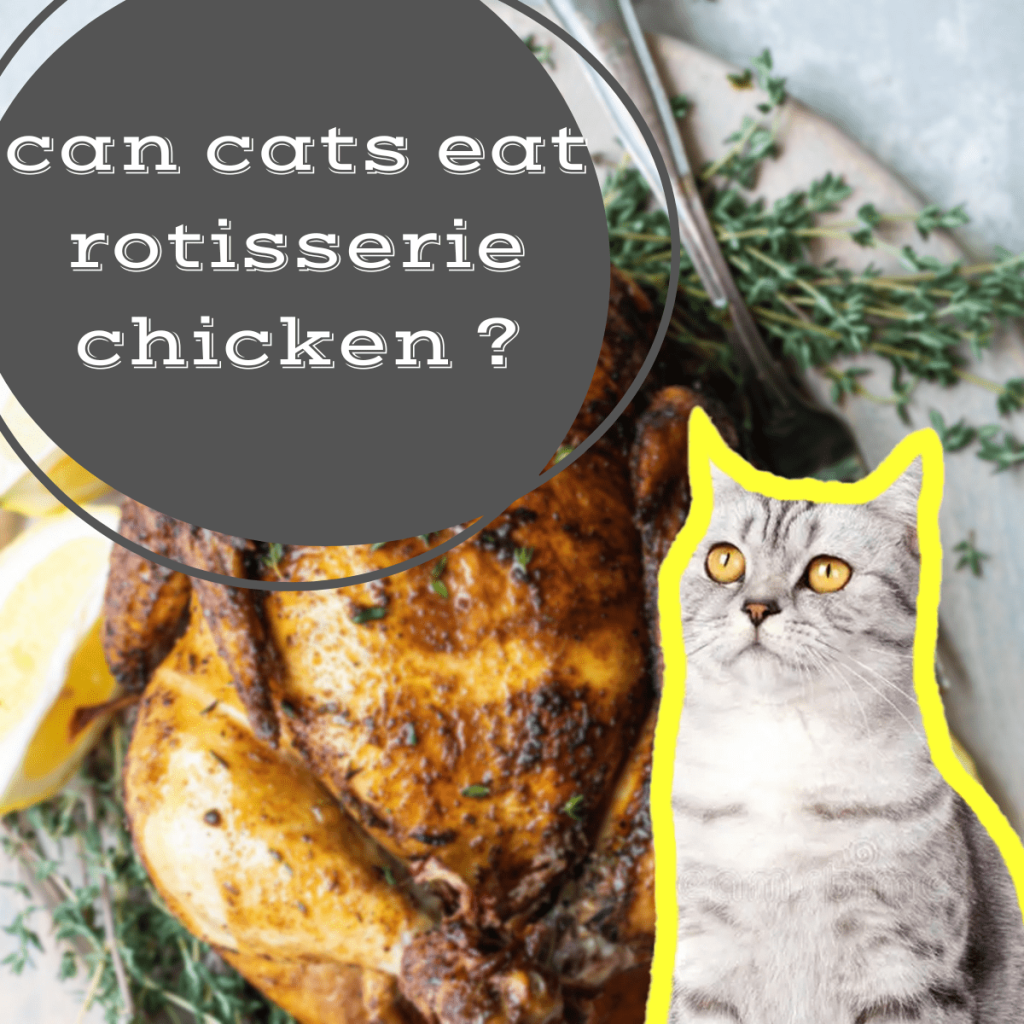
Have you ever wondered if your cat can safely enjoy turkey, especially during special meals or holidays? You want to treat your furry friend, but you also want to be sure it won’t harm them.
Understanding whether cats can eat turkey—and how to do it the right way—can keep your pet happy and healthy. Keep reading to discover the surprising facts about turkey and your cat’s diet, so you can make the best choices for your beloved companion.
Cats And Turkey: Natural Preferences
Cats enjoy eating turkey as it is a natural source of protein and easy to digest. Many cats prefer turkey over other meats due to its mild flavor and texture. Offering small amounts of cooked turkey can be a healthy treat for cats.
Cats and Turkey: Natural Preferences Cats are natural carnivores. Their diet in the wild primarily consists of meat. So, it’s no wonder they show interest in turkey, a protein-rich option.Why Cats Like Meat
Cats have a biological need for meat. Their bodies are designed to process high-protein and high-fat diets. Unlike humans, they don’t produce certain amino acids naturally, which they must obtain from animal proteins. The taste and texture of meat also appeal to their predatory instincts. Have you ever noticed how your cat’s eyes light up at the smell of cooked meat? This is because it mimics their prey, sparking their natural hunting behavior.Is Turkey A Safe Choice
Turkey can be a safe choice for your feline friend. However, moderation is key. Ensure the turkey is cooked and free from seasoning, garlic, or onions, which are toxic to cats. Avoid giving turkey skin or bones. The skin is fatty, and bones can splinter, posing a choking hazard. Offering small, lean pieces is the safest way to let your cat enjoy turkey. Always observe your pet for any adverse reactions, as individual sensitivities can vary. So, next time you prepare turkey, consider sharing a small, plain piece with your cat. It could be a delightful treat they’ll purr for.Nutritional Benefits Of Turkey For Cats
Turkey can be a healthy addition to your cat’s diet, but understanding its nutritional benefits helps you decide if and how much to offer. It’s more than just a tasty treat—turkey provides essential nutrients that support your cat’s overall well-being. Let’s look at the key advantages turkey brings to your feline friend’s plate.
Protein Content
Turkey is rich in high-quality protein, which is crucial for your cat’s muscle development and energy. Cats are obligate carnivores, meaning they rely heavily on animal protein to stay healthy.
Including turkey in their diet can help maintain lean muscles and support their active lifestyle. Have you noticed how your cat perks up after a protein-rich meal? That’s their body thanking you.
Vitamins And Minerals
Turkey contains important vitamins like B6 and niacin, which help with your cat’s metabolism and nervous system. It also offers minerals such as zinc and selenium, contributing to a healthy immune system and skin.
These nutrients play small but vital roles in keeping your cat energetic and vibrant. Could adding turkey be the secret to your cat’s shiny coat or increased playfulness?
Low Fat Advantage
Compared to some other meats, turkey generally has lower fat content, especially if you choose lean cuts like white meat without skin. This helps prevent unnecessary weight gain in cats prone to obesity.
Offering turkey as a treat instead of fattier options can support your cat’s heart health and maintain a healthy weight. Have you considered swapping fatty snacks for lean turkey to improve your cat’s diet?
Potential Risks Of Feeding Turkey
Feeding turkey to your cat might seem like a harmless treat, but it carries some risks you should consider carefully. Turkey is not toxic to cats, yet certain factors can cause health issues or discomfort. Understanding these risks helps you make safer choices for your furry friend.
Allergies And Sensitivities
Some cats develop allergies or sensitivities to new proteins, including turkey. Watch for symptoms like itching, vomiting, or diarrhea after your cat eats turkey. If your pet shows these signs, stop feeding turkey and consult your vet.
Have you noticed any unusual reactions when introducing new foods to your cat? Early detection can prevent serious health problems.
Seasonings And Additives To Avoid
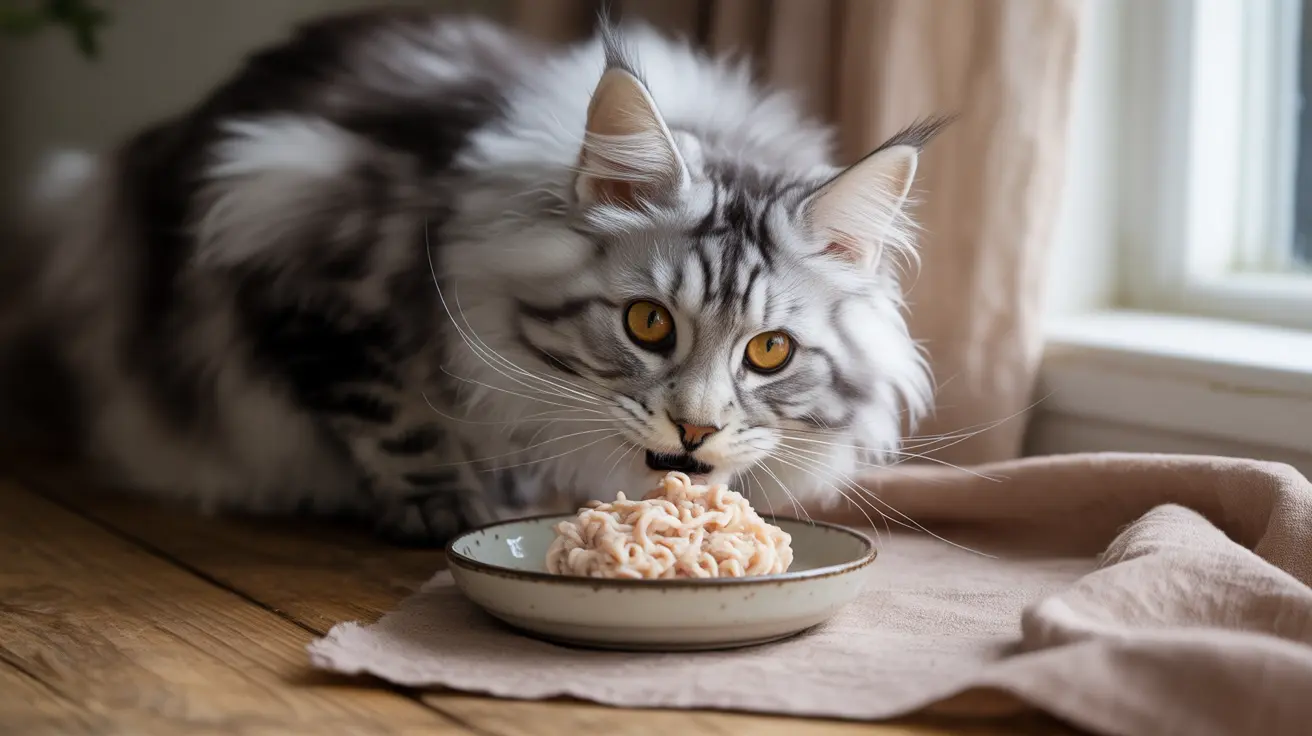
Plain turkey is best for cats. Many people cook turkey with garlic, onions, salt, or spices—ingredients that can be toxic to cats. Even small amounts of these additives can cause digestive upset or more severe issues.
Always check what’s in the turkey before offering it. If you want to share, cook it without seasoning, and serve it plain and unprocessed.
Bones And Choking Hazards
Turkey bones pose a big risk to cats. They can splinter easily and cause choking or damage to your cat’s mouth, throat, or intestines. Never give cooked turkey bones to your cat.
If you want to share turkey meat, remove all bones carefully. Your cat’s safety is worth the extra effort. Could a moment of care prevent an emergency vet visit?
Credit: www.petscare.com
How To Prepare Turkey For Cats
Preparing turkey for cats requires care to keep it safe and tasty for them. Cats need plain, well-cooked turkey without spices or additives. Raw or seasoned turkey can upset their stomach or cause health issues.
Follow simple steps to make turkey a healthy treat for your cat. This section covers cooking methods, portion control, and how often to feed turkey.
Cooking Methods
- Boil or bake turkey without skin or bones.
- Avoid frying or using oils and butter.
- Remove all seasoning like salt, garlic, or onion.
- Cut turkey into small, bite-sized pieces for easy eating.
- Let the turkey cool before offering it to your cat.
Portion Control
- Offer turkey as a small treat, not a full meal.
- Limit serving size to about one or two tablespoons.
- Adjust portion size based on your cat’s weight and health.
- Watch for any signs of allergies or upset stomach.
Frequency Of Feeding
- Feed turkey to your cat no more than twice a week.
- Use turkey as a supplement, not a daily diet staple.
- Alternate turkey with regular cat food to keep balance.
- Consult a vet if you want to increase turkey servings.
Alternatives To Turkey For Cats
If your cat isn’t a fan of turkey or you’re looking for variety, there are plenty of alternatives that can keep your feline friend happy and healthy. Offering different protein sources can also help you find the best fit for your cat’s taste and nutritional needs. Let’s explore some safe and practical options beyond turkey.
Other Safe Meats
Cats are obligate carnivores, meaning they need meat to thrive. You can try feeding your cat other lean meats like chicken, beef, or lamb. These meats provide essential proteins and amino acids that support your cat’s overall health.
Make sure to cook the meat thoroughly and avoid seasoning or adding any sauces. Raw or undercooked meat can expose your cat to harmful bacteria. Also, remove all bones, as they can cause choking or internal damage.
Have you noticed your cat’s preference for one meat over another? Offering small tastes of different meats can help you discover what they enjoy the most.
Commercial Cat Food Options
Not everyone has time to prepare fresh meats daily. That’s where commercial cat food comes in handy. High-quality canned or dry foods are formulated to meet all your cat’s nutritional requirements.
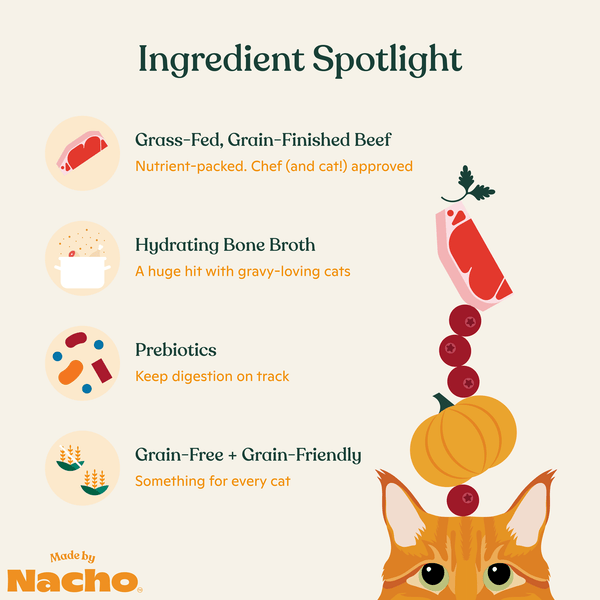
Look for brands that list real meat as the first ingredient and avoid those with excessive fillers like corn or soy. Some products even offer turkey alternatives or novel proteins like duck or rabbit, which can be great for picky eaters or cats with food sensitivities.
Have you checked the ingredient list on your cat’s food lately? Switching to a food with a different protein source might improve your cat’s appetite and energy levels.
Credit: www.petmd.com
Signs Your Cat Enjoys Or Reacts To Turkey
Noticing how your cat reacts to turkey helps understand their preferences. Cats show clear signs when they enjoy a new food. Observing their behavior and health after eating turkey is key. These signs guide you to feed turkey safely and happily.
Behavioral Cues
- Your cat approaches the turkey eagerly and sniffs it.
- They purr or rub against you after eating turkey.
- Tail held high and relaxed body posture indicate pleasure.
- They may lick their lips or meow softly while eating.
- Showing excitement or following you to the kitchen is a good sign.
- Refusing turkey or turning away signals dislike or discomfort.
Health Monitoring
- Watch for any vomiting or diarrhea after turkey consumption.
- Check for signs of allergies like itching or swelling.
- Energy levels should stay normal or improve after eating turkey.
- Keep an eye on appetite and weight changes over time.
- Consult a vet if your cat shows persistent digestive issues.
- Ensure turkey is cooked properly to avoid foodborne illness.
Credit: gntos.org
Frequently Asked Questions
Do Cats Naturally Eat Turkey Meat?
Yes, cats can naturally eat turkey meat. It is a good source of protein and nutrients. Turkey is safe and healthy when cooked without seasoning.
Can Turkey Be Harmful To Cats?
Turkey can be harmful if seasoned or contains bones. Avoid giving cats turkey with spices, onions, or garlic. Always serve plain, cooked turkey to keep cats safe.
How Much Turkey Can Cats Eat Safely?
Cats should eat turkey in moderation as a treat. Small portions, about one to two tablespoons, are enough. Too much turkey can cause digestive upset or imbalance.
Is Turkey Better Than Other Meats For Cats?
Turkey is a lean protein and easily digestible. It is often preferred over fatty meats like beef. However, variety in protein sources benefits a cat’s diet.
Conclusion
Cats can eat turkey safely in small amounts. Always serve cooked, plain turkey without bones or seasoning. Avoid giving turkey with skin or spices to protect their health. Turkey offers protein that cats enjoy and need. Treat turkey as an occasional snack, not a full meal.
Watch your cat for any signs of allergy or upset stomach. Feeding turkey carefully adds variety to your cat’s diet. Keep their main food balanced and nutritious for best health. Simple and safe choices keep your cat happy and healthy.
