

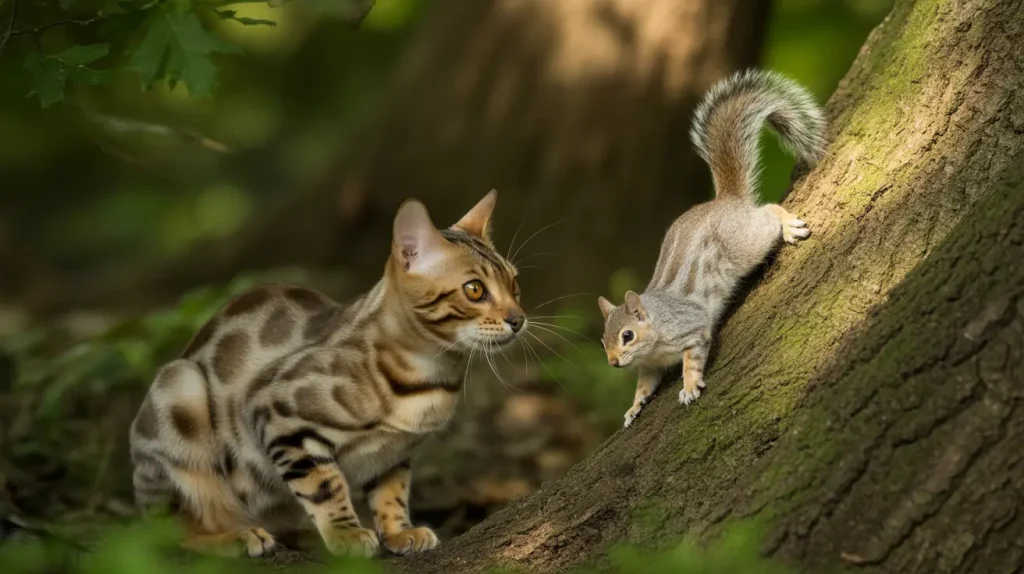
Have you ever wondered if your curious cat might chase and eat squirrels? It’s a question many pet owners ask, especially when they see their feline friends darting after small animals in the yard.
Understanding whether cats actually eat squirrels can help you keep your pet safe and your garden peaceful. You’ll discover the truth behind this natural behavior and what it means for your cat’s health and happiness. Keep reading—you might be surprised by what you learn!

Credit: www.youtube.com
Cats And Their Hunting Instincts
Cats have strong hunting instincts that drive them to chase small animals like squirrels. While they may catch squirrels, eating them is less common. Their natural behavior focuses more on play and practice than on hunting for food.
Cats are natural hunters with strong instincts. Their hunting skills are in their DNA. Even domesticated cats show these behaviors. They are curious and often chase moving objects. This instinct helps them catch prey in the wild.Natural Predatory Behavior
Cats are born with sharp senses. They have excellent vision and hearing. These skills help them detect even the slightest movements. They stalk their prey silently, using stealth and patience. This method is effective in catching small animals. Cats practice their hunting skills even at home. They often pounce on toys or moving shadows.Common Prey For Cats
Cats hunt a variety of small animals. Birds, mice, and insects are typical targets. Squirrels, though agile, can also be prey. Cats rely on their speed and agility to catch them. Not all cats hunt squirrels. It depends on the cat’s environment and instincts.
Credit: www.youtube.com
Do Cats Actually Hunt Squirrels?
Many cat owners wonder if their feline friends actually hunt squirrels. The answer isn’t simple because it depends on several factors like the cat’s hunting instincts, the environment, and the squirrel’s behavior. Understanding whether cats truly chase after squirrels can help you keep your pet safe and better understand their natural tendencies.
Squirrel Size And Agility
Squirrels are surprisingly quick and nimble. Their small size and sharp reflexes allow them to escape most predators, including cats. Unlike mice or birds, squirrels can leap between trees and scurry up trunks, making it tough for cats to catch them.
Have you noticed how squirrels often seem to taunt cats by darting just out of reach? This agility gives squirrels a big advantage. Their ability to change direction instantly and hide in high places means cats have to be exceptionally skilled to succeed in a hunt.
Cats’ Chances Of Catching Squirrels
While cats have sharp claws and excellent hunting instincts, catching squirrels is no easy feat. Many outdoor cats might give chasing squirrels a try but often fail due to the squirrel’s speed and escape routes.
Your cat’s age, health, and experience also matter. Younger cats with more energy might attempt more hunts but still face an uphill battle. On the other hand, older cats might avoid the risk altogether.
- Outdoor cats with strong hunting instincts sometimes catch squirrels, but it’s rare.
- Most cats end up frustrated or distracted by easier prey like birds or rodents.
- Some cats prefer to watch squirrels play rather than chase them.
Have you seen your cat try to catch a squirrel? Observing their behavior can tell you a lot about their hunting style and patience.
Reasons Cats Might Chase Squirrels
Cats chasing squirrels is a common sight that can puzzle many pet owners. Understanding why your cat might engage in this behavior helps you manage it better. Often, it’s not just about hunger or catching prey but involves deeper instincts and behaviors.
Play Vs. Hunting
Sometimes, your cat chases squirrels simply because it’s fun. Cats are natural hunters, and the quick, darting movements of squirrels trigger their chase instincts.
This behavior is often more about play than actual hunting. Young or indoor cats especially use chasing as exercise and mental stimulation.
Have you noticed your cat pouncing on toys that mimic the size and movement of squirrels? That’s a clear sign play and hunting instincts are closely linked.
Territorial Behavior
Cats see their outdoor space as their territory. Squirrels invading this area might be perceived as intruders.
Chasing squirrels away is your cat’s way of defending its home turf. This behavior often increases if your cat spends time outdoors regularly.
Think about your cat’s daily routine—does it patrol the yard or porch? This territorial habit can explain why squirrels become targets beyond just hunting instinct.

Credit: www.youtube.com
Risks For Cats When Hunting Squirrels
Cats hunting squirrels face many risks. These risks affect their health and safety. Cats may get hurt or catch diseases from squirrels. Understanding these dangers helps keep cats safe.
Potential Injuries
Squirrels have sharp teeth and claws. They can bite or scratch a cat during a fight. These wounds may cause pain and infection. Cats can also fall or twist their limbs chasing squirrels. Injuries might need vet care to heal properly.
Disease Transmission
Squirrels carry parasites and germs. Cats can catch diseases like rabies or parasites such as fleas and ticks. These illnesses harm cats and need treatment. Avoiding squirrel hunting lowers the chance of disease spread.
How Squirrels Avoid Predators
Squirrels face many threats from predators like cats and birds of prey. To survive, they rely on natural skills and their environment. Their ways to avoid danger are clever and effective.
Speed And Reflexes
Squirrels are very fast runners. They can change direction quickly to escape predators. Their sharp reflexes help them react in a flash. This speed often confuses cats and other hunters. It gives squirrels a better chance to get away safely.
Habitat Advantages
Squirrels live in trees and dense bushes. These places give them many hiding spots. High branches keep them out of reach from ground hunters. Thick leaves and branches break the line of sight. Squirrels use their environment to stay hidden and safe.
Tips To Protect Your Cat Outdoors
Allowing cats to explore outdoors is great for their happiness and health. Outdoor time offers exercise and mental stimulation. Safety must be a priority to protect cats from hazards like traffic, predators, and harmful plants. These tips help keep your cat safe during outdoor adventures.
Supervised Outdoor Time
Always watch your cat when outside. Supervision prevents fights with wildlife like squirrels. It stops your cat from running into dangerous areas. Use a harness and leash for controlled walks. This keeps your cat close and safe. Set a time limit to avoid long exposure to risks. Supervised time helps you spot any signs of distress or injury quickly.
Safe Play Alternatives
Provide toys that mimic hunting without risks. Use feather wands, laser pointers, or balls indoors. Create a safe outdoor space with cat-proof fencing. Catios are excellent for fresh air without danger. Avoid free roaming where squirrels and other animals live. Enrich your cat’s environment with climbing trees and scratching posts. Safe play keeps your cat entertained and healthy without harm.
Frequently Asked Questions
Do Cats Naturally Hunt Squirrels?
Yes, cats have a natural hunting instinct. They may chase and catch squirrels if given the chance. However, not all cats hunt squirrels regularly.
Can Domestic Cats Eat Squirrels Safely?
Cats can eat squirrels, but it’s risky. Squirrels may carry parasites or diseases harmful to cats. Always monitor your cat if it catches a squirrel.
Why Do Cats Chase Squirrels Outside?
Cats chase squirrels due to instinct and curiosity. The movement of squirrels triggers their hunting behavior. It’s a common outdoor activity for many cats.
Are Squirrels A Common Prey For Outdoor Cats?
Squirrels can be prey for outdoor cats but are less common than birds or rodents. Availability and cat’s hunting skills influence this.
Conclusion
Cats may chase squirrels out of instinct, but they rarely eat them. Their diet mostly includes small prey like mice or birds. Squirrels are quick and can escape easily. Cats enjoy the hunt more than the meal. Understanding this helps pet owners keep cats safe outdoors.
Always watch your cat when outside near wildlife. This keeps both cats and squirrels safe from harm. Nature has its own rules, and cats follow them.
