

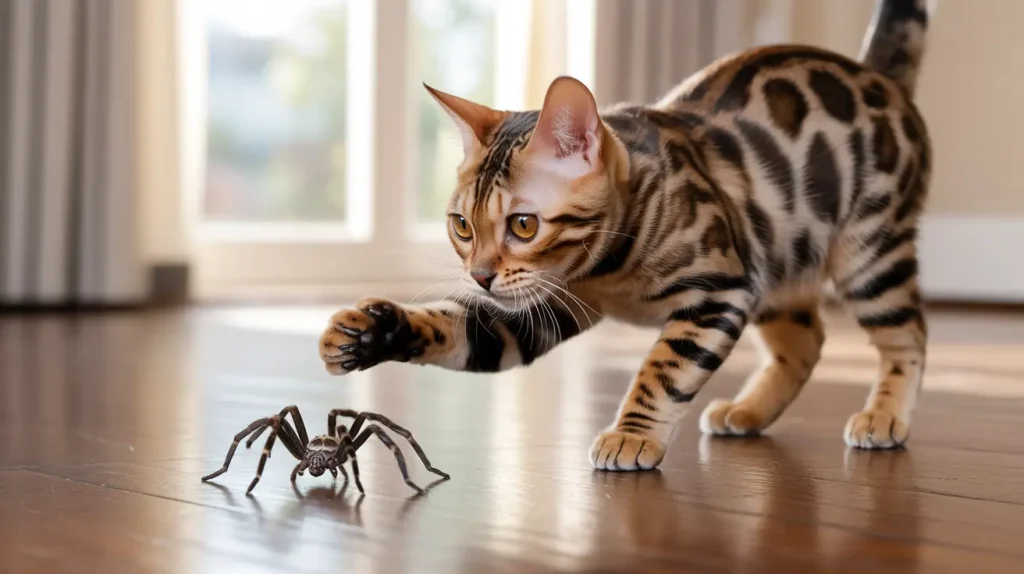
Have you ever caught your cat staring intently at a spider crawling across the floor? You might wonder, “Do cats eat spiders?” It’s a curious question because many cat owners notice these tiny hunters showing interest in creepy crawlies.
Understanding why your cat goes after spiders can reveal surprising facts about their natural instincts and behavior. Keep reading to discover what really happens when your feline friend meets a spider—and what it means for your home and your pet’s health.
Cats And Their Hunting Instincts
Cats are natural hunters. Their instincts drive them to chase and catch small creatures. These instincts come from their wild ancestors. Even house cats keep these hunting skills alive. Understanding these instincts helps explain their behavior with spiders and other small animals.
Natural Predatory Behavior
Cats have sharp senses. They see, hear, and smell well. These senses help detect movement of tiny prey. Their paws are soft but quick to catch. Stalking is part of their hunting style. They wait quietly, then pounce at the right moment. This behavior is natural and not learned.
Common Prey For Cats
Cats often hunt small creatures like:
- Mice
- Birds
- Insects
- Spiders
Spiders attract cats because they move fast and twitch. Cats may bite or play with spiders before eating them. This hunting helps cats stay active and sharp. It also satisfies their natural curiosity and need to hunt.

Credit: deskcatnest.com
Cats’ Attraction To Spiders
Cats have a natural interest in small creatures like spiders. Their attraction goes beyond hunger. It links closely to their instincts and senses. Understanding why cats focus on spiders helps explain their behavior.
Movement And Curiosity
Spiders move in quick, unpredictable ways. This sudden motion grabs a cat’s attention immediately. Cats are natural hunters drawn to moving targets. Their curiosity makes them watch and sometimes chase spiders. The tiny, fast movements trigger a cat’s playful side. This makes spiders irresistible little “toys” for cats.
Sensory Triggers
Cats rely heavily on their senses. Their sharp eyesight picks up even small movements in dim light. Whiskers and paws help cats explore the texture and shape of objects. The unique smell of spiders also intrigues cats. These sensory triggers combine to keep a cat focused on spiders. It’s a mix of sight, touch, and smell that fascinates them.
Do Cats Actually Eat Spiders?
Cats are curious hunters by nature. Many cat owners wonder about their pets’ reactions to spiders. Some cats chase these tiny creatures, while others seem to ignore them. This raises the question: do cats actually eat spiders? Understanding this behavior helps pet owners keep their cats safe and healthy.
Observed Behaviors
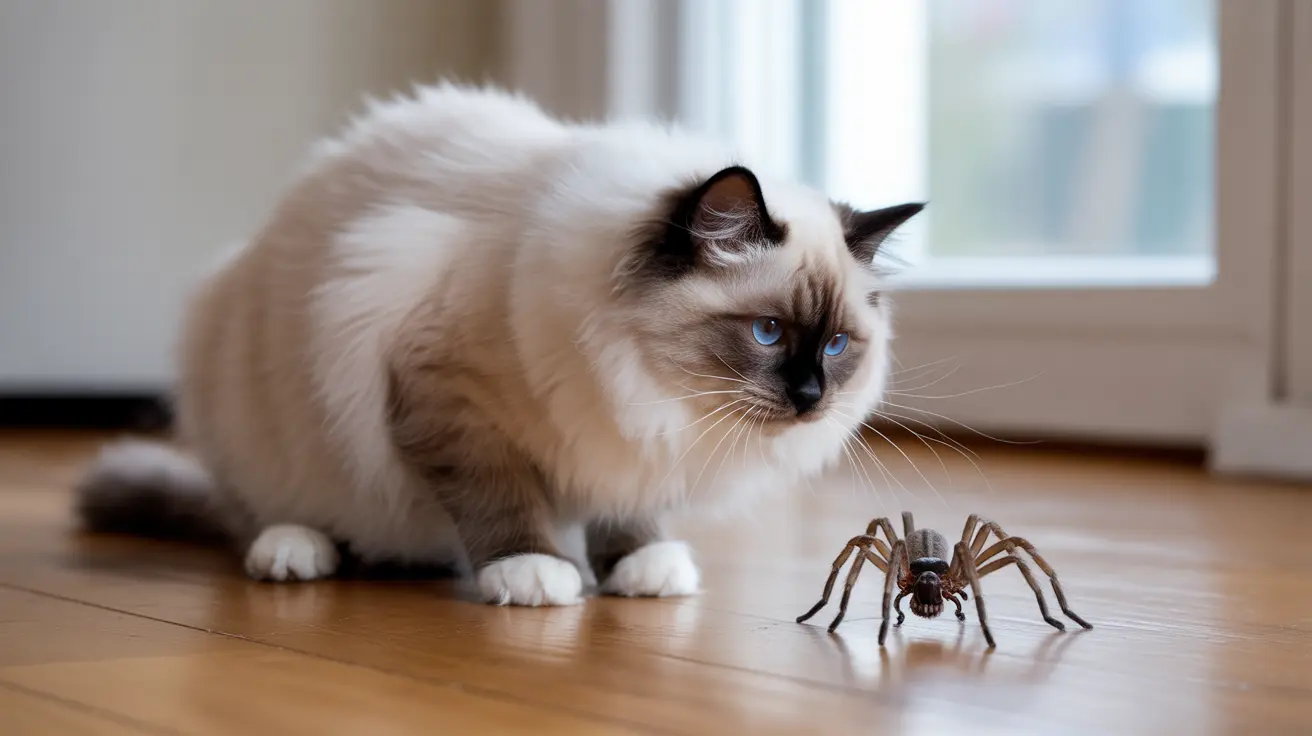
Cats often show interest in moving objects, including spiders. Some cats paw at spiders, trying to catch them. Others may bite or carry spiders around. A few cats do eat spiders, though not all. Many cats prefer to play with spiders rather than eat them. Some simply watch spiders from a distance.
Reasons For Eating Or Ignoring Spiders
- Curiosity drives cats to investigate spiders.
- Some cats see spiders as prey and eat them.
- Spiders can trigger a cat’s hunting instincts.
- Not all cats find spiders tasty or worth eating.
- Cats may ignore spiders if they don’t move much.
- Health concerns about spiders can make cats cautious.
- Individual personality affects a cat’s interest in spiders.
Credit: www.petscare.com
Health Risks Of Eating Spiders
While cats often catch and eat spiders out of curiosity or instinct, this behavior can carry health risks. Not all spiders are harmless, and consuming them might expose your feline friend to various dangers. Understanding these risks helps you protect your pet from unexpected health issues.
Potential Toxicity
Some spiders carry venom that can be harmful if ingested. Though a cat’s digestive system may neutralize some toxins, certain venomous spiders pose a real threat. For example, black widow or brown recluse spiders can cause serious symptoms like vomiting, drooling, or even muscle tremors.
Have you noticed your cat acting unusually after playing with a spider? It’s worth considering if the spider was toxic and seeking veterinary advice promptly.
Allergic Reactions
Cats can develop allergic reactions after eating spiders, even those not venomous. Symptoms may include itching, swelling, or skin irritations around the mouth. Sometimes, these reactions are subtle and easy to miss, but they can escalate quickly.
Watch your cat closely after any spider encounter. Early detection of allergic signs can prevent discomfort and more severe health issues.
Parasite Concerns
Spiders sometimes carry parasites or bacteria that could infect your cat. Eating an infected spider might introduce worms or harmful microbes into your pet’s system. This could lead to digestive problems, lethargy, or other infections that require treatment.
Regular vet check-ups and monitoring your cat’s behavior after spider encounters can help catch these problems early. Would you be able to spot subtle changes that indicate a parasite issue?
How To Manage Spider Encounters
Managing spider encounters in your home can be tricky, especially if you have a curious cat. While cats might enjoy chasing or eating spiders, it’s important to keep both your pet and your living space safe. Here’s how you can handle these encounters effectively and calmly.
Keeping Spiders Away Safely
Start by making your home less inviting to spiders. Keep corners, windowsills, and baseboards clean and free of cobwebs. Regular vacuuming and dusting remove spider webs and discourage new ones from forming.
Consider natural spider repellents like essential oils—peppermint, eucalyptus, and tea tree oils work well. Just mix a few drops with water in a spray bottle and apply it around entry points. This won’t harm your cat but helps keep spiders at bay.
Seal cracks and gaps in windows, doors, and walls. Small holes are easy spider highways. Blocking these spots reduces the chances of spiders sneaking inside where your cat might find them.
Redirecting Cat’s Attention
If your cat loves hunting spiders, redirect its energy with engaging toys and activities. Interactive toys like feather wands or laser pointers can capture your cat’s focus better than a small, unpredictable spider.
Try setting up a dedicated playtime routine. This satisfies your cat’s hunting instincts and reduces the urge to chase real spiders. It’s a win-win for your pet’s health and your peace of mind.
Also, consider providing puzzle feeders or treat-dispensing toys. These keep your cat mentally stimulated and distracted. Have you noticed how much your cat calms down after a good play session? Using that insight can help prevent unwanted spider hunts.
When To Consult A Veterinarian
Cats often catch and eat spiders, which is usually harmless. Still, some spiders carry toxins that can hurt your cat. Watch your cat closely after it eats a spider or any insect. Early detection of illness can prevent serious problems. Knowing when to see a vet is key to keeping your cat safe and healthy.
Signs Of Illness After Eating Insects
- Vomiting or diarrhea
- Excessive drooling
- Loss of appetite
- Weakness or lethargy
- Difficulty breathing
- Swelling or redness around the mouth
- Unusual behavior or restlessness
These signs may appear within hours or a few days. Do not wait if symptoms worsen or last long. Immediate veterinary care can save your cat’s life.
Preventive Care Tips
- Keep your home clean to reduce spider presence
- Use pet-safe pest control methods
- Supervise outdoor playtime
- Provide plenty of toys to distract from hunting insects
- Regularly check your cat’s mouth and fur for bugs
- Consult your vet about safe insect repellents for pets
Prevention helps avoid health risks linked to eating spiders and insects. Regular vet checkups ensure your cat stays in good health.

Credit: www.reddit.com
Frequently Asked Questions
Do Cats Naturally Hunt And Eat Spiders?
Yes, cats often hunt spiders as part of their natural predatory behavior. Spiders are small, moving targets that attract cats’ attention. Eating spiders provides cats with additional protein and satisfies their hunting instincts safely indoors.
Are Spiders Safe For Cats To Eat?
Most spiders are safe for cats to eat as they are non-toxic. However, some spiders can be venomous and cause mild reactions. It’s best to monitor your cat and prevent contact with dangerous spider species if possible.
Why Do Cats Like To Chase Spiders?
Cats chase spiders because the movement triggers their hunting instincts. Spiders move unpredictably, making them interesting prey. This play behavior helps cats stay active and mentally stimulated, even when indoors.
Can Eating Spiders Harm My Cat’s Health?
Eating a few spiders rarely harms cats, as spiders have little nutritional impact. However, ingesting venomous spiders or large quantities might cause digestive upset or allergic reactions. Consult a vet if your cat shows unusual symptoms after eating spiders.
Conclusion
Cats often enjoy chasing and eating spiders. This behavior is natural and helps keep homes bug-free. Spiders are usually safe for cats, but watch for dangerous types. Eating spiders can satisfy a cat’s hunting instincts and curiosity. Always check your cat’s health if you notice unusual behavior.
Understanding this habit helps you care better for your pet. Cats and spiders—an interesting part of pet life. Simple, natural, and sometimes surprising.
